
 By Hendra Lukman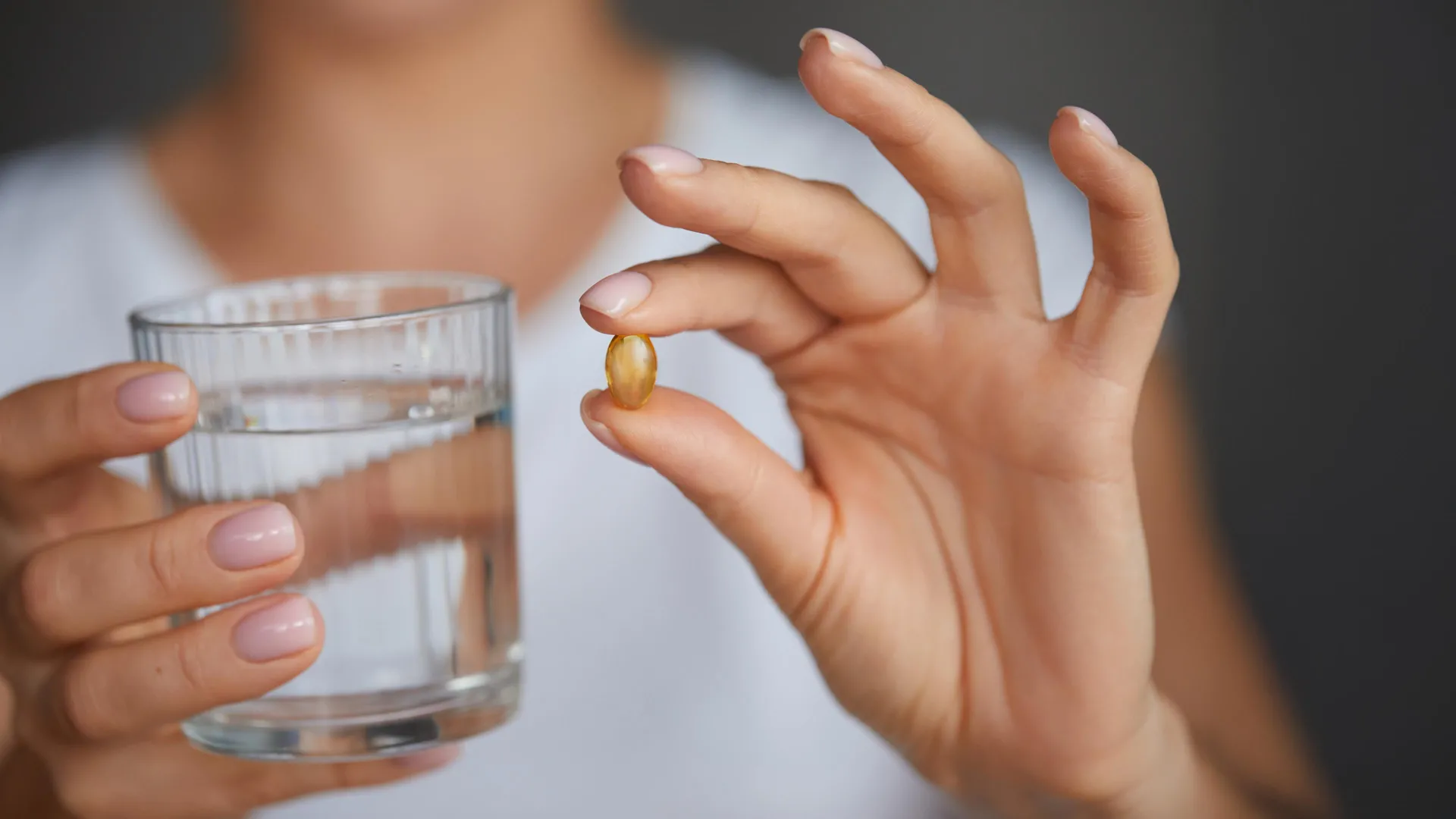
Findings from a large-scale, rigorously conducted randomized controlled trial have indicated that high-dose vitamin D3 supplementation does not significantly reduce the severity of acute COVID-19 infections or hospitalizations. However, the study, led by researchers at Mass General Brigham, has unveiled a compelling preliminary signal suggesting a potential benefit in mitigating the development of long COVID symptoms. This discovery, published in The Journal of Nutrition, underscores the complexity of vitamin D’s role in viral infections and opens new avenues for research into post-viral syndromes.
The VIVID Trial: A Comprehensive Investigation into Vitamin D and COVID-19
The Vitamin D for COVID-19 (VIVID) Trial was initiated against a backdrop of widespread interest and speculation regarding the potential of vitamin D supplementation to combat COVID-19. Numerous observational studies had hinted at a correlation between lower vitamin D levels and increased risk of severe COVID-19, fueling hopes that supplementation could offer a protective or therapeutic effect. However, these observational findings were often confounded by various factors, prompting the need for high-quality randomized controlled trials to establish causality.
"There’s been tremendous interest in whether vitamin D supplements can be of benefit in COVID, and this is one of the largest and most rigorous randomized trials on the subject," stated senior author JoAnn Manson, MD, DrPH, of the Mass General Brigham Department of Medicine. "While we didn’t find that high-dose vitamin D reduced COVID severity or hospitalizations, we observed a promising signal for long COVID that merits additional research."
The VIVID Trial aimed to provide definitive answers by evaluating the efficacy of high-dose vitamin D3 supplementation in individuals recently diagnosed with COVID-19 and in their household contacts. The study’s design was meticulously crafted to ensure robust statistical power and minimize bias, incorporating participants from diverse geographical locations and demographic backgrounds.
Study Design and Execution: A Global Effort
The VIVID Trial was conducted across two distinct geographical regions: the United States and Mongolia. This international collaboration was crucial for enhancing the generalizability of the findings. The trial enrolled a total of 1,747 adults who had recently tested positive for COVID-19 and an additional 277 household contacts who were at risk of exposure.
Participants were randomly assigned to receive either a high dose of vitamin D3 or a placebo daily for a period of four weeks. The specific supplementation regimen involved an initial higher dose of 9,600 IU/day for two days, followed by a maintenance dose of 3,200 IU/day. This dosing strategy was chosen to achieve rapid and sustained increases in vitamin D levels.
The U.S. arm of the trial commenced in December 2020 and concluded in September 2022, a period that spanned several waves of the pandemic and the introduction of various COVID-19 variants and vaccines. The Mongolian component of the study ran from September 2021 to April 2022. A critical aspect of the trial’s protocol was the timing of intervention; on average, participants began their vitamin D or placebo regimen approximately three days after receiving a positive COVID-19 test result, allowing for early intervention.
Ensuring Data Integrity: Stratified Randomization and Statistical Weighting
To guarantee that the comparison between the vitamin D and placebo groups was fair and unbiased, the research team, led by Manson, Davaasambuu Ganmaa, and Kaitlyn Cook, employed sophisticated methods of randomization and statistical adjustment. Stratified randomization was utilized to ensure that key factors known to influence COVID-19 outcomes were evenly distributed between the study groups. These factors included age, sex, body mass index (BMI), race/ethnicity, and COVID-19 vaccination status.
Furthermore, statistical weighting techniques were applied to balance any residual differences in baseline characteristics between the groups. This meticulous approach was essential for isolating the specific effect of vitamin D supplementation, minimizing the influence of confounding variables on the observed results.
Outcomes of Acute COVID-19: No Significant Impact on Severity or Transmission
The primary endpoints of the VIVID Trial focused on the acute phase of COVID-19 infection. Over the four-week intervention period, the researchers found no statistically significant differences between the vitamin D and placebo groups in terms of healthcare utilization or mortality. Healthcare utilization was broadly defined to encompass hospital stays, clinic visits (both in-person and virtual), and emergency room visits.
Similarly, symptom severity, as reported by participants, did not show any meaningful improvement in the vitamin D group compared to the placebo group. This finding suggests that, at the tested dosage and timing, high-dose vitamin D3 supplementation did not confer a substantial benefit in reducing the immediate severity of COVID-19 illness.
Moreover, the study investigated whether vitamin D supplementation could influence viral transmission within households. The results indicated that high-dose vitamin D supplementation did not lower the likelihood of household contacts contracting COVID-19 from an infected individual. This observation further reinforces the conclusion that the intervention had limited impact on the acute aspects of the disease.
A Glimmer of Hope: Potential Benefit for Long COVID Symptoms
While the acute phase of COVID-19 did not appear to be significantly affected, the VIVID Trial uncovered a potentially significant finding related to long COVID. When researchers analyzed a subset of participants who adhered consistently to their assigned vitamin D regimen, they observed a trend towards a lower incidence of persistent symptoms eight weeks after infection, compared to those in the placebo group.
Specifically, 21% of participants in the vitamin D group reported experiencing at least one lingering symptom of long COVID, in contrast to 25% of participants in the placebo group. While this difference did not reach the threshold for statistical significance in the overall analysis, it represented a "promising signal" that warrants further investigation.
Long COVID, a complex and often debilitating post-viral condition, can manifest with a wide array of symptoms, including persistent fatigue, shortness of breath, cognitive impairments (often referred to as "brain fog"), joint pain, and neurological issues. The economic and personal toll of long COVID continues to be a major public health concern globally.
"Long COVID, which can include symptoms of fatigue, shortness of breath, brain fog, other cognitive challenges and more, continues to significantly impact people’s lives," emphasized Dr. Manson. "We hope to conduct further research in larger populations on whether long-term vitamin D supplementation reduces the risks and severity of long COVID."
Implications and Future Directions
The findings of the VIVID Trial carry significant implications for public health recommendations and clinical practice. The lack of benefit in reducing acute COVID-19 severity or transmission suggests that widespread recommendations for high-dose vitamin D supplementation solely for these purposes may not be supported by current evidence. However, the emerging signal for long COVID prevention opens a critical new frontier for research.
The fact that vitamin D, a readily available and generally safe nutrient, might play a role in mitigating the long-term sequelae of viral infections is a highly encouraging prospect. Future research should focus on elucidating the biological mechanisms by which vitamin D might influence immune responses relevant to long COVID. This could involve investigating its effects on inflammation, immune cell function, and tissue repair.
Larger, dedicated trials specifically designed to assess the efficacy of vitamin D supplementation for long COVID prevention and treatment are now warranted. These studies should explore different dosages, durations of supplementation, and specific patient populations to optimize potential benefits. Furthermore, investigating the optimal timing of vitamin D intervention—whether pre-exposure, during acute infection, or in the post-infection recovery phase—will be crucial.
The VIVID Trial’s meticulous design and execution serve as a model for future research in this area. The inclusion of participants from diverse backgrounds and geographical locations enhances the applicability of its findings. The challenges in achieving definitive statistical significance for the long COVID signal highlight the need for continued rigorous scientific inquiry.
A Note on Vitamin D and Immune Health
Vitamin D, often referred to as the "sunshine vitamin," plays a crucial role in numerous physiological processes, including calcium absorption, bone health, and immune system modulation. Its potential involvement in immune responses has long been recognized, with receptors for vitamin D found on various immune cells. This has led to its investigation in a wide range of infectious and autoimmune diseases.
While the VIVID Trial did not demonstrate a benefit for acute COVID-19, the broader scientific literature continues to explore vitamin D’s multifaceted effects on the immune system. Understanding these complex interactions is key to unlocking its full therapeutic potential.
Authorship, Disclosures, and Funding
The VIVID Trial was a collaborative effort involving numerous researchers. In addition to JoAnn Manson and Davaasambuu Ganmaa, key Mass General Brigham authors included Allison Clar, Michael Rueschman, Aditi Hazra, Howard D. Sesso, Valerie E. Stone, Patricia Copeland, and Georgina Friedenberg. Additional contributing authors were Kaitlyn Cook, Polyna Khudyakov, Dorjbal Enkhjargal, Tsolmon Bilegtsaikhan, Kenneth H. Mayer, Raji Balasubramanian, Douglas C. Smith, Quanhong Lei, Todd Lee, Emily G. McDonald, Tserenkhuu Enkhtsetseg, Erdenebaatar Sumiya, Yansanjav Narankhuu, Myagmarsuren Erdenetuya, Dalkh Tserendagva, Rikard Landberg, Niclas Roxhed, and Susanne Rautiainen.
One author, Niclas Roxhed, declared a potential conflict of interest as a founder and shareholder of Capitainer AB, a company involved in commercializing the blood collection devices used in the study. All other authors reported no conflicts of interest.
The study received support from anonymous foundation grants and philanthropic contributions. Notably, the Tishcon Corporation provided a donation of the vitamin D and placebo capsules used in the trial. Support was also acknowledged from Takeda and Capitainer cards. The authors did not declare a specific grant for this research from any public, commercial, or nonprofit funding agency. This diverse funding landscape underscores the significant investment required for large-scale clinical trials.
The VIVID Trial represents a significant contribution to the ongoing scientific discourse surrounding vitamin D and viral infections. While it may not have provided the hoped-for solution for acute COVID-19, its exploration of long COVID has opened a promising new avenue for research, offering a potential pathway to alleviate the persistent suffering of millions worldwide. The scientific community will be eagerly awaiting further investigations to confirm and expand upon these intriguing findings.
