
 By Suherman Candra Maholtra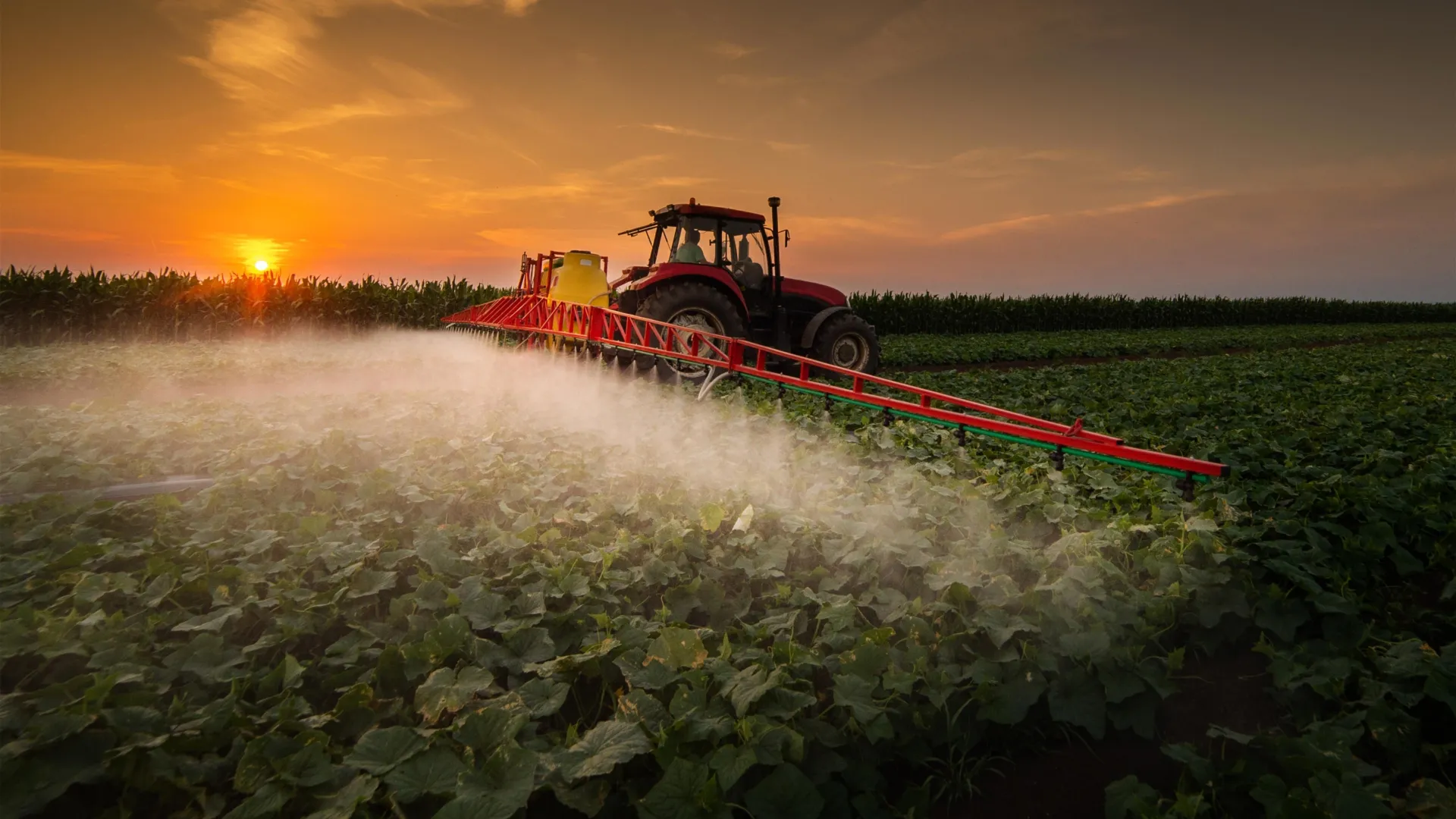
Recent scientific investigations led by researchers at the Penn State Cancer Institute have uncovered a compelling and potentially concerning correlation between the geography of Pennsylvania’s agricultural regions and the incidence of melanoma. According to the study, counties characterized by high levels of cultivated cropland and intensive herbicide application exhibit significantly higher rates of melanoma—the deadliest form of skin cancer—than other regions within the state. This discovery challenges the traditional public health narrative that melanoma risk is primarily a consequence of recreational sun exposure or occupational outdoor labor, suggesting instead that environmental factors associated with modern industrial farming may play a substantial role in community-wide cancer risks.
The research, published on November 14 in the peer-reviewed journal JCO Clinical Cancer Informatics, focuses on a specific 15-county region in South Central Pennsylvania. The data indicates that adults over the age of 50 living in these areas are 57% more likely to be diagnosed with melanoma compared to residents in the rest of the state. These findings have sparked a new dialogue regarding the intersection of environmental science, agricultural policy, and public health, particularly concerning the indirect exposure of non-farming populations to agricultural chemicals.
Geographic Scope and the South Central Pennsylvania Hotspot
The study’s primary focus on South Central Pennsylvania is significant due to the region’s unique blend of high-density agriculture and growing suburban and urban centers. This area, often referred to as the state’s "breadbasket," includes counties such as Lancaster, York, and Adams, where the landscape is dominated by the cultivation of corn, soybeans, and forage crops.
Researchers reviewed comprehensive cancer registry data spanning the five-year period from 2017 through 2021. By analyzing this data alongside geographic information system (GIS) mapping, the team identified that the elevated risk was not confined to isolated rural pockets. Rather, the trend persisted across both rural and urbanized counties within the agricultural belt. Charlene Lam, associate professor of dermatology at Penn State Health and a co-author of the study, emphasized that the higher risk profile extends to individuals who do not spend the majority of their time outdoors, suggesting that the risk factor is ambient rather than purely behavioral.
Chronology of the Research and Data Integration
The genesis of the study began with an observation of regional disparities in Pennsylvania’s cancer statistics. While Pennsylvania has long maintained a robust cancer registry, the specific clustering of melanoma in agricultural zones prompted a deeper dive into the underlying environmental variables.
- Initial Data Collection (2017–2021): Researchers aggregated state-level cancer incidence reports, focusing on melanoma of the skin.
- Environmental Mapping: The team integrated data on land use from the United States Department of Agriculture (USDA), specifically looking at "cultivated acreage"—land used for crops that typically require regular chemical intervention.
- Chemical Usage Analysis: Data regarding herbicide application rates was cross-referenced with the geographic distribution of melanoma cases.
- Confounder Adjustment: To ensure the findings were not simply a result of higher sunlight exposure, the researchers adjusted their models for ultraviolet (UV) radiation levels across the state. They also accounted for socioeconomic factors, such as income and access to healthcare, which can influence diagnosis rates.
- Publication and Peer Review (November 2024): The finalized findings were released, highlighting the statistical link between herbicides and melanoma.
Quantifying the Connection: Cultivation and Chemicals
The study provides specific metrics that illustrate the strength of the association between the land and the disease. According to the analysis, for every 10% increase in the amount of cultivated land within a county, there was a corresponding 14% rise in melanoma cases.
The correlation with chemical use was even more distinct. The researchers found that a 9% increase in land treated with herbicides corresponded to a 13% increase in melanoma incidence. These figures suggest a "dose-response" relationship, where increased proximity to or density of agricultural activity correlates with a higher likelihood of cancer diagnosis.
The specific herbicides used in these regions often include glyphosate, atrazine, and 2,4-D, which are standard in the production of genetically modified corn and soybeans. While the study does not name specific chemical brands, it points to the broad category of herbicides as a primary variable of interest. These substances are designed to disrupt biological pathways in plants, but scientific literature has increasingly investigated their "off-target" effects on human biology.
Biological Mechanisms: Beyond Ultraviolet Radiation
The traditional understanding of melanoma centers on DNA damage caused by UV radiation from the sun or tanning beds. However, the Penn State study suggests that herbicides may act as "force multipliers" or independent carcinogens.
Eugene Lengerich, emeritus professor of public health sciences at Penn State and the study’s senior author, noted that pesticides and herbicides are biologically active by design. He explained that some of these chemicals are known to induce oxidative stress—a state where the body has an imbalance of free radicals and antioxidants, leading to cell and DNA damage.
Furthermore, certain agricultural chemicals are documented "photosensitizers." When these chemicals enter the human system, they can make the skin more sensitive to sunlight, meaning that even moderate exposure to UV rays could result in more significant genetic damage than it would in an unexposed individual. Other hypothesized mechanisms include the interference with immune system responses that would normally identify and destroy burgeoning cancer cells.
Community Exposure and the "Drift" Factor
One of the most significant implications of the study is that melanoma risk is not restricted to the occupational setting. While farmers and agricultural workers have the highest direct exposure, the researchers argue that entire communities are at risk due to environmental transport mechanisms.
Chemical drift occurs when herbicides are sprayed and carried by wind currents into neighboring residential areas. Additionally, these chemicals can settle into household dust, accumulate in local soil, and leach into groundwater or runoff into surface water sources used for local consumption.
"You don’t have to be a farmer to face environmental exposure," Charlene Lam stated. This "bystander exposure" means that residents in suburban developments bordering cornfields or those living in small towns within agricultural counties may be unknowingly absorbing or inhaling low doses of these chemicals over decades.
International Context and Comparative Studies
The findings in Pennsylvania do not exist in a vacuum. The Penn State team referenced similar trends observed in other parts of the world, which adds weight to the theory that agricultural environments are a global public health concern.
- Utah, USA: Previous studies in the Western U.S. have shown higher melanoma rates in areas with intensive fruit and vegetable farming.
- Italy and Poland: European researchers have identified clusters of skin cancer in regions with high pesticide use, even when controlling for the fairer skin types typically associated with those populations.
These international parallels suggest that the phenomenon is a byproduct of modern industrial agricultural practices rather than a localized anomaly unique to Pennsylvania’s geography or climate.
The "One Health" Approach and Policy Implications
The study advocates for a "One Health" approach to public health—a framework that recognizes that the health of people is closely connected to the health of animals and our shared environment. This perspective suggests that if the environment (the soil, water, and air) is saturated with biological disruptors like herbicides, human health outcomes will inevitably reflect that degradation.
The implications for policy are extensive. If further research confirms a direct causative link, it could lead to:
- Stricter Spraying Regulations: Implementing larger buffer zones between cultivated fields and residential areas.
- Water Filtration Mandates: Enhanced requirements for municipal water systems in agricultural zones to test for and remove herbicide residues.
- Public Awareness Campaigns: Encouraging residents in high-risk counties to undergo more frequent dermatological screenings.
Benjamin Marks, the study’s first author and a medical student at the Penn State College of Medicine, cautioned that while the data provides a strong "signal," it is not yet a "verdict." He noted that other factors, including genetic predispositions within certain rural populations or behavioral patterns, must continue to be studied. However, he emphasized that the statistical signal is too strong to ignore.
Next Steps in Research and Prevention
In response to these findings, the Penn State Cancer Institute is moving into the next phase of its investigation. This will involve localized studies within the 15-county "hotspot" to track specific exposure pathways. Researchers plan to engage directly with rural communities to better understand farming practices, the specific timing of chemical applications, and how these coincide with the daily lives of residents.
For the public, the current advice remains focused on vigilance. Dermatology experts recommend that residents in these high-risk counties perform monthly self-examinations of their skin and seek professional screenings annually. The use of sun-protective clothing and broad-spectrum sunscreen remains vital, especially if herbicides are indeed increasing photosensitivity among the population.
As the scientific community continues to unravel the complexities of environmental carcinogenesis, the Pennsylvania study serves as a critical reminder that the landscapes we inhabit and the ways we produce our food have profound, and sometimes hidden, impacts on human longevity and health. The collaboration between doctors, environmental scientists, and the agricultural community will be essential in mitigating these risks while maintaining the state’s vital farming economy.
