
 By admin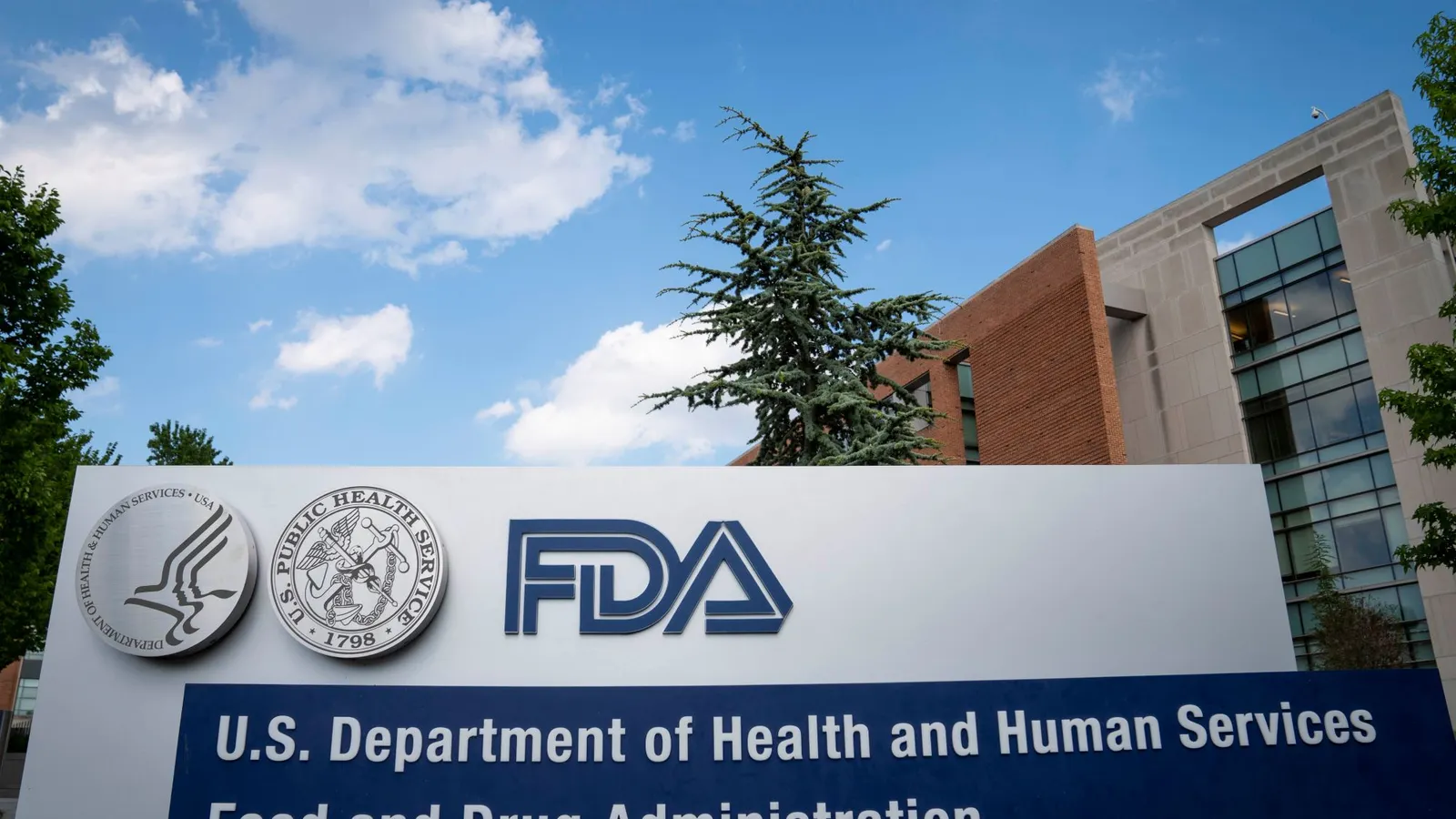
The Food and Drug Administration (FDA) is set to convene a series of advisory committee meetings beginning in late July to deliberate on the reclassification of several peptides, a move that signals a significant shift in the agency’s approach to these often-controversial compounds. This initiative comes directly influenced by the Health and Human Services (HHS) Secretary Robert F. Kennedy Jr., who has openly expressed his strong personal advocacy for peptides, including his own usage, and has criticized the previous administration for actions he claims drove peptide users into unregulated black markets. The decision has ignited a debate within the scientific and medical communities, raising questions about the balance between public access, scientific rigor, and potential political influence on regulatory decisions, especially under a hypothetical second Trump administration where Secretary Kennedy would presumably play a key role in shaping health policy.
Understanding Peptides and Their Regulatory Landscape
Peptides are short chains of amino acids, acting as the building blocks of proteins. They play crucial roles in various biological processes, serving as hormones, neurotransmitters, growth factors, and immune modulators. In recent years, a growing number of synthetic peptides have gained popularity, often promoted for a wide array of purported benefits, including muscle growth, fat loss, anti-aging, improved cognitive function, wound healing, and enhanced athletic performance. Some commonly discussed peptides include BPC-157 (Body Protection Compound-157), often touted for its regenerative properties, and various growth hormone-releasing peptides.
Despite their widespread use, many of these peptides exist in a regulatory "gray market." Unlike conventional pharmaceutical drugs, which undergo rigorous clinical trials for safety and efficacy before FDA approval, many peptides are sold online or through compounding pharmacies without this extensive vetting. Compounding pharmacies traditionally prepare customized medications for individual patients based on a doctor’s prescription, often filling a critical gap for patients with unique medical needs, such as allergies to certain excipients or specific dosage requirements. However, the use of compounding pharmacies to produce and distribute peptides that lack FDA approval for specific indications has created a challenging regulatory environment. The FDA’s stance has historically been cautious, emphasizing that compounded drugs must meet strict criteria and generally not be "copies" of commercially available drugs, nor should they pose an undue risk to public health. The lack of robust, large-scale human clinical trials for many peptides means their long-term safety profiles, optimal dosages, and efficacy for various claims remain largely unproven, leading to concerns among mainstream medical professionals and public health advocates.
Secretary Kennedy’s Influence and the "MAHA Vision"
The impetus for the FDA’s peptide reclassification review stems directly from HHS Secretary Robert F. Kennedy Jr.’s personal convictions and his broader vision for the American health system, which he refers to as "MAHA" – presumably "Make America Healthy Again." Kennedy, a prominent figure known for his skepticism regarding established public health practices, particularly concerning vaccines, has been a vocal proponent of alternative health approaches and a critic of what he perceives as overreach by federal agencies and the pharmaceutical industry.
In a widely publicized interview with podcaster Joe Rogan in February, Secretary Kennedy openly declared himself a "big fan" of peptides, stating he has personally taken them. During the discussion, he contended that previous actions by the Biden administration had unduly restricted access to these compounds, effectively pushing users towards an unregulated black market. He argued that these restrictions were not rooted in sound science but rather in an overly cautious or perhaps even politically motivated regulatory approach, thereby jeopardizing patient safety by driving demand to illicit sources with no quality control. This public endorsement from a high-ranking health official, combined with his expressed intent to reform the health system, laid the groundwork for the FDA’s current re-evaluation process. His "MAHA vision" appears to champion a more patient-centric approach that prioritizes access to a wider range of treatments, even those with less traditional regulatory backing, and aims to dismantle what he views as bureaucratic obstacles to health innovation and personal choice.
The Unusual Convening of Advisory Committees
To facilitate the proposed reclassification, the FDA has scheduled two advisory committee meetings. The first, slated for late July, will involve the Pharmacy Compounding Advisory Committee discussing seven specific peptides, including BPC-157, a compound frequently mentioned by Rogan and other alternative health proponents. A second panel is set to address five additional peptides by February 2027.
The scheduling of these meetings is notable, as the frequency of advisory committee gatherings has reportedly been less common under a hypothetical second Trump administration. Historically, FDA advisory committees, composed of independent experts in various medical and scientific fields, serve as crucial forums for rigorous scientific debate. They provide objective advice to the agency on complex issues related to drug safety, efficacy, and approval, typically for products that have raised significant questions during the review process. While the committees’ recommendations are non-binding, the FDA has traditionally aligned with the advice of these experts in the vast majority of cases, underscoring their importance in maintaining scientific integrity and public trust in the regulatory process. The perceived infrequent convening of these panels under this hypothetical administration, only to now call them for a topic championed by the HHS Secretary, has led some observers to question the motivations behind the timing and focus, suggesting a potential deviation from historical norms where scientific need, rather than political preference, dictates such meetings.
Precedents and Concerns: Ideology vs. Science
The current peptide reclassification effort is not an isolated incident but rather fits into a pattern of controversial decisions and policy shifts observed under this hypothetical administration, which have fueled concerns about the influence of ideology and politics on the FDA’s scientific decision-making.
One such policy involved offering "quick reviews" to companies whose products were deemed "aligned with U.S. national priorities." While ostensibly aimed at accelerating access to critical medicines, critics argued this framework could potentially bypass traditional rigorous review standards or prioritize certain areas based on political rather than purely scientific or public health merit. This approach has, at times, contributed to what investors describe as an unpredictable regulatory environment, making it challenging for pharmaceutical companies to navigate the approval process.
Another notable instance involved the administration’s apparent pursuit of "pet projects" favored by officials. For example, the FDA reportedly urged GSK to apply for approval of a decades-old medicine, leucovorin (Wellcovorin), a drug the company had no intention of re-marketing, after FDA Commissioner Marty Makary publicly touted its potential benefits for autism. Despite this push, the FDA ultimately approved the drug only for an ultra-rare brain disease (cerebral folate deficiency), a much narrower indication than initially suggested. GSK subsequently withdrew its application, leaving the limited market to generic providers. This episode highlighted how administrative pressure could influence drug development pathways, even for established medicines, based on unproven or politically motivated claims rather than robust clinical evidence.
Furthermore, Secretary Kennedy, a well-known vaccine skeptic, has advocated for tightening the standards for inoculations that have already undergone extensive testing in thousands of patients and are widely accepted as safe and effective by the scientific community. This stance contrasts sharply with his push for easier access to peptides, a group of products that often lack substantive proof of efficacy or safety and have been associated with reports of dangerous side effects, as highlighted by investigative reports in publications like The New Yorker and Undark. This perceived inconsistency—demanding higher evidentiary standards for established medical interventions while advocating for looser access to less-proven compounds—reinforces the growing apprehension that ideology and political considerations are increasingly influencing the FDA’s actions, potentially at the expense of its foundational commitment to science-based regulation and public health protection.

Arguments for Reclassification and Industry Reactions
Secretary Kennedy has publicly defended the reclassification initiative as a "long-overdue action to restore science, accountability and the rule of law." He articulated on X (formerly Twitter) that this reclassification "begins to restore regulated access and will immediately begin shifting demand away from the black market." He pledged to "follow the science, enforce the law, and deliver the clarity patients, providers, and pharmacies deserve," suggesting that the current regulatory ambiguity is detrimental to all stakeholders.
The move has been welcomed by certain segments of the healthcare industry, particularly those operating in the telehealth and compounding space. Hims & Hers, a telehealth company that has notably capitalized on shortages of GLP-1 drugs by supplying cheaper, compounded versions, hailed the FDA’s decision. Pat Carroll, CEO of Hims & Hers, stated, "The FDA’s plans to more clearly define the regulatory status of several peptides is an important step toward moving these treatments out of the gray market, and into more trusted channels overseen by vetted healthcare professionals." For companies like Hims & Hers, a clearer regulatory framework for peptides could legitimize and expand their market, allowing them to offer these compounds with greater legal certainty and potentially attracting more mainstream users. This perspective emphasizes the benefits of regulatory clarity in bringing products out of the shadows and into more supervised medical environments, even if the underlying scientific evidence for those products remains a subject of ongoing debate.
Broader Implications and Future Outlook
The FDA’s peptide reclassification effort carries significant broader implications for the future of drug regulation, public health, and the perception of scientific independence within federal agencies. If successful, it could set a precedent for how other alternative or less-vetted treatments are brought into a regulated framework, potentially opening doors for a wider range of compounds that currently exist in the gray market.
However, critics caution that prioritizing access without robust scientific validation of safety and efficacy could expose the public to unknown health risks. The potential for dangerous side effects from unproven peptides, as documented in various reports, underscores the importance of the FDA’s traditional gatekeeping role. Public health experts worry that political pressure could dilute the agency’s scientific rigor, eroding public trust in drug approvals and potentially leading to a decline in the standards that have historically protected consumers.
The pharmaceutical industry, which invests billions in research and development to bring new drugs through the stringent FDA approval process, may view this reclassification with concern. It could be seen as creating an uneven playing field, where compounded or reclassified substances bypass the extensive and costly clinical trials required for conventional pharmaceuticals. This could disincentivize traditional drug development, particularly for conditions where peptides are being promoted as alternatives.
Ultimately, the outcome of these advisory committee meetings and the subsequent FDA decisions will be closely watched. They will not only determine the regulatory fate of specific peptides but also serve as a litmus test for the balance between administrative influence, patient access, and the foundational scientific principles that underpin the FDA’s mission to ensure the safety and effectiveness of medical products in the United States. The debate highlights a fundamental tension in modern healthcare: the desire for rapid access to perceived health solutions versus the imperative for evidence-based medicine and comprehensive public safety oversight.
