
 By admin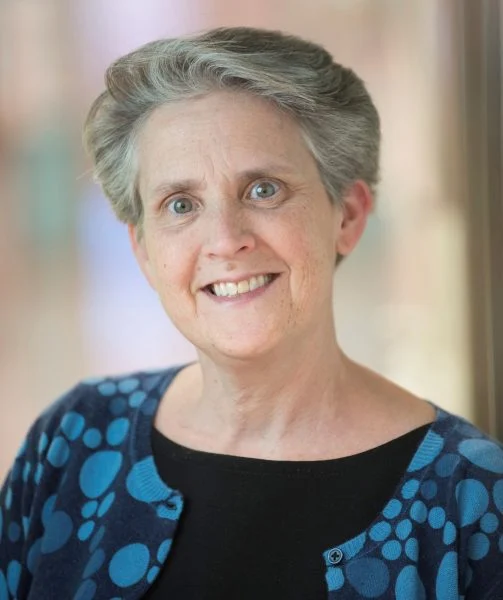
Medical researchers in the Twin Cities have launched a pioneering clinical trial that represents the culmination of two decades of intensive laboratory work, aiming to dismantle the biological defenses of the deadliest forms of childhood brain cancer. The study, currently involving a select group of fewer than a dozen pediatric patients, is targeting Diffuse Midline Glioma (DMG) and Diffuse Intrinsic Pontine Glioma (DIPG)—highly aggressive tumors that have historically remained resistant to conventional treatments such as surgery, chemotherapy, and radiation. Supported by the University of Minnesota and funded through the Children’s Cancer Research Fund (CCRF), this trial utilizes a novel dual-action approach: a "shield-busting" molecule designed to strip away the tumor’s protective coating, paired with a specialized vaccine intended to trigger a robust immune response.
The Critical Challenge of DMG and DIPG in Pediatric Oncology
Brain tumors have long been identified as the leading cause of cancer-related deaths among children in the United States, surpassing leukemia in recent years due to the development of more effective treatments for blood cancers. Among these, DMG and DIPG represent the most formidable challenges in the field of neuro-oncology. These tumors are primarily located in the brainstem and other midline structures, areas that control vital functions such as breathing, heart rate, and motor coordination.
Because of their "diffuse" nature, these tumors do not form solid, encapsulated masses that can be easily excised. Instead, they interweave with healthy brain tissue, making surgical removal impossible without causing catastrophic neurological damage. For decades, the standard of care has remained limited to focal radiation therapy, which may temporarily shrink the tumor and alleviate symptoms but rarely provides a long-term cure. The median survival rate for children diagnosed with DIPG remains approximately nine to twelve months, with a five-year survival rate of less than 1%.
The current clinical trial in the Twin Cities addresses the fundamental reason these tumors are so lethal: their ability to evade the human immune system. While a healthy immune system is naturally equipped to identify and destroy abnormal cells, DMG and DIPG tumors employ a sophisticated "protein shield" that renders them invisible to T-cells and other internal defenses.
A Two-Decade Chronology of Research and Discovery
The launch of this clinical trial is not an overnight success but the result of approximately 20 years of foundational research conducted at the University of Minnesota. The timeline of this breakthrough reflects the slow and meticulous nature of translational medicine—the process of moving a discovery from the laboratory bench to the patient’s bedside.
The early 2000s saw the initial identification of the specific molecular pathways that DMG tumors use to suppress immune activity. Researchers at the University of Minnesota began investigating how these tumors manipulate the microenvironment of the brain to create an "immunosuppressive" zone. By the 2010s, advancements in genomic sequencing allowed scientists to pinpoint the exact proteins responsible for the "shield" effect. This led to the engineering of a specific molecule capable of binding to these proteins and neutralizing them.
The transition from laboratory models to human trials required years of rigorous safety testing and the development of a companion vaccine. Unlike traditional vaccines that prevent infectious diseases, this therapeutic vaccine is designed to educate the patient’s immune system to recognize specific markers on the surface of the glioma cells once the protective shield has been compromised. After securing approval from the Food and Drug Administration (FDA) for an Investigational New Drug (IND) application, the team at Children’s Minnesota and the University of Minnesota officially opened the trial to its first participants.
The Mechanics of the "Shield-Busting" Molecule and Vaccine
The biological mechanism at the heart of this trial is a two-step process. The first component involves the administration of a "shield-busting" molecule. In the complex landscape of oncology, tumors often express proteins that act as "checkpoints," essentially sending a "stop" signal to any approaching immune cells. In the case of DMG, this shield is particularly dense. The new molecule acts as a biochemical key, unlocking these checkpoints and exposing the tumor’s vulnerabilities.
Once the tumor is "unmasked," the second component—the vaccine—comes into play. The vaccine is tailored to stimulate the production of cytotoxic T-lymphocytes that are specifically programmed to attack the unique genetic mutations found in midline gliomas. By combining these two therapies, researchers hope to overcome the primary hurdle of pediatric neuro-oncology: the "cold" immune environment of the brain. If successful, this therapy could turn a "cold" tumor (one that the immune system ignores) into a "hot" tumor (one that the immune system actively fights).

Financial Support and the Role of Strategic Philanthropy
The progression of this trial from a theoretical concept to a clinical reality was made possible through a unique funding coalition. Pediatric cancer research often faces a "funding gap," as it receives a disproportionately small percentage of federal research grants compared to adult cancers. To bridge this gap, the Children’s Cancer Research Fund (CCRF) coordinated a massive mobilization of private capital.
Major U.S. investment firms, top-tier wealth advisors, and high-net-worth philanthropists across the country joined forces to provide the necessary resources for the Twin Cities trial. This influx of private funding allowed the research team to bypass some of the bureaucratic delays often associated with federal grants, accelerating the production of the therapeutic molecules and the recruitment of clinical staff. This model of "venture philanthropy" is increasingly seen as a vital tool in the development of orphan drugs and treatments for rare pediatric diseases that might not otherwise be commercially viable for large pharmaceutical corporations.
Perspectives from the Medical Community
The trial is being overseen by prominent figures in the field, including Anne Bendel, MD, the Director of the Neuro-oncology Program at Children’s Minnesota. Dr. Bendel has emphasized that the trial represents more than just a scientific experiment; it is a moral imperative for the medical community.
"For far too long, there hasn’t been an effective way to fight DMG," Dr. Bendel stated. "This clinical trial is a critical step toward changing that reality for kids. Caring for these patients reminds us why research matters—every child deserves a healthy, happy future with the people they love most."
Medical analysts suggest that the collaborative nature of this trial—combining the academic rigor of the University of Minnesota with the clinical expertise of Children’s Minnesota—sets a new standard for how pediatric centers can tackle rare diseases. The trial’s small initial cohort of fewer than 12 children allows for intensive monitoring of side effects and real-time adjustments to dosage, ensuring maximum safety for the young participants.
Broader Implications for the Future of Cancer Treatment
The implications of this trial extend far beyond the borders of the Twin Cities. If the combination of the shield-busting molecule and the vaccine proves effective in treating DMG and DIPG, it could provide a blueprint for treating other "treatment-resistant" tumors in both children and adults.
One of the most significant potential outcomes is the shift toward personalized immunotherapy. By understanding how to strip away the protective mechanisms of a tumor, researchers may be able to apply similar "shield-busting" techniques to pancreatic cancer, glioblastoma multiforme (GBM) in adults, and other cancers that currently have poor prognoses.
Furthermore, the success of this trial would validate the use of therapeutic vaccines in the brain. The blood-brain barrier has historically been a major obstacle for drug delivery, but this trial’s approach suggests that the immune system can be trained to cross that barrier and deliver a targeted strike against malignant cells.
Conclusion and Outlook
As the trial continues in the Twin Cities, the medical community remains cautiously optimistic. For the families of the children currently enrolled, the trial offers a glimmer of hope where previously there was none. While it is still in its early stages, the combination of 20 years of research, a novel scientific approach, and a powerful coalition of donors has created a historic opportunity to turn the tide against the deadliest form of childhood cancer.
The results of this trial will be closely watched by oncologists worldwide. For now, the focus remains on the small group of children undergoing treatment, whose participation may one day lead to a world where a diagnosis of DMG or DIPG is no longer a terminal sentence, but a manageable condition. The commitment of the University of Minnesota and Children’s Minnesota underscores a broader truth in modern medicine: that the most difficult challenges require the longest commitment, the most innovative science, and the strongest community support.
