
 By admin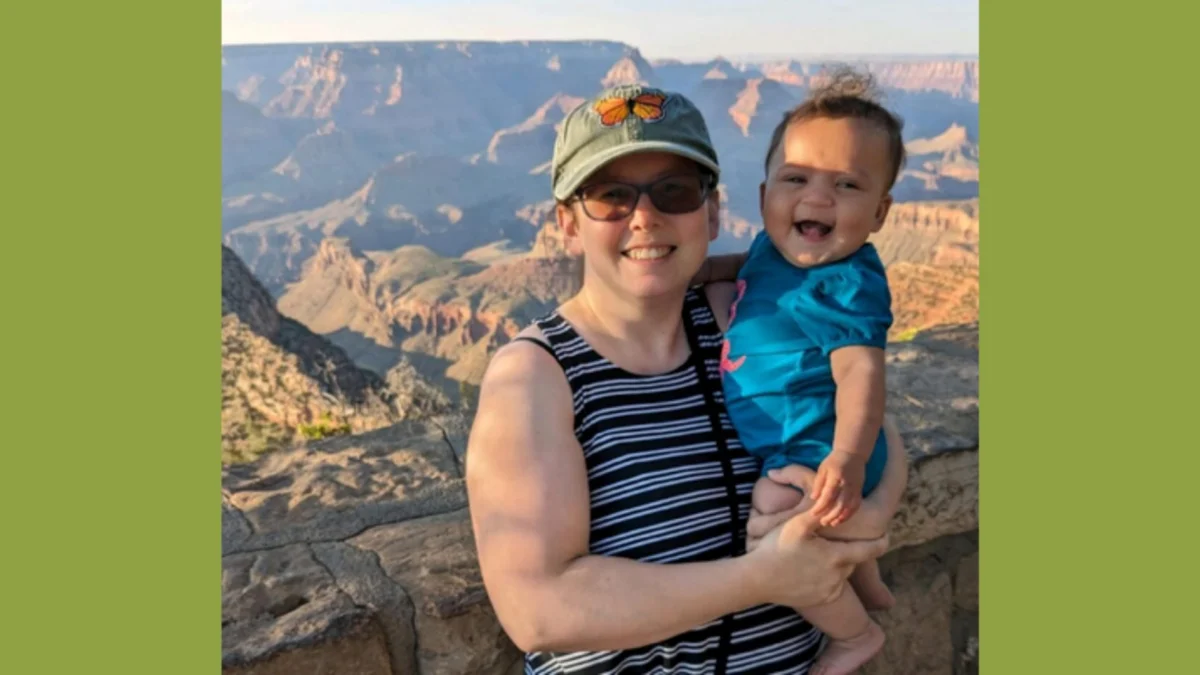
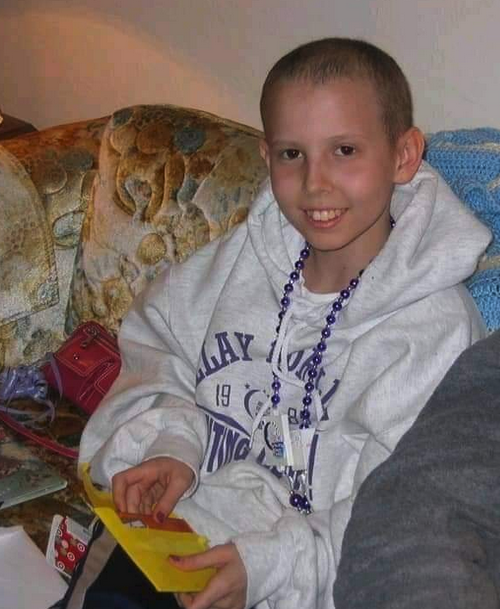
The transition from a suspected sports injury to a life-threatening oncological diagnosis represents a traumatic pivot point for thousands of American families every year. For Liz Kaiser, this transition began at the age of 13, during her eighth-grade volleyball season. What was initially dismissed as a routine musculoskeletal strain in her right leg—treated with standard rest, ice, compression, and elevation—soon revealed itself to be a malignant mass. When the pain persisted beyond the typical recovery window for a sports injury, a pediatrician-ordered MRI identified a tumor located just below the knee. The subsequent biopsy, performed the day after Thanksgiving, confirmed a diagnosis of osteosarcoma, a rare and aggressive form of bone cancer.
The diagnosis marked the beginning of a two-decade journey that highlights not only the resilience of pediatric cancer survivors but also the systemic stagnation in treatment protocols for rare childhood malignancies. Today, Liz Kaiser serves as a radiologic technologist, a career path directly inspired by the diagnostic imaging that defined her adolescence. However, her story also serves as a poignant reminder of the "late effects" of toxic treatments and the urgent necessity for increased research funding into safer, more modern therapeutic interventions.
A Chronology of Treatment and Complications
Liz Kaiser’s clinical journey began in December of her eighth-grade year. Osteosarcoma treatment typically follows a rigorous "MAP" protocol—a combination of high-dose Methotrexate, Adriamycin (Doxorubicin), and Cisplatin. For Kaiser, this involved multiple cycles of intensive chemotherapy designed to shrink the primary tumor and eliminate any micrometastatic disease.
Following the initial rounds of chemotherapy, Kaiser underwent an arduous eight-hour reconstructive surgery. In pediatric osteosarcoma cases, surgeons must often perform limb-salvage procedures, replacing the cancerous bone with internal prosthetics or bone grafts. This is a complex undertaking in a growing child, requiring precise engineering to ensure future mobility. After a brief recovery period from the surgery, Kaiser returned to maintenance chemotherapy for nearly a year.
The timeline of her treatment was punctuated by milestones of childhood that were radically altered by her medical status. She completed her primary treatment phase just before Halloween, a day she remembers for its bittersweet normalcy. Too weak to walk due to the cumulative toll of the drugs and the recent surgery, she was pulled in a wagon by her family while trick-or-treating, dressed as a character from Sesame Street.
However, the conclusion of chemotherapy did not signal the end of her medical challenges. One of the most documented side effects of high-dose chemotherapy is the systemic weakening of the skeletal structure. Months after her official "remission," Kaiser suffered a fall that resulted in fractures to both of her legs. This setback required additional surgeries and a prolonged period of rehabilitation, during which she utilized a wheelchair to attend school. While Kaiser recalls the lighthearted moments of her peers vying to push her wheelchair to leave class early, the underlying reality was one of significant physical and social disruption during a formative developmental period.
The Stagnation of Pediatric Cancer Research
The narrative of Liz Kaiser’s survival is framed by a sobering reality often cited by her father, Greg: the treatments used to save her life were already decades old at the time of her diagnosis. Medical historians and oncologists note that the primary chemotherapy cocktail for osteosarcoma has remained largely unchanged since the late 1970s and early 1980s.
While survival rates for pediatric cancers have improved significantly over the last half-century, these gains are often attributed to better supportive care and more aggressive surgical techniques rather than breakthroughs in pharmaceutical innovation. For rare cancers like osteosarcoma, the "patient pool" is relatively small, which creates a lack of financial incentive for major pharmaceutical companies to invest in the research and development of new targeted therapies.
Data from the National Cancer Institute (NCI) indicates that pediatric cancer research receives approximately 4% of the total federal budget for cancer research. This "4% problem" means that rare pediatric sub-types must compete for a very small slice of the funding pie. Consequently, many children are treated with "off-label" adult medications or legacy drugs that, while effective at killing cancer cells, carry a high risk of long-term toxicity.
The Reality of Late Effects and Long-Term Survivorship
As Liz Kaiser approaches 20 years of survivorship, she continues to navigate the "late effects" of her adolescent treatment. "Late effects" refer to health problems that occur months or years after cancer treatment has ended. According to the Children’s Oncology Group, nearly two-thirds of childhood cancer survivors will develop at least one chronic health condition as a result of their treatment, and one-third will face a life-threatening complication by the time they reach age 45.
In Kaiser’s case, the high-dose cisplatin—a platinum-based chemotherapy agent—led to permanent hearing loss, a common side effect of the drug’s ototoxicity. Additionally, the reconstructive work on her knee has limitations; she experiences restricted range of motion and faces the certainty of a total knee replacement in the future.
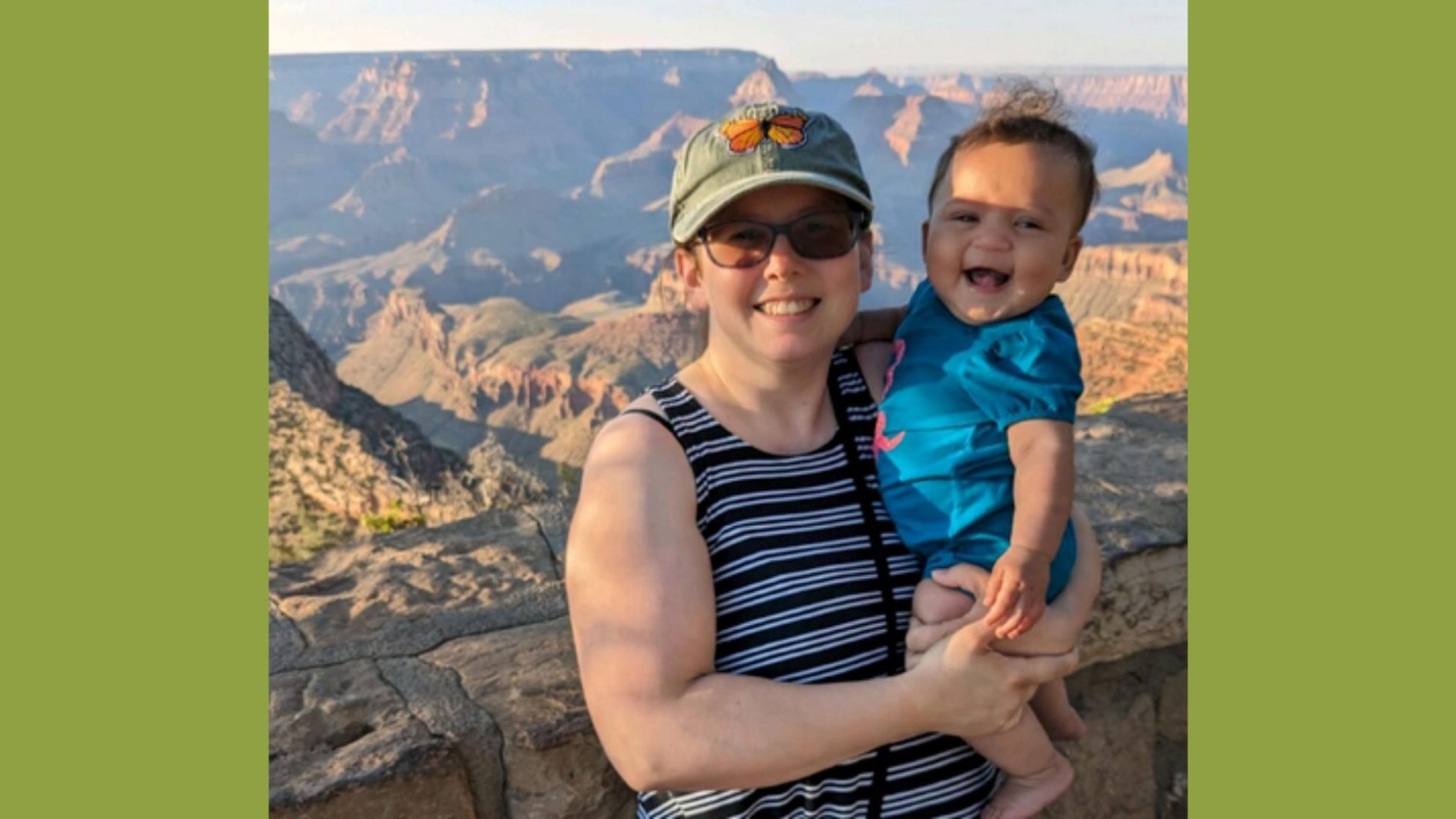
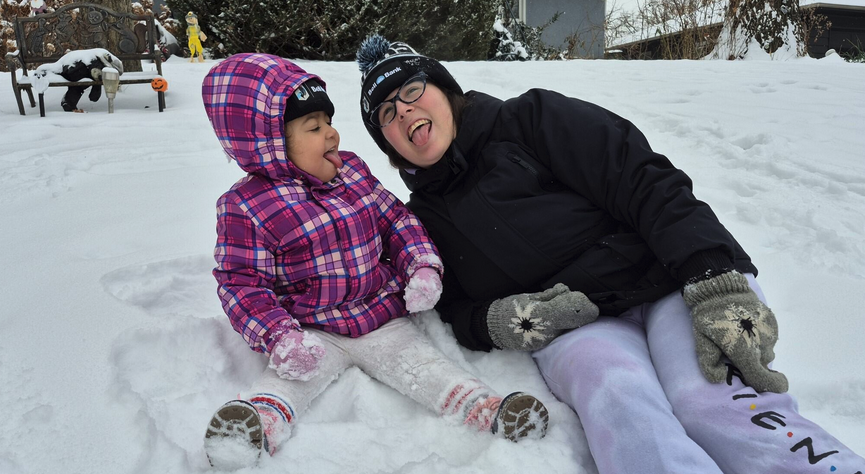
These physical constraints impact her daily life as a mother to her three-year-old daughter, Isabelle. Kaiser acknowledges that she cannot run after her child or easily engage in floor-based play. "I tell her sometimes, ‘Mommy can’t do that,’" Kaiser noted, highlighting the permanent physical boundaries established by a disease she defeated two decades ago. The support of a multi-generational household, including her mother and stepfather, has been essential in managing the physical demands of parenting while living with the sequelae of cancer treatment.
Professional Transformation and Personal Milestones
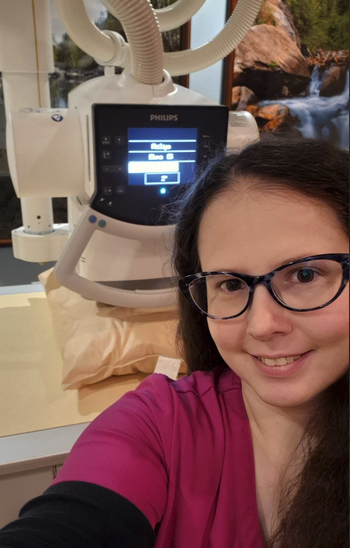
Despite the physical toll, Kaiser’s experience within the healthcare system catalyzed her professional trajectory. The hours spent in imaging suites—undergoing MRIs, CT scans, and X-rays—provided her with a unique perspective on the intersection of technology and patient care. Today, she works as a radiologic technologist, utilizing the very tools that first identified her malignancy to help diagnose others. This "full-circle" career path is a common phenomenon among pediatric cancer survivors, many of whom enter medical fields driven by a desire to provide the same level of care they received.
Beyond her professional success, Kaiser’s transition into motherhood represents a significant milestone. Many survivors of pediatric bone cancer face potential fertility challenges due to the gonadotoxic nature of certain chemotherapy agents. The birth of her daughter, Isabelle, was a milestone that her family once feared might be impossible. For her father, Greg, seeing Liz interact with Isabelle is a testament to the hope that sustained them through the "nightmare" of the initial diagnosis.
Broader Implications for the Oncology Community
The story of the Kaiser family underscores several critical imperatives for the modern medical community and policymakers:
- Funding Parity: There is a growing movement to increase the percentage of federal funding dedicated specifically to pediatric oncology. Advocacy groups argue that children should not be treated with "hand-me-down" adult protocols and that the long-term economic impact of survivors justifies the upfront investment in safer treatments.
- Precision Medicine: The future of osteosarcoma treatment lies in genomic sequencing and targeted therapies. By identifying the specific genetic mutations driving a tumor, doctors can theoretically use drugs that target the cancer without damaging healthy tissue, thereby reducing the "late effects" that Kaiser currently manages.
- Survivorship Care Plans: As the population of childhood cancer survivors grows, there is an increased need for specialized "Survivorship Clinics." These clinics provide lifelong monitoring for secondary cancers, cardiovascular issues, and other complications stemming from early-life toxic exposures.
- Incentivizing Innovation: Legislative efforts, such as the RACE for Children Act, aim to require pharmaceutical companies to test new adult oncology drugs in pediatric populations if the molecular targets are relevant to childhood cancers.
Conclusion: A Message of Hope and Persistence
Liz Kaiser’s journey from a 13-year-old athlete in pain to a medical professional and mother is a narrative of profound resilience. However, it also serves as a call to action. Her father’s observation—that her treatment was 30 years old when she received it—remains a stinging critique of the pace of progress in rare pediatric cancers.
As Liz and Greg both emphasize, the message for families currently entering the "nightmare" of a pediatric diagnosis is one of persistence. "Don’t give up," Liz stated. "Don’t avoid trying something because you think it might be difficult." Her life is a living embodiment of that philosophy, proving that while the scars of cancer may be permanent, they do not preclude a life of purpose, professional achievement, and familial joy. The hope for the next generation of patients is that continued research and advocacy will eventually provide a path to survival that does not require such a heavy physical price.
