
 By admin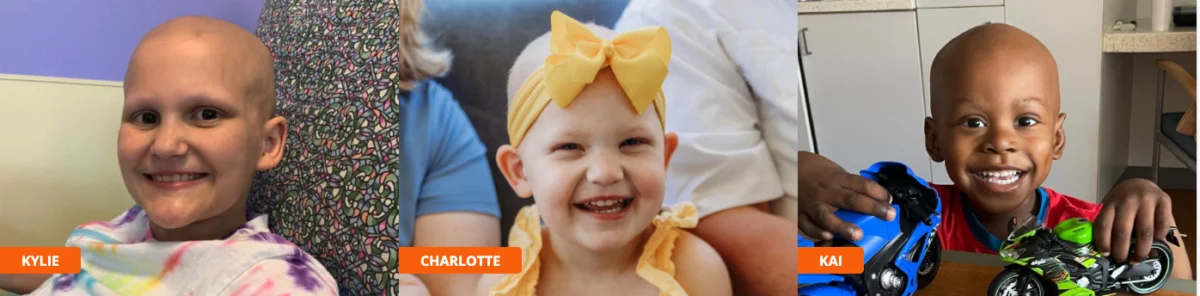
The Great Cycle Challenge has officially entered its 12th year of operation, marking a significant milestone in the national effort to combat pediatric malignancies through community-driven philanthropy. As a primary fundraising vehicle for the Children’s Cancer Research Fund (CCRF), the initiative has evolved from a grassroots cycling event into a massive logistical operation that has seen participants log more than 38 million miles and raise over $87 million to date. The 2026 campaign is anchored by five national ambassadors—Charlotte, Kai, Kylie, Jasper, and Emma—whose personal battles with various forms of cancer serve as the catalyst for a nationwide movement of cyclists, donors, and advocates.
The initiative operates on a simple yet effective premise: riders of all ages and fitness levels set a personal riding goal for the month and solicit donations from their networks. However, the implications of these miles extend far beyond physical fitness. The funds generated are directed toward high-impact research projects that aim to bridge the gap between laboratory discoveries and clinical applications. By focusing on better treatments, more personalized therapies, and the reduction of long-term side effects, the Great Cycle Challenge is fundamentally altering the trajectory of pediatric oncology.
The Human Element: Profiles of the 2026 National Ambassadors
The 2026 ambassadors represent the diverse and often grueling reality of childhood cancer. Their stories highlight the necessity of continued funding, as each child faces a unique set of medical challenges that require specialized intervention.
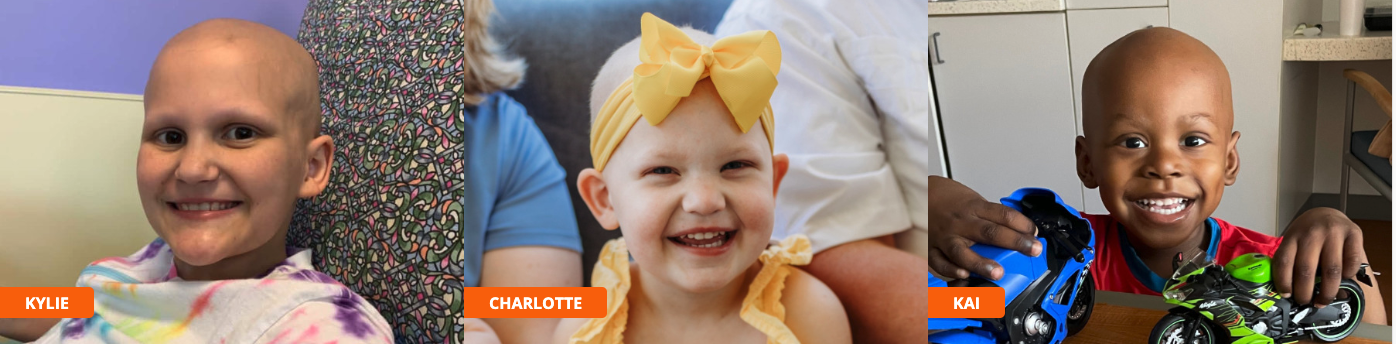
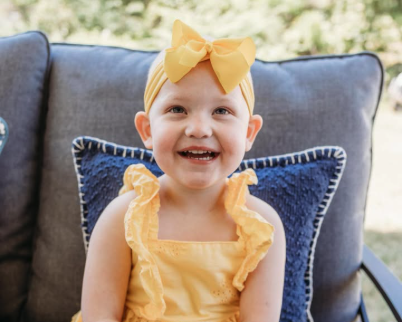
Charlotte, age four, is currently navigating the maintenance phase of her treatment for B-cell acute lymphoblastic leukemia (ALL). ALL is the most common form of childhood cancer, but the road to recovery is long, often involving years of chemotherapy. For Charlotte, the transition to maintenance therapy represents a hard-won victory after months of intensive inpatient care. Her mother, Emily, emphasizes that the courage shown by these young patients is a testament to the need for continued investment. The family views every dollar raised as an investment not just in Charlotte’s future, but in the collective survival of all children diagnosed with similar leukemias.
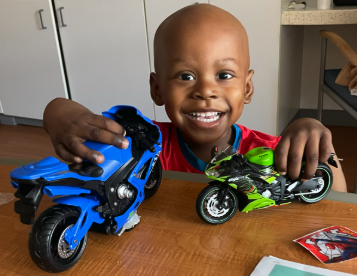
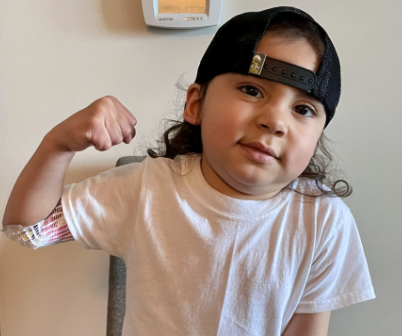
Three-year-old Kai is currently in the midst of a rigorous protocol for neuroblastoma, a cancer that develops from immature nerve cells and most commonly affects infants and young children. His treatment regimen has been exhaustive, encompassing chemotherapy, complex surgeries, and extended hospitalizations. Kai’s experience underscores the "total family" impact of the disease, where the focus shifts from normal developmental milestones to the management of clinical schedules. His family’s advocacy centers on the belief that research is the only pathway to ensuring that children can return to the simplicity of play without the shadow of illness.
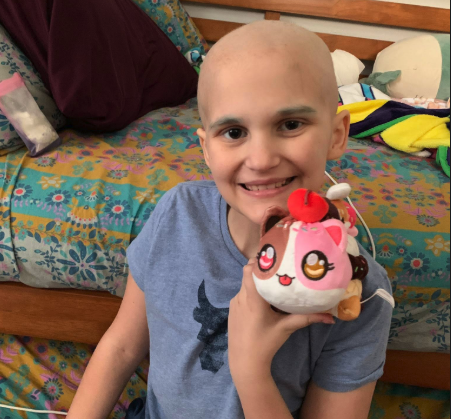
Kylie, age 10, provides a sobering look at the reality of relapsed cancer. Having first been diagnosed in 2022, she experienced a relapse in early 2025 and is now facing her third battle with the disease. Relapsed cases are notoriously difficult to treat, often requiring more aggressive protocols or experimental therapies. Kylie’s situation highlights the urgent need for research into why certain cancers return and how to develop secondary and tertiary lines of defense that offer better long-term survival rates.
Jasper, age five, is nearing a major milestone in his journey with acute lymphoblastic leukemia. He is expected to "ring the bell"—a ceremonial act signifying the end of treatment—in September 2026. His return to school and sports serves as a powerful indicator of how successful research can restore a child’s quality of life. Meanwhile, three-year-old Emma is fighting an exceptionally rare and aggressive form of acute myeloid leukemia (AML) known as the RAM phenotype. Her survival thus far has been directly attributed to innovative therapies that were only made available through recent clinical breakthroughs. Emma’s case is a prime example of how research into rare phenotypes can provide a lifeline for patients who previously had very few options.
A Legacy of Impact: Twelve Years of the Great Cycle Challenge
Since its inception, the Great Cycle Challenge has transformed the landscape of non-profit fundraising for pediatric health. The $87 million raised over the past decade has been instrumental in funding "seed grants" for researchers. These grants are critical because they allow scientists to gather the preliminary data necessary to secure larger federal grants from the National Institutes of Health (NIH) or the National Cancer Institute (NCI).
Pediatric cancer research is historically underfunded compared to adult cancers. Statistics from the American Childhood Cancer Organization suggest that only a small fraction of federal funding for cancer research is directed specifically toward pediatric-specific trials. This funding gap makes private initiatives like the Great Cycle Challenge essential. By providing the financial backbone for early-stage research, the CCRF ensures that promising new ideas do not wither in the lab due to a lack of capital.
The cumulative 38 million miles logged by participants also reflect a growing public awareness. The event is virtual, allowing participants from all 50 states to join. This decentralized model has allowed the challenge to scale rapidly, engaging everyone from professional cyclists to children on tricycles. Each mile serves as a public demonstration of support, creating a visible community for families who often feel isolated by the clinical demands of cancer treatment.
The Evolution of Treatment: From Survival to Quality of Life
The primary objective of the research funded by the Great Cycle Challenge has shifted significantly over the last decade. While increasing the five-year survival rate remains a priority, there is a burgeoning focus on the long-term health of survivors. According to the Children’s Cancer Research Fund, nearly 80% of childhood cancer survivors develop a chronic health condition as a result of their intensive treatments, such as heart disease, secondary cancers, or cognitive impairments.
Current research efforts are focused on several key areas:
- Immunotherapy: Developing treatments that harness the body’s own immune system to target cancer cells, reducing the need for systemic chemotherapy that damages healthy tissue.
- Genomic Sequencing: Identifying the specific genetic mutations driving a child’s tumor to provide "precision medicine" tailored to their unique biology.
- Late-Effect Mitigation: Studying the long-term impacts of radiation and toxic drugs to develop "kinder" treatments that preserve organ function and fertility.
The stories of ambassadors like Emma, who benefited from innovative therapies, illustrate the real-world application of these scientific pursuits. When research moves out of the lab and into the hospital room, it manifests as more time spent in classrooms and playgrounds rather than oncology wards.
Analysis of the Socioeconomic Burden of Pediatric Cancer
The implications of the Great Cycle Challenge also extend into the socioeconomic realm. Pediatric cancer is not only a medical crisis but a financial one for many American families. The costs associated with long-term travel to specialized children’s hospitals, loss of income for caregiving parents, and the high price of specialized medications can be devastating.
By funding research that leads to more efficient treatments and shorter hospital stays, the CCRF indirectly addresses these economic burdens. Furthermore, the community aspect of the Great Cycle Challenge provides a psychological buffer for families. Knowing that thousands of strangers are "riding for them" fosters a sense of solidarity that clinical data cannot provide.
From a public health perspective, the success of the Great Cycle Challenge demonstrates the power of peer-to-peer fundraising in the digital age. The ability to track miles via mobile apps and share progress on social media has turned a solitary physical activity into a collective mission. This model has been studied by other health organizations as a gold standard for engaging the public in complex medical causes.
Looking Ahead: The Future of the Fight
As the 2026 Great Cycle Challenge gains momentum, the focus remains on the ultimate goal: a world where childhood cancer is no longer a life-threatening diagnosis. The progress made over the last 12 years is substantial, but the work is far from finished. For every Jasper who rings the bell, there is a Kylie facing a relapse or an Emma battling a rare phenotype.
The Children’s Cancer Research Fund continues to emphasize that the momentum must be sustained. Science is an incremental process, and the breakthroughs of 2030 will be built on the research funded today. The 2026 ambassadors serve as a reminder that the stakes are measured in human lives and missed childhood moments.
Participants and donors interested in joining the movement can register at the official Great Cycle Challenge website. The organization provides tools for riders to track their progress, engage with their local communities, and see exactly how their contributions are being utilized in the lab. As the miles continue to add up, the hope is that the distance between a diagnosis and a cure continues to shrink.
Every mile pedaled in 2026 is a step toward a future where "maintenance therapy" is a memory and "relapse" is a word of the past. The Great Cycle Challenge remains a testament to the idea that collective action can solve the most daunting of human challenges, one mile at a time. Through the dedication of riders across the country, the research landscape is changing, offering a brighter, healthier future for Charlotte, Kai, Kylie, Jasper, Emma, and the thousands of children who will follow in their footsteps.
