
 By admin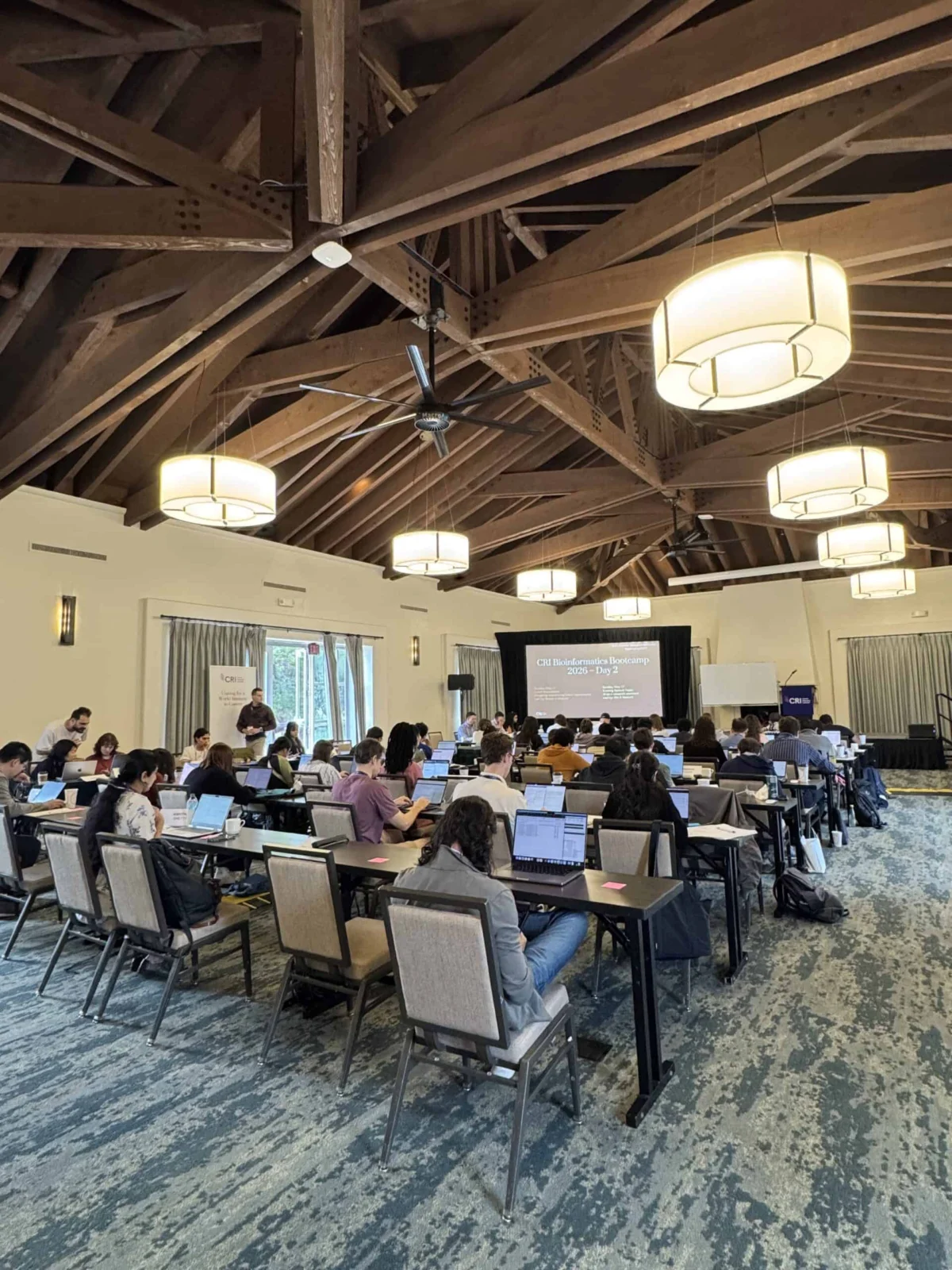
From May 16 to 22, 2026, the La Cantera Resort in San Antonio, Texas, became a pivotal hub for over 50 fellows and students, hosting the third annual Cancer Research Institute (CRI) Bioinformatics Bootcamp. This intensive, week-long program provided crucial hands-on instruction, marking a significant investment in the computational literacy of early-career scientists dedicated to advancing cancer immunotherapy. The bootcamp stands as a testament to CRI’s proactive approach in addressing the evolving demands of modern cancer research, where the ability to analyze complex biological datasets is as critical as generating them.
The Growing Imperative of Bioinformatics in Cancer Research
The landscape of cancer research has undergone a profound transformation, shifting dramatically towards a data-driven paradigm. Breakthroughs in genomic sequencing, proteomics, and single-cell technologies have led to an unprecedented explosion of biological data. What was once primarily a "wet lab" domain, focused on experimental work in biological settings, now increasingly relies on "dry lab" computational expertise to process, interpret, and extract meaningful insights from these vast datasets. This integration is not merely a convenience but a necessity, as the sheer volume and complexity of information generated – from tumor heterogeneity to immune cell interactions – far exceed the capacity for manual analysis.
Experts in the field estimate that biological data generation is growing at a rate surpassing even Moore’s Law for computing power, presenting both immense opportunities and significant challenges. The plummeting cost of sequencing, for instance, has made it routine to generate gigabytes or even terabytes of data from a single research project. Without robust bioinformatics skills, scientists risk drowning in data, unable to translate raw information into actionable biological understanding that can inform new therapies or diagnostic tools. This critical need is particularly pronounced in cancer immunotherapy, a rapidly advancing field that seeks to harness the body’s own immune system to fight cancer, often requiring intricate analysis of immune cell populations, gene expression profiles, and patient response biomarkers.
CRI’s Strategic Response: Bridging the Data Divide
Recognizing this widening gap between experimental biology and data science, the Cancer Research Institute launched its Bioinformatics Bootcamp three years ago. The program’s core mission is to equip early-career scientists, many of whom possess exceptional experimental skills but limited formal computational training, with the essential tools to navigate this data-rich environment. By empowering researchers to confidently analyze and interpret complex biological datasets, CRI aims to accelerate discoveries in cancer immunotherapy, ultimately leading to improved patient outcomes.
Christie Chang, a teaching assistant (TA) at the recent bootcamp, underscored the program’s significance: "The Bootcamp is important because it’s really bridging the gap across two fields of the wet lab and the dry lab. As technologies are evolving, we’re generating large data sets, and we need computational tools to be able to understand more complex pictures, more complex data sets, and make more complex discoveries. We’re only learning about cancer because we were able to extend lifespans, and we want to keep extending them. Technology advances so that we can live longer." This statement encapsulates the forward-thinking philosophy driving the bootcamp’s curriculum and its direct relevance to the overarching goal of extending human life through scientific advancement.
Evolution of a Critical Curriculum: From Fundamentals to Frontiers
The CRI Bioinformatics Bootcamp has continuously evolved since its inception, adapting its curriculum to the rapid pace of technological advancements and the emergent needs of the scientific community. Katie Campbell, PhD, a long-standing faculty member, reflected on this progression: "When we started the bioinformatics bootcamp just three years ago, we really focused on the basics and the fundamentals of programming. With the rapid pace of technology, there’s a rapid pace of the tools available to analyze. We have to think about how we accelerate not just the discovery but the analysis, the everyday, without taking away the necessary thought processes that have to be intrinsic to the fellows as they take on this research."
The 2026 program built upon foundational knowledge, offering practical training in a range of key bioinformatics approaches crucial for immunology and oncology research. These included, but were not limited to, next-generation sequencing analysis, single-cell technologies, advanced data visualization, and the development of robust computational workflows. Each of these areas addresses a specific challenge in cancer research:
- Next-Generation Sequencing (NGS): Essential for identifying genetic mutations, gene expression changes, and understanding tumor evolution.
- Single-Cell Technologies: Provides unprecedented resolution into cellular heterogeneity within tumors and immune microenvironments, crucial for understanding treatment resistance and identifying novel therapeutic targets.
- Data Visualization: Transforms complex numerical data into intuitive graphical representations, enabling clearer communication of findings and identification of patterns.
- Computational Workflows: Standardizes and automates data analysis pipelines, ensuring reproducibility and efficiency in research.
The faculty for this year’s bootcamp comprised five bioinformatics experts, four of whom have been integral to the program since its first iteration. Their consistent involvement has been vital in shaping and refining the curriculum, ensuring participants receive training in the most relevant and cutting-edge tools as the field continues its rapid evolution. Complementing the faculty, five dedicated teaching assistants, all with strong expertise in bioinformatics and computational biology, provided crucial one-on-one support, guiding participants through the often-challenging hands-on analyses.
Enhancing the Learning Experience: Innovations in 2026
For its third year, CRI introduced several innovative, topic-focused sessions designed to further enrich the participant experience and address specific areas of interest within the bioinformatics community. These additions underscore CRI’s commitment to providing a dynamic and responsive educational environment.
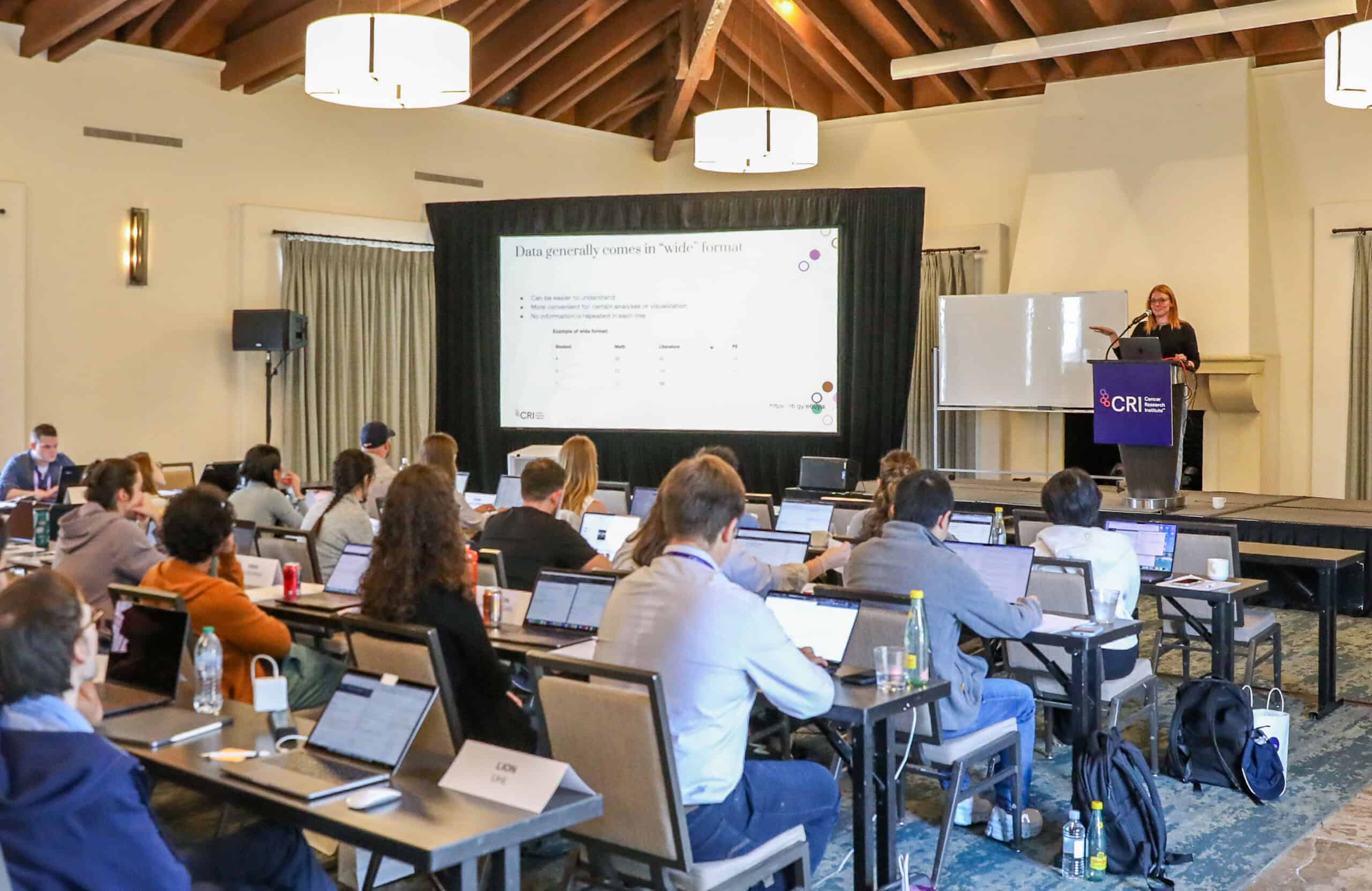
One notable innovation was the introduction of lunch-hour roundtables. Capped at 18 participants each, these intimate sessions fostered engaging discussions on specialized subjects often overlooked in broader curricula. Topics included:
- Complex Experimental Design: Guiding researchers on how to structure experiments to yield statistically robust and computationally analyzable data.
- Computational Career Pathways: Offering insights into diverse career opportunities for bioinformaticians in academia, industry, and government.
- Grant Planning for Bioinformatics: Providing practical advice on how to successfully integrate and fund bioinformatics components within grant applications.
- Coding Reproducibility: Emphasizing best practices for writing, documenting, and sharing code to ensure research findings can be replicated and validated by others.
Furthermore, additional evening sessions delved into timely and advanced topics, reflecting the forefront of computational science. These included:
- Artificial Intelligence (AI) in Research: Exploring the burgeoning applications of machine learning and AI in analyzing biological data, predicting drug responses, and identifying novel biomarkers. This session provided participants with a foundational understanding of how AI tools are revolutionizing data interpretation.
- Advanced Python Coding Techniques: Building upon core programming skills, these sessions introduced more sophisticated Python functionalities, enabling participants to tackle more complex data manipulation and analysis tasks.
These thoughtfully curated sessions were designed to provide practical tools and ideas that attendees could immediately apply to their own research, extending the learning beyond core bioinformatics techniques to encompass broader professional development and emerging technological trends.
Cultivating a Collaborative and Accessible Environment
A hallmark of the CRI Bioinformatics Bootcamp is its unwavering emphasis on accessibility, collaboration, and real-world application. The program attracts participants from highly diverse scientific backgrounds, many of whom arrive with limited prior formal computational training. This inclusive approach is fundamental to CRI’s goal of expanding computational literacy across the entire cancer research community. By demystifying bioinformatics and making advanced analytical tools approachable, the bootcamp breaks down traditional barriers, enabling a wider cohort of scientists to engage with cutting-edge data analysis.
The collaborative atmosphere is central to the learning experience. Participants work directly alongside expert faculty and peers in a supportive environment, sharing challenges and solutions. This peer-to-peer interaction, combined with one-on-one guidance from instructors, creates a dynamic learning ecosystem. Tara Muijlwijk, PhD, an attendee and CRI Dr. Keith Landesman Memorial Fellow, highlighted the broader benefits: "It’s super important to zoom out from your own research. The Bootcamp is really a great way to zoom out and to think about, okay, what am I doing, why am I doing this, and also to connect with other people, which is super important in research." This sentiment underscores the value of networking and gaining diverse perspectives, which are critical for innovative scientific breakthroughs.
Maryam Pourmaleki, PhD, another TA, further elaborated on the program’s vital role: "In today’s time, a lot of science is moving towards big data. Scientists who have phenomenal training in wet lab now need to analyze bigger multimodal data they’re generating, and the Bootcamp is giving those scientists the necessary tools to work with big data." This highlights the practical, immediate impact the bootcamp has on individual researchers’ capabilities.
Broader Impact and Implications for Immunotherapy
Beyond technical skill-building, the CRI Bioinformatics Bootcamp embodies the organization’s broader commitment to accelerating progress in immunotherapy through education, innovation, and interdisciplinary collaboration. By empowering researchers to better harness complex datasets, the program directly contributes to driving discoveries that may ultimately revolutionize how cancers are understood, diagnosed, and treated. The ability to analyze high-dimensional data is crucial for:
- Identifying novel therapeutic targets: Uncovering new vulnerabilities in cancer cells or pathways that can be modulated by immunotherapies.
- Predicting patient response: Developing biomarkers that can guide personalized treatment strategies, ensuring the right therapy for the right patient.
- Understanding resistance mechanisms: Deciphering why some patients do not respond to immunotherapy, paving the way for combination therapies or new approaches.
- Accelerating drug discovery: Streamlining the preclinical and clinical development of new immunotherapeutic agents through data-driven insights.
The bootcamp fosters a growing network of scientists united by a shared, ambitious goal: advancing the future of cancer immunotherapy through data-informed research. Participants depart not only with enhanced analytical capabilities but also with significantly greater confidence in integrating bioinformatics into their own scientific work and collaborations. This ripple effect extends far beyond the individual, strengthening the collective capacity of the cancer research community.
Jia Yu (Jennifer) Ye, PhD, a bootcamp attendee and CRI Immunoinformatics Postdoctoral Fellow, captured the essence of the experience: "It’s just such an amazing opportunity offered by CRI to really help learn all of the informatics skills more systematically, rather than just chatting with an AI engine." This perspective emphasizes the unique value of structured, expert-led training over fragmented, less systematic learning approaches, particularly in a field as critical as cancer research.
Future Outlook: Investing in the Next Generation of Discovery
More than merely a training program, the CRI Bioinformatics Bootcamp represents a strategic investment in the future of cancer research. By fostering curiosity, collaboration, and computational confidence, the program equips emerging scientists to push the boundaries of discovery. As the complexity of cancer and the sophistication of immunotherapy continue to grow, the demand for researchers proficient in bioinformatics will only intensify. Programs like the CRI Bioinformatics Bootcamp are therefore not just beneficial, but essential, in nurturing the talent that will drive the next generation of breakthroughs in cancer immunotherapy and contribute to a world where cancer is no longer a death sentence. The continued success and evolution of this bootcamp are poised to play a vital role in shaping the trajectory of cancer research for years to come.
