
 By Nana O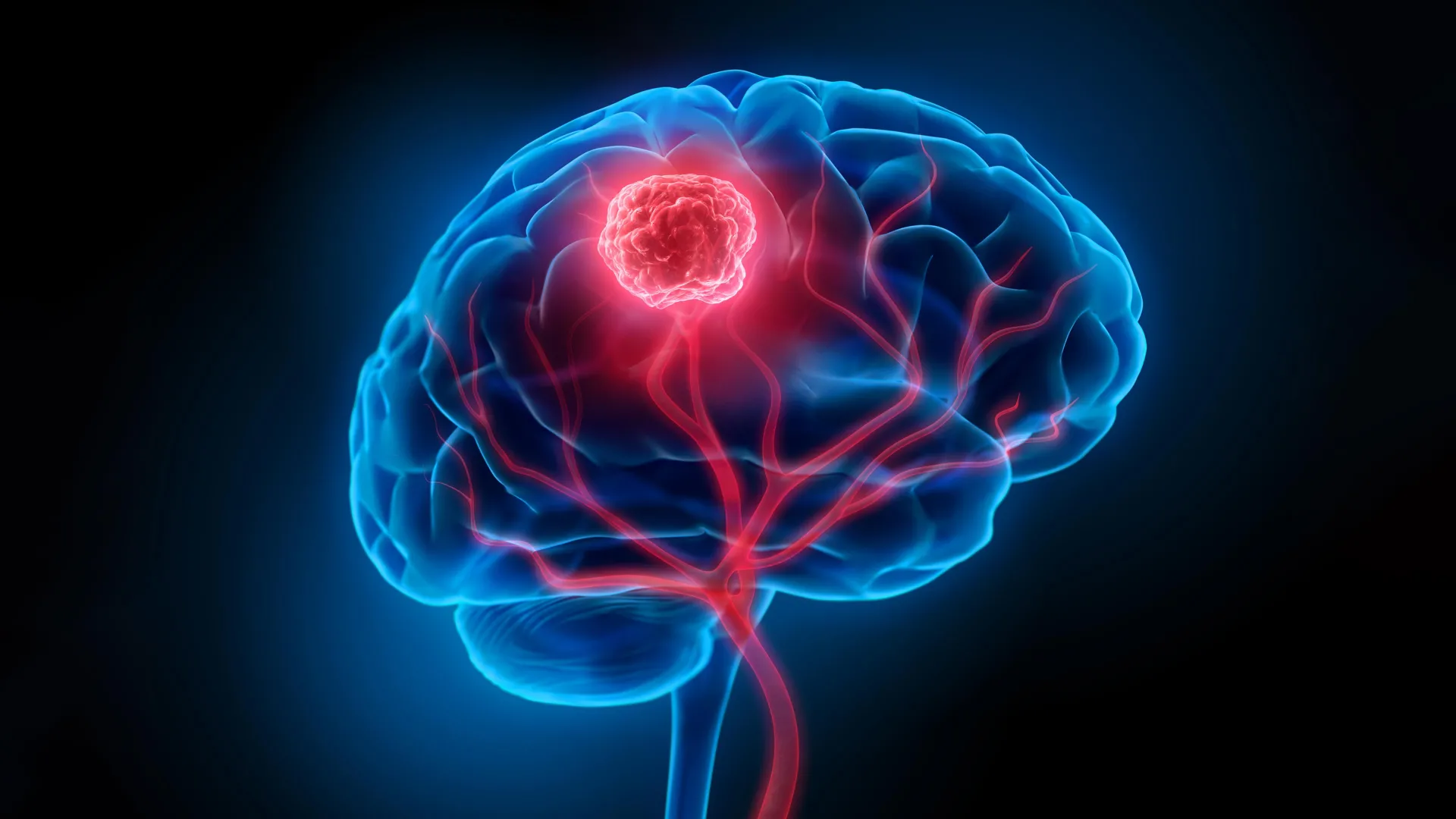
A groundbreaking study spearheaded by a collaborative team of Canadian researchers from McMaster University and The Hospital for Sick Children (SickKids) has unveiled a novel therapeutic avenue for tackling glioblastoma, the most aggressive and currently intractable form of brain cancer. The findings, published in the esteemed journal Neuron, not only illuminate a previously underappreciated mechanism by which these devastating tumors proliferate but also pinpoint an existing drug, utilized in HIV treatment, as a potential weapon against this formidable disease. This discovery offers a much-needed glimmer of hope for patients facing a grim prognosis, where survival is often measured in mere months.
Deciphering the Glioblastoma Ecosystem: A Paradigm Shift in Understanding
For years, the scientific community has understood glioblastoma as a complex entity, not merely a homogenous mass of cancerous cells but a dynamic "ecosystem" where various cellular players interact to foster tumor survival and expansion. This new research delves deeper into this ecosystem, revealing that certain brain cells, long considered solely supportive of normal neuronal function, can be co-opted by glioblastoma to fuel its relentless growth and metastasis. Specifically, the study identifies oligodendrocytes, the glial cells responsible for producing the myelin sheath that insulates nerve fibers and facilitates rapid signal transmission, as critical enablers of tumor progression.
Instead of fulfilling their protective role, these oligodendrocytes, under the influence of the tumor, can undergo a significant behavioral shift. They begin to actively contribute to the glioblastoma’s survival and spread by engaging in a sophisticated signaling dialogue with cancer cells. This intricate communication network establishes an environment conducive to tumor growth, effectively strengthening the malignant cells and promoting their ability to invade surrounding brain tissue.
"Glioblastoma isn’t just a mass of cancer cells, it’s an ecosystem," states Sheila Singh, co-senior author of the study and Professor of Surgery at McMaster University. "By decoding how these cells talk to each other, we’ve found a vulnerability that could be targeted with a drug that’s already on the market." Professor Singh, who also directs the Centre for Discovery in Cancer Research at McMaster, emphasized the significance of this revelation, highlighting a departure from viewing cancer cells in isolation to understanding their intricate interdependencies within the tumor microenvironment.
The research team’s meticulous investigation involved sophisticated laboratory models where they were able to meticulously block this newly identified communication pathway between the rogue oligodendrocytes and the glioblastoma cells. The results were striking: a significant and measurable reduction in tumor growth was observed. This empirical evidence underscores the critical importance of this intercellular dialogue in sustaining the life and virulence of glioblastoma.
The Maraviroc Connection: Repurposing an HIV Drug for Brain Cancer
Perhaps the most compelling aspect of this research is the identification of a potential therapeutic agent that could directly counter this newly discovered vulnerability. The signaling process that facilitates glioblastoma growth involves a specific receptor known as CCR5. Crucially, this very receptor is the target of Maraviroc, a well-established and approved medication used in the treatment of Human Immunodeficiency Virus (HIV) infection.
The implications of repurposing an existing drug are profound. Unlike novel drug development, which can be a lengthy and arduous process often spanning over a decade and costing billions of dollars, a drug already approved for human use has undergone rigorous safety and efficacy testing. This significantly accelerates the timeline for potential clinical application, offering a more immediate prospect for patients who currently have access to very few effective treatment options.
"The cellular ecosystem within glioblastoma is far more dynamic than previously understood," explains Jason Moffat, co-senior author of the study, Senior Scientist, and Head of the Genetics & Genome Biology program at SickKids. "In uncovering an important piece of the cancer’s biology, we also identified a potential therapeutic target that could be addressed with an existing drug. This finding opens a promising path to explore whether blocking this pathway can speed progress toward new treatment options for patients." Moffat’s statement underscores the dual triumph of the research: both fundamental scientific discovery and the immediate translation of that knowledge into a tangible therapeutic possibility.
The CCR5 receptor plays a pivotal role in the migration and homing of certain immune cells, and its involvement in HIV is well-documented, as it serves as an entry point for the virus into host cells. The discovery that glioblastoma cells also leverage this receptor, and that oligodendrocytes provide the signaling necessary to activate it in a manner that promotes tumor growth, represents a critical convergence of biological understanding.
A Timeline of Discovery: Building on Foundational Research
This latest breakthrough is not an isolated incident but rather a culmination of sustained research efforts by Professors Singh and Moffat and their respective teams. Their work builds directly upon earlier foundational discoveries published in Nature Medicine in 2024. In that prior study, the researchers had already established that glioblastoma cells possess an uncanny ability to exploit developmental pathways that are normally active during brain development to facilitate their own spread. This earlier work had already hinted at the intricate interplay between cancer cells and their surrounding environment, setting the stage for the current investigation into the specific cellular partners and communication mechanisms involved.
The current study, therefore, represents a significant advancement in translating that earlier insight into a concrete therapeutic strategy. It moves beyond the general concept of exploiting developmental pathways to pinpoint specific cell types and signaling molecules that can be targeted. This chronological progression of research demonstrates a systematic and deepening understanding of glioblastoma biology, moving from broad principles to specific, actionable targets.
The research was generously supported by the 2020 William Donald Nash Brain Tumour Research Fellowship and the Canadian Institutes of Health Research, underscoring the national commitment to advancing brain cancer research. Professor Singh holds a prestigious Tier 1 Canada Research Chair in Human Cancer Stem Cell Biology, a testament to her pioneering work in the field. Professor Moffat holds the GlaxoSmithKline Chair in Genetics & Genome Biology at The Hospital for Sick Children, further highlighting his significant contributions to genetic and genomic research in disease.
Supporting Data and Laboratory Insights
The study meticulously detailed the signaling pathways involved. Researchers observed that oligodendrocytes express specific ligands that bind to the CCR5 receptor on glioblastoma cells. This binding event triggers intracellular signaling cascades within the tumor cells, leading to increased proliferation, enhanced migratory capacity, and improved resistance to apoptotic signals (programmed cell death).
In their laboratory experiments, the team utilized a range of techniques, including immunohistochemistry, in-situ hybridization, and advanced microscopy to visualize the interactions between glioblastoma cells and oligodendrocytes. They also employed genetically engineered cell lines and animal models to precisely manipulate and observe the effects of blocking the CCR5 signaling pathway. The quantitative data gathered from these experiments demonstrated a dose-dependent reduction in tumor volume and an increase in survival rates in models treated with Maraviroc or experimental compounds designed to inhibit CCR5 signaling.
While specific numerical data on survival improvements or tumor reduction percentages are typically presented in the full scientific publication, the consistent and significant impact observed across multiple experimental setups provides robust evidence for the efficacy of targeting this pathway. The researchers also investigated the potential for resistance mechanisms, a common challenge in cancer therapy, and found that initial data suggests this pathway may offer a durable therapeutic window, though further investigation is ongoing.
Broader Impact and Future Directions
The implications of this research extend far beyond the immediate prospect of a new treatment for glioblastoma. It signifies a broader shift in cancer research, emphasizing the importance of understanding the tumor microenvironment and the complex cellular interactions that govern cancer progression. By identifying oligodendrocytes as key collaborators with glioblastoma, this study opens up new avenues for investigating the role of other glial cell types in various neurological cancers.
The success of repurposing Maraviroc also serves as a powerful model for future drug development strategies. It highlights the untapped potential of existing pharmaceutical arsenals and encourages a more systematic exploration of approved drugs for new therapeutic applications, particularly for diseases with limited treatment options.
The research team is already planning the next steps, which include conducting preclinical studies to further validate the efficacy and safety of Maraviroc in more complex animal models that more closely mimic human glioblastoma. They are also actively seeking collaborations with clinical oncologists to design and initiate human clinical trials. The ultimate goal is to translate these promising laboratory findings into a tangible benefit for patients, offering them a new weapon against a disease that has historically been devastating.
The identification of the CCR5 pathway as a critical component of glioblastoma’s survival mechanism represents a significant step forward in the fight against this relentless cancer. Coupled with the potential to repurpose an existing, well-tolerated drug, this Canadian-led research offers a beacon of hope and a testament to the power of persistent scientific inquiry in the face of seemingly insurmountable medical challenges. The ongoing work by these dedicated researchers could fundamentally alter the treatment landscape for glioblastoma patients worldwide.
