
 By admin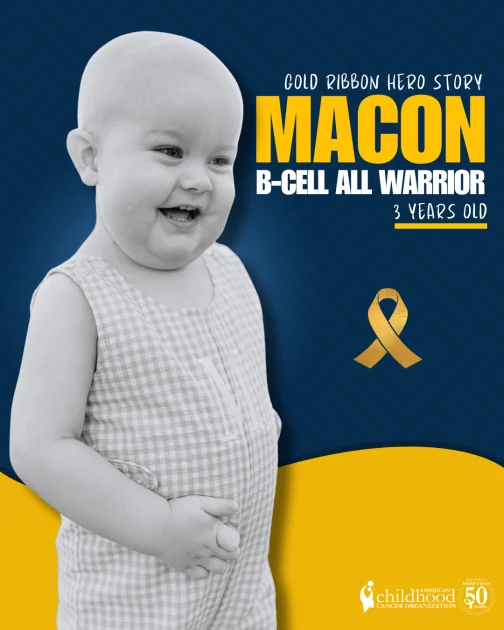
The speed at which a childhood cancer diagnosis unfolds is often one of the most traumatizing aspects for families. Within hours of the initial screening, further diagnostic testing in the emergency room confirmed the presence of leukemia. Madeline, Macon’s mother, described the experience as one of profound shock and disbelief, particularly because Macon had presented no visible symptoms of illness. He appeared to be a perfectly healthy, active toddler, illustrating the silent and aggressive nature of pediatric blood cancers. This lack of symptomatic warning signs underscores the critical importance of routine pediatric screenings, which can detect internal anomalies before they manifest as physical ailments.
Understanding B-Cell Acute Lymphoblastic Leukemia
B-Cell Acute Lymphoblastic Leukemia is a type of cancer in which the bone marrow makes too many immature lymphocytes, a type of white blood cell. These "blast" cells are abnormal and do not function like healthy white blood cells; instead, they crowd out healthy red blood cells, white blood cells, and platelets. This can lead to infection, anemia, and easy bleeding. B-ALL is the most common form of childhood cancer, accounting for approximately 75% to 80% of all pediatric leukemia cases.
While a diagnosis of B-ALL is devastating, medical advancements over the last several decades have significantly improved the prognosis for young patients. According to the American Cancer Society and the National Cancer Institute, the five-year survival rate for children with ALL has risen to approximately 90%. However, achieving remission and long-term survival requires an intensive, multi-phase treatment protocol that typically spans two to three years. For Macon, this journey began immediately upon diagnosis, involving a complex regimen of chemotherapy and surgical interventions.
The Challenges of Early Treatment and Medical Complications
Macon’s entry into the world of pediatric oncology was fraught with complications that extended beyond the cancer itself. To facilitate the delivery of chemotherapy and the frequent drawing of blood, surgeons placed a "port"—an implanted device under the skin—into Macon’s chest. However, the procedure was complicated by a serious staph infection in his bloodstream, a common but dangerous risk for immunocompromised patients. This necessitated the removal and subsequent replacement of the port, adding a layer of surgical trauma to an already fragile situation.
The treatment for B-ALL is notoriously rigorous, especially for a toddler. Macon’s regimen has included systemic chemotherapy and multiple lumbar punctures, also known as spinal taps. These procedures are essential for both diagnosis and treatment; they allow doctors to check for the presence of leukemia cells in the cerebrospinal fluid and to administer "intrathecal" chemotherapy directly into the central nervous system to prevent the cancer from spreading to the brain or spinal cord.
In addition to these measures, Macon has undergone several bone marrow biopsies. These procedures involve the extraction of a small sample of bone marrow, usually from the hip bone, to monitor how the disease is responding to treatment. For a child Macon’s age, these interventions are frequent and invasive, occurring as often as every six weeks during certain phases of the protocol.
A Chronology of Treatment and Resilience
Macon has recently completed his first full year of treatment, a milestone that represents the most intensive "induction" and "consolidation" phases of leukemia therapy. During the induction phase, the goal is to kill the leukemia cells in the blood and bone marrow to put the cancer into remission. This is followed by consolidation (or intensification) therapy to eliminate any remaining undetected cells.
Currently, Macon is in the "maintenance" phase of his treatment. This stage is designed to prevent the cancer from returning and typically lasts for two years or more. While maintenance chemotherapy is generally less intensive than the earlier stages, it still requires constant vigilance, daily oral medications, and frequent hospital visits for intravenous treatments and monitoring.
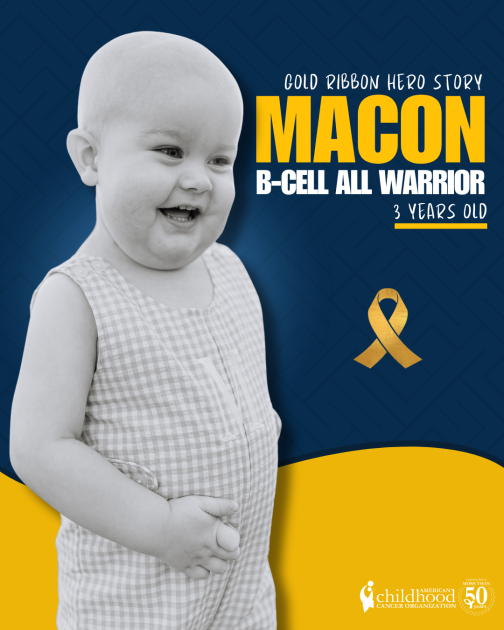
Despite the physical toll of the medication and the psychological weight of frequent hospitalizations, Macon’s family reports that he has handled the chemotherapy with remarkable resilience. His mother, Madeline, notes that his weekly blood work continues to show no circulating leukemia cells, a sign that the treatment is working exactly as intended. Macon remains an active and playful child, finding joy in the outdoors, riding toys, and spending time with his sister. This ability to maintain a sense of normalcy and childhood wonder is often cited by pediatric oncologists as a vital component of a child’s overall well-being during long-term treatment.
The Road to May 2027: The Significance of "Ringing the Bell"
If Macon’s treatment continues to progress without further complications, he is scheduled to complete his therapy and "ring the bell" in May 2027. In the world of oncology, ringing the bell is a symbolic ceremony that marks the end of active treatment. For Macon, this will represent the conclusion of a three-year odyssey that occupied the majority of his early childhood.
The timeline for B-ALL treatment is purposefully long. Because leukemia cells can be elusive and have a high rate of recurrence if not fully eradicated, the multi-year maintenance phase is a clinical necessity. For the family, the May 2027 date serves as a beacon of hope, though it also requires a sustained commitment to medical appointments, infection prevention, and the management of long-term side effects that can result from prolonged chemotherapy exposure.
Broader Implications and the Reality of Pediatric Cancer Research
Macon’s story highlights several critical issues within the landscape of pediatric healthcare. First is the necessity of the "well-child" visit. Many parents may feel inclined to skip these appointments if their child appears healthy, but as Macon’s case demonstrates, clinical screenings are often the only way to detect life-threatening conditions before they become symptomatic.
Second, the case brings attention to the ongoing need for pediatric-specific cancer research. While survival rates for ALL are high, the treatments used—many of which were developed decades ago—are harsh and can cause "late effects" such as heart damage, secondary cancers, or developmental delays. Organizations like the American Childhood Cancer Organization (ACCO) advocate for increased federal funding for pediatric cancer research, which currently receives a disproportionately small percentage of the National Cancer Institute’s budget compared to adult cancers.
According to data from the ACCO, childhood cancer is the leading cause of death by disease for children in the United States. Each year, more than 15,000 children and adolescents are diagnosed with cancer. The financial and emotional burden on families is immense, often requiring one parent to leave the workforce to manage the child’s care, as seen in the intensive monitoring required for patients like Macon.
Community Support and the Fight Against Childhood Cancer
The phrase "kids can’t fight cancer alone" is a central tenet of the advocacy movement surrounding pediatric oncology. The support systems required for a child like Macon extend far beyond the medical team; they include extended family, community donors, and national organizations that provide resources for navigation, financial assistance, and emotional support.
As Macon continues his journey toward the 2027 milestone, his progress serves as both a testament to modern medical science and a reminder of the fragility of health. His story is one of thousands that underscore the importance of early detection, the resilience of the human spirit, and the ongoing necessity of medical advancement. The objective for the medical community and advocacy groups remains clear: to continue refining treatments so that they are not only effective in curing the disease but also less taxing on the developing bodies of young "warriors" like Macon.
For now, Macon remains in active treatment, a playful three-year-old whose life is a blend of playground laughter and clinical precision. His family remains focused on the day he will finally ring the bell, signaling the end of a battle that began with a single, unexpected finger-prick blood test. Through continued research, public awareness, and the dedication of medical professionals, the hope is that more children like Macon will not only survive their diagnosis but go on to lead long, healthy lives free from the shadow of leukemia.
