
 By admin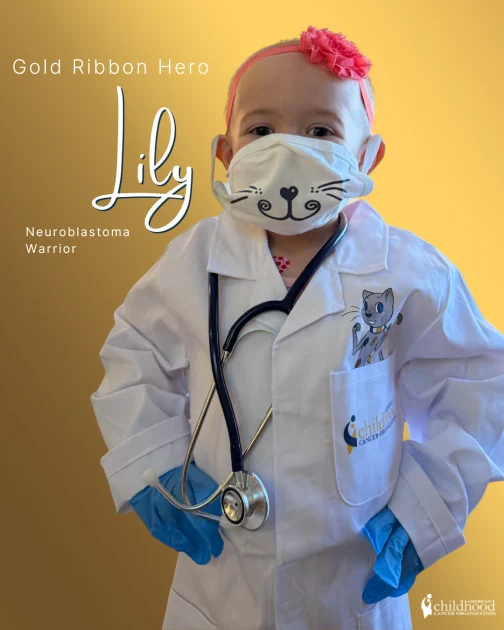
The medical journey of Lily, a two-year-old child diagnosed with high-risk neuroblastoma, has highlighted the aggressive nature of pediatric cancers and the complexities involved in treating recurrent disease. After initially achieving remission in late 2025, Lily is currently undergoing a second intensive treatment protocol following a relapse that manifested in the brain. Her case underscores a broader clinical challenge in pediatric oncology: the management of central nervous system (CNS) involvement in neuroblastoma, a condition that remains one of the most difficult hurdles for medical professionals and families alike.
The Initial Diagnosis and Clinical Presentation
The clinical history began when Lily was 18 months old. At an age where developmental milestones typically dominate family life, she began experiencing persistent abdominal discomfort. Her parents initially sought medical attention for what appeared to be common childhood constipation. However, when standard remedies failed to alleviate the pain, the family sought emergency medical evaluation.
Diagnostic imaging, including ultrasounds and CT scans, revealed the presence of a large, solid mass located within her abdomen. Subsequent biopsies and staging confirmed a diagnosis of neuroblastoma. Neuroblastoma is an extracranial solid tumor that originates in the primordial neural crest cells, which are precursors to the sympathetic nervous system. It is the most common cancer diagnosed in infants, accounting for approximately 7% to 10% of all pediatric oncology cases.
The Standard of Care for High-Risk Neuroblastoma
Given the aggressive nature of the tumor, Lily was placed on a multi-modality treatment plan consistent with the standard of care for high-risk neuroblastoma. This regimen is widely considered one of the most grueling in all of medicine, designed to eradicate rapidly dividing cancer cells throughout the body.
The first phase of her treatment involved induction chemotherapy, utilizing a combination of potent cytotoxic agents to shrink the primary tumor and address any micrometastatic disease. This was followed by surgical resection, a delicate procedure aimed at removing as much of the abdominal mass as possible while sparing vital organs and blood vessels.
Following surgery, the protocol moved into the consolidation phase, which included high-dose chemotherapy and autologous bone marrow transplants. In this process, Lily’s own stem cells were harvested, stored, and then reinfused to rescue her immune system after it had been intentionally decimated by lethal doses of chemotherapy. To address any remaining local disease, she underwent external beam radiation therapy targeted at the original tumor site. Finally, she entered the maintenance phase, which utilized immunotherapy—specifically monoclonal antibodies designed to train the immune system to recognize and destroy neuroblastoma cells—and retinoids to encourage any remaining cancer cells to mature into normal nerve cells.
Achieving Remission and the Sudden Relapse
By September 2025, after months of intensive intervention, Lily’s clinical team declared her to be in remission. This milestone is often the goal of primary treatment, offering families a period of stability and hope. For two months, Lily returned to a semblance of normal childhood, described by her mother as a "spicy," playful, and loving toddler who inspired those around her with her resilience.
However, the reprieve was short-lived. In November 2025, only eight weeks after completing her initial treatment, Lily began experiencing recurring headaches. Recognizing the potential gravity of new neurological symptoms in a cancer survivor, her parents acted with urgency. Subsequent imaging and diagnostic tests confirmed the worst-case scenario: the neuroblastoma had returned, but this time it had localized in the brain.
The Challenges of Central Nervous System (CNS) Relapse
The recurrence of neuroblastoma in the central nervous system presents a significant therapeutic challenge. Historically, the blood-brain barrier—a highly selective semipermeable border that prevents solutes in the circulating blood from non-selectively crossing into the extracellular fluid of the central nervous system—has acted as a "sanctuary site" for cancer cells. While systemic chemotherapy effectively treats tumors in the abdomen or bone marrow, many of these drugs cannot penetrate the brain in sufficient concentrations to kill sequestered cancer cells.
A CNS relapse requires a specialized and immediate response. Lily’s second battle began with emergency brain surgery to remove the new tumor mass and alleviate intracranial pressure. Following the surgery, she was placed back on a regimen that includes a combination of chemotherapy agents known to cross the blood-brain barrier, targeted immunotherapy, and localized radiation.
Understanding Neuroblastoma: Data and Statistics
Neuroblastoma is characterized by its clinical heterogeneity, ranging from tumors that spontaneously regress to those that are highly resistant to all known therapies. In the United States, approximately 700 to 800 new cases are diagnosed annually. It is a disease of the very young, with the median age of diagnosis being approximately 17 months.
According to data from the American Cancer Society and the National Cancer Institute, the five-year survival rate for neuroblastoma has improved significantly over the last few decades, rising from roughly 15% in the 1970s to about 80% for low- and intermediate-risk groups today. However, for high-risk patients—a category Lily likely falls into given the intensity of her treatment—the long-term survival rate remains closer to 50%. When a relapse occurs, particularly in the brain, the prognosis becomes significantly more guarded, necessitating experimental protocols and enrollment in clinical trials.
The Economic and Social Impact on Families
The burden of pediatric cancer extends far beyond the clinical setting. For families like Lily’s, a diagnosis of neuroblastoma triggers a cascade of logistical, financial, and emotional stressors. The requirement for frequent hospitalizations, often at specialized pediatric oncology centers that may be far from home, can lead to parental job loss or significant loss of income.
The American Childhood Cancer Organization (ACCO), an advocacy group that has shared Lily’s story, emphasizes that "kids can’t fight cancer alone." The organization highlights the necessity of community support and specialized resources to help families navigate the complexities of the healthcare system. The financial cost of high-risk neuroblastoma treatment, including bone marrow transplants and immunotherapy, can reach hundreds of thousands of dollars, placing an immense strain on household stability.
Statements and Reactions from the Advocacy Community
Advocates for pediatric cancer research often point to cases like Lily’s to illustrate the urgent need for increased federal funding. Despite the life-threatening nature of these diseases, pediatric cancer research receives a disproportionately small fraction of the National Cancer Institute’s budget compared to adult cancers.
"Lily’s story is a testament to the incredible strength of these children, but it is also a call to action," a spokesperson for pediatric health advocacy noted in a generalized statement regarding relapse cases. "When we see a child achieve remission only to face a CNS relapse weeks later, it tells us that our current ‘standard of care’ is not yet enough. We need more targeted therapies that can reach sanctuary sites like the brain without causing long-term developmental damage to the child."
Lily’s mother has described her daughter as "endlessly inspiring," a sentiment echoed by the medical staff who witness the "spicy" personality that persists even through the side effects of radiation and chemotherapy. This resilience is a hallmark of pediatric patients, yet medical professionals warn that resilience should not be a substitute for more effective, less toxic treatments.
Broader Implications and Future Outlook
The management of Lily’s case reflects the cutting edge of pediatric oncology, where doctors are increasingly looking toward precision medicine. Genomic sequencing of relapsed tumors is becoming more common, allowing clinicians to identify specific mutations that might be targeted by newer, experimental drugs.
Current research into neuroblastoma is focusing on several key areas:
- Liquid Biopsies: Developing ways to detect relapse earlier through blood tests rather than waiting for symptoms like headaches to appear.
- CAR-T Cell Therapy: Engineering a patient’s own T-cells to recognize and attack neuroblastoma cells, a method that has shown success in leukemia and is being tested for solid tumors.
- ALK Inhibitors: For patients whose tumors have a mutation in the ALK gene, targeted inhibitors are providing a new avenue for treatment.
- Improved CNS Delivery: Testing new methods to deliver chemotherapy directly into the spinal fluid or using "nanoparticles" to bypass the blood-brain barrier.
As Lily continues her current round of chemotherapy, immunotherapy, and radiation, her progress will be closely monitored by a multidisciplinary team. Her journey serves as a poignant reminder of the volatility of pediatric cancer and the persistent spirit of those tasked with fighting it. While the medical community continues to seek a definitive cure, the focus for Lily remains on stabilizing her condition and reclaiming the childhood that the relapse interrupted.
The fight against neuroblastoma is a marathon, not a sprint, involving not just the patient and their family, but a global network of researchers, donors, and advocates. Through the efforts of organizations like the ACCO and the participation of families in clinical registries, each case contributes to a growing body of knowledge that aims to ensure that one day, no two-year-old has to face a second battle with this disease.
