
 By admin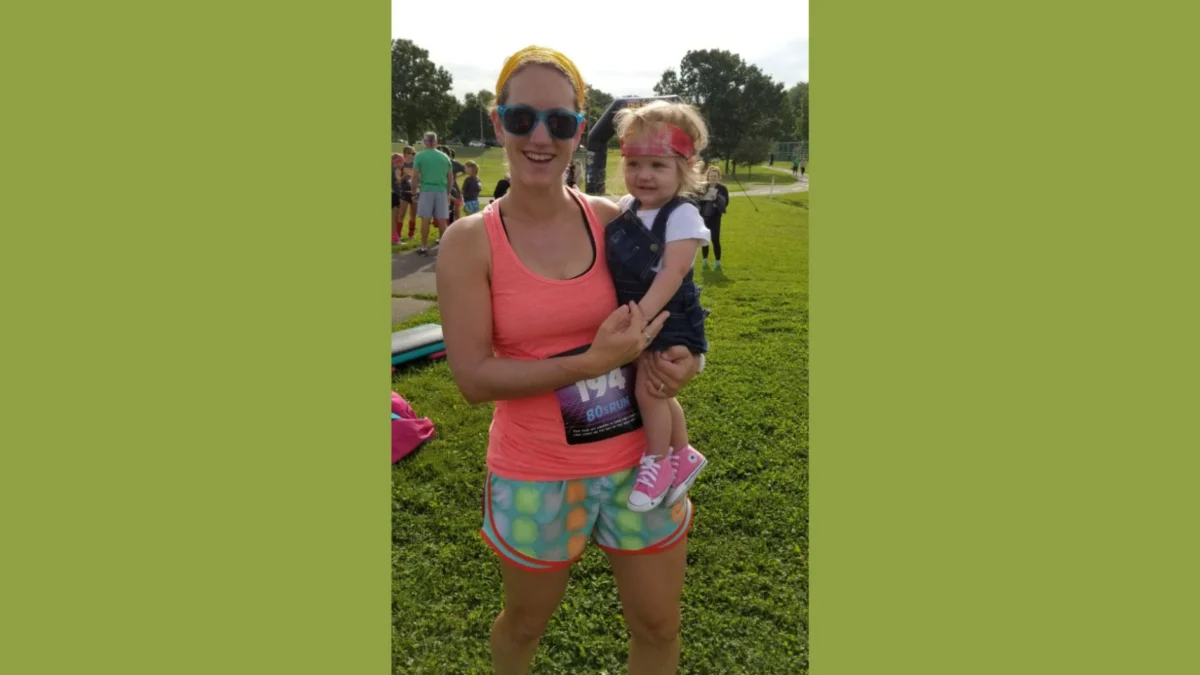
The scenic vistas of the North Shore and the grueling 26.2-mile stretch of Highway 61 will once again serve as the backdrop for Grandma’s Marathon in Duluth, Minnesota. While thousands of participants will descend upon the city for personal bests and athletic milestones, a dedicated contingent known as Team CCRF is running with a mandate that extends far beyond the finish line. Representing the Children’s Cancer Research Fund (CCRF), these athletes are leveraging the platform of one of the nation’s premier distance races to secure funding for pediatric oncology research, a field that experts say remains critically underfunded despite being the leading cause of death by disease for children in the United States.
Among the runners this year are Tim Lapping, a clinical researcher from Kansas City, and Tami Swenson, a veteran marathoner from California. Their journeys to the starting line in Two Harbors are marked by personal loss, professional insight, and a shared commitment to ensuring that future generations of children diagnosed with cancer have access to the same life-saving breakthroughs that have begun to shift the survival landscape for pediatric patients.
The Context and History of Grandma’s Marathon
Grandma’s Marathon, established in 1977, has grown from a local race with 150 participants into a world-class event attracting over 20,000 runners across its various weekend races, including the Garry Bjorklund Half Marathon and the William A. Irvin 5K. The course is renowned for its point-to-point route that follows the shoreline of Lake Superior, offering a cool climate and a net-downhill elevation profile that makes it a favorite for those seeking Boston Marathon qualifying times.
However, the event’s significance has evolved to include a massive philanthropic component. Charitable organizations like the Children’s Cancer Research Fund utilize the marathon as a primary fundraising vehicle. By providing "charity bibs" to runners who pledge to raise specific monetary goals, CCRF and similar entities transform the individual pursuit of long-distance running into a collective effort to address public health crises.
Tim Lapping: A Researcher’s Professional and Personal Mission
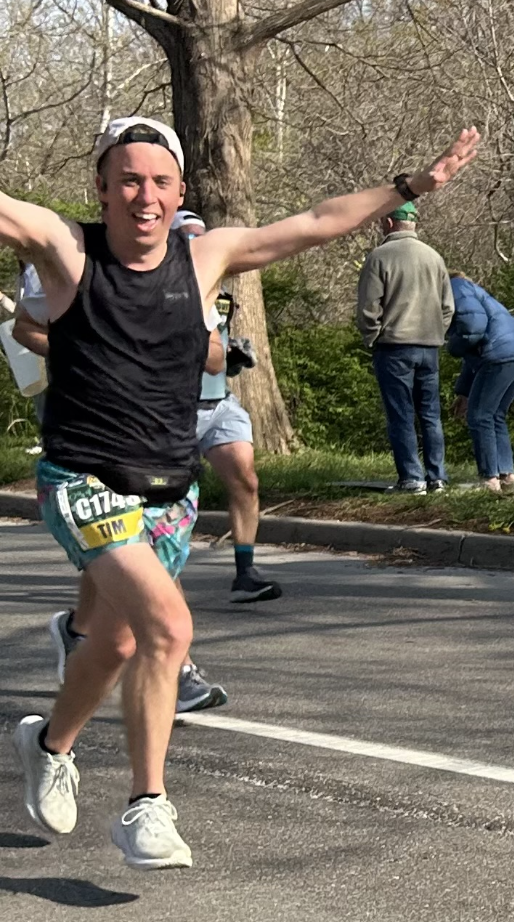
For Tim Lapping, the decision to participate in his first-ever marathon was born from a unique intersection of his professional career and his family life. Lapping has spent more than a decade working in the clinical research sector, specifically focusing on oncology studies at a children’s hospital in Kansas City. His daily work involves the rigorous administration of clinical trials, where he observes the direct impact of donor-funded research on patient outcomes.
Lapping’s professional understanding of the "bench-to-bedside" pipeline—the process by which laboratory discoveries become viable treatments—became intensely personal when his nephew was diagnosed with leukemia at the age of four.
"He’s been cancer-free for about two years now, and I know that wouldn’t have been possible without years and years of research," Lapping stated. His nephew’s recovery is a testament to the advancements in leukemia treatment, which has seen survival rates for certain types, like Acute Lymphoblastic Leukemia (ALL), rise from under 10% in the 1960s to over 90% today.
Lapping’s training regimen involves four days of running per week, balancing the physical demands of marathon preparation with his professional responsibilities and family life. For him, the fundraising aspect of the race provides a psychological anchor during the most difficult miles of training. He views the 26.2-mile challenge as a metaphor for the long-term struggle of cancer treatment, noting that the ability to contribute to a noble cause elevates the personal challenge into a broader social contribution.
Tami Swenson: Running Through Grief and Legacy
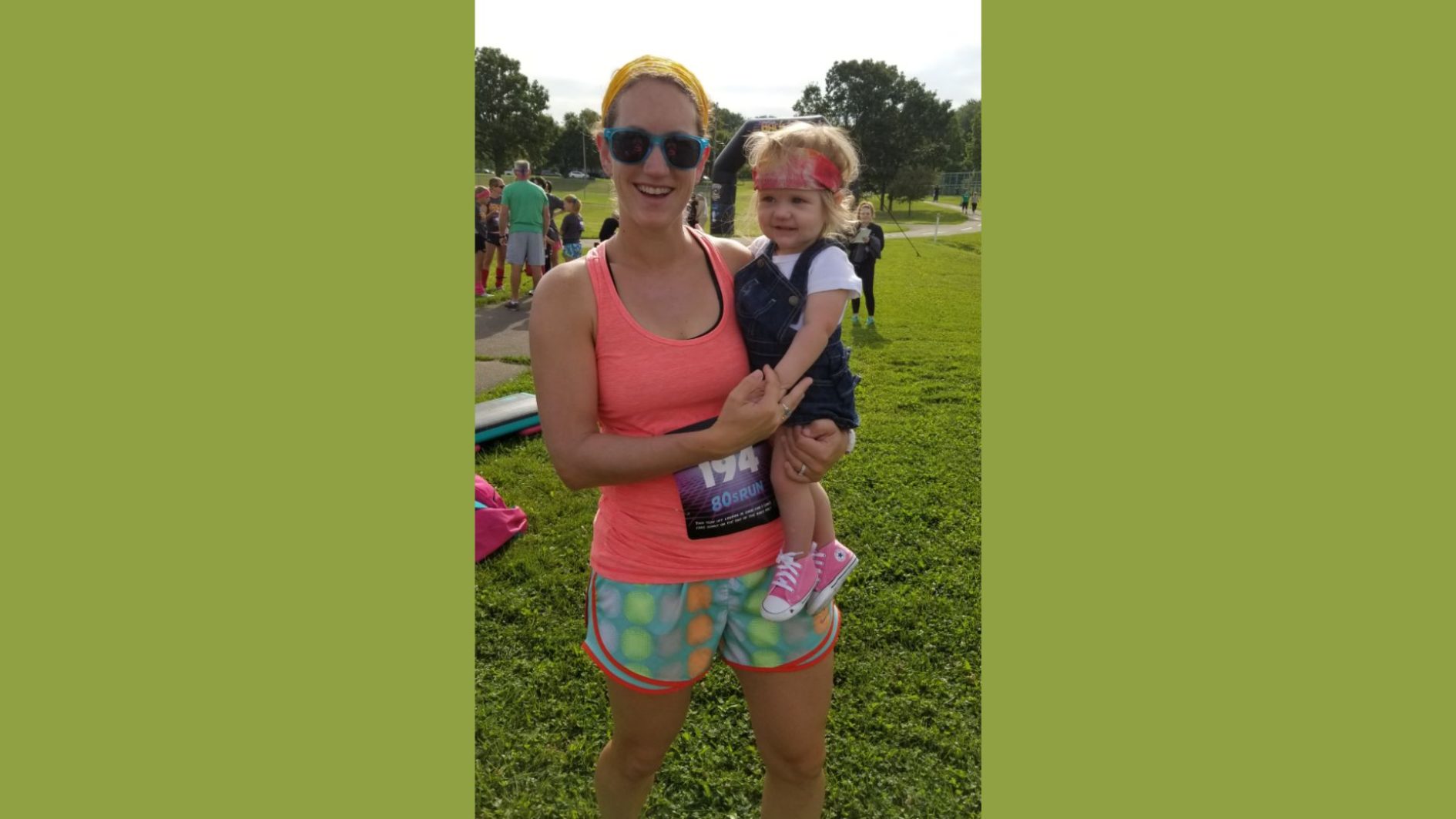
While Lapping runs to celebrate a recovery, Tami Swenson runs to honor a legacy. Swenson, an experienced athlete who has completed over 15 marathons across California, is traveling to Minnesota to participate in Grandma’s Marathon for the first time. Her motivation is rooted in the memory of her daughter, Ada, who passed away in 2023 at the age of five.
Ada’s battle with leukemia lasted 15 months and included a comprehensive battery of modern medical interventions: intensive chemotherapy, a bone marrow transplant, and participation in two separate clinical trials. Throughout her treatment, Ada became a symbol of resilience within her community, often seen riding her bicycle through hospital hallways and carrying "C.C. Bear," a teddy bear provided by the Children’s Cancer Research Fund to children undergoing treatment.
For Swenson, the marathon serves as a venue for both remembrance and advocacy. "When I’m having a tough time training, thinking about why I’m doing it gets me through the miles," she shared. Her participation highlights the reality that despite high survival rates for some pediatric cancers, others remain stubbornly resistant to current therapies, necessitating continued investment in high-risk, high-reward research.
Supporting Data: The Funding Gap in Pediatric Oncology
The efforts of Team CCRF runners are set against a backdrop of significant funding disparities in the cancer research community. According to data from the National Cancer Institute (NCI), pediatric cancer research receives only about 4% of the total federal budget allocated for cancer research. This "funding gap" means that many promising avenues for childhood-specific treatments are reliant on private donations and grassroots fundraising.
The statistics surrounding childhood cancer underscore the urgency of the mission:
- Approximately 15,000 children and adolescents in the U.S. are diagnosed with cancer each year.
- While the overall five-year survival rate for childhood cancer is around 85%, survival rates vary drastically depending on the cancer type.
- Cancer remains the leading cause of death by disease for children past infancy.
- Survivors often face long-term health complications, known as "late effects," resulting from the toxicity of treatments designed for adults.
Donor-funded research, such as that supported by CCRF, is often the primary driver for "Phase I" and "Phase II" clinical trials, which test new drugs and therapies for safety and efficacy. These trials are the only way to bring new, less toxic treatments to the market.
Chronology of Race Preparation and Team CCRF Involvement
The journey for Team CCRF runners typically begins months before the June race date. The chronology of their participation follows a structured path:
- Registration and Commitment (January – February): Runners sign up for Team CCRF, often securing a guaranteed entry into the sold-out marathon in exchange for a fundraising commitment.
- Base Building and Fundraising (March – April): Athletes begin their high-mileage training phases while simultaneously launching digital fundraising campaigns, sharing their personal stories to solicit donations from their networks.
- Peak Training (May): Runners hit their highest weekly mileage, often including "long runs" of 18 to 22 miles. This phase is also where the mental connection to the cause is most vital.
- The Taper (Early June): Mileage is reduced to allow the body to recover before race day, while final fundraising pushes are made to meet or exceed goals.
- Race Weekend (Mid-June): Runners travel to Duluth, attend the Health & Fitness Expo, and eventually gather at the starting line in Two Harbors.
Broader Impact and Implications
The participation of Lapping, Swenson, and the rest of Team CCRF has implications that extend into the scientific community. The funds raised through these athletic endeavors often support "seed grants"—initial funding given to young researchers with innovative ideas that might be considered too "unproven" for large federal grants. These seed grants have historically led to major breakthroughs in immunotherapy and genomic sequencing, which are now becoming the standard of care in pediatric oncology.
Furthermore, the visibility of these runners at major events like Grandma’s Marathon serves a public awareness function. By wearing the Team CCRF jersey, athletes prompt conversations about the need for specialized pediatric research, challenging the common misconception that childhood cancer is simply a "small version" of adult cancer.
Official Responses and Community Engagement
Representatives from the Children’s Cancer Research Fund emphasize that the partnership between the organization and the marathon community is vital for their operational success. The organization provides resources for families, such as the C.C. Bear mentioned by Swenson, and funds the research that leads to higher survival rates and better quality of life for survivors.
As the race approaches, the Duluth community and the broader running world continue to show strong support for "charity runners." The economic impact of Grandma’s Marathon on the Duluth area is estimated to be over $20 million annually, and a growing portion of that economic activity is tied to the philanthropic efforts of participants.
Conclusion: The Path Forward
When the starting gun fires in Two Harbors, the members of Team CCRF will begin a journey that is both physical and symbolic. For Tim Lapping, it is a celebration of a nephew’s life and a professional commitment to science. For Tami Swenson, it is a marathon of memory and a push for a future where no mother has to experience the loss of a child to leukemia.
The integration of high-stakes athletic endurance with mission-driven fundraising continues to be a cornerstone of the modern marathon experience. As long as the funding gap for pediatric cancer remains, athletes will continue to lace up their shoes, using the 26.2 miles of the North Shore to pave the way for the next medical breakthrough. For those interested in supporting the cause or joining future teams, the Children’s Cancer Research Fund maintains an open invitation for athletes of all levels to run for a purpose at childrenscancer.org/marathon.
