
 By Billy Candra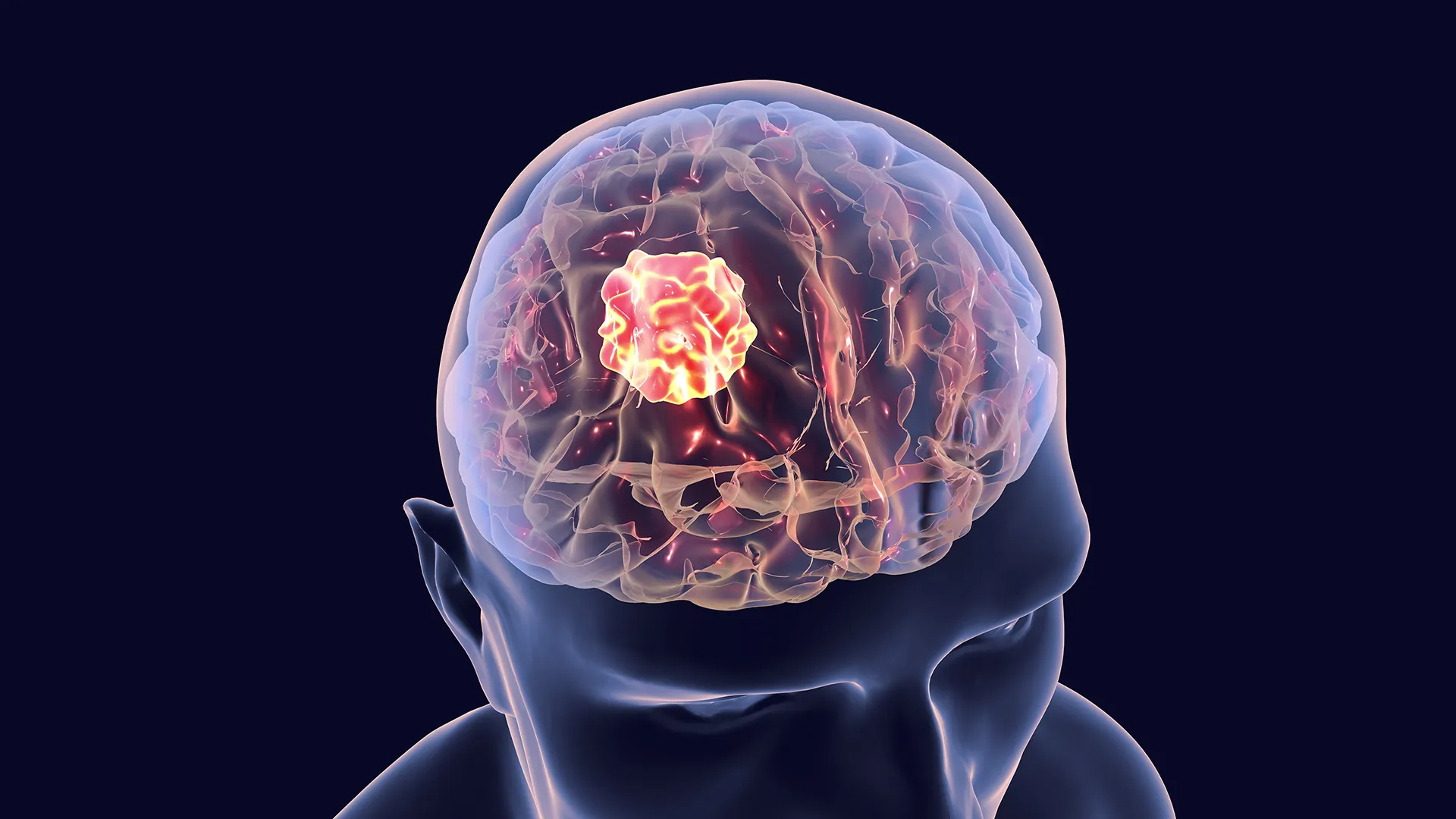
A new study led by researchers at Keck Medicine of USC has brought a significant beacon of hope to the challenging landscape of glioblastoma treatment, potentially uncovering an effective combination therapy for this notoriously aggressive brain tumor. Glioblastoma, a diagnosis with historically few available and effective treatments, carries a grim prognosis; according to the National Brain Tumor Society, the average survival for patients is a mere eight months. This latest research suggests a novel triple-threat approach, combining Tumor Treating Fields therapy (TTFields) with immunotherapy (pembrolizumab) and chemotherapy (temozolomide), may dramatically extend patient survival, particularly in those with larger, unresected tumors.
The Unrelenting Challenge of Glioblastoma
Glioblastoma multiforme (GBM) stands as the most common and aggressive primary malignant brain tumor in adults, representing approximately 48% of all primary malignant brain and central nervous system tumors. Its insidious nature is characterized by rapid growth, invasive tendrils that make complete surgical removal exceedingly difficult, and a profound resistance to conventional therapies. The standard of care, established over a decade ago, typically involves maximal safe surgical resection followed by radiation therapy concurrently with and then adjuvant temozolomide chemotherapy. Despite these aggressive measures, the median survival rate remains stubbornly low, hovering between 15 and 20 months, with a five-year survival rate of less than 10%. This dire outlook underscores the urgent and unmet medical need for innovative and more effective treatment modalities. The tumor’s location within the brain, protected by the blood-brain barrier, further complicates treatment delivery, as many drugs struggle to penetrate this highly selective physiological shield. Moreover, glioblastoma tumors are known for creating an immunosuppressive microenvironment, actively recruiting and activating cells that suppress the body’s natural anti-tumor immune response, rendering immunotherapies, which have revolutionized the treatment of many other cancers, largely ineffective when used alone.
A Novel Triple-Threat Strategy Emerges
The Keck Medicine of USC study, building upon years of dedicated research, introduces a compelling strategy to circumvent these formidable challenges. The cornerstone of this new approach involves Tumor Treating Fields therapy (TTFields), a non-invasive, localized treatment that delivers low-intensity, alternating electric fields directly into the tumor. The study finds that by combining TTFields with the immune checkpoint inhibitor pembrolizumab and the standard chemotherapy temozolomide, survival rates for glioblastoma patients may be significantly extended. Researchers observed a remarkable 70% increase in overall survival with this triple combination compared to historical data of patients treated with TTFields and chemotherapy alone. This dramatic improvement represents a potential paradigm shift in how this devastating disease could be managed.
Unpacking the Mechanism: How TTFields Pave the Way for Immunotherapy
TTFields therapy, delivered via a set of mesh electrodes strategically positioned on the patient’s scalp for approximately 18 hours a day, operates on a unique biophysical principle. These alternating electric fields exert mechanical forces on charged macromolecules within rapidly dividing cancer cells. By pushing and pulling key structures inside tumor cells in continually shifting directions, TTFields physically disrupt crucial cellular processes vital for cell division, such as microtubule assembly during mitosis and the distribution of cellular components. This mechanical interference effectively inhibits tumor cell growth and proliferation, making it difficult for glioblastoma cells to multiply. The FDA-approved Optune device, manufactured by Novocure and used in this study, exemplifies this innovative approach, having been previously cleared for newly diagnosed and recurrent glioblastoma in combination with temozolomide.
Beyond its direct anti-proliferative effects, the Keck Medicine research highlights a critical secondary mechanism: TTFields’ ability to modulate the tumor microenvironment and prime the immune system. The study revealed that TTFields actively attract more tumor-fighting T cells—a type of white blood cell crucial for identifying and attacking cancerous cells—into and around the glioblastoma. This influx of T cells is a significant development, as glioblastomas are typically characterized by an immunosuppressive environment with few T cells present, largely due to the protective blood-brain barrier. The disruption of the tumor cells by TTFields also leads to the release of tumor-associated antigens, essentially flagging the cancer cells for immune recognition. When followed by immunotherapy, these newly recruited T cells not only remain active longer but are also replaced by even stronger, more effective tumor-fighting T cells, orchestrating a more robust and sustained anti-tumor immune response.
Pembrolizumab, the immunotherapy agent used in this study, is an immune checkpoint inhibitor (ICI). ICIs work by blocking specific proteins (checkpoints) on immune cells or cancer cells that normally prevent T cells from attacking cancer. By "releasing the brakes" on the immune system, pembrolizumab enhances the body’s natural ability to fight cancers by improving T cells’ capacity to identify and destroy cancer cells. However, its efficacy in glioblastoma has been limited due to the aforementioned lack of T cells within the tumor and the blood-brain barrier. Temozolomide, the standard chemotherapy, functions by damaging the DNA of cancer cells, inhibiting their growth and leading to cell death. While effective to a degree, its impact alone on glioblastoma has been insufficient for long-term control. The synergistic potential of this triple combination—TTFields to disrupt growth and attract immune cells, pembrolizumab to activate those immune cells, and temozolomide to further damage cancer cells—appears to be the key to unlocking previously unattainable survival benefits.
Dr. Tran’s Vision and the ‘Team Sport’ Analogy
Dr. David Tran, MD, PhD, chief of neuro-oncology with Keck Medicine, co-director of the USC Brain Tumor Center, and corresponding author of the study, emphasized the transformative potential of their findings. "By using TTFields with immunotherapy, we prime the body to mount an attack on the cancer, which enables the immunotherapy to have a meaningful effect in ways that it could not before," Dr. Tran stated. His long-standing research into TTFields, spanning over a decade, has culminated in this significant breakthrough, suggesting that "TTFields may be the key to unlocking the value of immunotherapy in treating glioblastoma."
Dr. Tran eloquently likened the combined therapy to a team sport: "Immunotherapy sends players in to attack the tumor (the offense), while TTFields weaken the tumor’s ability to fight back (the defense). And just like in team sports, the best defense is a good offense." This analogy underscores the multifaceted nature of the treatment, where each component plays a crucial, complementary role in overwhelming the cancer. Dr. Tran, also a member of the USC Norris Comprehensive Cancer Center, has long theorized that to overcome the immunosuppressive environment of glioblastoma and the blood-brain barrier, the best approach would be to initiate an immune reaction directly within the tumor itself—a strategy known as in situ immunization, precisely what TTFields appear to accomplish.
Phase 2 Trial: The 2-THE-TOP Results
The findings from the Keck Medicine study are derived from a detailed analysis of data from 2-THE-TOP, a Phase 2 clinical trial. This trial enrolled 31 newly diagnosed glioblastoma patients who had completed initial chemoradiation therapy. Of this cohort, 26 patients received the full triple combination of TTFields, chemotherapy (temozolomide), and immunotherapy (pembrolizumab). The treatment regimen involved patients wearing the TTFields device for approximately 18 hours daily, alongside six to twelve monthly cycles of chemotherapy, and immunotherapy administered every three weeks, starting with the second dose of chemotherapy, for up to 24 months. The duration and number of treatments were meticulously tailored based on each patient’s response to therapy.
A particularly striking observation from the Phase 2 trial involved a subgroup of seven patients who presented with inoperable tumors due to their location. This group represents an especially high-risk subset of glioblastoma patients, typically facing the worst prognosis and the fewest viable treatment options. The results for these patients were nothing short of remarkable. Patients who used the device alongside chemotherapy and immunotherapy lived approximately 10 months longer than historical controls who had previously used the device with chemotherapy alone. Even more profoundly, those with large, inoperable tumors—a population often excluded from trials or given minimal hope—lived approximately 13 months longer and exhibited a much stronger immune activation compared to patients who underwent surgical removal of their tumors. This counterintuitive finding suggests that, when it comes to kick-starting the body’s immune response against the cancer, having a larger tumor may provide more targets for the therapy to work against, leading to a more robust immune attack. This discovery offers a glimmer of hope, particularly for the significant percentage of glioblastoma patients for whom surgery is not a feasible option.
Implications for Unresectable Tumors and Future Treatment Paradigms
The enhanced immune response and significantly extended survival observed in patients with larger, unresected tumors carry profound implications. Traditionally, surgical resection is considered the cornerstone of glioblastoma treatment, aiming to remove as much of the tumor as safely possible to alleviate mass effect and reduce tumor burden. However, for tumors located in critical brain regions, surgery is often impossible or limited, leaving these patients with even fewer options and a bleaker outlook. The study’s suggestion that a larger tumor might actually benefit the immune response by offering more antigenic targets for the TTFields and immunotherapy to exploit challenges conventional wisdom and could lead to a re-evaluation of treatment strategies for this challenging patient population.
"Further studies are needed to determine the optimal role of surgery in this setting, but these findings may offer hope, particularly for glioblastoma patients who do not have surgery as an option," Dr. Tran noted. This opens the door to potential new treatment pathways where non-surgical approaches, augmented by immune-priming strategies, could become a primary modality, especially for patients with diffuse or critically located tumors. This could shift the paradigm from solely focusing on tumor debulking to also aggressively stimulating an endogenous anti-tumor immune response.
The Road Ahead: Validating the Breakthrough in Phase 3
While the Phase 2 results are highly encouraging, robust validation in larger, randomized controlled trials is crucial before these findings can translate into widespread clinical practice. Recognizing this, Keck Medicine is actively participating in a multicenter Phase 3 clinical trial designed to definitively validate the efficacy and safety of the TTFields, immunotherapy, and chemotherapy combination. Dr. David Tran, with his extensive expertise in TTFields research, holds a pivotal role as the chair of the steering committee for this ambitious global trial. Dr. Frances Chow, a neuro-oncologist with USC Norris, serves as the principal investigator for the Keck Medicine study site, overseeing the local implementation of this vital research.
This expansive Phase 3 trial, currently active at 28 sites across the United States, Europe, and Israel, aims to enroll over 740 patients. The enrollment period is projected to continue through April 2029. A key objective of this larger trial is to thoroughly assess the extent to which surgical removal of tumors influences the immune response and overall outcomes. To achieve this, the trial will include a diverse patient population, encompassing those with gross total resection, partial resection, or biopsy-only tumors. This comprehensive approach will provide invaluable data on how the initial surgical intervention interacts with the triple combination therapy, potentially refining future treatment guidelines and helping to identify which patient subgroups stand to benefit most from this innovative approach. The successful completion and positive outcomes of this Phase 3 trial could pave the way for this combination therapy to become a new standard of care, offering renewed hope to thousands of glioblastoma patients worldwide.
Broader Impact and Hope for a Devastating Disease
The potential implications of this research extend far beyond glioblastoma. The successful strategy of using a local physical therapy (TTFields) to modulate the tumor microenvironment and enhance systemic immunotherapy could serve as a blueprint for tackling other "cold" tumors—cancers that typically lack immune cell infiltration and are resistant to immunotherapy. This study not only offers a concrete path forward for glioblastoma but also provides deeper insights into overcoming the challenges of the blood-brain barrier and immunosuppressive tumor environments, which have historically hindered effective treatment of brain cancers. The collaborative effort involving researchers from various disciplines and institutions underscores the complexity of cancer research and the necessity of multidisciplinary approaches to tackle such formidable diseases.
The Keck School of Medicine of USC authors contributing to this significant study include Dongjiang Chen, PhD, assistant professor of research neurological surgery; Son Le, PhD, assistant professor of research neurological surgery; Harshit Manektalia, research programmer; Ming Li, PhD, professor of research population and public health sciences; and Adam O’Dell, research lab specialist. Collaborators from the University of Florida, Ashley Ghiaseddin, MD, and Maryam Rahman, MD, MS, also contributed their expertise to this critical work.
This study received funding support from Novocure, the manufacturer of Optune, the TTFields device utilized in this research. In full transparency, Dr. David Tran has received honoraria from Novocure for consultant work, and both Dr. Chen and Dr. Tran are listed as inventors on two patent applications related to the work reported in this study. Such disclosures are standard in medical research and ensure transparency regarding potential conflicts of interest. The scientific community eagerly awaits the results of the ongoing Phase 3 trial, anticipating that this innovative combination therapy could indeed herald a new era of more effective treatment for glioblastoma patients, offering a lifeline where previously there was little hope.
