
 By admin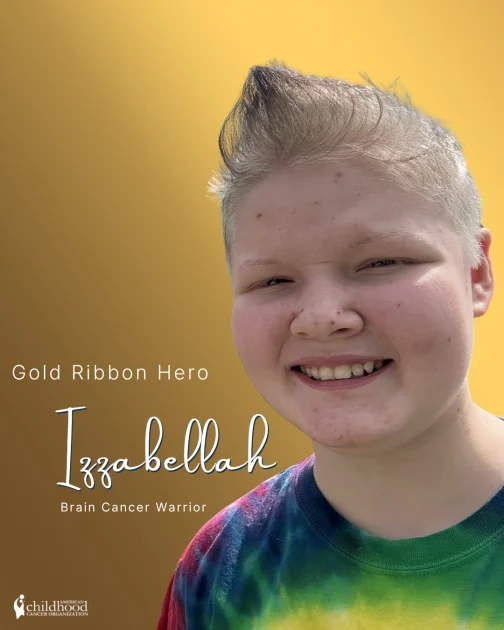
The trajectory of pediatric oncology is often defined by a series of clinical hurdles, surgical interventions, and the profound resilience of young patients who navigate the complexities of life-threatening diagnoses. Among these individuals is Izzabellah, known to her community as Bellah, whose multi-year battle with brain cancer highlights both the advancements in pediatric neuro-oncology and the significant gaps in social and psychological support for children undergoing intensive medical treatment. Her case, which began with seemingly routine symptoms and escalated into a multi-phase battle involving surgery, chemotherapy, and radiation, serves as a focal point for understanding the current state of pediatric cancer care in the United States.
The Diagnostic Timeline and Clinical Presentation
The clinical narrative for Bellah began with a four-month period of persistent, worsening headaches. In pediatric medicine, headaches are a common complaint, often attributed to tension, vision issues, or migraines; however, the progressive nature of Bellah’s symptoms eventually necessitated diagnostic imaging. When an Magnetic Resonance Imaging (MRI) scan was performed, the results were immediate and concerning. Natalie, Bellah’s mother, noted that the gravity of the situation was apparent the moment the scans were reviewed. Within an hour of the procedure, the family was contacted and directed to a regional hospital, which subsequently coordinated an emergency transfer to Riley Children’s Hospital in Indianapolis, a facility recognized for its specialized pediatric neuro-oncology department.
Upon arrival at Riley Children’s Hospital, the medical team moved quickly to address the primary threat. The initial surgical intervention was focused on the removal of a brain tumor, a procedure that carries inherent risks of neurological deficit but is often the first line of defense in managing intracranial pressure and obtaining a biopsy for histopathological analysis. While the initial surgery was successful in removing the primary mass, subsequent monitoring revealed the presence of additional neoplastic growth, fundamentally altering the treatment plan from a localized surgical solution to a systemic and long-term oncological strategy.
Treatment Modalities and the Burden of Recurrence
Following the discovery of further tumors, Bellah’s medical team initiated a rigorous 13-month regimen of oral chemotherapy. Unlike traditional intravenous chemotherapy, oral agents allow for a degree of home-based management but require strict adherence and monitoring for hematological toxicity. For a pediatric patient, a year-long chemotherapy cycle represents a significant portion of their developmental life, often marked by chronic fatigue, immunosuppression, and nausea.
The complexity of Bellah’s case was further exacerbated when a second brain surgery became necessary. In pediatric neuro-oncology, secondary surgeries are often more complex due to the presence of scar tissue from previous interventions and the potential for the tumor to be located near eloquent areas of the brain. Following this second surgery, the clinical focus shifted to consolidation therapy. Bellah underwent eight weeks of daily radiation therapy, a treatment designed to target residual microscopic cancer cells that surgery and chemotherapy might have missed.
Radiation therapy in developing children is a high-stakes intervention. While effective at controlling tumor growth, it carries the risk of long-term cognitive effects, endocrine disruption, and secondary malignancies. The conclusion of her radiation treatment did not mark the end of her medical journey, as she was subsequently required to return to a chemotherapy protocol to ensure the stabilization of her condition.
The Psychosocial Impact of Long-Term Pediatric Treatment
Beyond the physiological toll of surgery and radiation, the journey of a pediatric cancer patient is often defined by profound social and psychological disruptions. One of the most significant challenges Bellah faced was the "social toxicity" of cancer—a term used by researchers to describe the erosion of social networks and the isolation that occurs during long-term illness.
As Bellah navigated her treatment, she experienced the loss of friendships and the inability to participate in the standard social milestones of childhood and adolescence. This isolation is a documented phenomenon in pediatric oncology; the physical inability to attend school, combined with the visible side effects of treatment such as hair loss or weight changes, can create a barrier between the patient and their peers.
In response to this isolation, Bellah utilized digital platforms to reclaim her narrative. By creating short videos and blogs, she transitioned from a passive recipient of medical care to an active advocate and storyteller. This form of digital self-expression serves a dual purpose: it provides a sense of agency to the patient and offers a support system for others navigating similar diagnoses. Her efforts to share her journey reflect a growing trend in the patient community where "expert patients" provide peer-to-peer support that traditional clinical settings often lack.
Pediatric Brain Cancer: Supporting Data and National Context
Bellah’s story is situated within a broader national health crisis regarding pediatric cancer. According to data from the American Childhood Cancer Organization (ACCO) and the National Cancer Institute (NCI), brain and other central nervous system (CNS) tumors are the most common cause of cancer-related death among children and adolescents under the age of 19.
Each year, approximately 4,000 children and adolescents in the United States are diagnosed with a primary brain tumor. While survival rates have improved significantly over the last several decades—with the five-year survival rate for pediatric brain tumors now hovering around 75%—the "cure" often comes at a high price. Up to 60% of childhood cancer survivors experience at least one chronic health condition as a result of their treatment, including cardiovascular disease, cognitive impairment, or hearing loss.
Furthermore, the funding for pediatric cancer research remains a point of contention among advocates. Despite the severity of these diseases, pediatric cancer research receives a disproportionately small fraction of the National Institutes of Health (NIH) budget compared to adult cancers. Organizations like the ACCO argue that because "kids can’t fight cancer alone," there is a systemic need for increased federal investment in therapies that are specifically designed for the developing biology of a child, rather than adapting adult treatments which can be overly toxic.
Institutional Response and the Role of Specialized Care
The role of Riley Children’s Hospital in Bellah’s care highlights the importance of regional centers of excellence. In complex cases involving multiple surgeries and multi-modal therapies, the integration of neurosurgeons, oncologists, radiation therapists, and child life specialists is essential. These institutions provide not only the technical expertise required for high-risk surgeries but also the supportive care necessary to manage the side effects of radiation and chemotherapy.
Statements from pediatric oncology experts generally emphasize that the goal of modern treatment is not just survival, but "survival with quality of life." This involves a multidisciplinary approach that includes neuropsychological testing to monitor cognitive development and physical therapy to address the motor deficits that can follow brain surgery. Bellah’s transition back into a "normal" life—attending school and taking on employment—is a testament to the efficacy of this comprehensive care model.
Broader Implications and the Path Forward
Today, Bellah’s life represents a successful, albeit hard-won, transition from patient to survivor. Her current employment as an activity aide at a local nursing facility is a significant indicator of her recovery. It demonstrates a level of physical and emotional resilience that allows her to provide care for others, effectively reversing the role she occupied for years as a recipient of care.
However, the implications of her journey extend beyond her individual success. Her case underscores the necessity for:
- Early Diagnostic Sensitivity: The four-month delay in diagnosing Bellah’s headaches suggests a need for better screening protocols for persistent pediatric symptoms.
- Mental Health Integration: The social isolation Bellah felt highlights the need for schools and communities to develop better "re-entry" programs for students returning from long-term medical leave.
- Continued Research into Targeted Therapies: The use of broad-spectrum chemotherapy and radiation remains necessary, but the development of molecularly targeted therapies could eventually reduce the long-term side effects that survivors must manage for the rest of their lives.
In conclusion, Izzabellah’s journey from a child suffering from unexplained headaches to a "Gold Ribbon Hero" and a working member of her community is a powerful narrative of medical triumph. It serves as a reminder that while the clinical battle against brain cancer is fought in operating rooms and infusion centers, the battle for a child’s future is fought through social support, advocacy, and a commitment to ensuring that no child has to face a life-threatening diagnosis without a comprehensive network of care. As Bellah continues her education and her work, she stands as a representative of the thousands of children who, through a combination of medical science and personal fortitude, are redefining what it means to survive and thrive after a diagnosis of pediatric cancer.
