
 By admin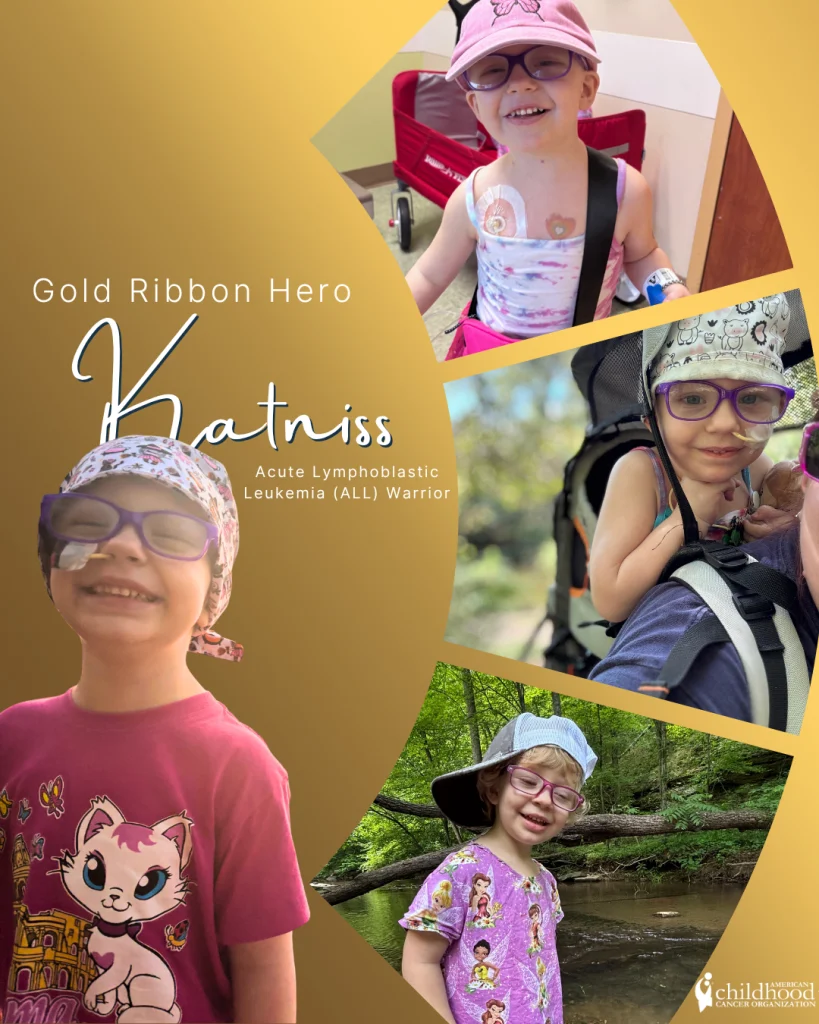
The landscape of pediatric oncology is often defined by stories of profound resilience, but few are as poignant as that of Katniss, a young girl whose recent diagnosis of Acute Lymphoblastic Leukemia (ALL) has sparked a renewed conversation regarding the intergenerational impact of the disease and the vital role of community-driven support systems. In June 2025, what began as a routine case of strep throat for Katniss quickly escalated into a medical emergency that would change her family’s life forever. After the initial infection failed to respond to standard treatments and the child began vomiting blood, her parents sought emergency medical intervention. Clinical evaluations in the emergency room revealed that Katniss was suffering from severe neutropenia—a dangerously low level of neutrophils, a type of white blood cell—and anemia. Within days, the family received the definitive and devastating diagnosis: Katniss had leukemia.
The diagnosis carried a particularly heavy emotional weight for Katniss’s mother, Katherine. In a rare and heartbreaking parallel, Katherine is herself a survivor of childhood leukemia. The recurrence of this specific medical challenge within the family highlights the complex emotional landscape navigated by survivors who must witness their children undergo the same rigorous treatments they once endured. "As a childhood leukemia survivor myself, hearing my baby girl has the same cancer broke my heart," Katherine stated, reflecting on the unique burden of historical perspective in the face of a new crisis.
Clinical Overview of Acute Lymphoblastic Leukemia
Acute Lymphoblastic Leukemia is a type of cancer that affects the blood and bone marrow, characterized by the overproduction of immature lymphocytes. It is the most common form of cancer diagnosed in children, representing approximately 25% of all pediatric cancer cases. While advances in medical science have significantly improved the prognosis for ALL—with five-year survival rates now exceeding 90% in many developed nations—the treatment regimen remains one of the most intensive and prolonged in pediatric medicine.
For Katniss, the roadmap to recovery involves a projected two-and-a-half-year chemotherapy protocol. This multi-phase treatment plan is designed to eradicate leukemia cells from the blood and bone marrow and prevent the disease from spreading to the central nervous system. The initial phase, known as induction therapy, aims to bring the patient into remission. This is followed by consolidation (intensification) and a long-term maintenance phase. Throughout this period, Katniss will undergo numerous invasive procedures, including the surgical placement of a chemotherapy port, frequent bone marrow biopsies to monitor cell counts, and lumbar punctures (spinal taps) to deliver medication directly into the cerebrospinal fluid.
The physical toll of such a regimen is substantial. Chemotherapy drugs, while effective at killing cancer cells, also affect healthy cells, leading to side effects such as nausea, hair loss, fatigue, and a heightened susceptibility to secondary infections. Despite these challenges, medical reports and family accounts indicate that Katniss has maintained a "sassy personality" and a level of resilience that has become a hallmark of her journey.
The Intergenerational Context of Pediatric Oncology
The occurrence of leukemia in both a parent and a child, while statistically uncommon, raises significant questions regarding genetic predispositions and the psychological health of the family unit. Most cases of pediatric ALL are considered sporadic, resulting from random genetic mutations rather than direct inheritance. However, for a parent who has already survived the trauma of cancer, the "double hit" of a child’s diagnosis can lead to heightened levels of post-traumatic stress and a unique form of parental guilt, despite the lack of a proven genetic link in most instances.
Medical professionals emphasize that the experience of the parent can serve as both a source of deep empathy and a potential trigger for past trauma. In Katherine’s case, her history as a survivor provides her with an intimate understanding of the clinical environment, the terminology, and the long-term milestones of recovery. This perspective is invaluable in navigating the healthcare system, yet it underscores the necessity for comprehensive psychosocial support for the entire family, not just the pediatric patient.
Community Advocacy and the Grand Ole Opry Chili Cook-Off
In the wake of her diagnosis, Katniss was selected as an ambassador for a major fundraising initiative: the Grand Ole Opry Chili Cook-Off in Nashville, Tennessee. This event, held in partnership with the American Childhood Cancer Organization (ACCO), serves as a critical platform for raising awareness and funds for pediatric cancer research and family support services. The ACCO, one of the oldest and largest grassroots organizations dedicated to childhood cancer in the United States, focuses on providing resources to families who are often overwhelmed by the logistical and financial demands of long-term treatment.
The Grand Ole Opry, an iconic institution in American music, has a long-standing tradition of utilizing its platform for charitable causes. The Chili Cook-Off brings together local celebrities, musicians, and community members to support families like Katniss’s. Although Katniss was unable to attend the actual event due to the timing of her treatment and her compromised immune system, her role as an ambassador ensured that her story was central to the mission.
Weeks after the event concluded, Katniss and her family were able to visit the Grand Ole Opry facility. This visit was more than a mere tour; it represented a moment of normalcy and celebration amidst a grueling medical schedule. The family was given a behind-the-scenes look at the historic venue and had the opportunity to watch a live performance, providing a much-needed reprieve from the clinical setting of the hospital.
The Economic and Social Impact of Childhood Cancer
The financial implications of a two-and-a-half-year cancer treatment plan are staggering. Even for families with comprehensive health insurance, the out-of-pocket costs—including travel to specialized treatment centers, specialized nutritional needs, and the loss of income as parents take time off work to provide care—can be ruinous. Events like the Nashville fundraiser are essential in bridging the gap between medical costs and the lived reality of families in crisis.
Furthermore, the social impact of a pediatric cancer diagnosis extends to the child’s education and social development. Long-term chemotherapy often necessitates periods of isolation to protect the patient from common viruses that could be life-threatening to an immunocompromised individual. Programs supported by the ACCO and the Grand Ole Opry often fund "gold ribbon" initiatives that provide educational kits, peer support groups, and advocacy at the state and federal levels to ensure that pediatric cancer remains a public health priority.
Statistical Analysis and Future Outlook
Current data from the National Cancer Institute (NCI) indicates that while the incidence of pediatric leukemia has remained relatively stable, the success of treatment protocols has seen a dramatic upward trend since the 1970s. However, the "cure" often comes at a cost. Survivors of childhood ALL are at a higher risk for late-term effects, including cardiovascular issues, secondary malignancies, and cognitive challenges.
For Katniss, the focus remains on the immediate horizon: completing the intensive phases of her chemotherapy. Her progress is being closely monitored by a multidisciplinary team of oncologists, nurses, and social workers. The resilience she has demonstrated in the early months of her journey is a positive prognostic indicator, suggesting that she is coping well with the physiological and psychological stressors of the "warrior" path.
The broader implications of Katniss’s story lie in the power of visibility. By sharing the realities of neutropenia, the necessity of lumbar punctures, and the emotional toll on survivor-parents, families like Katniss’s humanize the cold statistics of oncology. They remind the public that behind every data point is a child with a "sassy personality" and a family fighting for a future.
Conclusion and the Path Forward
As Katniss continues her two-and-a-half-year journey, her story serves as a testament to the advancements in pediatric medicine and the enduring strength of the human spirit. The collaboration between the American Childhood Cancer Organization and the Nashville community through the Grand Ole Opry highlights the essential nature of local support in a global fight against disease.
The road ahead for Katniss will be marked by clinical milestones and the quiet victories of daily life. While the diagnosis of leukemia is a formidable adversary, the combination of modern medical protocols, a mother’s survivor-born wisdom, and a community’s unwavering support provides a robust framework for hope. The ongoing narrative of Katniss’s treatment will undoubtedly continue to inspire advocacy and provide a voice for the thousands of children diagnosed with ALL each year, ensuring that their struggles are recognized and their triumphs are celebrated.
