
 By George Ongkojoyo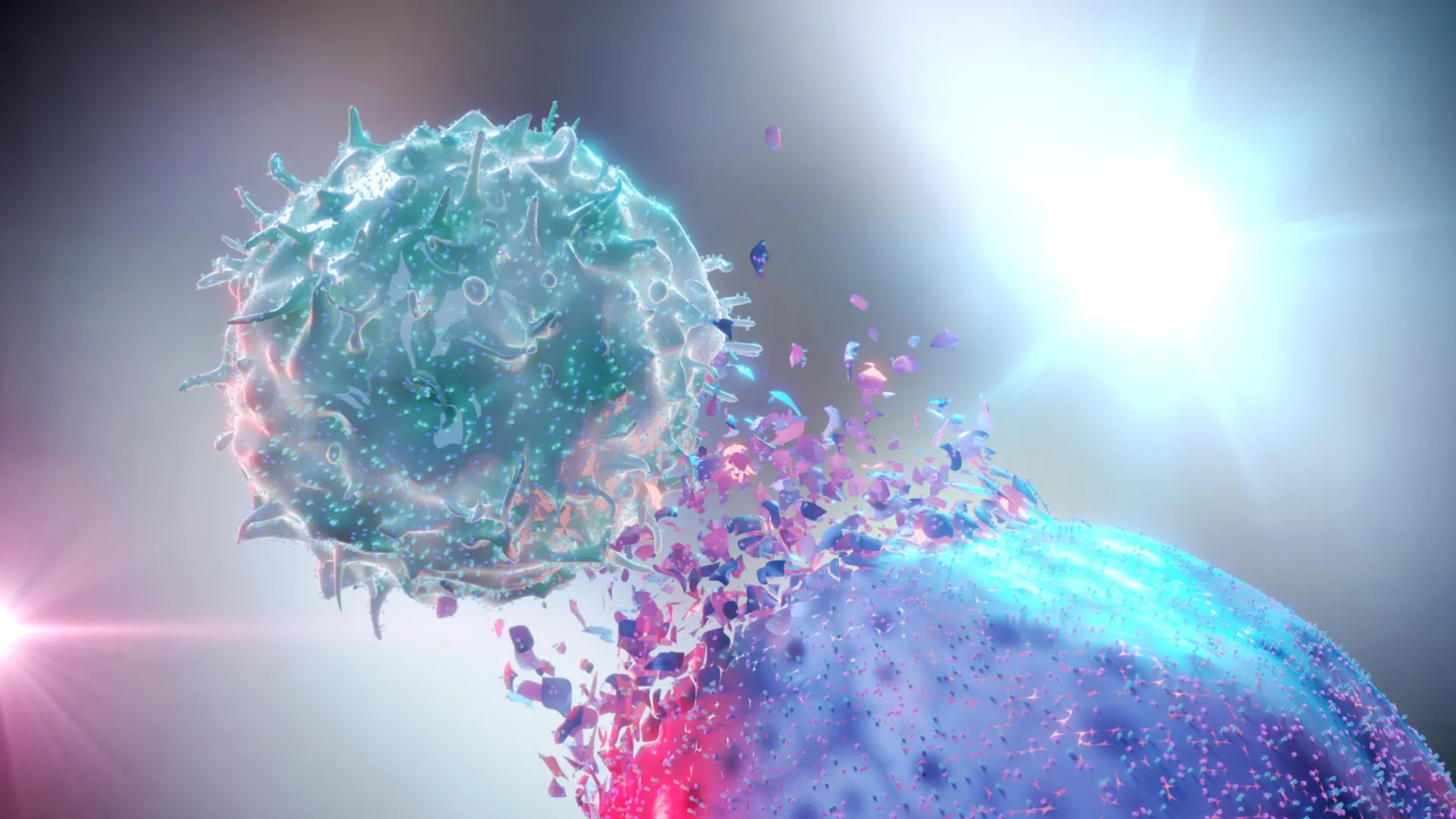
In a landmark study that bridges the gap between traditional oncology and modern immunology, researchers from the Johns Hopkins Kimmel Cancer Center’s Bloomberg~Kimmel Institute for Cancer Immunotherapy and the Netherlands Cancer Institute have identified a transformative mechanism to combat treatment resistance in non-small cell lung cancer (NSCLC). The research, published in the journal Nature Cancer, demonstrates that radiation therapy can act as a biological primer, sparking the immune system into action and rendering previously resistant tumors susceptible to immunotherapy. This breakthrough offers a new lifeline for patients whose cancers were once considered "immunologically cold," effectively broadening the horizon for precision oncology.
The study, which received significant support from the National Institutes of Health (NIH), underscores a critical shift in how clinicians view the role of radiation. Traditionally used for the localized destruction of cancer cells, radiation is now being recognized for its ability to induce a systemic anti-tumor immune response. This phenomenon, known as the abscopal effect, allows radiation at a single site to trigger the immune system to attack tumors located elsewhere in the body, even those far removed from the primary radiation target.
The Challenge of Immunotherapy Resistance in Lung Cancer
Immunotherapy, particularly the use of immune checkpoint inhibitors such as PD-1 and PD-L1 blockers, has revolutionized the treatment of lung cancer over the last decade. These drugs work by releasing the "brakes" on the immune system, allowing T cells to recognize and destroy malignant cells. However, the success of these treatments is not universal. A significant portion of patients—often those with "cold" tumors—exhibit primary resistance, meaning their cancer never responds to the drugs. Others develop acquired resistance after an initial period of success.
Lung cancer remains the leading cause of cancer-related mortality worldwide, and non-small cell lung cancer accounts for approximately 85% of all cases. For the estimated 70% to 80% of NSCLC patients who do not respond to standard immunotherapy, the prognosis has historically been poor. The research led by senior author Valsamo "Elsa" Anagnostou, M.D., Ph.D., seeks to change this narrative by using radiation to "warm up" these unresponsive tumors.
"For a fraction of lung cancers where we aren’t expecting therapy responses, radiation may be particularly effective to help circumvent primary resistance to immunotherapy," explained Dr. Anagnostou, who serves as the co-director of the Upper Aerodigestive Malignancies Program at Johns Hopkins. "This could potentially be applicable to acquired resistance, too."
Understanding the Abscopal Effect: A Biological Catalyst
The core of the study revolves around the abscopal effect, a rare but potent physiological response where localized radiation leads to the regression of metastatic tumors outside the radiation field. While the effect has been documented for decades, the underlying molecular biology remained largely a mystery.
When radiation strikes a tumor, it causes the cancer cells to undergo a form of immunogenic cell death. As these cells die, they release a cocktail of tumor-associated antigens and "danger signals" into the local microenvironment. These signals act as a beacon for the immune system. Dendritic cells and other antigen-presenting cells pick up these "molecular footprints," travel to the lymph nodes, and "train" T cells to recognize the specific mutations of the cancer. Once activated, these T cells circulate throughout the body, seeking out and destroying cancer cells at distant sites.
By combining radiation with immunotherapy—specifically the PD-1 inhibitor pembrolizumab—the researchers found they could amplify this effect. The radiation provides the immune system with the "map" of the tumor, while the immunotherapy provides the "fuel" to sustain the attack.
Study Design and Multiomic Methodology
To unravel the complexities of this synergy, the Johns Hopkins team collaborated with Willemijn Theelen and Paul Baas at the Netherlands Cancer Institute. The researchers analyzed data and samples from a phase II clinical trial that specifically looked at the sequence of radiation followed by immunotherapy.
The study involved a rigorous analysis of 293 blood and tumor samples from 72 patients with NSCLC. The cohort was divided into a control group receiving immunotherapy alone and an experimental group receiving the combination of radiation and immunotherapy. Samples were collected at baseline and again after three to six weeks of treatment, providing a temporal map of the body’s cellular changes.
What set this study apart was the use of "multiomic" analyses. Rather than looking at a single biological marker, the team integrated genomics (the study of DNA), transcriptomics (the study of RNA and gene expression), and various functional cell assays. This comprehensive approach allowed them to observe the reshaping of the tumor microenvironment in real-time.
Specifically, the investigators focused on tumors with biomarkers that usually predict a poor response to immunotherapy:
- Low Mutation Burden: Tumors with fewer genetic mutations are often "invisible" to the immune system.
- Absence of PD-L1 Expression: PD-L1 is the protein that many immunotherapies target; without it, the drugs often have no "anchor."
- Wnt Signaling Mutations: Mutations in the Wnt pathway are known to actively exclude immune cells from the tumor site.
From Cold to Hot: Reshaping the Tumor Microenvironment
The results were striking. In patients who received the combination therapy, even "cold" tumors far from the radiation site underwent a dramatic transformation. The researchers observed a "warming up" of the tumor microenvironment, characterized by an influx of inflamed immune activity.
"Our findings highlight how radiation can bolster the systemic anti-tumor immune response in lung cancers unlikely to respond to immunotherapy alone," said lead author Justin Huang, who was recently honored with the 2025 Paul Ehrlich Research Award for this work.
The multiomic data showed that radiation didn’t just increase the number of immune cells; it expanded the repertoire of T cells. The team found both the expansion of pre-existing T cells and the recruitment of entirely new T-cell clones that were specifically programmed to recognize mutation-associated neoantigens—unique proteins found only on the surface of the patient’s cancer cells.
To confirm these findings, the team, including Kellie Smith, Ph.D., an associate professor of oncology at Johns Hopkins, performed functional tests on T cells from patients who achieved long-term survival. In laboratory cultures, they proved that these T cells were indeed recognizing and attacking the specific molecular signatures of the tumors.
Clinical Outcomes and Patient Impact
The ultimate metric of success in oncology is patient survival and clinical response. By tracking the outcomes of the clinical trial participants, the researchers found a direct correlation between the "warming" of the tumor and improved clinical results. Patients with immunologically cold tumors who received radiation therapy before immunotherapy had significantly better progression-free survival compared to those who received immunotherapy alone.
"It was super exciting, and truly made everything come full circle," Dr. Anagnostou remarked. "We not only captured the abscopal effect, but we linked the immune response with clinical outcomes in tumors where one would not expect to see immunotherapy responses."
This finding suggests that radiation therapy should no longer be viewed merely as a tool for local control, but as a systemic "immunomodulator." For patients whose tumors lack the typical biomarkers for immunotherapy success, this combination could become a new standard of care.
Broader Implications and the Future of Precision Oncology
The implications of this research extend beyond non-small cell lung cancer. The ability to convert an immunologically "cold" environment into a "hot" one is a "holy grail" in cancer research, with potential applications in pancreatic cancer, prostate cancer, and certain types of breast cancer that have remained largely resistant to immunotherapy.
Furthermore, the study highlights the importance of timing and sequencing in cancer treatment. The research suggests that the "priming" effect of radiation is most effective when followed closely by immunotherapy, creating a window of opportunity where the immune system is most primed for activation.
The Johns Hopkins team is already moving toward the next frontier: monitoring these responses through liquid biopsies. By detecting circulating tumor DNA (ctDNA) in the blood, doctors may soon be able to track in real-time how a patient’s tumor is responding to the combination therapy without the need for invasive biopsies. This work was recently presented at the annual meeting of the American Association for Cancer Research (AACR).
Conclusion and Collaborative Efforts
The success of this study is a testament to the power of international, interdisciplinary collaboration. By combining the clinical trial infrastructure of the Netherlands Cancer Institute with the advanced molecular analytics of the Johns Hopkins Kimmel Cancer Center, the researchers were able to solve a puzzle that had eluded the scientific community for years.
As precision medicine continues to evolve, the integration of radiation and immunotherapy stands as a prime example of how combining "old" and "new" technologies can yield results greater than the sum of their parts. For thousands of patients facing a diagnosis of resistant lung cancer, the prospect of "warming up" their immune response offers a new and scientifically grounded hope for recovery.
The study authors acknowledged the contributions of several co-authors, including Zineb Belcaid, Mimi Najjar, and Victor E. Velculescu, as well as the support of the Bloomberg~Kimmel Institute for Cancer Immunotherapy. While conflicts of interest were noted regarding patent applications and industry funding—standard for high-level translational research—the study’s findings remain a significant, peer-reviewed milestone in the fight against cancer.
