
 By admin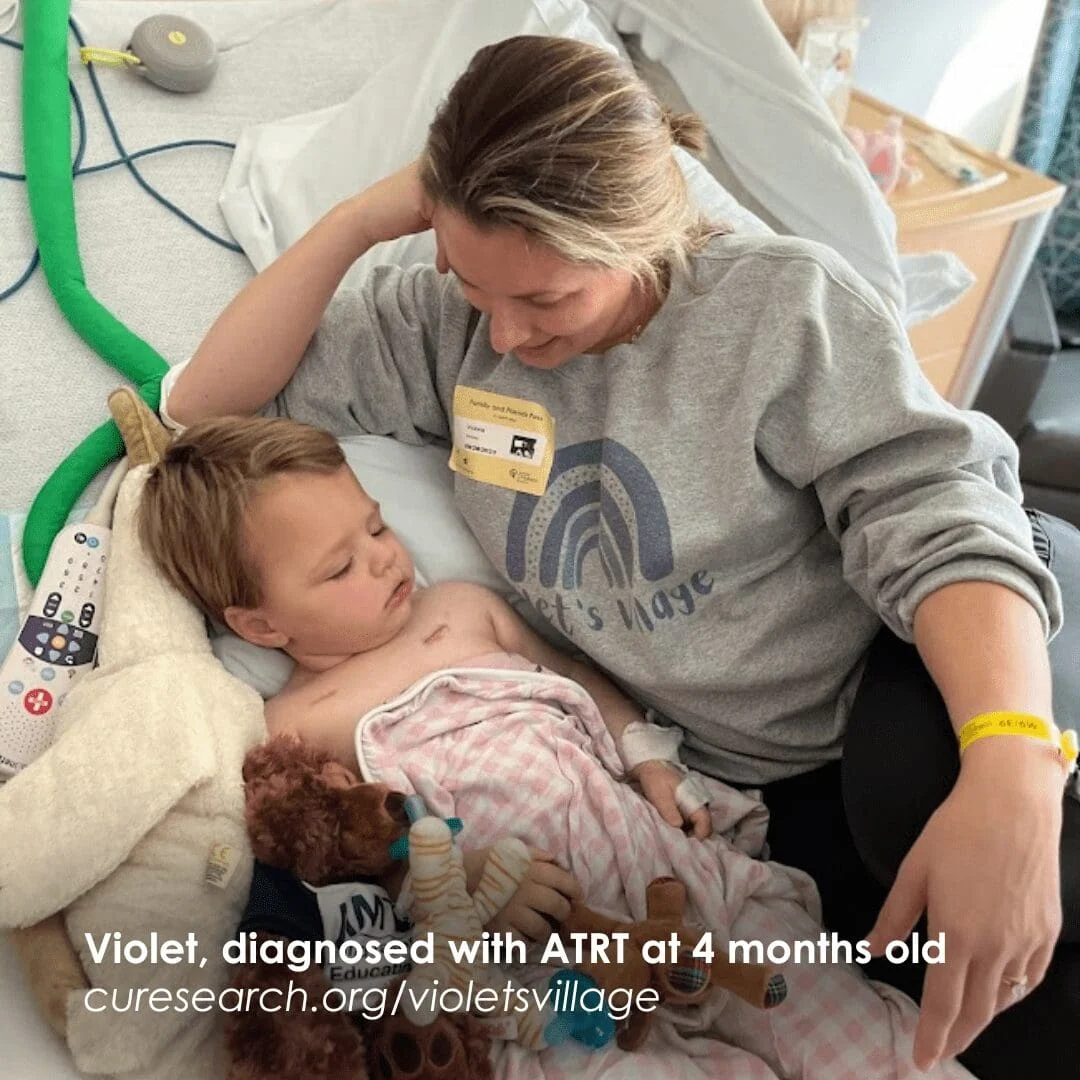
The landscape of pediatric oncology is witnessing a pivotal shift as CureSearch for Children’s Cancer, a leading national non-profit, announces its 2025 Young Investigator Award to support high-risk, high-reward research into one of the most lethal forms of childhood brain cancer. Dr. John Prensner of the University of Michigan has been selected to lead a pioneering study focused on Atypical Teratoid Rhabdoid Tumors (ATRT), an aggressive malignancy that primarily targets infants and toddlers. This initiative, bolstered by strategic partnerships with the Jeff Gordon Children’s Foundation and Violet’s Village: The Violet Kenney Legacy Fund, aims to dismantle the biological barriers that have long rendered ATRT resistant to conventional therapies.
For decades, the medical community has struggled to provide effective long-term solutions for children diagnosed with ATRT. Characterized by its rapid growth and tendency to occur in the most sensitive regions of the central nervous system, ATRT represents a significant clinical challenge. Current therapeutic protocols typically involve a combination of intensive surgery, high-dose chemotherapy, and occasionally radiation—treatments that are not only grueling for young children but often result in severe long-term developmental side effects or, in many cases, fail to prevent disease progression. Dr. Prensner’s research represents a departure from these traditional methods, seeking instead to identify novel genetic vulnerabilities within the tumor’s own architecture.
The Biological Complexity of Atypical Teratoid Rhabdoid Tumors
To understand the significance of Dr. Prensner’s work, one must first examine the unique biological profile of ATRT. Unlike many adult cancers, which are driven by an accumulation of dozens or even hundreds of genetic mutations, ATRT is often characterized by a remarkably "quiet" genome. In the vast majority of cases, the cancer is driven by the loss or mutation of a single gene: SMARCB1 (or more rarely, SMARCA4). This gene is a critical component of the SWI/SNF chromatin-remodeling complex, which helps regulate how DNA is packaged and which genes are turned on or off.
When this single "master switch" is lost, the cell’s identity becomes scrambled, leading to the rapid proliferation of undifferentiated, highly malignant cells. Because ATRT lacks the broad spectrum of mutations found in other cancers, traditional targeted therapies that look for specific "broken" proteins often have no target to hit. This has left researchers in a quandary, searching for a "second hit" or a secondary vulnerability that can be exploited to kill the cancer cells while sparing healthy tissue.
Dr. Paisley Myers, Director of Research and Programs at CureSearch, emphasized the urgency of this mission. "Children with ATRT don’t have the same opportunities to benefit from cutting-edge, targeted treatments that are available for other cancers," Dr. Myers stated. "The current survival rates and the toxicity of existing treatments are unacceptable. We urgently need to change that narrative by investing in the next generation of scientific leaders who are looking at this problem through a new lens."
Exploring the "Dark Matter" of the Human Genome
Dr. Prensner’s approach involves delving into what was once dismissed as "junk DNA." For years, genomic research focused almost exclusively on the 2% of the human genome that codes for well-known proteins. The remaining 98% was largely ignored. However, recent advances in sequencing technology have revealed that this "non-coding" space is actually teeming with activity.
Specifically, Dr. Prensner is investigating small open reading frames (sORFs). These are tiny segments of DNA that were previously overlooked because they did not fit the standard criteria for a "gene." It is now understood that these sORFs can produce microproteins—small, specialized molecules that can have outsized effects on cellular function. In the context of ATRT, Dr. Prensner believes that certain microproteins may be essential for the tumor’s survival. By identifying these microproteins and the sORFs that produce them, his team hopes to uncover entirely new classes of therapeutic targets.
"My hope is that this work will lead to the discovery of new genes that inform the next phase of drug development for ATRT," Dr. Prensner explained. "This CureSearch award will be important for us to continue to develop a new understanding of the childhood cancer genome for ATRT." By mapping the "microproteome" of these tumors, the research aims to provide a blueprint for drugs that can disrupt the specific biological processes that allow ATRT to thrive.
A Strategic Partnership: The Role of Foundations and Philanthropy
The funding for this project is the result of a collaborative co-funding model that brings together diverse stakeholders in the fight against pediatric cancer. The Jeff Gordon Children’s Foundation (JGCF), established by the four-time NASCAR Cup Series champion, has been a cornerstone of pediatric cancer advocacy for over two decades. Their involvement in Dr. Prensner’s project underscores a commitment to funding research that has the highest potential for clinical translation.
Susan Robinson, Executive Director for the Jeff Gordon Children’s Foundation, highlighted the gravity of the disease. "JGCF is incredibly excited to partner with CureSearch and Violet’s Village to support Dr. Prensner’s project taking aim at ATRT," Robinson said. "Brain tumors are the deadliest form of childhood cancer, so we’re eager to advance scientific knowledge and develop better therapeutics to improve outcomes for kids facing such a devastating diagnosis."

Joining JGCF is Violet’s Village: The Violet Kenney Legacy Fund. This fund was established in memory of Violet Kenney, a young girl whose battle with cancer inspired a movement to fund more effective and less toxic treatments. The participation of legacy funds like Violet’s Village ensures that the research remains grounded in the lived experiences of families and the urgent need for a cure that does not come at the cost of a child’s quality of life.
Chronology and the Evolution of ATRT Research
The timeline of ATRT research has been marked by slow but steady progress. The tumor was first recognized as a distinct clinical entity in the late 1980s, having previously been misdiagnosed as medulloblastoma or other primitive neuroectodermal tumors. The discovery of the SMARCB1 mutation in the late 1990s was a watershed moment, providing the first definitive diagnostic marker for the disease.
Over the last decade, the focus has shifted toward molecular subtyping. Researchers now recognize that ATRT is not a single disease but consists of at least three distinct molecular subgroups—ATRT-SHH, ATRT-TYR, and ATRT-MYC—each with different biological drivers and clinical behaviors. Dr. Prensner’s work represents the next logical step in this evolution: moving beyond broad subtyping into the functional "dark matter" of the genome to find actionable targets within these subgroups.
The 2025 Young Investigator Award is a critical component of this timeline. By supporting early-career scientists like Dr. Prensner, CureSearch is addressing a major bottleneck in medical research. The transition from a post-doctoral fellow to an independent investigator is often referred to as the "valley of death" in academia, where a lack of funding can cause promising researchers to leave the field. By providing this financial bridge, CureSearch ensures that innovative ideas are not lost due to a lack of resources.
Supporting Data and Clinical Implications
The statistical reality for ATRT patients remains somber, which fuels the intensity of current research efforts. ATRT accounts for approximately 1% to 2% of all pediatric brain tumors, but among infants under the age of one, it represents nearly 20% of central nervous system tumors. The three-year survival rate has historically hovered around 30% to 50%, though this varies significantly based on the age of the patient and the extent of surgical resection.
The implications of Dr. Prensner’s research extend beyond ATRT. The study of sORFs and microproteins is a burgeoning field in global oncology. If successful, the methodologies developed in this study could be applied to other "genetically simple" but lethal pediatric cancers, such as Ewing sarcoma or synovial sarcoma. Furthermore, because microproteins are often highly specific to certain cell types or disease states, therapies targeting them may have fewer "off-target" effects, leading to the "safe and effective" treatments that CureSearch advocates for.
Analysis: Toward a New Era of Precision Medicine
The selection of Dr. Prensner for this award reflects a broader trend in the scientific community toward precision medicine. The goal is no longer to find a "silver bullet" that treats all cancers, but to develop a highly personalized toolkit tailored to the specific genetic and proteomic makeup of an individual’s tumor.
In the case of ATRT, where the patients are often too young to tolerate standard radiation, the development of a targeted microprotein inhibitor could be revolutionary. It would allow clinicians to bypass the systemic toxicity of traditional chemotherapy, focusing instead on the molecular machinery that drives the tumor.
Moreover, the collaboration between CureSearch, the University of Michigan, and private foundations serves as a model for how the "funding gap" in rare disease research can be closed. Because ATRT is rare, it often fails to attract the massive investment seen in adult cancers like breast or lung cancer. Strategic philanthropy, guided by rigorous scientific peer review, is therefore essential to maintain the momentum of discovery.
Conclusion and Future Outlook
As Dr. Prensner begins his work under the 2025 Young Investigator Award, the pediatric oncology community remains cautiously optimistic. The road from laboratory discovery to a bedside treatment is long and fraught with challenges, but the focus on previously unexplored areas of the genome offers a new sense of hope.
The commitment from CureSearch and its partners ensures that Dr. Prensner has the tools necessary to translate biological insights into potential life-saving interventions. For the families of children diagnosed with ATRT, this research represents more than just scientific progress; it represents a future where a diagnosis is not a verdict, but a challenge that can be met with the full force of modern science and collective human compassion. Through the legacy of children like Violet Kenney and the dedication of researchers at the University of Michigan, the narrative of ATRT is being rewritten, one microprotein at a time.
