
 By admin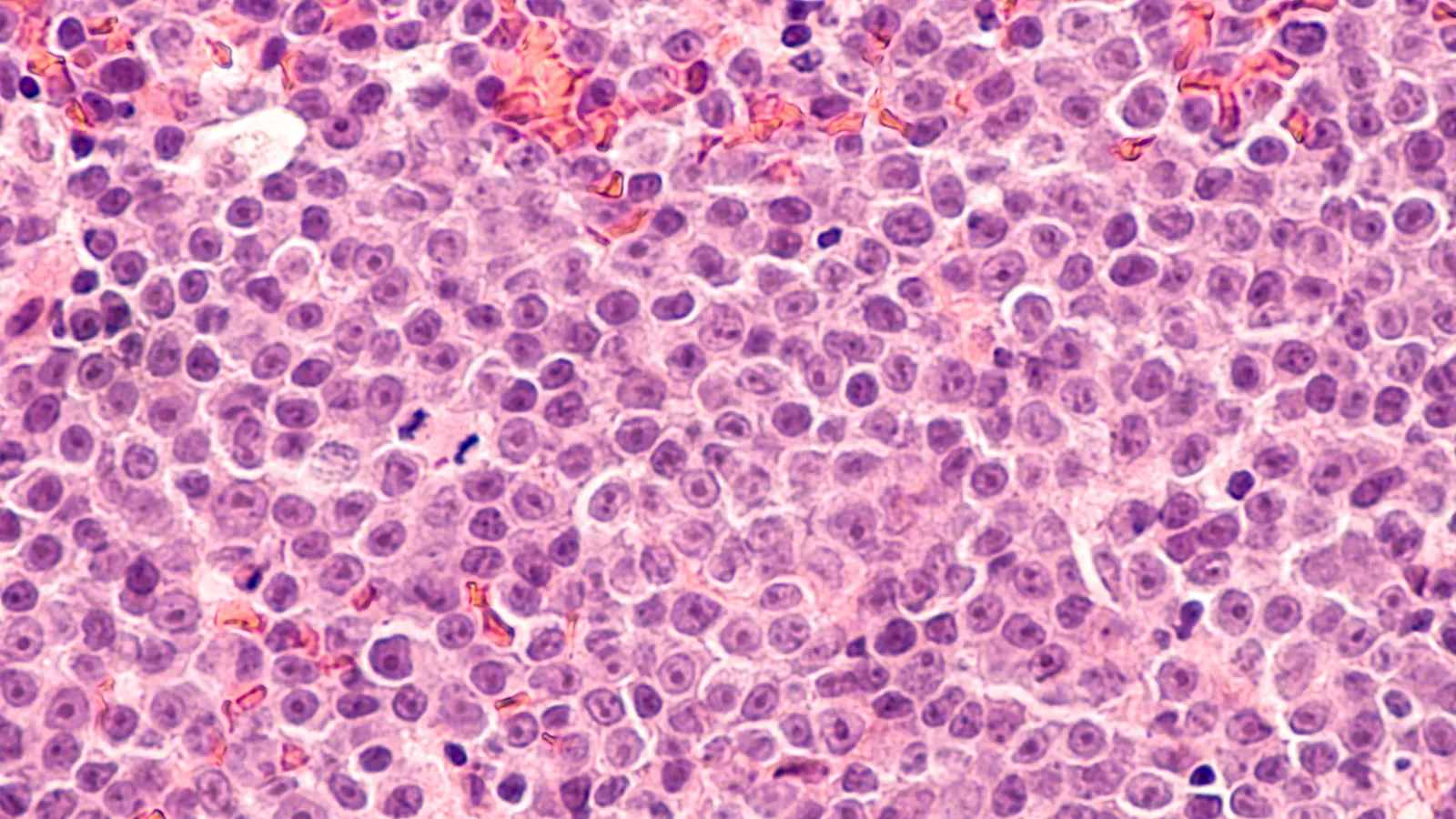
Shanghai, China – June 3, 2026 – Legend Biotech, a prominent biopharmaceutical company, has announced groundbreaking initial findings from its first-in-human clinical trial for LB2501, an investigational in vivo CAR-T cell therapy. The therapy demonstrated remarkable efficacy by reducing or entirely eliminating disease signs in all recipients treated at the higher dose level, igniting optimism that LB2501 could emerge as a formidable competitor to existing ex vivo CAR-T cell medicines, such as Novartis’ Kymriah. The positive data, presented ahead of the European Hematology Association (EHA) meeting this month, sent Legend Biotech’s shares soaring by 30% on Tuesday, underscoring the market’s enthusiastic reception to this potential leap forward in cancer treatment.
A New Frontier in Cancer Immunotherapy: The Promise of In Vivo CAR-T
The field of oncology has been revolutionized by CAR-T (Chimeric Antigen Receptor T-cell) therapy, a personalized medicine approach that engineers a patient’s own immune cells to recognize and destroy cancer. However, current FDA-approved CAR-T therapies are predominantly "ex vivo," meaning the patient’s T-cells must be extracted from the body, genetically modified in a specialized laboratory facility, expanded, and then reinfused back into the patient. While highly effective for certain hematologic malignancies, this process is notoriously complex, time-consuming, and expensive, presenting significant logistical bottlenecks and limiting patient access.
Legend Biotech’s LB2501 represents a significant departure from this established paradigm. As an "in vivo" CAR-T therapy, the genetic modification of T-cells occurs directly within the patient’s body, eliminating the need for cell extraction, external manufacturing, and subsequent reinfusion. This innovative approach promises to streamline the treatment process, reduce manufacturing costs, and potentially expand access to this life-saving therapy for a broader patient population. The current trial data suggests that this promise is beginning to materialize, offering a glimpse into a future where CAR-T therapy is more accessible and less burdensome for patients and healthcare systems alike.
Unpacking LB2501: Mechanism of Action and Clinical Innovation
LB2501 operates by utilizing a modified adeno-associated virus (AAV) as a delivery vehicle. This viral vector is administered to the patient, carrying genetic instructions that enable the patient’s own T-cells to express chimeric antigen receptors (CARs) directly within the body. These newly engineered T-cells are designed to target and attack cells expressing the CD19 and CD20 proteins, which are commonly found on the surface of malignant B cells implicated in various types of lymphoma. Both CD19 and CD20 have long been validated targets in lymphoma treatment, underscoring the therapeutic rationale behind LB2501’s design.
A critical advantage of LB2501 highlighted in the initial findings is the absence of a required chemotherapy pre-conditioning step. Traditional ex vivo CAR-T therapies often necessitate lymphodepleting chemotherapy prior to T-cell infusion to create space for the engineered cells and enhance their engraftment and persistence. Bypassing this chemotherapy step could significantly reduce patient burden, minimize side effects associated with chemotherapy, and potentially shorten hospital stays, further differentiating LB2501 from its ex vivo counterparts. This innovation alone could drastically alter the patient experience and expand eligibility for CAR-T therapy to individuals who might not tolerate lymphodepleting regimens.
Detailed Clinical Findings: EHA Presentation Highlights
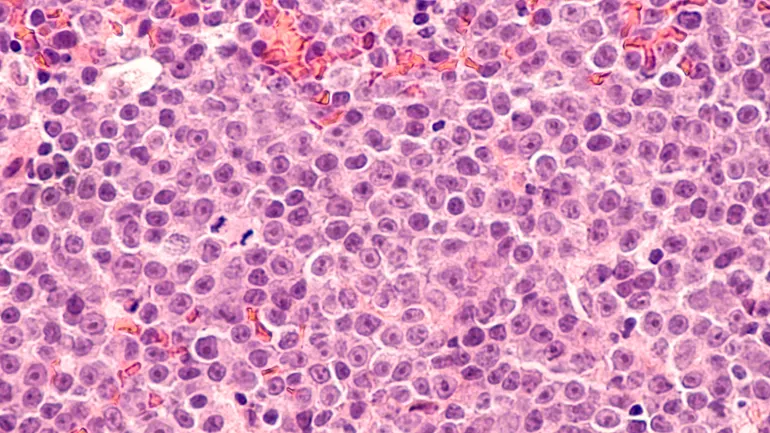
The data unveiled at the upcoming European Hematology Association meeting stems from a first-in-human (FIH) Phase 1 trial conducted in China. This trial is evaluating the safety and preliminary efficacy of LB2501 in patients whose B-cell lymphoma had progressed despite at least two prior lines of treatment, representing a population with significant unmet medical needs. The abstract, which precedes the full presentation, detailed results from 12 patients across various B-cell lymphoma subtypes, including diffuse large B-cell lymphoma (DLBCL), follicular lymphoma (FL), and mantle cell lymphoma (MCL). These aggressive and often relapsed/refractory lymphomas are areas where new therapeutic options are desperately needed.
The trial employed two different dose levels of LB2501. At the lower dose, while five of six recipients showed evidence of biological activity, no clinical responses (remissions) were observed. However, the higher dose cohort yielded dramatically different and highly encouraging results. All six recipients at the higher dose level achieved clinical remissions, defined as a reduction or complete elimination of lymphoma lesions. Furthermore, five of these six patients achieved a "complete response" (CR), signifying the disappearance of all detectable signs of cancer. These complete response rates are particularly noteworthy for a first-in-human study in such a heavily pre-treated patient population, placing LB2501 in a potentially competitive position against established ex vivo therapies known for achieving high CR rates but with significant logistical hurdles.
Safety Profile: A Favorable Comparison
The safety profile observed in the initial LB2501 trial also presents a potentially favorable comparison to existing ex vivo CAR-T treatments. Eight of the 12 enrollees experienced cytokine release syndrome (CRS), an immune response commonly associated with CAR-T therapies, characterized by systemic inflammation. However, only one patient required intervention beyond basic symptomatic management for common issues like fever, pain, or nausea. Crucially, no patients experienced immune effector cell-associated neurotoxicity syndrome (ICANS), another severe neurological side effect that can occur with ex vivo CAR-T therapies and often requires intensive management.
The reduced severity of CRS and the absence of ICANS in this initial cohort, if sustained in larger studies, would be a significant advantage for LB2501. The logistical complexity of managing severe CRS and ICANS often necessitates specialized intensive care unit (ICU) settings and highly trained personnel, contributing to the overall cost and resource intensity of ex vivo CAR-T treatments. An improved safety profile for an in vivo approach could broaden the patient population eligible for CAR-T therapy by reducing concerns about severe toxicity and simplifying post-treatment monitoring.
Market Reaction and Expert Commentary
The news of LB2501’s initial success reverberated across financial markets, with Legend Biotech’s shares experiencing a robust 30% surge on Tuesday. This significant jump underscores the market’s belief in the transformative potential of a successful in vivo CAR-T product. Wall Street analysts were quick to praise the data, recognizing its implications for the broader cell therapy landscape.

Leonid Timashev, an analyst at RBC Capital Markets, noted the potential for "blockbuster sales" for a successful in vivo product. He highlighted the inherent limitations faced by ex vivo counterparts, specifically citing "logistical bottlenecks" that constrain their commercial potential. These bottlenecks include the complex manufacturing process, the lengthy vein-to-vein time (the interval between cell collection and reinfusion), the need for specialized treatment centers, and the high cost associated with each individualized batch. An in vivo therapy that circumvents these issues could unlock a much larger market and establish a dominant position.
Timashev also emphasized the need for further data, particularly six-month follow-up results, to fully assess LB2501’s durability and competitive standing against other investigational therapies, such as those from Lyell Immunopharma. Nevertheless, he concluded that the news is "exciting both for their clinical value of the product, and strategically, because it puts forth a credible second act for [Legend] beyond Carvykti."
The Broader Landscape: Ex Vivo Challenges and In Vivo Opportunities
The enthusiasm surrounding LB2501 is best understood within the context of the broader cell therapy landscape. The journey of ex vivo CAR-T therapy, from academic breakthrough to commercial reality, has been marked by both incredible successes and persistent challenges. While therapies like Kymriah (Novartis), Yescarta (Gilead/Kite), and Tecartus (Gilead/Kite) have delivered remarkable outcomes for patients with certain blood cancers, their inherent complexity has limited their reach.
The typical ex vivo CAR-T process involves:
- Leukapheresis: Drawing blood from the patient to collect T-cells.
- Transportation: Shipping these cells to a specialized manufacturing facility.
- Genetic Engineering: Modifying the T-cells with a viral vector to express the CAR.
- Expansion: Growing millions of these modified cells in bioreactors.
- Quality Control: Rigorous testing to ensure safety and potency.
- Cryopreservation and Shipment: Freezing and shipping the finished product back to the patient’s hospital.
- Lymphodepletion: Administering chemotherapy to the patient.
- Infusion: Reinfusing the CAR-T cells into the patient.
This multi-step, personalized manufacturing process can take weeks, during which a patient’s aggressive cancer might progress. It also requires highly specialized infrastructure, skilled personnel, and significant financial investment, leading to price tags often exceeding $400,000 per treatment. These factors contribute to a significant "access gap," leaving many eligible patients unable to receive CAR-T therapy.
The advent of in vivo cell therapies, therefore, represents a potential paradigm shift aimed at overcoming these limitations. The concept has seen an "explosion in venture investments" in recent years, with numerous biotech startups dedicating themselves to this innovative approach. Major pharmaceutical companies have also recognized this potential, evidenced by a "string of recent drugmaker acquisitions" in the in vivo cell therapy space, such as Eli Lilly’s acquisition of gene-editing company Sigilon Therapeutics to enhance its in vivo cell therapy capabilities, and its collaboration with Kelonia Therapeutics, focused on in vivo gene delivery. This robust investment and M&A activity underscore the industry’s conviction that in vivo approaches are the future of cell therapy.
Legend Biotech’s Strategic Expansion Beyond Carvykti

Legend Biotech is no stranger to the cell therapy arena. The company has already achieved significant success with Carvykti (ciltacabtagene autoleucel), a personalized CAR-T therapy for multiple myeloma developed in partnership with Johnson & Johnson. Carvykti’s approval and subsequent commercial success have established Legend Biotech as a credible and innovative player in the highly competitive field of cell therapy.
The promising results for LB2501 now position the company for a "second act" that could diversify its pipeline and solidify its long-term strategic growth. By venturing into the in vivo space, Legend Biotech is not only addressing a critical unmet need in lymphoma but also demonstrating its commitment to pioneering next-generation cell therapies that promise broader accessibility and improved patient experiences. This strategic expansion is critical for maintaining leadership in a rapidly evolving biotechnological landscape, moving beyond its initial success to tackle new frontiers.
Looking Ahead: Next Steps and Future Implications
While the initial data for LB2501 is highly encouraging, several critical steps lie ahead. As noted by analysts, longer-term follow-up data, particularly six-month durability results, will be crucial to fully understand the therapy’s sustained efficacy and compare it robustly to existing treatments. Subsequent larger-scale clinical trials will be necessary to confirm these early findings in broader patient populations, across diverse geographical regions, and to further characterize the safety profile.
The development pathway for in vivo gene delivery therapies is still evolving, and regulatory bodies worldwide will need to establish clear guidelines for their approval. Questions surrounding manufacturing scalability for viral vectors, potential immunogenicity to the viral delivery system, and the long-term persistence of engineered cells in vivo will need to be thoroughly addressed.
Should LB2501 continue to demonstrate favorable efficacy and safety in larger studies, its implications for patients and the healthcare system could be profound. It could lead to:
- Wider Patient Access: By simplifying the treatment process and potentially lowering costs, more patients could benefit from CAR-T therapy.
- Reduced Treatment Burden: Eliminating leukapheresis and pre-conditioning chemotherapy would significantly improve the patient experience.
- Faster Treatment Initiation: Without the weeks-long manufacturing process, patients could potentially receive therapy more quickly, critical for aggressive cancers.
- Decentralized Treatment: The simpler administration might allow for treatment in more community-based settings, reducing the need for specialized academic centers.
- Competitive Market Dynamics: A successful in vivo product could drive innovation and competition, potentially leading to lower prices and improved outcomes across the cell therapy sector.
The initial success of Legend Biotech’s LB2501 marks a pivotal moment in the quest for more accessible and efficient cancer immunotherapies. As the scientific community awaits further data, the prospect of a truly "off-the-shelf" or "in-body" CAR-T therapy moves closer to reality, offering renewed hope for countless patients battling aggressive lymphomas and potentially other cancers in the future.
