
 By Nana O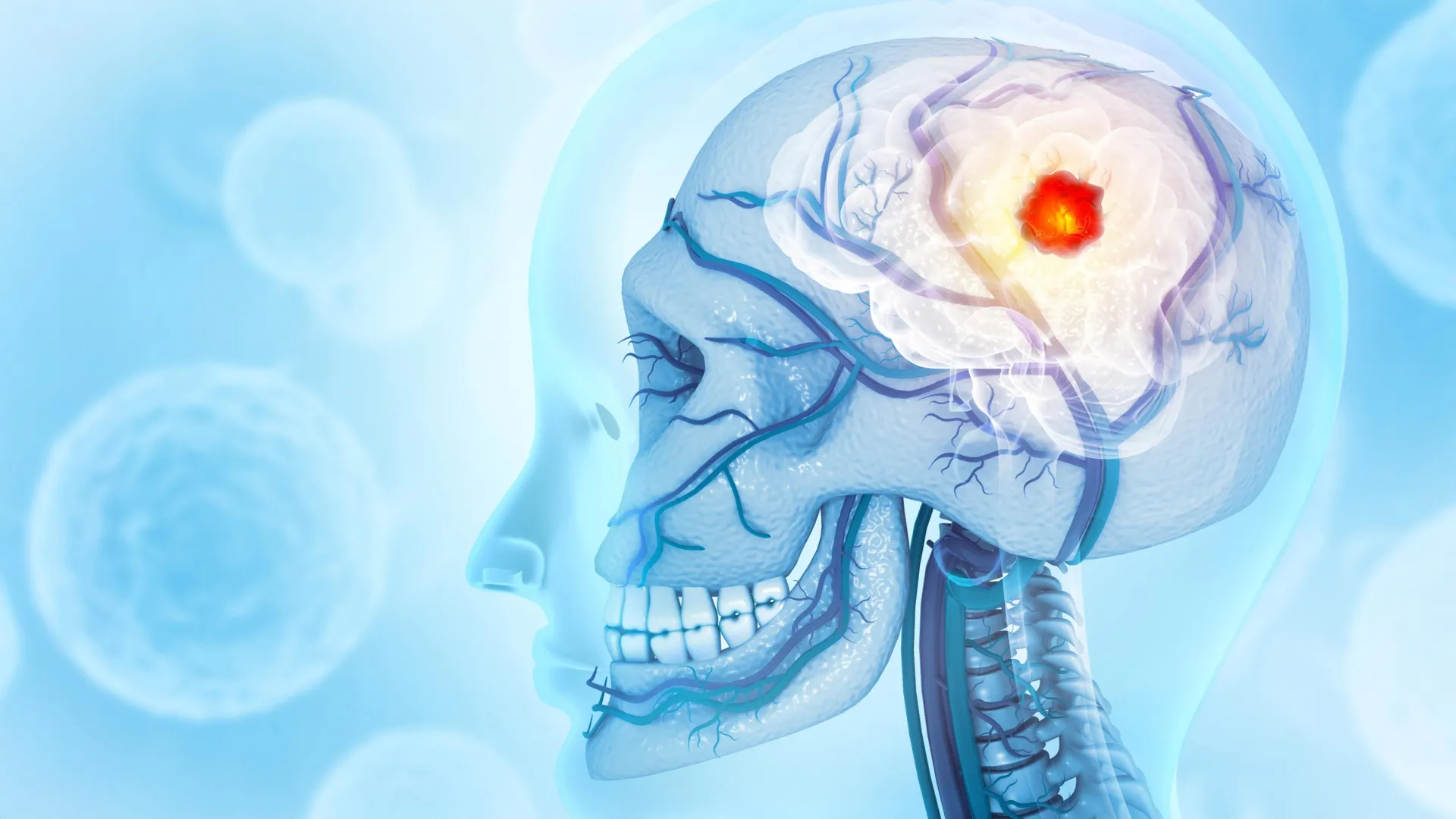
Researchers at the Montefiore Einstein Comprehensive Cancer Center (MECCC) and Albert Einstein College of Medicine have unveiled a groundbreaking discovery that fundamentally reshapes our understanding of glioblastoma, the most aggressive and lethal form of brain cancer. Far from being confined to the delicate brain tissue it invades, glioblastoma actively engages with and damages the skull itself, profoundly altering the immune environment within the skull’s bone marrow. This intricate interaction, detailed in a pivotal study published on October 3 in the prestigious journal Nature Neuroscience, suggests that current therapeutic strategies, which largely treat glioblastoma as a localized threat, may be insufficient. Crucially, the findings indicate that medications commonly used to combat bone loss could inadvertently exacerbate the disease’s aggressiveness.
A Paradigm Shift in Glioblastoma Understanding
The research team, led by Dr. Jinan Behnan, Ph.D., an assistant professor in the Leo M. Davidoff Department of Neurological Surgery and in the department of Microbiology & Immunology at Einstein, and a member of the National Cancer Institute (NCI)-designated MECCC, has illuminated a complex biological interplay previously unrecognized. "Our discovery that this notoriously hard-to-treat brain cancer interacts with the body’s immune system may help explain why current therapies — all of them dealing with glioblastoma as a local disease — have failed, and it will hopefully lead to better treatment strategies," stated Dr. Behnan, the paper’s corresponding author. This statement underscores the profound implications of the study, offering a potential explanation for the persistent challenges in effectively treating glioblastoma and paving the way for novel therapeutic approaches.
The Grim Reality of Glioblastoma
Glioblastoma poses a significant public health challenge. The National Cancer Institute (NCI) estimates that approximately 15,000 individuals in the United States are diagnosed with this devastating cancer annually. Despite advancements in medical science, the prognosis for glioblastoma patients remains grim. The current standard of care, a multi-modal approach encompassing surgery to remove as much of the tumor as possible, followed by chemotherapy and radiation therapy, offers limited reprieve. The median survival time for patients undergoing this rigorous treatment regimen is approximately 15 months, highlighting the urgent need for more effective interventions.
Unraveling the Skull-Brain Axis: A Matter of Marrow
The genesis of this research was rooted in a growing awareness of the intricate connections between the skull and the brain. Like other bones in the body, the skull is a dynamic organ housing bone marrow. This marrow is a critical manufacturing hub for various blood cells, most importantly, immune cells. Recent scientific inquiries had begun to reveal the existence of extremely fine channels that traverse the skull, facilitating a bidirectional exchange of molecules and immune cells between the cranial bones and the brain.
Dr. Behnan’s team leveraged cutting-edge imaging technologies to meticulously examine mice engineered to develop two distinct types of glioblastoma. Their observations revealed a startling phenomenon: the cancer was not merely confined to the brain tissue but actively induced erosion of the skull bones, with a particular predilection for the sutures – the fibrous joints where cranial bones fuse. This bone loss was found to be highly specific to glioblastoma and other aggressive brain tumors; it was conspicuously absent in control groups of mice that had experienced strokes, other forms of brain injury, or cancers located elsewhere in their bodies. Further reinforcing these preclinical findings, CT scans of human patients diagnosed with glioblastoma exhibited a discernible reduction in skull thickness in precisely the same anatomical regions observed in the animal models.
The researchers hypothesized that this skull bone erosion was not a passive consequence of the tumor’s presence but rather an active manipulation by the cancer. They proposed that the erosion led to an increase in both the number and the caliber of the channels connecting the skull and the brain. These enlarged conduits, they posited, could then serve as a highway for the tumor to disseminate molecular signals into the skull marrow, thereby corrupting its normally protective immune microenvironment.
A Pro-Inflammatory Shift in the Skull Marrow
To dissect the immunological consequences of these structural changes, the researchers employed sophisticated single-cell RNA sequencing techniques. This advanced methodology allowed them to analyze the genetic expression of individual cells within the skull marrow. The results were striking: glioblastoma had orchestrated a dramatic and detrimental shift in the skull marrow’s immune cell composition. The cancer favored the proliferation of pro-inflammatory myeloid cells, leading to a near doubling of inflammatory neutrophils. Concurrently, it nearly eradicated several crucial types of antibody-producing B cells, as well as other important B cell populations.
"The skull-to-brain channels allow an influx of these numerous pro-inflammatory cells from the skull marrow to the tumor, rendering the glioblastoma increasingly aggressive and, all too often, untreatable," explained Dr. E. Richard Stanley, Ph.D., a professor of Developmental and Molecular Biology at Einstein and a co-author of the study. "This indicates the need for treatments that restore the normal balance of immune cells in the skull marrow of people with glioblastoma. One strategy would be suppressing the production of pro-inflammatory neutrophils and monocytes while at the same time restoring the production of T and B cells." This statement highlights a critical therapeutic target: rebalancing the immune milieu within the skull marrow.
Systemic Implications: Skull vs. Femur Marrow
Adding further weight to the notion that glioblastoma is a systemic disease rather than a localized one, the study revealed differential responses between the skull marrow and the marrow of long bones, such as the femur. In the skull marrow, glioblastoma actively stimulated genes that promoted the production of inflammatory immune cells. In stark contrast, within the femur marrow, the cancer acted to suppress genes essential for the production of several types of immune cells. This divergence underscores the complex and site-specific ways glioblastoma can manipulate the body’s immune system.
Unexpected Interactions with Bone-Targeting Therapies
Intrigued by the direct impact of glioblastoma on bone, the researchers investigated whether anti-osteoporosis medications, designed to prevent bone loss, might influence skull bone erosion and glioblastoma progression. They administered two FDA-approved osteoporosis drugs – zoledronic acid and denosumab – to mice bearing glioblastoma tumors. Both drugs proved effective in halting skull bone erosion. However, a concerning and unexpected outcome emerged: zoledronic acid not only halted bone erosion but also appeared to accelerate tumor progression in one specific type of glioblastoma model. Furthermore, both drugs impaired the efficacy of anti-PD-L1, a promising immunotherapy drug known to enhance the activity of tumor-fighting T cells. This finding raises critical questions about the potential contraindications of using bone-protective agents in glioblastoma patients and suggests a complex interplay between bone metabolism and anti-cancer immunity.
Timeline and Research Genesis
The research project, spanning several years, began with an observation of subtle but consistent changes in the skull structure of glioblastoma patients. This initial observation, coupled with emerging literature on skull-brain connectivity, spurred the investigation into the role of bone marrow. The use of advanced imaging techniques in preclinical models allowed for the visualization of bone erosion and the characterization of cellular changes. Single-cell RNA sequencing provided the molecular-level insights into the altered immune landscape. The study’s culmination in Nature Neuroscience marks a significant milestone, consolidating years of meticulous research into a cohesive and impactful publication.
Broader Impact and Future Directions
The implications of these findings are far-reaching. They challenge the conventional view of glioblastoma as solely a brain-centric disease and advocate for a more holistic, systemic approach to its treatment. The identification of the skull marrow’s immune environment as a crucial player in glioblastoma pathogenesis opens up new avenues for therapeutic intervention. Future research will likely focus on developing strategies to:
- Restore Immune Balance: Therapies aimed at re-establishing a healthy immune cell equilibrium in the skull marrow, potentially by suppressing pro-inflammatory neutrophils and monocytes while simultaneously promoting the generation of beneficial T and B cells.
- Target Skull-Brain Communication: Interventions designed to modulate the molecular signaling pathways that traverse the enlarged skull-brain channels.
- Repurposing Existing Drugs Cautiously: A thorough re-evaluation of the use of bone-modulating agents in glioblastoma patients, considering potential adverse effects on tumor progression and immunotherapy efficacy.
- Developing Novel Immunotherapies: Designing immunotherapies that specifically target the altered immune landscape within the skull marrow or leverage the skull-brain axis to enhance anti-tumor immunity.
The study, titled "Brain Tumors Induce Widespread Disruption of Calvarial Bone and Alteration of Skull Marrow Immune Landscape," involved a multidisciplinary team of researchers. In addition to Drs. Behnan and Stanley, key contributors from MECCC and Einstein include Abhishek Dubey, Biljana Stangeland, Imane Abbas, David Fooksman, Ph.D., Wade R. Koba, B.S., Jinghang Zhang, M.D., Benjamin T. Himes, Ph.D., Derek Huffman, Ph.D., Zhiping Wu, Rachel Welch, David Reynolds, B.S., Kostantin Dobrenis, Ph.D., Qinge Ye, Kevin Fisher, and Emad Eskandar, M.D. The research also benefited from international collaborations with Erika Yamashita, Yutaka Uchida, and Masaru Ishii at Osaka University, Japan; Robert A. Harris at Karolinska Hospital, Sweden; Gregory M. Palmer at Duke University Medical Center, USA; Olivia R. Lu and Winson S. Ho at the University of California, San Francisco, USA; and Alexander F. Fiedler at the German Rheumatism Research Center (DRFZ) and Freie Universität Berlin, Germany.
This seminal work not only provides a deeper mechanistic understanding of glioblastoma but also offers a beacon of hope for developing more effective and targeted treatments for patients facing this formidable cancer. The integration of bone biology and immunology into the study of brain tumors represents a significant leap forward, promising to reshape the therapeutic landscape for one of the most challenging diseases in oncology.
