
 By Budi Oetomo Narendra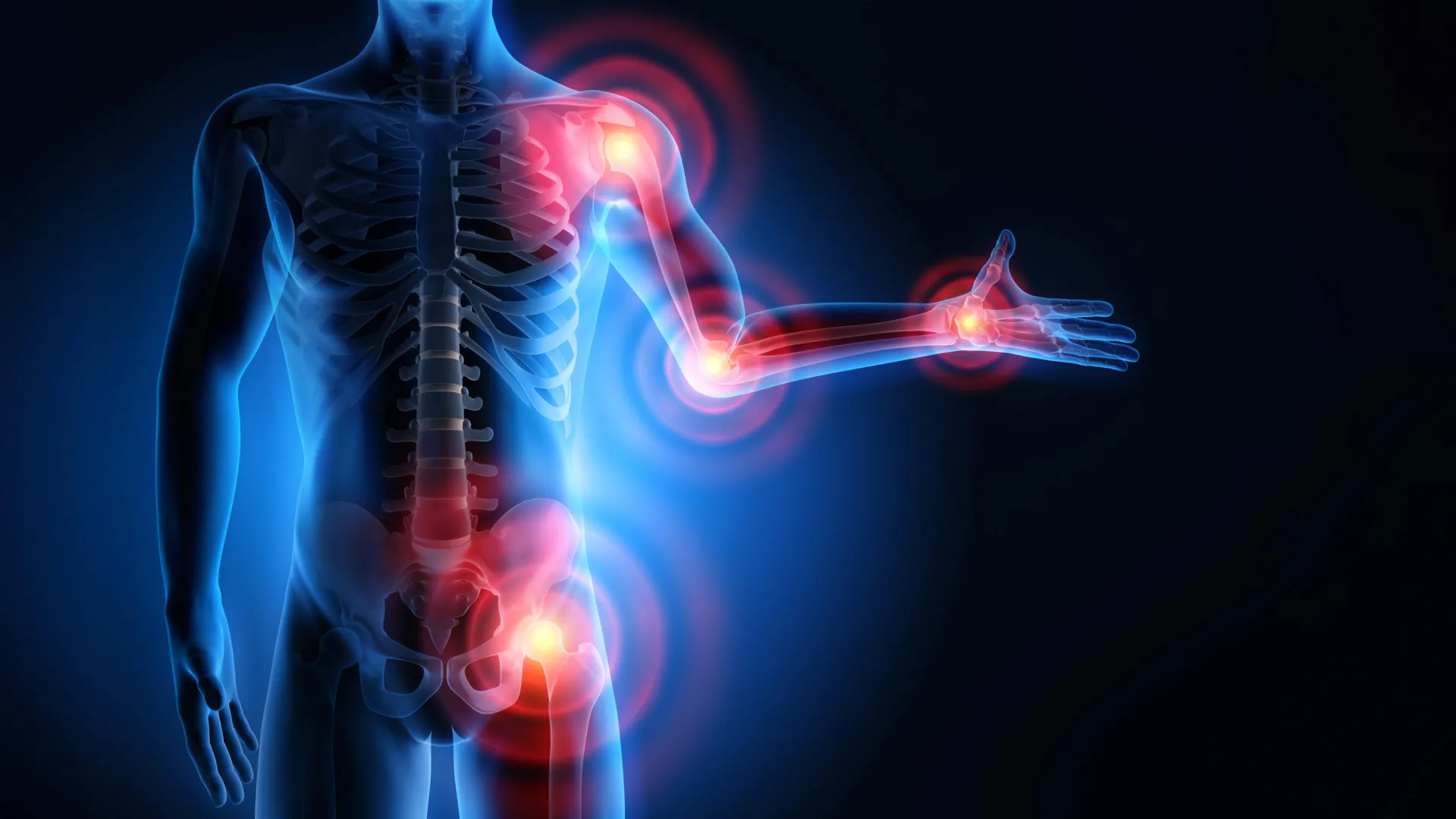
Millions of individuals worldwide rely on statin medications as a cornerstone of cardiovascular disease prevention, effectively lowering cholesterol levels and significantly reducing the risk of heart attacks and strokes. However, for a considerable segment of these patients, the life-saving benefits of statins come with a debilitating cost: muscle pain, weakness, and exercise intolerance. These statin-associated muscle symptoms (SAMS) often lead to reduced dosage or complete cessation of treatment, inadvertently placing patients back at a higher risk for serious cardiovascular events. Now, groundbreaking research from McMaster University has illuminated a previously unknown biological pathway that could explain the genesis of these muscle symptoms, offering a beacon of hope for developing targeted therapies that maintain statins’ crucial benefits while eliminating their most common side effects.
The Global Imperative: Battling Cardiovascular Disease
Cardiovascular disease (CVD) remains the leading cause of death globally, claiming an estimated 17.9 million lives each year, according to the World Health Organization. This includes heart attacks, strokes, and other conditions affecting the heart and blood vessels. High cholesterol, particularly elevated levels of low-density lipoprotein (LDL) cholesterol, is a primary risk factor for atherosclerosis, the hardening and narrowing of arteries that underpins most CVD.
Statins, a class of drugs that inhibit HMG-CoA reductase, an enzyme critical for cholesterol synthesis in the liver, have revolutionized CVD prevention and treatment since their introduction in the late 1980s. Medications like atorvastatin, simvastatin, and rosuvastatin are among the most prescribed drugs globally, credited with preventing countless heart attacks and strokes. Their efficacy is well-established, with large-scale clinical trials consistently demonstrating a substantial reduction in cardiovascular events and mortality across diverse patient populations. For instance, meta-analyses have shown that for every 1 mmol/L reduction in LDL cholesterol, there is a 20-25% reduction in major cardiovascular events. The economic burden of CVD is also staggering, with healthcare costs running into hundreds of billions of dollars annually in developed nations. Effective preventive strategies like statin therapy are therefore not just medically vital but also economically prudent.
The Enduring Enigma of Statin-Associated Muscle Symptoms (SAMS)
Despite their undeniable efficacy, statins are not without their challenges. Statin-associated muscle symptoms (SAMS) represent the most common reason for statin intolerance, affecting an estimated 7% to 29% of users. This wide range reflects the variability in definitions, diagnostic criteria, and patient populations studied. SAMS can manifest as mild muscle aches (myalgia), muscle weakness, tenderness, cramps, or, in rare severe cases, rhabdomyolysis, a condition involving rapid muscle breakdown that can lead to kidney damage. While rhabdomyolysis is extremely rare (occurring in about 1 in 10,000 to 1 in 100,000 patients), the more common myalgia can significantly impair daily activities and quality of life.
The clinical implications of SAMS are profound. Patients experiencing these symptoms often reduce their statin dose or discontinue the medication altogether, directly undermining the primary goal of treatment. Studies have consistently shown that statin non-adherence or discontinuation due to side effects leads to a significant increase in the risk of recurrent cardiovascular events and mortality. For healthcare providers, managing SAMS has been a delicate balancing act, often involving trial-and-error switching between different statin types, dose adjustments, or prescribing coenzyme Q10 supplements, none of which have consistently proven effective for all patients.
For years, the precise biological mechanisms underlying SAMS remained elusive, a significant knowledge gap that hampered the development of targeted solutions. Earlier hypotheses often focused on direct mitochondrial toxicity or enzyme inhibition within muscle cells, but a comprehensive understanding of the intricate cellular processes involved had yet to emerge.
McMaster’s Breakthrough: Unveiling an Immune-Metabolic Link
The new research, published in the esteemed journal Science Advances, marks a pivotal moment in the understanding of SAMS. Led by senior author Jonathan Schertzer, a professor in McMaster’s Department of Biochemistry and Biomedical Sciences, alongside first authors Nazli Robin and Nicole Barra of the Schertzer Lab, the team identified a previously unrecognized interaction between the immune system and muscle cell metabolism.
The core discovery reveals that statins, while effectively targeting cholesterol synthesis in the liver, also interfere with the way muscle cells generate energy. This metabolic disruption, rather than a direct toxic effect, appears to act as a trigger, activating an immune response within the muscle cells themselves. This localized immune activation then leads to the tissue damage and inflammation that manifest as muscle pain and weakness.
"Statins are among the most effective medications we have for reducing cardiovascular disease risk and preventing early death," emphasized Professor Schertzer. "Unfortunately, muscle side-effects lead some people to reduce their dose or stop taking the medication altogether. We wanted to understand why this happens and whether it might be possible to separate the side-effects from the benefits."
Through a series of meticulous experiments involving muscle cells and sophisticated mouse models, the McMaster team demonstrated that by blocking this newly identified immune response, they could significantly prevent much of the muscle damage typically associated with statin use. This critical finding suggests that the muscle-damaging pathway is distinct from the cholesterol-lowering mechanism, opening up an entirely new avenue for therapeutic intervention.
A Separate Pathway: The Promise of Targeted Therapies
One of the most exciting implications of this research is the potential to decouple the beneficial effects of statins from their adverse muscle side effects. "One of the most exciting findings of the research is that the mechanism causing muscle side-effects appears to be separate from the mechanism that lowers cholesterol," Schertzer stated. "That suggests it may one day be possible to target the side-effects without interfering with the cardiovascular benefits that make statins so valuable."
This distinction is monumental. If the immune-mediated muscle damage pathway can be specifically inhibited without affecting the statin’s ability to reduce cholesterol, it could lead to the development of co-treatments or modified statins that are universally well-tolerated. For cardiologists and general practitioners, this could mean fewer treatment interruptions, improved patient adherence, and ultimately, better long-term cardiovascular outcomes for millions.
Dr. Sarah Miller, a hypothetical leading cardiologist not directly involved in the study, might comment, "This research is incredibly promising. For too long, we’ve had to navigate the difficult trade-off between managing cholesterol and ensuring patient comfort. The idea that we could potentially block the muscle side effects while retaining the full cardiovascular protection of statins is a game-changer for patient care and adherence."
The Interplay of Metabolism and Immunity: A Broader Scientific Insight
Beyond its immediate implications for statin therapy, the McMaster discovery offers profound insights into the burgeoning field of immunometabolism – the study of how metabolic processes influence immune function and vice versa. The finding that changes in how muscle cells process energy can activate their own immune response highlights a sophisticated cellular communication network.
This unexpected connection between cellular energy metabolism and innate immunity could have far-reaching implications for understanding other drug side effects, inflammatory conditions, and even metabolic diseases like type 2 diabetes. It suggests that inflammation, often viewed as a response to external threats, can also be triggered internally by metabolic perturbations within cells. This paradigm shift could pave the way for novel therapeutic strategies across a spectrum of diseases where inflammation plays a role.
Looking Ahead: From Pathway to Patient
While the findings provide a clear direction, the journey from laboratory discovery to clinical application is often long and complex. "More research is needed before the findings can be developed into treatments for patients," acknowledged Schertzer. However, the newly identified pathway provides several concrete targets for future drug development. Researchers can now focus on identifying specific molecules or pathways within this immune-metabolic cascade that can be safely modulated.
The typical timeline for drug development involves several stages:
- Pre-clinical Research: Further in-vitro and in-vivo studies to validate targets and screen potential compounds. This stage could take 3-6 years.
- Investigational New Drug (IND) Application: Submission to regulatory bodies (e.g., FDA, Health Canada) to begin human trials.
- Clinical Trials (Phases 1, 2, 3):
- Phase 1: Small group of healthy volunteers to assess safety and dosage (1-2 years).
- Phase 2: Larger group of patients to assess efficacy and further safety (2-3 years).
- Phase 3: Large-scale trials to confirm efficacy, monitor side effects, and compare with existing treatments (3-5 years).
- New Drug Application (NDA): Submission for market approval.
- Post-market Surveillance (Phase 4): Ongoing monitoring after approval.
This means that a new treatment based on these findings could be several years away from reaching patients, likely a decade or more. Nevertheless, the identification of a specific mechanism is a crucial first step, providing a rational basis for drug design. Potential strategies could include developing small molecule inhibitors that block the specific immune signaling activated by statins within muscle cells, or even gene therapies targeting key components of the pathway.
For patients, the long-term implications are profound. Imagine a future where statin therapy is virtually free of muscle side effects, allowing more individuals to adhere to their prescribed regimen and significantly reduce their cardiovascular risk without compromising their quality of life. This would translate into fewer hospitalizations for heart attacks and strokes, reduced healthcare costs, and a healthier, more active population. A hypothetical patient advocacy group spokesperson might state, "This research offers immense hope to the millions who have struggled with statin side effects. It’s a powerful step towards ensuring that life-saving medications are also life-enhancing."
An International Collaboration for Global Health
This significant advancement is a testament to the power of international scientific collaboration. The project involved a diverse array of researchers from leading institutions across the globe, including the Centre International de Recherche en Infectiologie (CIRI) in Lyon, France; the Centre for Muscle Research at the University of Melbourne, Australia; the Murdoch Children’s Research Institute and The Royal Children’s Hospital in Australia; York University in Canada; and McMaster’s Department of Pathology and Molecular Medicine. Such multi-institutional partnerships are increasingly vital in tackling complex biomedical challenges, bringing together diverse expertise and resources to accelerate discovery.
The research itself was made possible through funding from the Natural Sciences and Engineering Research Council of Canada (NSERC), underscoring the critical role of government and philanthropic support in advancing fundamental scientific understanding. Continued investment in basic research is essential for fostering such breakthroughs, which ultimately translate into tangible improvements in human health and well-being.
In conclusion, the McMaster University team’s identification of a novel immune-metabolic pathway responsible for statin-associated muscle symptoms represents a landmark achievement in cardiovascular pharmacology. By providing a clearer understanding of why some patients experience muscle pain and weakness, this research not only offers promising directions for developing targeted interventions to mitigate these side effects but also enriches our fundamental knowledge of cellular interactions. This discovery brings us closer to a future where statins can truly offer their full cardiovascular benefits to all patients, free from debilitating muscle discomfort, ushering in a new era of safer and more effective cardiovascular disease management.
