
 By Budi Oetomo Narendra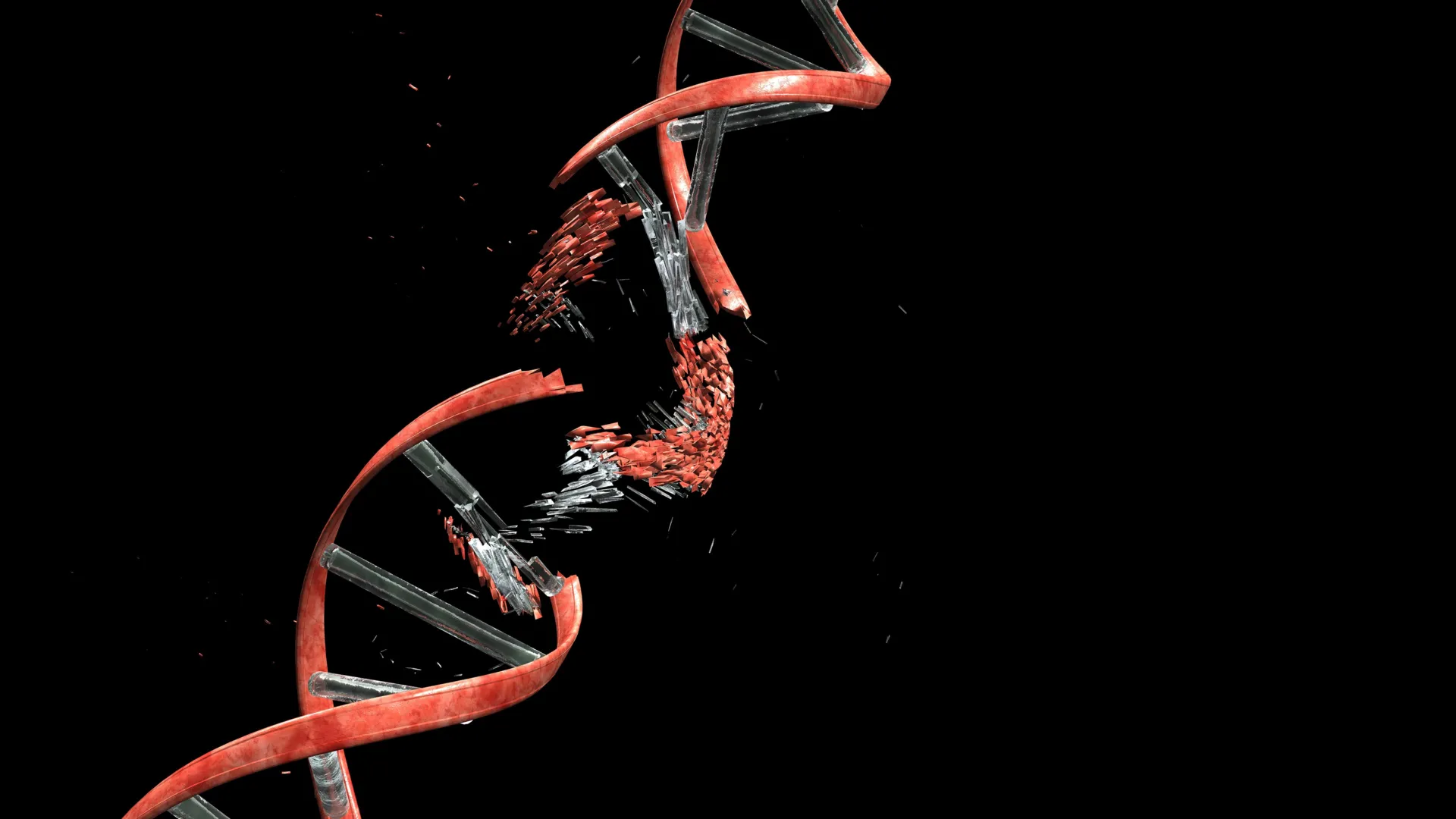
New research from the Hebrew University of Jerusalem has uncovered a previously overlooked mechanism contributing to genetic instability in cancer, suggesting that the very processes cancer cells employ for rapid growth may inadvertently trigger their own destruction and subsequent evolution. The groundbreaking study, published in Science Advances, reveals that powerful DNA control regions known as super-enhancers, which drive unusually intense activity in genes supporting tumor growth, place extreme physical strain on the DNA, leading to severe double-strand breaks. While cancer cells are often adept at repairing this damage, the repeated cycles of breakage and repair introduce errors, allowing mutations to accumulate in these highly active genomic regions. This finding posits that the biological machinery essential for rapid tumor proliferation may simultaneously destabilize their DNA, potentially enabling cancers to adapt, change, and become more aggressive over time.
Unpacking the Mechanism: Super-Enhancers and DNA Stress
At the heart of this discovery lies the function of super-enhancers, expansive clusters of regulatory DNA elements that dramatically amplify the expression of target genes. Unlike typical enhancers, which exert a moderate influence, super-enhancers are distinguished by their high density of transcription factors and coactivators, forming large active chromatin domains that drive exceptionally high levels of gene transcription. In healthy cells, super-enhancers are crucial for defining cell identity and maintaining tissue-specific functions. However, in cancer, these potent regulatory hubs are often hijacked to aberrantly activate oncogenes and other genes essential for unchecked proliferation, survival, and resistance to apoptosis.
The research team, led by PhD student Osama Hidmi under the guidance of Prof. Rami Aqeilan, observed that this forced, extreme gene activity has profound physical consequences for the DNA structure itself. The intricate process of gene transcription involves the unwinding of the DNA double helix, the movement of RNA polymerase along the DNA template, and subsequent rewinding. When this process occurs at an unusually high frequency and intensity, as driven by super-enhancers in cancer cells, it can induce significant torsional stress on the DNA molecule. This stress can manifest in various forms, including the formation of R-loops (three-stranded nucleic acid structures consisting of an RNA-DNA hybrid and a displaced single-stranded DNA), collisions between transcription machinery and DNA replication forks, and increased susceptibility to nucleases. Ultimately, these physical strains can overwhelm the DNA’s structural integrity, leading to the most severe form of DNA damage: double-strand breaks (DSBs). DSBs occur when both strands of the DNA helix are severed, representing a catastrophic event for the cell if not promptly and accurately repaired.
The Genesis of Genetic Instability: A Historical Context
Genetic instability has long been recognized as a fundamental hallmark of cancer, a concept famously articulated by Hanahan and Weinberg in their seminal reviews on the hallmarks of cancer. It refers to an increased propensity for alterations in the genome, ranging from point mutations and small insertions/deletions to large-scale chromosomal rearrangements. This instability provides the raw material for cancer evolution, allowing tumor cells to acquire new traits that promote growth, metastasis, drug resistance, and immune evasion.
Historically, various mechanisms have been implicated in driving genetic instability. These include defects in DNA repair pathways (such as homologous recombination or non-homologous end-joining), telomere dysfunction, oxidative stress, viral infections, and replication stress arising from aberrant cell cycle progression or oncogene activation. While these factors undeniably contribute to the chaotic genomic landscape of cancer, the new study from the Hebrew University introduces a compelling, direct link between the fundamental imperative of rapid tumor growth and the generation of DNA damage. It suggests that genetic instability is not merely a consequence of a broken cellular machinery but can emerge as an inherent byproduct of the very transcriptional programs that define a cancer cell’s aggressive phenotype. This finding represents a significant refinement in our understanding of cancer etiology, adding another critical piece to the complex puzzle of tumor evolution.
Precision Mapping: How the Discovery Unfolded
To precisely pinpoint the locations of DNA damage, the research team employed a sensitive genome-mapping method capable of detecting double-strand breaks across the entire cancer cell genome. This advanced technique allowed for an unprecedented resolution in mapping these severe lesions. The results were striking and highly specific: the DNA breaks did not appear randomly throughout the genome, as might be expected from generalized cellular stress. Instead, they exhibited a distinct pattern, clustering predominantly within genes that were under the direct transcriptional control of super-enhancers. This observation provided compelling evidence that the relentless transcriptional activity driven by these super-enhancers was directly responsible for inducing the physical strain and subsequent breakage of the DNA.
Furthermore, the researchers utilized a molecular "alarm" signal – specific protein markers (like γH2AX) that are rapidly recruited to sites of DNA damage – to track the cellular response. Their investigation revealed that cancer cells were not merely experiencing isolated damage events. Instead, they were engaged in a continuous, repeated cycle of damaging and then repairing DNA within these intensely active super-enhancer regions. This constant repair activity, while essential for the immediate survival of the tumor cell, simultaneously creates a dangerous opportunity for errors. Each repair event, particularly those relying on error-prone pathways, carries the risk of introducing small mistakes, deletions, or insertions. Over time, these accumulated errors in critical growth-promoting genes can lead to the acquisition of novel mutations, further fueling the cancer’s evolutionary trajectory. The detailed mapping and temporal tracking provided by this study offer a granular view of how cancer cells walk a tightrope between survival and self-inflicted genomic chaos.
A Vicious Cycle: Repair, Error, and Evolution
"Cancer cells rely on super-enhancers to keep growth genes running at high speed," explained Prof. Rami Aqeilan. "What we found is that this same high-output activity can put real strain on the DNA, creating break hotspots that the cell has to repair again and again. That cycle may help tumors survive in the short term, but it also increases the risk of mutations that can fuel cancer’s evolution." This statement encapsulates the core paradox identified by the research: a mechanism vital for immediate tumor proliferation simultaneously sows the seeds for its long-term adaptation and aggression.
The accumulation of mutations within these super-enhancer-driven genes is not a benign process. These are precisely the genes that confer a growth advantage, facilitate cell division, and enable tumor cells to evade regulatory checks. When mutations arise in these already hyperactive regions, they can confer new, often advantageous, traits to the cancer cells. These acquired characteristics can range from enhanced proliferation rates and increased invasiveness to the development of resistance against chemotherapeutic agents and targeted therapies. For instance, a mutation might alter the structure of a receptor, making it insensitive to a drug designed to block it, or it might enhance the activity of a signaling pathway that promotes metastasis. This continuous cycle of damage, repair, and mutation essentially provides a rapid evolutionary engine for the tumor, allowing it to explore a vast landscape of genomic alterations and select for those that best promote its survival and progression in a constantly changing microenvironment and under therapeutic pressure.
Expert Perspectives: Redefining Cancer’s Vulnerabilities
The scientific community has reacted with significant interest to these findings, recognizing their potential to shift paradigms in cancer biology. The study provides a compelling explanation for a significant fraction of genetic instability observed in tumors, moving beyond general replication stress to pinpoint a specific transcriptional mechanism. This specificity is crucial for developing targeted interventions.
"What is especially exciting," added Osama Hidmi, the PhD student who spearheaded the study, "Because cancer cells depend on these high-stress DNA regions to keep growing, they may also be more vulnerable there. This opens the door to treatments that target the very processes tumors rely on to survive." Hidmi’s insight highlights the potential for a "double-edged sword" strategy. The dependence of cancer cells on super-enhancers for their aggressive phenotype makes these regions critical for their survival. If these critical regions are also prone to damage due to their hyperactivity, they represent inherent vulnerabilities.
This perspective aligns with the broader field of synthetic lethality in cancer therapy, where inhibiting two non-lethal pathways simultaneously leads to cell death. In this context, therapies could be designed to either exacerbate the DNA damage in super-enhancer-driven regions or to prevent their repair, thus exploiting a dependency that cancer cells cannot easily shed. The implication is profound: cancer’s greatest strength – its relentless drive to grow – might also be its Achilles’ heel.
Translational Potential: New Frontiers in Cancer Therapy
The insights gleaned from this research open promising new avenues for cancer treatment development. The identified vulnerability suggests several therapeutic strategies:
-
Targeting Super-Enhancer Activity: Therapies could be designed to specifically disrupt the intense gene activity driven by super-enhancers. For instance, small molecule inhibitors targeting key components of the super-enhancer machinery, such as BET bromodomain proteins (e.g., JQ1) or CDK7 (cyclin-dependent kinase 7) inhibitors, have already shown promise in preclinical and early clinical trials for various cancers. These drugs aim to dismantle the super-enhancer complexes or inhibit the transcriptional machinery they recruit, thereby reducing the aberrant expression of oncogenes. By reducing this hyperactivity, such treatments might alleviate the physical strain on DNA, potentially slowing down the accumulation of mutations and thus cancer evolution.
-
Interfering with DNA Repair Mechanisms: Another strategy involves targeting the DNA repair pathways that cancer cells rely on to mend the frequent double-strand breaks occurring in super-enhancer-controlled regions. Inhibitors of DNA repair proteins, such as PARP (poly-ADP ribose polymerase) inhibitors or ATR/CHK1 inhibitors, are already established or emerging cancer therapies. Combining these inhibitors with agents that increase DNA damage or, in this case, with therapies that sustain super-enhancer-driven damage, could lead to synergistic anti-tumor effects. By preventing cancer cells from repairing the damage in these critical regions, these therapies could push the cells beyond a tolerable threshold of genomic instability, leading to cell death. This approach capitalizes on the fact that cancer cells, due to their constant damage-repair cycle, are often more dependent on intact DNA repair pathways than healthy cells.
-
Biomarker Development: The specific "break hotspots" identified in the study could potentially serve as novel biomarkers for cancer diagnosis, prognosis, or even for predicting response to certain therapies. Detecting these patterns of DNA damage might indicate the presence of highly aggressive, super-enhancer-driven tumors, allowing for more tailored and timely treatment strategies.
These therapeutic directions are not mutually exclusive and could potentially be combined for enhanced efficacy, moving towards a more personalized and adaptive approach to cancer treatment. The challenge lies in developing highly specific inhibitors that can selectively target super-enhancer activity or DNA repair in cancer cells without causing undue toxicity to healthy tissues.
The Broader Impact: Towards Adaptive Treatment Strategies
The findings underscore the dynamic nature of cancer and its remarkable ability to adapt and evolve. Understanding the intimate connection between rapid growth and genetic instability provides scientists with another critical piece of the puzzle behind cancer’s aggressive and often recalcitrant behavior. This knowledge is paramount in developing adaptive treatment strategies that anticipate and counteract cancer’s evolutionary potential.
Globally, cancer remains a leading cause of mortality, with an estimated 19.3 million new cancer cases and almost 10.0 million cancer deaths worldwide in 2020, according to the International Agency for Research on Cancer (IARC). The economic burden of cancer, encompassing healthcare costs, lost productivity, and research investment, runs into trillions of dollars annually. Discoveries like this, published in prestigious journals like Science Advances, represent crucial steps forward in the relentless fight against this complex disease.
By elucidating how one of cancer’s greatest strengths—its uncontrolled proliferation—simultaneously creates a fundamental vulnerability, this research offers a new lens through which to view tumor biology. It suggests that future therapies might exploit these inherent weaknesses, turning the very engine of cancer growth against itself. The ongoing research in this area promises to uncover further details about the molecular mechanisms involved, paving the way for clinical translation and ultimately offering new hope for patients battling this formidable disease. The journey from fundamental discovery to effective treatment is long, but this study marks a significant and exciting step in that direction, pushing the boundaries of our understanding of cancer’s intricate dance between survival and self-destruction.
