
 By admin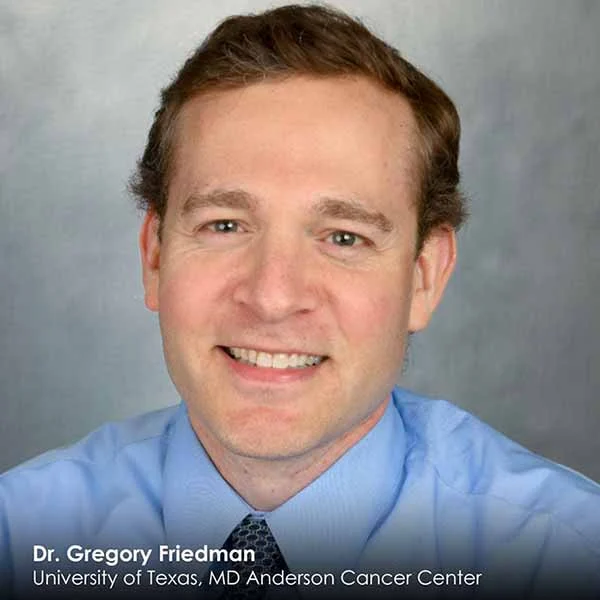
In a significant expansion of international medical collaboration, CureSearch for Children’s Cancer, a prominent United States-based nonprofit, has announced a strategic partnership with LifeArc, a leading medical research charity in the United Kingdom. This bi-continental alliance is specifically designed to co-fund and advance the work of Dr. Gregory Friedman, whose CureSearch Acceleration Initiative (AI) project is focused on revolutionizing the treatment landscape for pediatric high-grade gliomas (pHGGs). By combining resources, expertise, and a shared mission to address unmet medical needs, these organizations aim to fast-track a novel immunotherapy combination from the laboratory to clinical application, offering a beacon of hope for families facing some of the most aggressive forms of childhood cancer.
The Critical Challenge of Pediatric High-Grade Gliomas
Pediatric high-grade gliomas represent one of the most daunting challenges in modern oncology. Unlike many other childhood cancers that have seen survival rates climb over the past several decades, pHGGs remain stubbornly resistant to conventional treatments. The median survival rate for children diagnosed with these aggressive brain tumors is currently less than 30%. Within this category, certain subtypes such as Diffuse Intrinsic Pontine Glioma (DIPG) are particularly devastating, often considered incurable from the moment of diagnosis.
The current standard of care—typically a combination of surgical resection (where possible), radiation, and systemic chemotherapy—often yields limited efficacy while inflicting significant long-term toxicity on developing bodies. Because these tumors are frequently located in sensitive, non-resectable areas of the brain, surgical options are often off the table. Furthermore, the blood-brain barrier poses a formidable obstacle to many traditional drugs. The urgent necessity for innovative, targeted, and less toxic therapeutic approaches has never been more apparent, as clinicians and families alike seek treatments that can eradicate tumor cells without compromising the child’s quality of life or neurological development.
A Novel Approach: The Synergy of Oncolytic Viruses and Vaccines
Dr. Gregory Friedman’s research, based at the University of Alabama at Birmingham, represents a paradigm shift in how these tumors are approached. His project utilizes a sophisticated dual-pronged immunotherapy strategy. The first component is a modified herpes simplex virus—commonly known as the cold-sore virus—which has been genetically engineered to target and kill brain tumor cells specifically. This oncolytic virus is designed to leave healthy, normal brain cells unharmed, mitigating the devastating side effects often associated with traditional radiation or high-dose chemotherapy.
The second component of this therapy is a unique cancer vaccine known as SNAPvax. The purpose of this vaccine is to "prime" the patient’s immune system, training it to recognize and attack specific proteins found on the surface of the tumor cells. By introducing the vaccine in a precise sequence, Dr. Friedman’s team has discovered they can sustain the anti-tumor effects of the engineered virus.
The research has yielded a critical chronological insight: the timing of these interventions is paramount. Preliminary studies conducted by the team have demonstrated that delivering the vaccine prior to the administration of the virus is significantly more effective than the reverse. This sequence "excites" the immune system to focus its energy on attacking the tumor rather than prematurely clearing the virus from the body. This allows the oncolytic virus a longer window of opportunity to replicate within and destroy the malignant cells, creating a synergistic effect that is far more potent than either therapy used in isolation.
The CureSearch Acceleration Initiative: A Proven Model for Success
The funding for this project comes through the CureSearch Acceleration Initiative (AI), a program specifically designed to bridge the gap between laboratory discovery and clinical trials—a period often referred to in the pharmaceutical industry as the "Valley of Death." The AI model is rigorous, requiring projects to address significant hurdles in pediatric drug development and demonstrate a high probability of reaching clinical application within a three-year timeframe.
The success of the AI program is backed by compelling data. While the industry average for the translation of preclinical cancer drugs into clinical trials is less than 8%, CureSearch’s AI projects boast a remarkable 60% success rate. This high efficiency is attributed to a vetting process managed by CureSearch’s Scientific and Industry Advisory Councils. These councils are composed of global experts who evaluate research not just for its scientific merit, but for its commercial and clinical viability.
The partnership with LifeArc represents the first time this co-funding model has expanded internationally. For LifeArc, a charity with a storied history of contributing to the development of several life-saving drugs (including Keytruda and Actemra), the collaboration aligns with their broader strategy to improve outcomes in areas of high unmet medical need.
Chronology of Development and Future Milestones
Dr. Friedman was originally granted the CureSearch AI award in 2022, with initial support from the Rally Foundation for Childhood Cancer Research. Since the inception of the award, the "dream team" of researchers assembled by Dr. Friedman has hit several key milestones:
- Target Identification: The team successfully identified the ideal brain tumor proteins to target with the SNAPvax vaccine, ensuring the immune response is as specific as possible.
- Model Development: Researchers developed a specialized tumor model to test the efficacy of various vaccine formulations.
- Sequential Optimization: Through rigorous testing, the team established that pre-priming the immune system with the vaccine before viral injection maximizes tumor destruction.
- Clinical Trial Preparation: Dr. Friedman is currently collaborating with an industry partner to design and launch a clinical trial. This trial will test the safety and effectiveness of the combination therapy in pediatric patients who have exhausted standard treatment options.
The ultimate goal is to move this therapy into the clinic within the next 24 to 36 months, providing a new lifeline for children who currently have few, if any, effective options.
The Human Toll: A Case for Urgent Investment
The technical and financial aspects of this partnership are driven by the lived experiences of families who have faced the reality of pHGGs. Namrata and Bhavesh Pandya, residents of Harrow, London, lost their 14-year-old son Khushil to a diffuse midline glioma (DIPG) in 2017. Their story highlights the lack of progress in this specific field of oncology.
Despite Khushil’s determination to maintain a normal life—including completing his bronze Duke of Edinburgh expedition in a wheelchair—the medical community could offer no cure. "Bhavesh and I will never be ready to accept that, in this day and age where science has progressed in so many areas, with this particular tumor, there’s very little knowledge on how and why it happens," Namrata Pandya stated. Her call for moral and financial investment in children’s brain tumor treatments underscores the mission of the CureSearch-LifeArc partnership. The Pandyas’ experience serves as a stark reminder that behind every data point in a clinical trial is a family seeking more time and a better quality of life for their child.
Official Responses and Strategic Vision
Leadership from both organizations expressed confidence that this bi-continental approach will yield tangible results. Kay Koehler, President and CEO of CureSearch, emphasized the importance of international cooperation in overcoming the funding gaps that often plague pediatric research. "LifeArc’s partnership demonstrates confidence in our unique funding model," Koehler said. "Our preclinical Acceleration Initiative projects have an extraordinary track record of moving into clinical trials, and we believe Dr. Friedman’s work will continue to deliver these impactful results."
Dr. David Jenkinson, Head of Childhood Cancer at LifeArc, echoed these sentiments, noting that the project’s innovative approach was the primary driver for their involvement. "This project really stood out to us because this novel approach holds real promise in an area of high unmet medical need," Jenkinson remarked. He noted that LifeArc’s mission is to help progress research that leads to less toxic treatments, ultimately saving lives and reducing the long-term burden of cancer on survivors.
Analysis of Implications for the Pediatric Oncology Landscape
The partnership between CureSearch and LifeArc is more than just a financial transaction; it is a blueprint for the future of rare disease research. Because pediatric cancers are relatively rare compared to adult cancers, they often fail to attract the necessary investment from large pharmaceutical companies. By utilizing a "de-risked" model where nonprofit organizations and charities fund the early, high-risk stages of development, they make these projects more attractive to industry partners who can handle the large-scale manufacturing and distribution required for global clinical trials.
Furthermore, the focus on "less toxic" treatments reflects a growing trend in oncology toward "survivorship-focused" research. As survival rates for other childhood cancers improve, the medical community is increasingly aware of the "cost of the cure"—the lifelong cognitive, endocrine, and physical impairments caused by harsh treatments. Dr. Friedman’s work, by focusing on a targeted viral-vaccine approach, aims to set a new standard where the treatment is as gentle on the child as it is ruthless toward the cancer.
As Dr. Friedman’s team moves closer to clinical trials, the eyes of the global pediatric oncology community will be on this project. If successful, the combination of SNAPvax and the modified cold-sore virus could provide a foundational framework for treating other types of solid tumors in children, potentially changing the prognosis for thousands of families worldwide. This international collaboration proves that when expertise and resources cross borders, the pace of innovation can finally begin to match the urgency of the patients who are waiting.
