
 By admin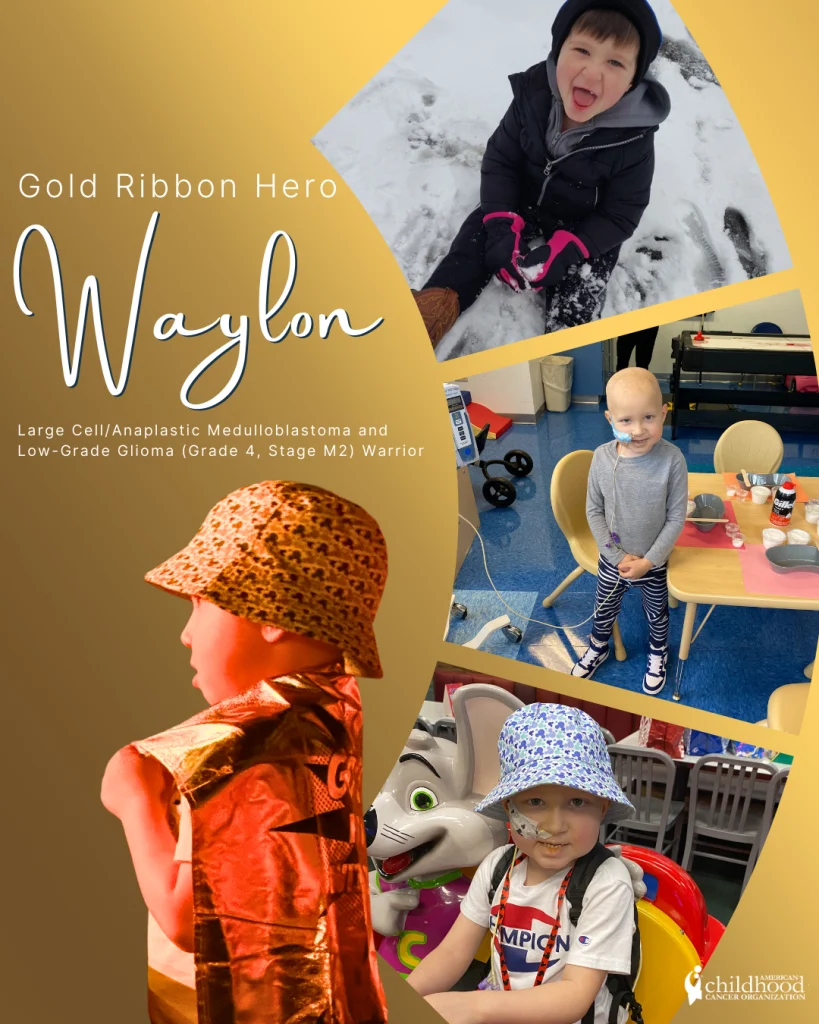
The diagnosis of a life-threatening illness in a child represents one of the most profound challenges a family can encounter, fundamentally altering their trajectory and necessitating a shift toward intensive medical intervention. For five-year-old Waylon and his family, this reality began to take shape in early 2025 following a series of concerning physical symptoms. What initially appeared to be routine childhood ailments—persistent headaches, recurring vomiting, and noticeable issues with physical balance—soon revealed a much more serious underlying condition. On April 24, 2025, Waylon was formally diagnosed with large cell/anaplastic medulloblastoma and a low-grade glioma. The clinical classification of his condition was determined to be Grade 4, Stage M2, a diagnosis that carries significant implications for treatment intensity and long-term prognosis.
Kayla, Waylon’s mother, described the moment of diagnosis as a pivotal turning point, stating that the family’s "whole world was turned upside down." This sentiment is echoed by thousands of families annually who enter the complex world of pediatric oncology. Waylon’s journey since that April afternoon has been defined by a rigorous multi-modal treatment plan designed to combat one of the most aggressive forms of pediatric brain cancer. As of late 2025, Waylon has navigated two major brain surgeries, finished a demanding course of radiation therapy, and completed 33 of a scheduled 37 rounds of chemotherapy. His resilience in the face of these procedures led to his selection as an ambassador for the American Childhood Cancer Organization (ACCO) during a high-profile fundraiser at the Grand Ole Opry in Nashville, Tennessee.
Clinical Overview of Medulloblastoma and Glioma
To understand the gravity of Waylon’s situation, it is necessary to examine the specific nature of his diagnosis. Medulloblastoma is a fast-growing, high-grade tumor located in the cerebellum—the part of the brain responsible for muscle coordination, balance, and complex motor functions. It is the most common malignant brain tumor found in the pediatric population, accounting for approximately 20 percent of all primary central nervous system (CNS) tumors in children.
The "large cell/anaplastic" variant diagnosed in Waylon is particularly noteworthy. This subtype is characterized by distinct cellular abnormalities and is traditionally associated with a more aggressive clinical course than the standard medulloblastoma. Furthermore, the Stage M2 designation indicates that the cancer has metastasized beyond the primary tumor site to other areas of the brain, specifically within the cerebellar subarachnoid space. When combined with a Grade 4 classification—the highest grade on the World Health Organization (WHO) scale—the medical necessity for immediate and aggressive intervention becomes clear.
In Waylon’s case, the presence of a concurrent low-grade glioma adds another layer of complexity to the clinical picture. While gliomas are common, the management of multiple tumor types requires a highly coordinated effort from neurosurgeons, oncologists, and radiologists. The symptoms Waylon exhibited—vomiting and balance issues—are classic indicators of increased intracranial pressure and cerebellar dysfunction, often caused by the tumor’s physical presence and the resulting blockage of cerebrospinal fluid.
A Chronology of Treatment and Resilience
The medical response to Waylon’s diagnosis was swift. Following the April 2024 confirmation of the tumors, he underwent two separate neurosurgical procedures. The primary goals of such surgeries are maximal safe resection—removing as much of the tumor as possible without damaging critical brain tissue—and the relief of hydrocephalus (fluid buildup).
Following the surgical interventions, Waylon transitioned into the adjuvant therapy phase, which included both radiation and chemotherapy. Radiation therapy for medulloblastoma typically involves craniospinal irradiation to address the risk of microscopic disease spread through the cerebrospinal fluid. For a five-year-old, this process requires precision to minimize the impact on developing brain tissues.
Waylon’s chemotherapy regimen consists of 37 rounds, a grueling schedule that tests the physical and emotional endurance of both the patient and the caregivers. Chemotherapy for high-grade pediatric brain tumors often involves a combination of agents such as cisplatin, vincristine, and cyclophosphamide. These drugs are designed to eradicate remaining cancer cells but often result in significant side effects, including fatigue, nausea, and immunosuppression. As of the latest updates, Waylon has completed 33 rounds, placing him in the final stages of this specific treatment block.
The Grand Ole Opry and the ACCO Partnership
While the medical battle occurred within the confines of sterile hospital wards, the community support for Waylon found a public stage in Nashville. Waylon was recently featured as an ambassador at the Grand Ole Opry Chili Cook-Off. This event is part of a broader partnership between the Grand Ole Opry, a cornerstone of American country music history, and the American Childhood Cancer Organization (ACCO).
The fundraiser serves a dual purpose: raising critical funds for pediatric cancer research and providing families like Waylon’s with a reprieve from the rigors of treatment. During the event, Waylon and his family were given a behind-the-scenes experience at the Opry facility, including a tour and the opportunity to watch the legendary show. These experiences are considered vital "psychosocial interventions," offering children a sense of normalcy and joy amidst their medical struggles.
The Grand Ole Opry’s involvement is significant due to its massive cultural reach. By hosting events that benefit the ACCO, the Opry helps elevate the "Go Gold" movement—the international awareness campaign for childhood cancer. Nashville, often referred to as "Music City," has a long-standing tradition of leveraging its entertainment industry to support healthcare initiatives, particularly through institutions like the Monroe Carell Jr. Children’s Hospital at Vanderbilt.
Statistical Landscape of Pediatric Cancer
Waylon’s story is a localized example of a national healthcare challenge. According to the National Cancer Institute (NCI), brain and other central nervous system tumors are the second most common cancers in children, following leukemia. However, they are the leading cause of cancer-related death among children and adolescents under the age of 19.
Despite the prevalence and severity of these conditions, pediatric cancer research remains historically underfunded compared to adult cancers. Data from advocacy groups indicate that only about 4 percent of federal funding from the National Institutes of Health (NIH) for cancer research is dedicated specifically to pediatric cancers. This funding gap places a heavy burden on private organizations like the ACCO to fill the void.
The ACCO, founded in 1970 by a group of parents, is one of the oldest and largest grassroots childhood cancer organizations in the United States. Their mission focuses on providing educational resources to families, advocating for increased research funding at the state and federal levels, and organizing community events that provide direct support to "warriors" like Waylon.
Broader Implications and the Path Forward
The implications of Waylon’s journey extend beyond his individual recovery. His role as an ambassador highlights the evolving philosophy of pediatric oncology, which increasingly emphasizes "survivorship" and the quality of life during treatment. In decades past, the singular focus was on eradication of the disease; today, medical professionals and advocacy groups work in tandem to ensure that the "whole child" is treated, including their emotional and social well-being.
Furthermore, cases like Waylon’s underscore the critical importance of early detection. The symptoms he experienced—headaches and balance issues—are frequently dismissed as minor issues in young children. Public awareness campaigns, supported by the visibility of events at the Grand Ole Opry, play a vital role in educating parents and primary care physicians about the early warning signs of CNS tumors.
As Waylon nears the completion of his 37-round chemotherapy cycle, his clinical team will likely transition him into a period of close monitoring. This phase involves regular MRI scans and neurological assessments to ensure there is no recurrence of the tumors. For the medical community, Waylon represents the success of modern multi-modal therapy; for his family, he represents a "warrior" who has faced the most daunting of odds with the support of a global community.
Conclusion
The intersection of Waylon’s medical battle and the advocacy efforts of the Grand Ole Opry illustrates the multifaceted nature of the fight against childhood cancer. It is a fight that requires high-level surgical expertise, rigorous pharmaceutical protocols, and a robust community support system. While Waylon’s journey is not yet over, the progress he has made—from the dark days of diagnosis in April to his role as a celebrated ambassador in Nashville—serves as a testament to the advancements in pediatric oncology and the enduring strength of the human spirit. Through continued research, increased funding, and public awareness, the goal remains to ensure that every child diagnosed with medulloblastoma has the opportunity to move past their diagnosis and into a healthy, cancer-free future.
