
 By Suherman Candra Maholtra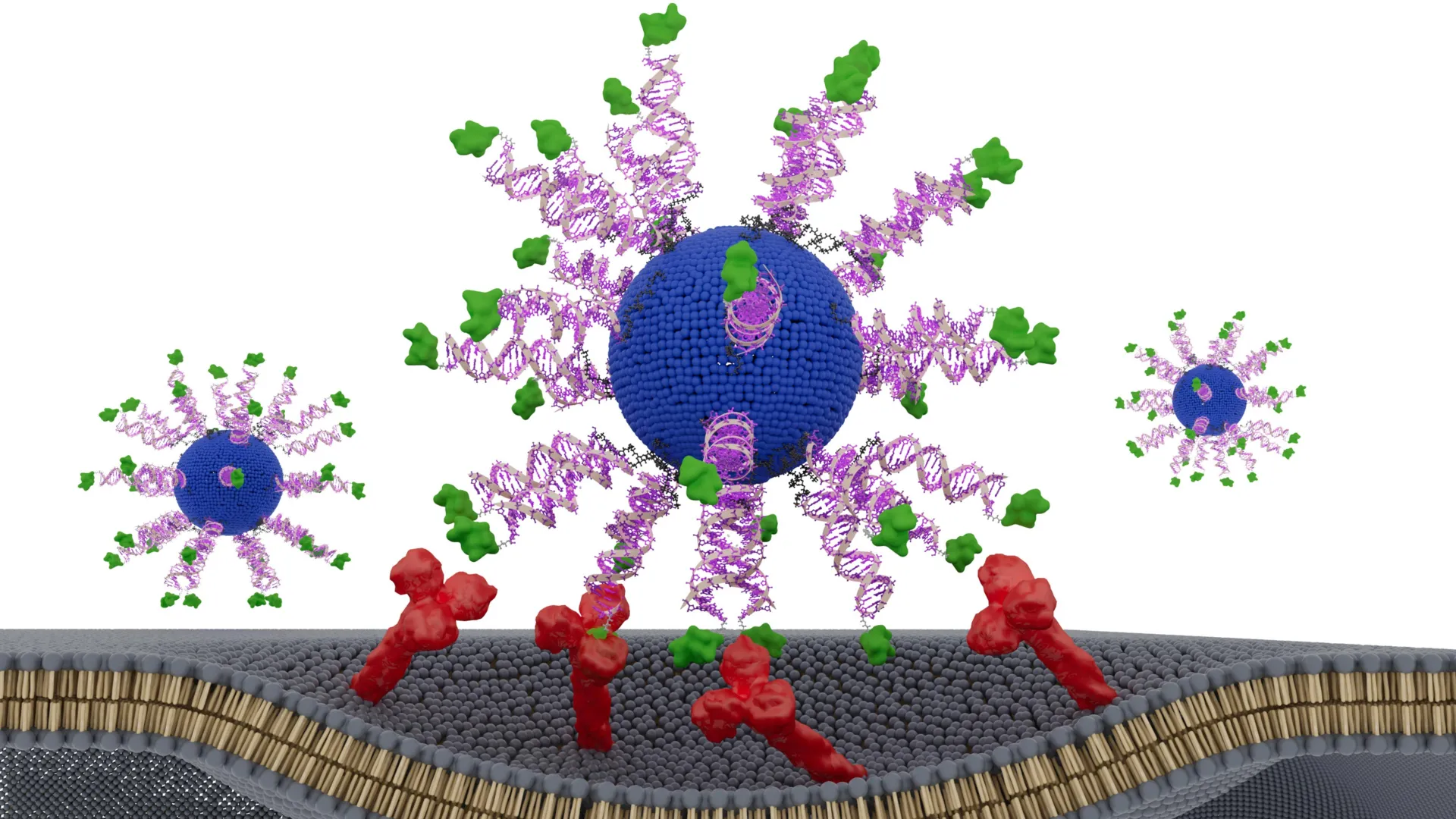
Researchers at Northwestern University have unveiled a transformative discovery in the field of immunotherapy, demonstrating that the physical arrangement of vaccine components is just as critical as the ingredients themselves. For over a decade, a team led by nanotechnology pioneer Chad A. Mirkin has investigated how the structural architecture of vaccines influences the body’s immune response. Their latest study, published in the journal Science Advances, reveals that a subtle shift in the orientation of a single cancer-targeting peptide can determine the difference between a negligible immune response and a potent, tumor-destroying attack. This breakthrough marks a significant milestone in "structural nanomedicine," a discipline that seeks to engineer medicines from the bottom up with atomic-level precision.
The study specifically addressed human papillomavirus (HPV)-driven tumors, which are responsible for a significant and growing portion of head and neck cancers, as well as the majority of cervical cancers globally. By utilizing a platform known as a spherical nucleic acid (SNA), the researchers found that placing a specific antigen on the surface of the nanoparticle in a particular orientation—specifically at the N-terminus—resulted in a vaccine that was exponentially more effective than other configurations. This discovery challenges the "blender approach" of traditional vaccine manufacturing, where ingredients are mixed without strict structural control, and offers a new framework for developing highly targeted cancer therapies.
The Evolution of Structural Nanomedicine
The foundation of this research lies in the development of Spherical Nucleic Acids, a technology invented by Chad A. Mirkin, the George B. Rathmann Professor of Chemistry at Northwestern. Unlike linear DNA or RNA, which can struggle to enter cells effectively, SNAs are globular structures consisting of a dense shell of synthetic genetic material. This unique geometry allows them to naturally penetrate immune cells and trigger a robust activation.
Mirkin, who also serves as the director of the International Institute for Nanotechnology, has spent years advocating for a shift in how the medical community views drug formulation. He argues that the pharmaceutical industry has historically focused on the chemical composition of drugs—the "what"—while overlooking the spatial organization—the "how."
"There are thousands of variables in the large, complex medicines that define vaccines," Mirkin stated regarding the study. "The promise of structural nanomedicine is being able to identify from the myriad possibilities the configurations that lead to the greatest efficacy and least toxicity. In other words, we can build better medicines from the bottom up."
This paradigm shift is particularly relevant in the wake of the COVID-19 pandemic. While the mRNA vaccines were a triumph of modern science, Mirkin points out that they lack structural uniformity. In a single dose of a traditional lipid nanoparticle vaccine, no two particles are identical in their internal organization. Structural nanomedicine seeks to replace this randomness with absolute precision, ensuring that every nanoparticle delivered to a patient is optimized for maximum therapeutic impact.
Deciphering the Geometry of Immune Activation
In their latest work, the Northwestern team focused on therapeutic vaccines designed to treat existing HPV-positive cancers. While preventive vaccines like Gardasil are highly effective at stopping infection, they do not help patients who have already developed tumors. For these patients, the goal is to activate CD8+ "killer" T cells, the elite soldiers of the immune system capable of identifying and eliminating malignant cells.
The researchers engineered several versions of an SNA vaccine targeting HPV. Each version contained the exact same chemical components: a lipid core, immune-stimulating DNA (adjuvants), and a fragment of an HPV protein (antigens). The only difference was the placement of the antigen. The team tested three primary designs:
- An "encapsulated" version where the antigen was hidden inside the lipid core.
- A "surface-presented" version where the antigen was attached to the outside via its C-terminus.
- A "surface-presented" version where the antigen was attached to the outside via its N-terminus.
The results were stark. The vaccine that presented the antigen on the surface via its N-terminus outperformed the others by a massive margin. It triggered an eight-fold increase in the production of interferon-gamma, a critical signaling protein that T cells use to kill tumors. In humanized animal models, this specific configuration significantly slowed tumor growth and extended survival rates. When tested on tumor samples from patients with head and neck cancer, the N-terminus configuration increased the cancer-killing efficacy of the immune cells by two to three times.
Dr. Jochen Lorch, a professor of medicine at Northwestern’s Feinberg School of Medicine and co-leader of the study, emphasized that the improvement did not require a higher dose or new chemicals. "The immune system is sensitive to the geometry of molecules," Lorch noted. "By optimizing how we attach the antigen to the SNA, the immune cells processed it more efficiently."
Clinical Context: The Rising Burden of HPV Cancers
The clinical implications of this research are profound, particularly given the changing epidemiology of HPV. While cervical cancer rates have declined in many developed nations due to screening and vaccination, HPV-driven head and neck cancers—specifically oropharyngeal squamous cell carcinoma—have seen a dramatic rise. These cancers often affect younger populations and can be difficult to treat once they have metastasized.
Current treatments for advanced HPV-positive cancers involve a combination of surgery, radiation, and chemotherapy, which can have debilitating side effects on speech and swallowing. Immunotherapy, such as checkpoint inhibitors, has shown promise but only works for a minority of patients. A therapeutic vaccine that could precisely "train" the immune system to recognize HPV antigens would represent a massive leap forward in personalized oncology.
The Northwestern study utilized tumor samples from the Head and Neck Cancer Program at Northwestern Medicine, providing a "real-world" validation of the SNA platform’s potential. By demonstrating that the vaccine could activate T cells from actual cancer patients, the researchers have cleared a major hurdle toward clinical application.
A Decade of Data and Preclinical Success
This latest study is not an isolated success but the culmination of a decade of systematic research into the SNA platform. Mirkin’s lab has previously applied structural nanomedicine principles to a variety of other aggressive cancers, including:
- Melanoma: Early studies showed that SNA vaccines could significantly improve the survival of mice with advanced skin cancer.
- Triple-Negative Breast Cancer: One of the most difficult-to-treat forms of breast cancer, where SNA vaccines helped prevent metastasis.
- Merkel Cell Carcinoma: A rare but deadly skin cancer where structural optimization proved key to immune recognition.
To date, seven SNA-based drugs have advanced into human clinical trials for a range of conditions, from cancer to inflammatory diseases like psoriasis. Furthermore, the SNA technology has already seen commercial success, with the structures incorporated into more than 1,000 diagnostic and research products worldwide. This established track record provides a strong foundation for the eventual FDA approval of therapeutic SNA vaccines.
The Role of Artificial Intelligence in Future Vaccine Design
Looking forward, Mirkin envisions a future where artificial intelligence (AI) and machine learning play a central role in structural nanomedicine. The sheer number of variables—the length of the DNA strands, the density of the shell, the orientation of the peptide, and the choice of adjuvant—creates a nearly infinite "design space."
"We may have passed up perfectly acceptable vaccine components simply because they were in the wrong configurations," Mirkin observed. By using AI to analyze how different structures interact with immune cell receptors, researchers can predict the most effective arrangements without having to manually test every possibility in the lab. This could drastically reduce the time and cost of drug development, allowing for "rapid-response" vaccines tailored to specific patient populations or emerging viral threats.
The ability to "revisit" failed drugs is another exciting prospect. Many promising cancer vaccines have failed in Phase II or Phase III clinical trials not because the ingredients were wrong, but because the delivery mechanism was inefficient. By restructuring these existing components into optimized SNA configurations, scientists may be able to salvage decades of research and bring effective treatments to market faster.
Conclusion and Broader Implications
The findings published in Science Advances provide a definitive answer to a long-standing question in immunology: does the physical structure of a vaccine matter? The answer is a resounding yes. By proving that the orientation of a single peptide can increase immune potency eight-fold, the Northwestern team has provided a blueprint for the next generation of immunotherapy.
This research, supported by the National Cancer Institute and the Lefkofsky Family Foundation, suggests that the "blender approach" to medicine is nearing its end. As the field of structural nanomedicine continues to mature, the focus will shift from simply finding the right biological "keys" to ensuring those keys are held in the exact position required to unlock the body’s immune defenses.
As Chad Mirkin described it, structural nanomedicine is a "major train roaring down the tracks." With the potential to treat everything from HPV to prostate cancer, the ability to engineer vaccines from the bottom up represents one of the most promising frontiers in 21st-century medicine. The transition from unstructured mixtures to precision-engineered nanostructures could eventually make cancer a manageable, or even curable, condition for millions of patients worldwide.
