
 By admin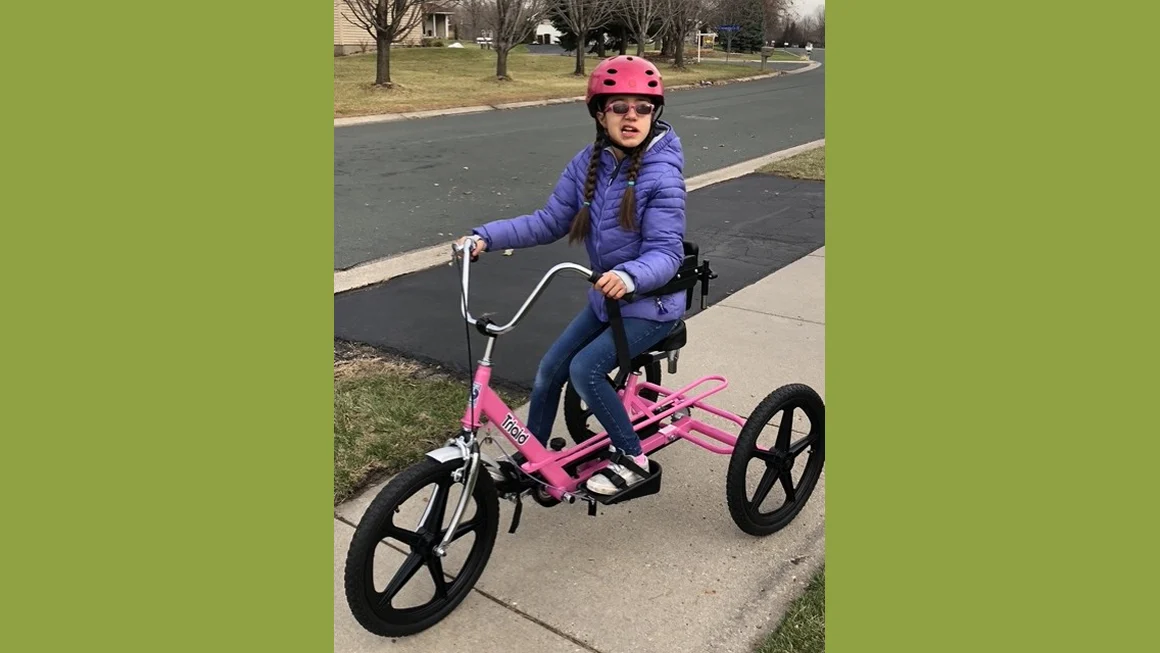
When Anikah Schmidt was only 19 months old, the trajectory of her life was irrevocably altered by a series of seemingly minor physical setbacks that escalated into a life-threatening medical crisis. For her parents, Vanessa and Ben, the initial signs were subtle: a slight loss of balance and frequent stumbles, behaviors often dismissed as the typical developmental milestones of a toddler learning to navigate the world. However, the situation shifted from concerning to critical when Anikah began a pattern of morning vomiting. These episodes occurred with a chilling consistency—only once a day, immediately upon waking—leading the family down a path of diagnostic uncertainty that eventually culminated in a devastating discovery.
After a series of blood tests and dietary adjustments failed to yield answers, a Computed Tomography (CT) scan revealed the presence of a brain tumor the size of a golf ball. The diagnosis was an ependymoma, a type of tumor that arises from the ependymal cells lining the ventricles of the brain or the central canal of the spinal cord. In Anikah’s case, the mass was creating dangerous levels of intracranial pressure, necessitating immediate emergency surgery. This moment marked the beginning of a sixteen-year journey that illustrates not only the triumphs of modern pediatric oncology but also the profound, lasting "late effects" that survivors must navigate long after they are declared cancer-free.
The Clinical Challenge of Pediatric Ependymoma
Ependymomas represent approximately 9% of all primary central nervous system (CNS) tumors in children. They are the third most common brain tumor in the pediatric population, following astrocytomas and medulloblastomas. In toddlers like Anikah, these tumors are most frequently located in the posterior fossa—the area at the base of the skull containing the cerebellum and brainstem. This location is particularly perilous, as it governs vital functions including balance, breathing, swallowing, and motor coordination.
The standard of care for ependymoma involves maximal surgical resection followed by localized radiation. For Anikah, the neurosurgical team was initially successful in removing the entire visible mass. However, because ependymomas are known for their high rate of local recurrence, the oncology team recommended follow-up treatment with proton beam radiation. At the time of Anikah’s diagnosis, proton therapy was a burgeoning technology available at only a handful of specialized centers across the United States. This necessitated the Schmidt family’s relocation from their home in Minnesota to Houston, Texas, for an intensive eight-week course of daily radiation at the MD Anderson Cancer Center.
Proton beam radiation is often preferred for pediatric patients because it allows for more precise targeting of the tumor site while sparing the surrounding healthy brain tissue. Unlike traditional X-ray radiation, which passes through the body, protons can be programmed to release their maximum energy at a specific depth and then stop. Despite these technological advantages, the proximity of Anikah’s tumor to the brainstem meant that even the most precise radiation carried significant risks.
The Paradox of Treatment-Induced Complications
The medical narrative for many cancer patients focuses on the "battle" against the disease, yet for Anikah, the most life-threatening chapter began after the cancer was gone. Months after returning to Minnesota, the family noticed a return of her balance issues. The symptoms rapidly worsened; she lost the ability to eat and swallow, eventually collapsing and ceasing to breathe.
Follow-up scans revealed a catastrophic development: severe swelling on the brainstem. This was identified as radiation necrosis, a late-stage complication where the high-energy particles intended to kill cancer cells cause inflammation and tissue death in the surrounding healthy areas. Vanessa Schmidt described the irony of the situation, noting that the very treatment designed to protect her daughter was now the primary threat to her survival.
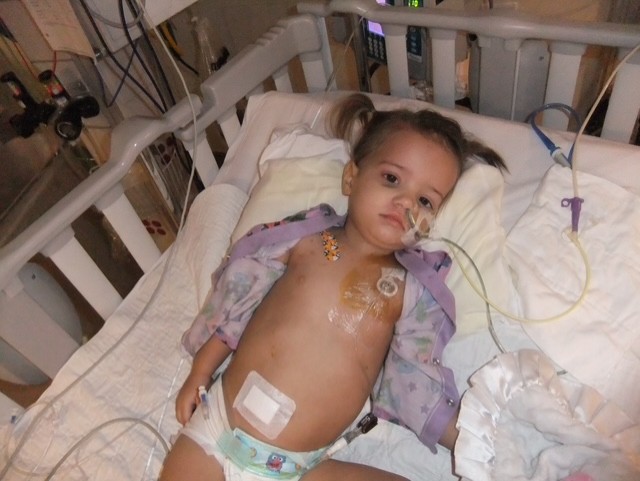
To manage this crisis, Anikah underwent a series of invasive interventions. She required a ventilator to breathe, a tracheostomy to maintain her airway, and a gastrostomy tube (G-tube) for nutrition. She also underwent hyperbaric oxygen therapy—a treatment where the patient breathes 100% oxygen in a pressurized chamber—to stimulate healing in the damaged brain tissue and reduce the swelling. While these measures stabilized her condition, they could not fully reverse the neurological damage.
A Timeline of Resilience and Rehabilitation
The chronology of Anikah’s recovery is measured in years of intensive therapy and incremental victories.
- Early Childhood: Following the brainstem swelling crisis, Anikah remained dependent on a ventilator and a feeding tube. Her motor skills were severely compromised, requiring a multidisciplinary team of physical, occupational, and speech therapists.
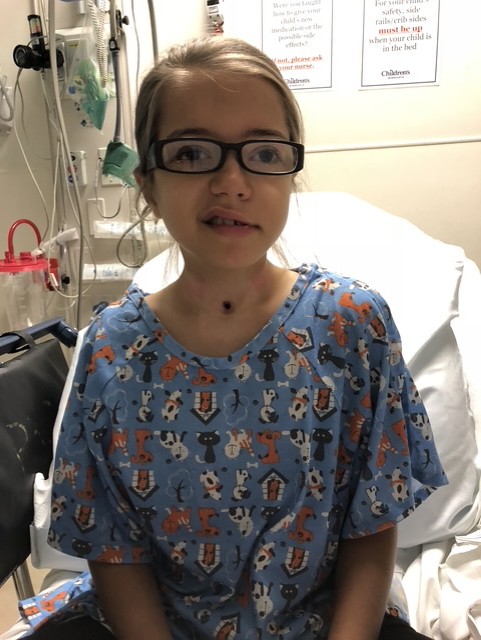
- Elementary Years: Through persistent effort, Anikah regained enough strength to transition away from full-time ventilator use. By the fourth grade, she was able to have her tracheostomy removed, a major milestone in her path toward independence.
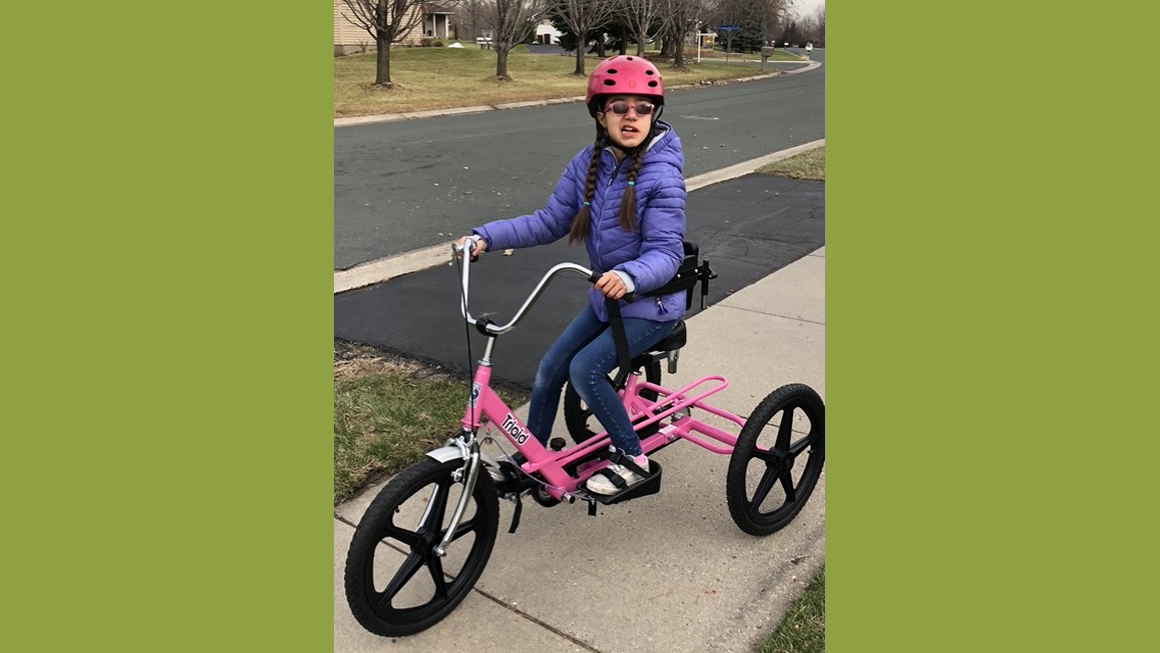
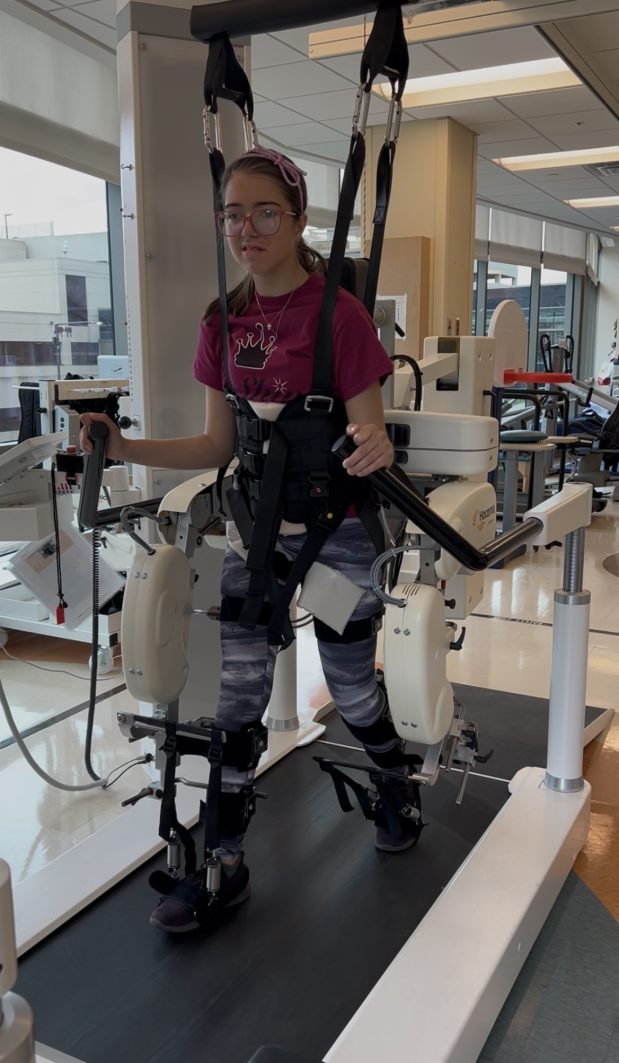
- Adolescence: Now 16 years old, Anikah has reached a level of mobility that allows her to walk independently, though she utilizes a walker in school environments for safety. She remains dependent on a feeding tube for most of her nutritional needs and requires supplemental oxygen during the night.
This timeline underscores a reality often overlooked in the public perception of childhood cancer: the "cure" is frequently the beginning of a lifelong management of disability. According to the National Cancer Institute, more than 80% of children diagnosed with cancer now survive at least five years. However, studies show that by age 50, more than 99% of childhood cancer survivors will have a chronic health problem, and 80% will have a severe or life-threatening condition related to their original treatment.
The Psychosocial Impact and the Role of Community Support
For a teenager, the physical manifestations of cancer survivorship can lead to profound social isolation. Anikah’s daily life involves a delicate balance between her desire for normalcy and the logistical requirements of her medical needs. She is an active participant in theater, cheerleading, and adapted dance, yet she remains acutely aware of her differences. The inability to participate in common rites of passage, such as overnight sleepovers, serves as a constant reminder of her medical fragility.
Recognizing the need for specialized social environments, organizations like the Children’s Cancer Research Fund (CCRF) provide funding for programs such as Camp Norden. These camps are designed specifically for children impacted by cancer, offering a space where their medical equipment and physical limitations are not outliers but part of a shared experience.
At Camp Norden, Anikah experienced a rare sense of total inclusion. Vanessa Schmidt recounted an instance where Anikah was challenged to perform push-ups. Despite her physical challenges, she was given the time and space to complete the task, eventually finishing to the cheers of her peers. Such experiences are critical for the psychological development of survivors, helping to build self-esteem and a sense of agency that can be eroded by years of clinical intervention.
Analysis of Broader Implications for Pediatric Oncology
Anikah’s story reflects a shifting paradigm in pediatric oncology. For decades, the primary metric of success was the survival rate. As those rates have climbed, the medical community has begun to pivot toward "survivorship care," which focuses on the long-term quality of life and the mitigation of late effects.
The complications Anikah faced highlight the urgent need for "gentler" treatments. Current research is heavily focused on targeted therapies and immunotherapies that can distinguish between malignant and healthy cells with greater accuracy than traditional radiation or chemotherapy. Furthermore, the use of hyperbaric oxygen and other regenerative medicines is being studied more closely to treat radiation-induced injuries.
From a policy and insurance perspective, Anikah’s journey illustrates the necessity for long-term support systems. Pediatric cancer survivors often require specialized care that extends well into adulthood, yet the transition from pediatric to adult healthcare systems is often fraught with gaps in coverage and a lack of providers who understand the unique history of childhood cancer treatments.
Conclusion: The Ongoing Journey of the Survivor
Anikah Schmidt is a survivor, but as her mother emphasizes, she is also a young woman with complex special needs. Her life is a testament to the efficacy of modern medicine and the resilience of the human spirit, but it also serves as a call to action. The victory over the tumor was merely the first stage of a lifelong endeavor.
As Anikah continues to navigate her teenage years, her story remains a powerful reminder that for many, the conclusion of chemotherapy or radiation is not the end of the cancer journey. It is the beginning of a new chapter defined by adaptation, continued rehabilitation, and the search for a community where they are not defined by their diagnosis, but by their presence and their potential. With continued investment in research and psychosocial support, the goal for survivors like Anikah is not just to live, but to thrive in a world that understands the true cost of their survival.
