
 By Lina carolina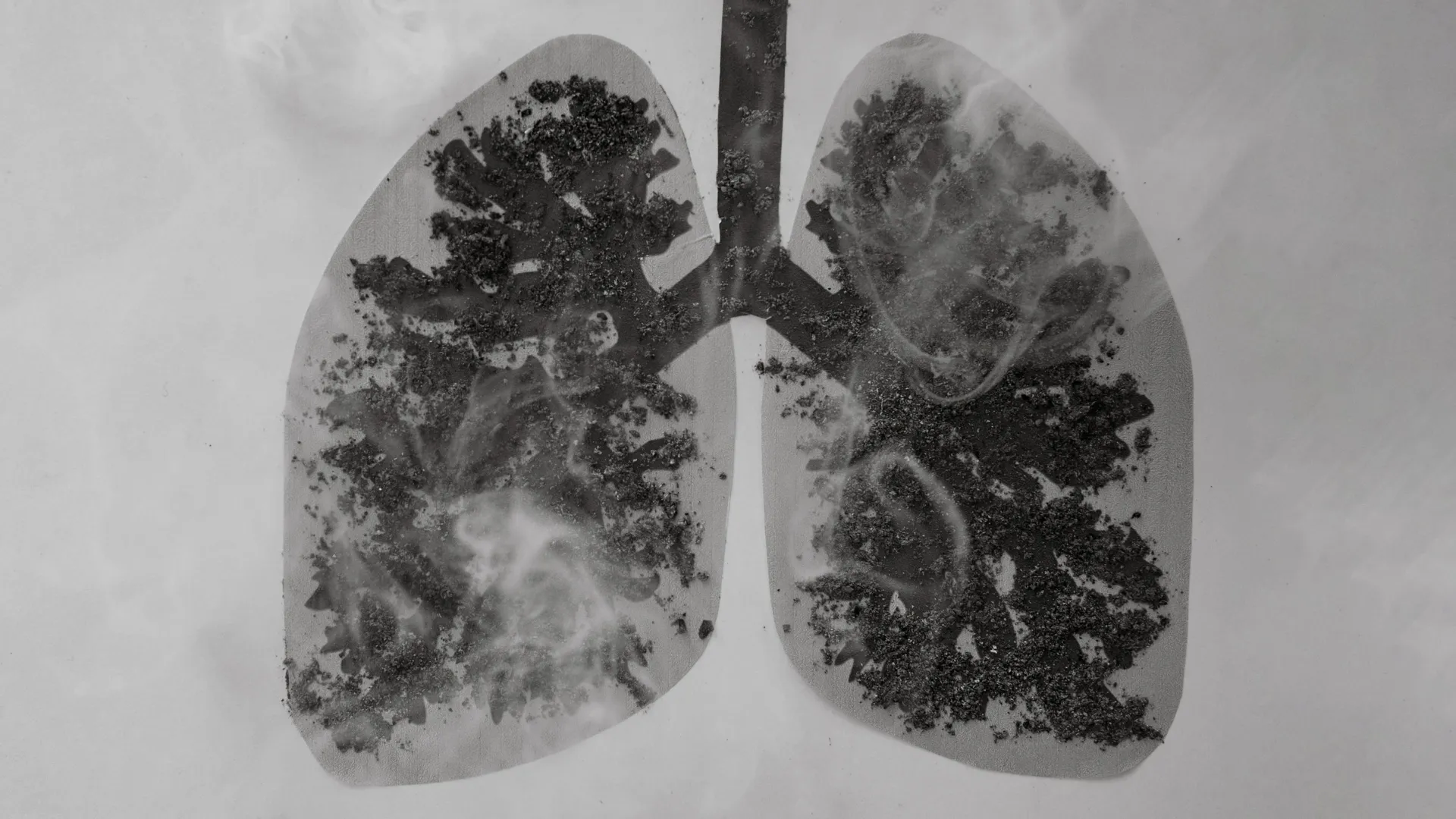
Cells harvested from the lungs of individuals diagnosed with chronic obstructive pulmonary disease (COPD) exhibit a markedly higher accumulation of soot-like carbon deposits when compared to cells from individuals who smoke but do not have COPD. This groundbreaking finding, published on June 10th in the esteemed journal ERJ Open Research, sheds new light on the cellular mechanisms underpinning this debilitating respiratory condition. Carbon, a ubiquitous environmental pollutant, can infiltrate the delicate lung tissue through various pathways, including cigarette smoke, diesel exhaust fumes, and general air pollution.
Alveolar Macrophages: The Lung’s First Responders Under Siege
The study meticulously examined a specific type of cell within the lungs known as alveolar macrophages. These cells are the body’s frontline defense, tasked with the crucial role of engulfing and clearing foreign particles and harmful bacteria that find their way into the pulmonary system. However, the research conducted by a team at the University of Manchester, UK, led by Dr. James Baker and Dr. Simon Lea, has revealed a disturbing transformation in these vital protectors when exposed to carbon. The study found that when alveolar macrophages are inundated with carbon particles, they not only grow significantly larger but also actively promote inflammation within the lung tissue.
"COPD is a complex disease with a multitude of environmental and genetic risk factors," explained Dr. Baker. "One significant contributing factor is exposure to carbon, whether it originates from smoking or breathing in polluted air. Our primary objective was to investigate the cellular processes occurring within the lungs of COPD patients as this carbon accumulates in their alveolar macrophage cells, as this accumulation may directly influence the cells’ inherent ability to protect the lungs."
Unveiling the Cellular Differences: A Microscopic Investigation
To conduct their research, the Manchester team utilized lung tissue samples obtained from surgical procedures undertaken for suspected lung cancer. Crucially, they focused on tissue samples that showed no signs of cancerous cells. These samples were sourced from a cohort of 28 individuals diagnosed with COPD and a control group of 15 individuals who were regular smokers but did not exhibit symptoms or a diagnosis of COPD.
Under high-powered microscopy, the researchers meticulously analyzed the alveolar macrophage cells from both groups. Their investigation involved precisely measuring the size of these cells and quantifying the amount of carbon that had become embedded within them. The results were stark and statistically significant.
The study revealed that the average quantity of carbon found within the alveolar macrophage cells of COPD patients was more than three times greater than that observed in the cells of individuals who smoked but were free of COPD. Furthermore, the researchers noted a consistent correlation: cells that contained visible carbon deposits were invariably larger than those with no discernible carbon accumulation. This suggests a direct relationship between carbon load and cellular enlargement.
The Impact on Lung Function: A Clear Correlation
The ramifications of this increased carbon burden extend beyond mere cellular size. The study established a significant link between the extent of carbon deposits within alveolar macrophages and a patient’s lung function. Specifically, individuals with larger accumulations of carbon in these crucial immune cells exhibited poorer lung function, as measured by FEV1% (Forced Expiratory Volume in one second). FEV1% is a key clinical indicator that quantifies the volume of air a person can forcibly exhale in the first second of expiration, a critical measure of airway obstruction. A lower FEV1% directly correlates with more severe respiratory impairment.
To further elucidate the causal relationship, the researchers conducted controlled laboratory experiments. They exposed healthy macrophages to carbon particles in a simulated environment. The observations from these in-vitro experiments mirrored the findings from the human tissue samples. The exposed macrophages dramatically increased in size, and, more alarmingly, they were observed to produce significantly higher levels of pro-inflammatory proteins. This cellular response is a key driver of the chronic inflammation characteristic of COPD, leading to the progressive and irreversible damage to the lung’s airways and air sacs.
Beyond Smoking: A Deeper Understanding of Carbon Accumulation
Dr. Simon Lea emphasized the critical distinction drawn by their research. "As we compared cells from COPD patients with cells from smokers who do not have the disease, we can clearly see that this substantial build-up of carbon is not a direct or sole consequence of cigarette smoking itself," Dr. Lea stated. "Instead, our research demonstrates that alveolar macrophages in COPD patients not only contain more carbon but are also inherently different in their physical form and functional capabilities compared to those found in smokers without COPD."
This distinction opens up a critical avenue for future research, posing intriguing questions about the precise origins of the elevated carbon levels in COPD patients’ macrophages. Dr. Lea proposed two primary hypotheses: "It could be that individuals with COPD possess a diminished capacity to effectively clear the carbon particles they inhale from their environment. Alternatively, it might be that individuals who are exposed to higher concentrations of particulate matter are accumulating this carbon, and this accumulation, in turn, contributes to the development of COPD."
Looking ahead, Dr. Lea expressed keen interest in further investigating the long-term dynamics of carbon accumulation and the sustained response of lung cells to this ongoing exposure. Such longitudinal studies could provide invaluable insights into the disease progression and potential therapeutic targets.
Expert Commentary and Broader Implications
Professor Fabio Ricciardolo, Chair of the European Respiratory Society’s group on monitoring airway disease and an independent expert not involved in the study, provided valuable commentary on the findings. "This comprehensive set of experiments strongly suggests that individuals suffering from COPD accumulate unusually large quantities of carbon within the cells of their lungs," Professor Ricciardolo observed. "This accumulation appears to be actively altering these cells, potentially leading to chronic inflammation in the lungs and ultimately contributing to a decline in lung function."
Professor Ricciardolo further highlighted the study’s significance in understanding the environmental contributors to COPD. "Furthermore, this research offers compelling clues regarding how polluted air might either initiate or exacerbate COPD," he noted. "However, it is critically important to reiterate that both smoking and air pollution are well-established risk factors for COPD and a range of other serious lung conditions. Therefore, it remains imperative that we redouble our efforts to reduce ambient pollution levels and provide robust support systems to assist individuals in quitting smoking."
The Global Context of Air Pollution and Respiratory Health
The findings of the University of Manchester study arrive at a time when global concerns over air quality and its impact on public health are at an all-time high. According to the World Health Organization (WHO), air pollution is one of the greatest environmental risks to health, claiming an estimated seven million lives prematurely each year. Ambient air pollution alone is responsible for an estimated 4.2 million deaths worldwide annually, with the majority of these occurring in low- and middle-income countries.
COPD, a progressive and irreversible lung disease, affects hundreds of millions of people globally. It is characterized by persistent airflow limitation and is primarily caused by exposure to harmful particles and gases. While smoking remains the leading cause, a significant proportion of COPD cases are attributed to occupational dust and chemical exposures, as well as indoor and outdoor air pollution. The WHO estimates that COPD is the third leading cause of death globally.
The accumulation of carbon particles, often referred to as "black carbon" or "soot," is a common component of fine particulate matter (PM2.5), which can penetrate deep into the lungs. These particles are generated from the incomplete combustion of fossil fuels, biomass, and waste. Sources include vehicle exhaust, industrial emissions, wildfires, and household burning of solid fuels for cooking and heating.
Future Directions and Public Health Imperatives
The research from Dr. Baker and Dr. Lea’s team provides a crucial piece of the puzzle in understanding the complex interplay between environmental exposures and the pathogenesis of COPD. Their work underscores the need for more targeted interventions and public health strategies.
Potential Research Avenues:
- Biomarker Development: The study’s findings could pave the way for developing new biomarkers for early detection and risk stratification of COPD. Measuring carbon load in alveolar macrophages, perhaps through less invasive methods, could identify individuals at higher risk before significant lung function decline occurs.
- Therapeutic Strategies: Understanding how carbon accumulation impacts macrophage function opens doors for novel therapeutic approaches. These could include therapies aimed at enhancing the clearance of carbon particles from the lungs, modulating the inflammatory response triggered by carbon, or even developing strategies to protect macrophages from carbon-induced damage.
- Exposure Assessment: The research highlights the importance of accurate exposure assessment. Future studies could integrate detailed personal exposure monitoring data with cellular and clinical assessments to better quantify the impact of specific pollutants on COPD development and progression.
- Intervention Studies: Longer-term studies are needed to evaluate the effectiveness of interventions aimed at reducing carbon exposure, such as improved air quality regulations, enhanced public transport, and promoting cleaner energy sources, on COPD incidence and severity.
Public Health Imperatives:
The implications of this research are far-reaching and reinforce the urgent need for action on multiple fronts:
- Smoking Cessation Programs: Continued and intensified efforts to support smoking cessation remain paramount. The study, while distinguishing carbon accumulation from smoking itself, still acknowledges smoking as a major source of inhaled carbon.
- Air Quality Regulations: Stricter regulations on industrial emissions, vehicle exhaust standards, and the promotion of cleaner energy sources are essential to reduce ambient air pollution.
- Public Awareness Campaigns: Educating the public about the health risks associated with air pollution and the importance of maintaining clean indoor air environments is crucial.
- Urban Planning: Integrating public health considerations into urban planning, such as creating green spaces and promoting non-motorized transport, can help mitigate exposure to air pollutants.
In conclusion, the study published in ERJ Open Research offers a critical insight into the cellular mechanisms of COPD, highlighting the detrimental role of carbon accumulation in alveolar macrophages. By demonstrating that COPD lungs harbor significantly more carbon than those of smokers without the disease, the research not only deepens our understanding of this complex condition but also reinforces the undeniable link between environmental exposures and respiratory health, underscoring the urgent need for concerted global efforts to combat air pollution and its devastating consequences.
