
 By Hendra Lukman
Linus Pauling, a titan of 20th-century science, a two-time Nobel laureate whose work fundamentally reshaped our comprehension of chemical bonds and protein structures, embarked on a controversial late-career crusade: the promotion of exceptionally high doses of vitamin C as a treatment for cancer. This advocacy, met with widespread skepticism from the medical establishment, ultimately led to his own death from cancer at the age of 93. He was often posthumously cited as an illustration of the "halo effect"—the fallacy that genius in one domain guarantees wisdom in another. Yet, half a century on, the narrative surrounding Pauling’s bold assertions is proving far more nuanced. While he was indeed mistaken in significant aspects, his central premise was not entirely devoid of merit. Emerging research is compelling scientists to revisit vitamin C’s role in cancer therapy, revealing that under specific conditions, it can exhibit properties more akin to a potent drug than a benign dietary supplement.
The genesis of Pauling’s vitamin C advocacy can be traced to the 1970s. Collaborating with Scottish physician Ewan Cameron, Pauling administered substantial quantities of vitamin C to patients diagnosed with advanced, incurable cancers. Initially delivered intravenously, then transitioned to oral tablets, this regimen was compared to that of similar patients who did not receive vitamin C. The reported outcomes were striking: the vitamin C-treated group not only experienced extended survival but also improved quality of life, with some cases suggesting survival periods several times longer than anticipated.
These encouraging preliminary findings prompted rigorous investigation by the Mayo Clinic, a preeminent non-profit medical institution in the United States. Two large-scale clinical trials were designed to definitively test Pauling and Cameron’s hypothesis. The results, however, presented a stark contradiction. The trials concluded that patients receiving vitamin C in tablet form showed no significant difference in survival rates compared to those who did not. For the majority of oncologists at the time, these findings effectively closed the book on the matter. Vitamin C was relegated to the category of "alternative" remedies, and Pauling’s fervent campaign was widely dismissed as a poignant misstep in the twilight of a remarkable career.
However, a critical distinction, overlooked by both proponents and detractors of the Mayo Clinic trials, lay in the delivery method. Pauling and Cameron’s initial approach involved intravenous administration, whereas the Mayo Clinic studies relied solely on oral tablets. This difference is physiologically significant. The human gastrointestinal tract has a limited capacity for absorbing vitamin C. Beyond a certain modest daily intake, the body’s absorption rate plateaus; ingesting vast quantities of tablets does not proportionately increase circulating vitamin C levels.
In contrast, intravenous infusion can achieve blood concentrations of vitamin C tens or even hundreds of times higher than what is attainable through oral supplementation. At these supra-physiological levels, vitamin C’s biochemical behavior undergoes a profound transformation.
At typical dietary levels, vitamin C functions as an antioxidant, a vital scavenger of harmful free radicals that can damage cellular structures. However, at extremely high concentrations, particularly in the localized environment of tumors, its role can invert. Laboratory investigations have demonstrated that high-dose vitamin C can facilitate the generation of hydrogen peroxide, a reactive oxygen species capable of inducing cellular damage. Cancer cells, already under significant metabolic stress due to their rapid proliferation, often in poorly vascularized environments, and their inherent production of reactive molecules, appear particularly susceptible to this oxidative assault. Their internal cellular defense mechanisms are frequently overwhelmed, leaving them vulnerable.
The introduction of a sudden pulse of hydrogen peroxide, catalyzed by high-dose vitamin C, can push many cancer cells past a critical threshold. Their DNA and energy production pathways become compromised, leading to cell death. Crucially, normal, healthy cells, which are under less stress and possess more robust defense systems, are generally more resilient and likely to survive this oxidative challenge. In this context, extremely high doses of vitamin C act not as a gentle supplement but as a targeted, albeit weak, chemotherapeutic agent. It is paramount to note that the concentrations required for this cytotoxic effect cannot be achieved through oral administration.
The Evolving Landscape of Vitamin C in Cancer Research
Fifty years after Pauling’s initial claims, the scientific community is cautiously re-examining vitamin C’s potential in cancer treatment, armed with a deeper understanding of its pharmacological actions. While the evidence remains in its nascent stages and is characterized by considerable variability, several small-scale clinical trials have explored the administration of high-dose intravenous vitamin C to patients with challenging malignancies, including ovarian, pancreatic, and brain cancers. A notable observation across these studies is the generally good tolerability of high-dose infusions, with many patients able to receive treatment multiple times weekly without experiencing severe adverse events. However, potential complications exist, particularly for individuals with compromised kidney function or specific rare genetic predispositions, underscoring that intravenous vitamin C is far from a benign wellness treatment.
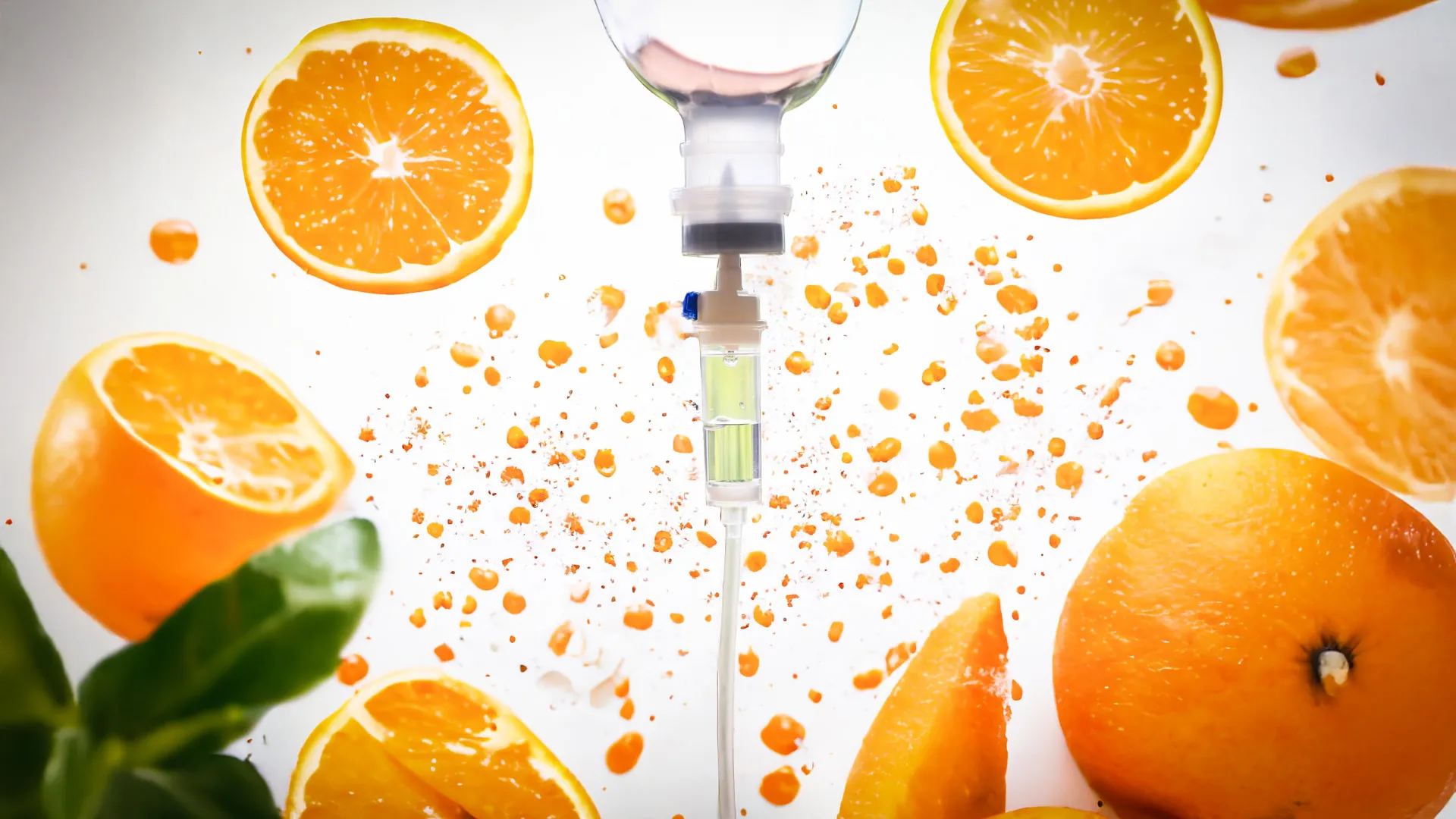
A subset of studies suggests that the integration of vitamin C infusions into conventional chemotherapy regimens might offer modest benefits, potentially extending survival or mitigating treatment-related side effects. Conversely, other trials have failed to demonstrate a clear advantage. The heterogeneity of these trials—ranging in size, patient populations, and specific protocols—precludes definitive conclusions at this juncture.
One consistently reported positive signal, however, pertains to the quality of life for cancer patients. Those receiving vitamin C infusions alongside chemotherapy frequently report reduced fatigue, diminished pain, and alleviation of common side effects such as nausea. For individuals grappling with advanced cancer, these improvements, while not the panacea Pauling envisioned, hold significant value.
Beyond its direct cytotoxic potential, laboratory research also points towards more intricate roles for vitamin C in cancer biology. Vitamin C is intrinsically involved in enzymatic processes that regulate DNA methylation—the process by which genes are switched on or off—and cellular division. Its influence extends to how cells respond to low-oxygen environments, a critical factor in tumor growth and metastasis.
In experimental settings, elevated vitamin C levels have been observed to reduce the aggressiveness of cancer cell proliferation and enhance their sensitivity to existing therapeutic agents. Furthermore, preliminary evidence hints at vitamin C’s potential to augment the immune system’s capacity to identify and target tumor cells, although this remains a speculative area of investigation.
A Nuanced Verdict: Partly Right, Exaggerated Promise
The question of whether Linus Pauling was ultimately "right" about vitamin C and cancer elicits a complex response: he was partly right, though for reasons he did not fully grasp, and he significantly exaggerated its therapeutic promise. His promotion of vitamin C tablets as a definitive cancer cure has been definitively disproven by large, well-designed trials that found no evidence of increased survival for patients with established cancer. His broader assertion of vitamin C as a near-universal panacea for a wide array of ailments also proved unfounded.
However, Pauling was not entirely mistaken in his intuition that vitamin C might possess a unique therapeutic role in oncology. He presciently sensed, long before the scientific community could substantiate it, that very high doses delivered intravenously would exert distinct biological effects compared to standard dietary supplements.
Contemporary research has corroborated this fundamental insight: intravenous vitamin C administration achieves substantially higher blood concentrations and elicits unique pharmacological actions. The crucial missing piece remains large-scale, definitive randomized controlled trials that unequivocally demonstrate that high-dose intravenous vitamin C demonstrably prolongs life for the majority of cancer patients. Until such robust evidence emerges, its application must be considered experimental—promising enough for continued investigation, but not yet established enough to supplant conventional therapies. Any utilization of this modality should be confined to the rigorous environment of clinical trials or carefully supervised medical settings, rather than being marketed as a generalized "immune boost."
The ongoing exploration of vitamins in cancer therapy is a dynamic field, with vitamin D and vitamin B3 also showing potential in different contexts. The narrative surrounding vitamin C and cancer serves as a potent reminder that scientific progress rarely follows a linear path. A bold hypothesis, followed by flawed early studies, a fierce scientific backlash, and then, years later, a more measured and scientifically rigorous re-examination of the original question—this cyclical pattern is a hallmark of scientific discovery.
Linus Pauling may never receive full vindication for all his claims, but to dismiss him as simply deluded would be an oversimplification. In his unyielding enthusiasm, he may have perceived a flicker of a profound truth, a glimpse of a therapeutic avenue that the scientific community was not yet equipped to fully comprehend or validate. The story of vitamin C in cancer treatment continues to unfold, promising further insights into the intricate interplay between nutrition, cellular biology, and the complex fight against disease.
