
 By Budi Oetomo Narendra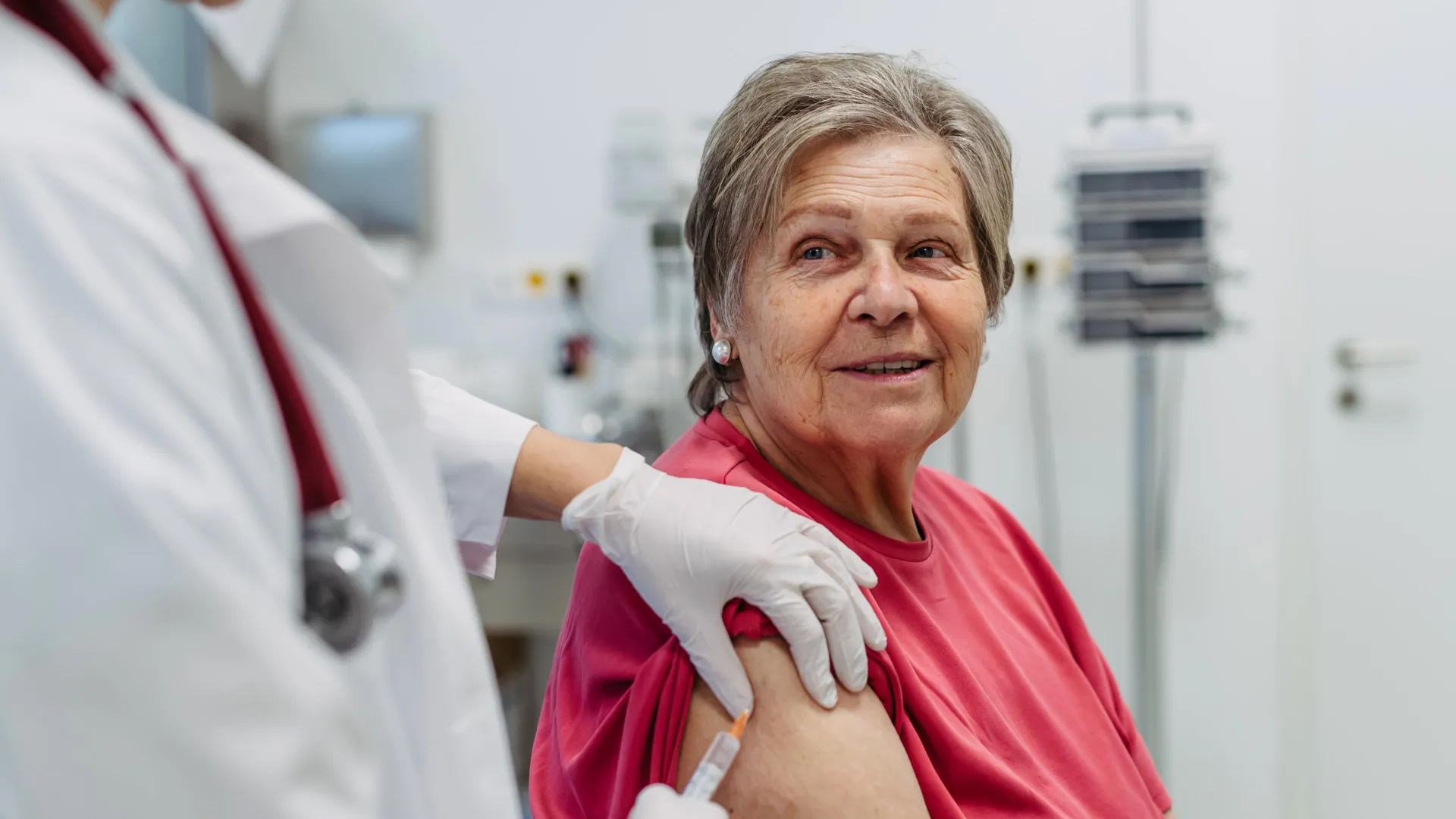
The groundbreaking study sheds light on a significant challenge in public health: the diminished effectiveness of vaccines in older populations. As individuals age, their immune systems naturally become less robust and efficient, a process scientifically termed immunosenescence. This decline makes it increasingly difficult for the body to mount a strong defense against infections and respond optimally to vaccinations, leaving many older adults more vulnerable to severe illness and complications. The recent findings suggest that spermidine, a polyamine found naturally in the body and certain foods, could offer a promising strategy to mitigate some aspects of this age-related immune decline, thereby enhancing vaccine-induced protection.
Immunosenescence: A Growing Public Health Concern
Immunosenescence represents a complex, multifactorial biological process characterized by a gradual deterioration of immune function over time. This decline is not merely a quantitative reduction in immune cells but involves profound qualitative changes in both innate and adaptive immune responses. Key hallmarks include thymic involution, where the thymus gland, crucial for T-cell maturation, shrinks and produces fewer new T cells. This leads to a reduced diversity in the T-cell repertoire, an accumulation of less efficient memory T cells, and a diminished capacity to respond to novel pathogens. Similarly, B-cell function can become impaired, resulting in lower antibody production, reduced antibody affinity, and a poorer ability to generate long-lasting immunity after vaccination.
Compounding these cellular changes is the phenomenon of "inflammaging," a chronic, low-grade systemic inflammation that is a hallmark of aging. This persistent inflammatory state contributes to tissue damage and further impairs immune cell function, creating a vicious cycle that accelerates immunosenescence. The cumulative effect of these changes is a heightened susceptibility to infections, including common seasonal influenza, pneumonia, and emerging viral threats like SARS-CoV-2. According to the World Health Organization, respiratory infections are among the leading causes of death in older adults globally, often exacerbated by a weakened immune system. Furthermore, immunosenescence is implicated in the increased incidence of autoimmune diseases and certain cancers in older age.
The COVID-19 pandemic starkly illuminated the profound implications of immunosenescence on public health. While vaccines proved highly effective in younger populations, data consistently showed that older adults often exhibited lower antibody titers and T-cell responses compared to their younger counterparts, even after multiple doses. For instance, studies during the early phases of the pandemic revealed that vaccine efficacy against infection and severe disease could be notably lower in individuals over 70, sometimes requiring booster doses to achieve comparable protection. This observation echoed similar patterns seen with influenza vaccination, where annual vaccine efficacy can be significantly lower in older adults, necessitating the development of high-dose or adjuvanted vaccines specifically for this demographic.
Spermidine: A Natural Modulator of Cellular Health
The research, spearheaded by Dr. Katja Simon, Group Leader of the Cell Biology of Immunity lab at the Max Delbrück Center, and Dr. Ghada Alsaleh, Associate Professor at the Nuffield Department of Orthopaedics, Rheumatology & Musculoskeletal Sciences (NDORMS) of the University of Oxford, focused on spermidine’s potential to counteract these age-related immune challenges. Spermidine is a naturally occurring polyamine that plays a vital role in various cellular processes, including cell growth, proliferation, and differentiation. It is endogenously produced by human cells and gut microbiota, and is also readily available through diet, found in high concentrations in foods such as wheat germ, mature cheeses like parmesan and cheddar, mushrooms, and soybeans.
Previous research has established spermidine’s involvement in cellular maintenance mechanisms, particularly its role in inducing and enhancing autophagy. Autophagy, meaning "self-eating," is a fundamental cellular recycling process where cells identify, engulf, and degrade damaged or dysfunctional components, such as misfolded proteins, worn-out organelles, and intracellular pathogens. This meticulous clean-up operation is crucial for maintaining cellular homeostasis, promoting cell survival, and preventing the accumulation of toxic waste products that can lead to cellular dysfunction and aging. As individuals age, the efficiency of autophagy tends to decline, contributing to cellular senescence and the accumulation of damaged cells. By boosting autophagy, spermidine is thought to help cells rejuvenate and maintain optimal function, thereby potentially mitigating age-related decline across various physiological systems. Beyond autophagy, spermidine has also been linked to other anti-aging pathways, including epigenetic modifications and anti-inflammatory effects, making it a molecule of considerable interest in gerontology.
The Pilot Study: Investigating Spermidine’s Immunomodulatory Potential
To investigate whether spermidine could improve vaccine responses in older adults, Dr. Simon and Dr. Alsaleh’s team designed a rigorous pilot study. The project also benefited from the expertise of researchers from the Oxford Vaccine Group, including Drs. Paul Klenerman, Teresa Lambe, and Lucy Jones, alongside Owen B. Spiller from Cardiff University, highlighting a collaborative effort across leading institutions.
The study enrolled 40 healthy adults aged 65 and older, a demographic particularly susceptible to weakened vaccine responses. Participants had all received their third dose of a COVID-19 vaccine, ensuring a consistent baseline for immune stimulation. Following vaccination, participants were randomly assigned to one of two groups: one receiving six milligrams of spermidine daily, and the other a placebo, for a period of 13 weeks. This double-blind, placebo-controlled design is a gold standard in clinical research, minimizing bias and strengthening the reliability of the findings.
The researchers paid particular attention to a subgroup within the study population: those who had exhibited very weak antibody responses even after three doses of the COVID-19 vaccine. This "vaccine non-responder" group represents a critical challenge for public health, as these individuals remain inadequately protected despite adherence to vaccination protocols. Analysis of their immune cells revealed distinct biological markers of accelerated aging, including greater DNA damage and an abundance of molecular markers associated with cellular senescence. Cellular senescence occurs when damaged or aging cells cease to divide and function normally but resist programmed cell death (apoptosis), instead accumulating in tissues and secreting pro-inflammatory molecules that contribute to chronic inflammation and tissue dysfunction.
Promising Results: Stronger Responses and Reduced Immune Aging Markers
The findings from the pilot study offered a significant ray of hope. Among the vaccine non-responders who received the daily spermidine supplement, several indicators of vaccine-related immunity showed substantial improvement. These participants generally developed higher levels of antibodies specifically targeting SARS-CoV-2, indicating a more robust humoral immune response. Furthermore, their immune cells demonstrated stronger neutralizing activity against several prevalent SARS-CoV-2 viral variants, a critical measure of protective immunity that indicates the antibodies’ ability to block viral entry into cells.
Beyond enhancing antibody responses, the researchers observed a positive impact on the underlying biological mechanisms of immune aging. Spermidine supplementation was found to lower key markers associated with immunosenescence, suggesting a reversal or amelioration of some age-related immune decline. Crucially, the supplement also increased autophagy, the natural cellular recycling process. This finding reinforces the hypothesized mechanism of action: by boosting autophagy, spermidine appears to help immune cells remove damaged material and maintain normal function, thereby creating a more youthful and responsive cellular environment.
"Many older adults respond well to vaccines," Dr. Alsaleh explained, contextualizing the study’s importance. "But some do not develop strong protection, even after repeated vaccination. Biological aging of immune cells may be one reason why this happens. Our findings suggest that spermidine could help restore aspects of immune function in this group." This statement underscores the targeted nature of the research, aiming to address the specific vulnerabilities of a subgroup within the older adult population.
Importantly, the spermidine supplement appeared to be safe and well-tolerated by the participants. The researchers reported no adverse effects associated with the treatment, a crucial factor for any potential intervention aimed at a broad population, especially older adults who may be on multiple medications.
Implications and The Road Ahead: Larger Trials Needed
While the results are highly encouraging, the researchers wisely caution that the findings should be viewed as early evidence rather than definitive proof. "This study was designed as a pilot trial and involved a relatively small number of participants," Dr. Simon stated. "Larger studies will be needed to determine whether spermidine can consistently improve vaccine responses and whether similar effects are seen with other vaccines, such as those used against seasonal influenza."
The implications of these pilot findings are substantial, both for public health and for the broader field of aging research. If confirmed in larger trials, spermidine could represent a simple, accessible, and safe intervention to enhance vaccine efficacy in older adults, potentially reducing the burden of infectious diseases and their associated morbidity and mortality. This could have a profound impact on healthcare systems, particularly in an era of rapidly aging global populations. According to the United Nations, the number of people aged 65 years or over is projected to double globally by 2050, emphasizing the urgent need for strategies to maintain health and resilience in later life.
Future research will need to address several key questions:
- Larger-scale Clinical Trials: The most immediate next step is to conduct larger, multi-center, randomized controlled trials with a more diverse participant pool to confirm these preliminary findings and establish statistical significance.
- Broader Vaccine Efficacy: Investigate whether similar benefits are observed with other critical vaccines for older adults, such as those against influenza, pneumococcal disease, and shingles.
- Optimal Dosing and Duration: Determine the most effective dose and duration of spermidine supplementation for maximizing immune enhancement while maintaining safety.
- Mechanism Elucidation: Further explore the precise molecular pathways through which spermidine exerts its immunomodulatory effects, potentially identifying new therapeutic targets.
- Long-term Effects: Assess the long-term safety and efficacy of spermidine supplementation on immune function and overall health outcomes in older adults.
- Dietary vs. Supplemental Spermidine: While spermidine is found in food, the study used a supplement. Research could explore whether dietary interventions focused on spermidine-rich foods could yield similar benefits, though achieving the precise dosage might be challenging.
- Targeted Interventions: Identify specific subgroups of older adults who might benefit most from spermidine supplementation, such as those with pre-existing conditions that further impair immune function.
The promise of a naturally occurring compound like spermidine to bolster immune responses in an aging population offers a compelling avenue for future public health strategies. As the world continues to grapple with new and evolving infectious disease threats, enhancing the protective capacity of vaccines, especially for the most vulnerable, remains a paramount goal. This pilot study marks a significant step forward in understanding how we might harness the body’s intrinsic mechanisms to build a more resilient immune system in later life.
