
 By Budi Oetomo Narendra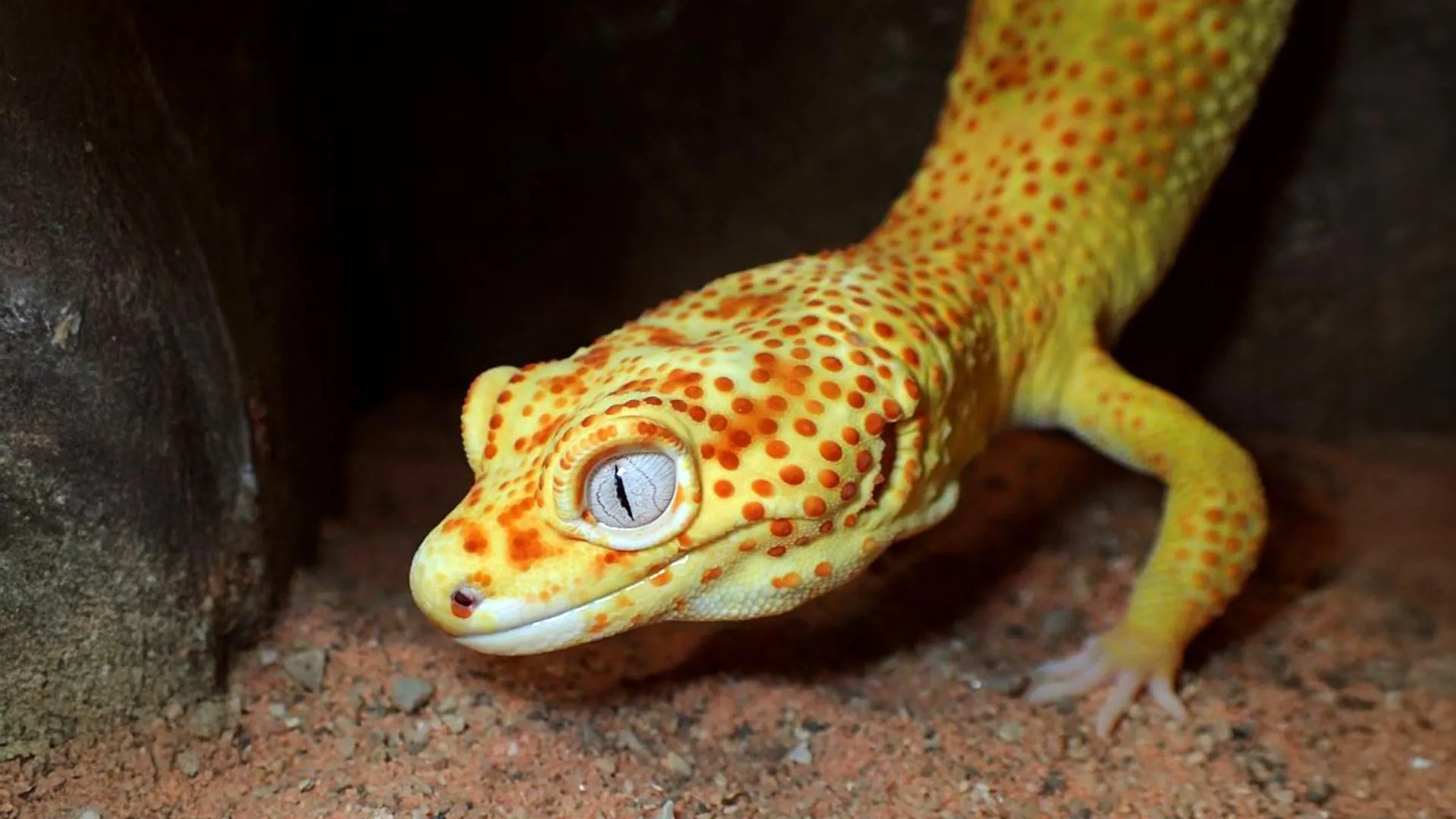
A vibrant pet gecko, known for its striking coloration, has unexpectedly emerged as a significant new resource for scientists investigating the complex mechanisms of tumor formation and metastasis. This particular variety of leopard gecko exhibits an unusually high predisposition to developing aggressive cancers, providing researchers with a unique, naturally occurring model to explore why certain species are highly vulnerable to the disease while others display remarkable resistance. The findings, spearheaded by the University of Nottingham and published in the peer-reviewed journal BMC Biology, highlight genetic alterations in these geckos that mirror those found in human cancers, suggesting that this reptile could unlock crucial advancements in oncology.
The Enigma of the Lemon Frost Morph
The subject of this groundbreaking research is a specific genetic variant of the leopard gecko (Eublepharis macularius) colloquially known in the pet trade as the "lemon frost" morph. Distinguished by its vivid white and yellow patterns, this morph originated from a spontaneous genetic mutation that arose during the process of selective breeding within a large, established colony of leopard geckos. Its eye-catching aesthetics quickly garnered immense popularity among reptile enthusiasts, leading to its widespread availability. However, the initial excitement among breeders soon gave way to a concerning observation: a disproportionately high number of these geckos began developing aggressive tumors, often at a relatively young age. These tumors frequently metastasized, spreading to other parts of the body, a process that is notoriously difficult to study in its natural progression.
This inherent susceptibility makes the lemon frost gecko an invaluable asset for cancer research. Unlike conventional laboratory models, such as mice, where tumors often need to be artificially induced through genetic engineering or chemical carcinogens, the lemon frost geckos develop cancer spontaneously. This natural onset and progression, coupled with the high incidence rate—approximately 80% of individuals in this morph develop aggressive tumors—offers scientists an unparalleled opportunity to observe the disease from its very inception through its evolution and eventual spread under conditions that closely mimic real-world biological processes. This natural presentation of the disease is a critical advantage, providing insights that might be missed in artificially induced models.
Uncovering Genetic Links: A Shared Biological Language of Cancer
To delve into the genetic underpinnings of this phenomenon, the international research team, led by Dr. Ylenia Chiari from the University of Nottingham’s School of Life Sciences, employed advanced genomic techniques. They utilized whole-genome sequencing to conduct a comprehensive comparison between tumor samples and healthy tissue obtained from the same affected geckos. This meticulous approach allowed them to pinpoint a consistent set of genetic changes recurring across the various tumors.
The revelation from this genetic analysis was profound: many of the identified altered genes and biological pathways are already well-established as being associated with cancers in humans and other mammalian species. This striking genetic commonality suggests a shared evolutionary heritage in the mechanisms driving cancer development, transcending the vast phylogenetic distance between reptiles and mammals. According to the researchers, these fundamental similarities imply that discoveries made through studying lemon frost geckos could yield insights with far-reaching implications, extending well beyond the specific realm of reptile biology and potentially informing human cancer diagnostics and therapeutics.
The study’s lead, Dr. Ylenia Chiari, articulated the broader scientific objective: "By studying why some animals are so susceptible to cancer while others are remarkably resistant, we hope to uncover the different ways species have evolved to deal with cancer. Specifically, this gecko could become an incredible model in cancer research because tumors appear naturally at a relatively early age. Together, these natural strategies could inspire new ways of preventing, detecting, and treating cancer in humans." This perspective underscores the value of comparative oncology, a field that examines cancer across diverse species to identify commonalities and unique adaptations related to the disease.
A Timeline of Discovery and Emerging Significance
The story of the lemon frost gecko’s emergence as a research model traces back several years. The initial spontaneous mutation occurred within a breeding colony, leading to the first lemon frost geckos around 2012-2013. Breeders, captivated by the novel coloration, began to propagate the morph, quickly making it a sought-after pet. However, within a few years, reports from breeders and reptile veterinarians started to accumulate, detailing a concerning pattern of aggressive skin tumors, often appearing as early as six months to a year of age. These observations, initially anecdotal, became increasingly consistent, prompting scientific interest.
The University of Nottingham team, recognizing the unique biological opportunity presented by this high incidence rate, initiated their research program to systematically investigate the genetic basis of these cancers. The meticulous work of collecting samples, performing whole-genome sequencing, and analyzing the vast datasets culminated in the recent publication in BMC Biology. This chronology highlights a journey from a spontaneous genetic event in a pet animal to a robust scientific investigation with significant potential for human health.
The research team included PhD researcher Brandon Hastings (University of Nottingham), Dr. Scott Glaberman (University of Birmingham), Dr. Tony Gamble (Marquette University), Dr. Robert Ossiboff (University of Florida), and Virginia Gazziero and Dr. Giulio Caravagna (University of Trieste), representing a collaborative international effort to unravel this biological puzzle.
Comparative Oncology: Lessons from the Tree of Life
Cancer risk is not uniformly distributed across the animal kingdom. The study underscores this biological reality by contrasting the lemon frost gecko’s extreme vulnerability with the remarkable resistance observed in other reptile species. Turtles and tortoises, for instance, are rarely diagnosed with cancer, despite their long lifespans, which theoretically provide more opportunities for somatic mutations to accumulate. This stark difference highlights the diverse evolutionary strategies that different species have developed to manage cellular proliferation and tumor suppression.
The field of comparative oncology seeks to exploit these natural variations. For example, the naked mole-rat is famous for its exceptional resistance to cancer, attributed to unique cellular mechanisms that prevent uncontrolled growth. Similarly, certain dog breeds have a much higher incidence of specific cancers, offering clues about genetic predispositions. By studying both ends of this spectrum – species highly resistant to cancer and those, like the lemon frost gecko, that are highly susceptible – scientists gain a more complete understanding of the molecular pathways that either promote or suppress tumor development. This broad perspective is crucial for identifying novel therapeutic targets and prevention strategies that might be applicable across species, including humans.
Implications for Cancer Research and Beyond
The findings from the lemon frost gecko study carry several profound implications for the future of cancer research:
-
A Novel Natural Model for Metastasis: One of the most challenging aspects of cancer research is understanding metastasis—the process by which cancer cells spread from the primary tumor to distant parts of the body. The lemon frost geckos often develop tumors that metastasize naturally, providing scientists with an unprecedented opportunity to observe this critical, often fatal, stage of cancer progression in a living system without artificial induction. This could lead to breakthroughs in identifying new targets for anti-metastatic therapies.
-
Broadening the Scope of Animal Models: The study emphasizes the critical value of expanding the diversity of animal models used in medical research. For decades, mice and rats have been the workhorses of preclinical studies. While invaluable, their biological differences from humans mean that findings do not always translate directly. Species that naturally develop cancer at high rates, such as the lemon frost gecko, or those highly resistant to it, offer complementary perspectives that can enrich our understanding and accelerate the discovery of new treatments.
-
Insights into Evolutionary Biology of Cancer: By identifying shared genetic pathways between geckos and humans, the research sheds light on the deep evolutionary roots of cancer. Understanding how different species have evolved their own unique "anti-cancer toolkits" can provide fundamental insights into the mechanisms of carcinogenesis and tumor suppression across the tree of life. This knowledge could inform new strategies to bolster the body’s natural defenses against cancer.
-
Potential for Drug Discovery and Biomarker Identification: The identification of specific genetic mutations and affected biological pathways in the geckos that are homologous to human cancers opens avenues for drug screening. Compounds that inhibit these pathways in geckos might also be effective in humans. Furthermore, studying early tumor development in these geckos could help identify novel biomarkers for early cancer detection, a critical factor in improving patient outcomes.
-
Reactions from the Scientific Community and Beyond: Brandon Hastings, a PhD researcher and one of the study’s authors, underscored the broader philosophical and methodological impact: "Overall, our paper demonstrates the importance of looking across the tree of life in search of answers that are needed to better understand diseases that can have a profound impact on human life, such as cancer. Methodologically, it also highlights that the variety of genomic software programs developed to analyze human cancers can be adapted to provide meaningful insights in diverse organisms." This highlights the adaptability of modern bioinformatics tools to new biological contexts.
Dr. Scott Glaberman of the University of Birmingham further elaborated on the overarching significance of biodiversity. "We often look inward to solve human problems, but every species has something to teach us. By studying both animals that are vulnerable to cancer and those that resist it, we have far greater power to understand the disease itself. This is one of the many reasons why protecting biodiversity is so important." This statement resonates with conservation efforts, emphasizing that the preservation of diverse life forms is not merely an ecological imperative but also a potential wellspring of medical innovation.
Looking Ahead: The Future of Gecko-Inspired Cancer Research
The University of Nottingham team plans to continue its research, delving deeper into the specific functions of the identified genes and pathways in lemon frost geckos. Future studies might involve manipulating these genes to confirm their roles in tumor initiation and progression, and to test potential therapeutic interventions. There is also interest in exploring whether the unique genetic background that confers the lemon frost’s distinctive coloration is intrinsically linked to its cancer susceptibility, perhaps through a pleiotropic effect where one gene influences multiple, seemingly unrelated traits.
This research also holds promise for veterinary medicine, offering a better understanding of cancer in pet reptiles and potentially leading to improved diagnostic tools and treatment options for affected geckos. Pet owners and breeders, initially concerned by the health issues of these beloved animals, may find solace in the knowledge that their unique biology is contributing to a greater scientific good.
In conclusion, the colorful lemon frost leopard gecko, once simply a prized pet, has now been elevated to a crucial scientific model. Its natural predisposition to aggressive, metastasizing cancers provides a living laboratory for understanding the fundamental processes of oncogenesis. By bridging the gap between reptile biology and human medicine, this research from the University of Nottingham and its international collaborators is poised to offer invaluable insights that could fundamentally reshape our approach to preventing, detecting, and treating cancer, reaffirming the profound lessons that can be gleaned from the vast and varied tapestry of life on Earth.
