
 By Billy Candra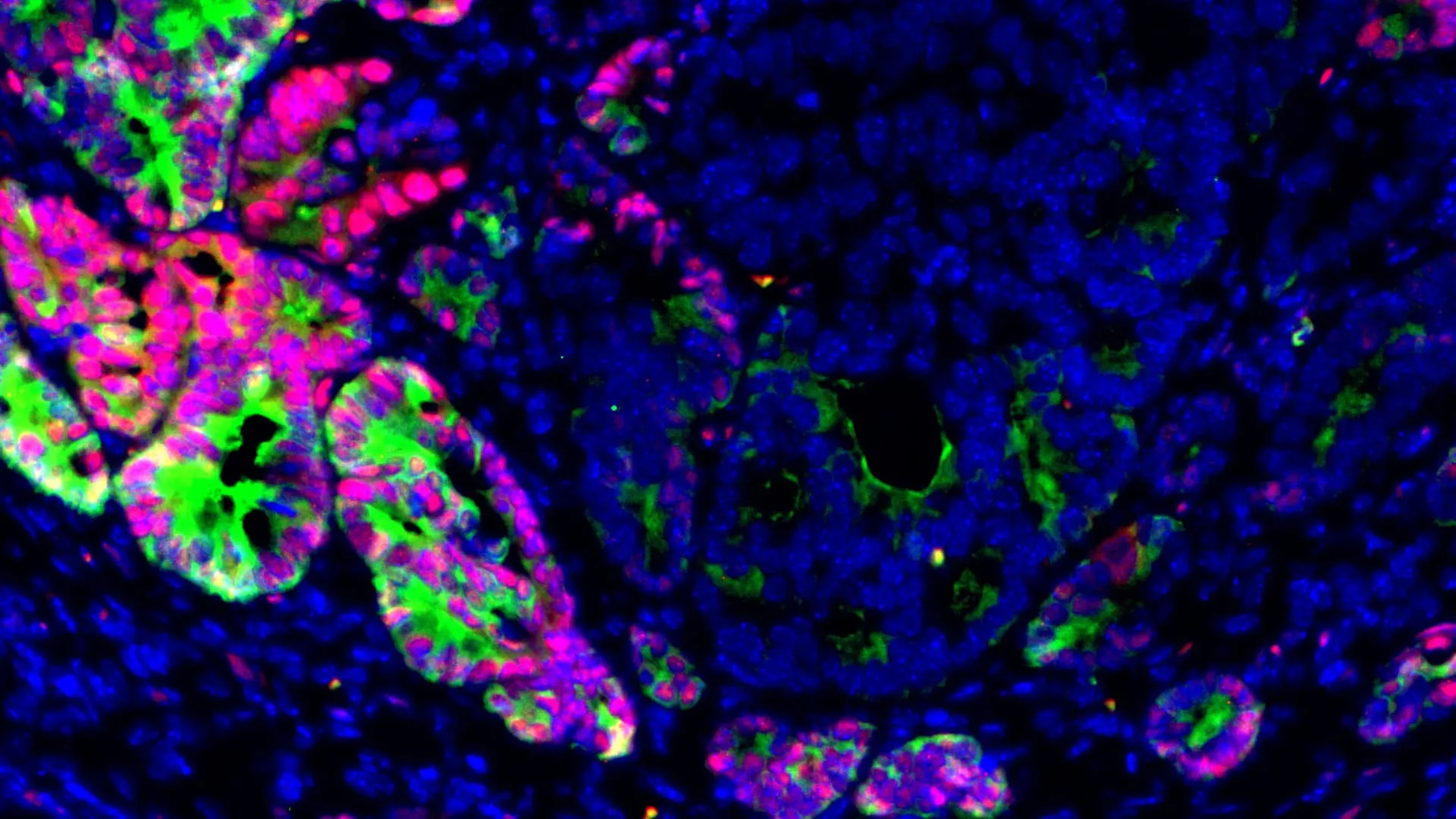
Researchers from Weill Cornell Medicine and the Massachusetts Institute of Technology have made a pivotal discovery, identifying a key factor that significantly influences the ability of colorectal cancer (CRC) to metastasize, particularly to the liver. Their comprehensive findings, published on June 22 in the esteemed journal Cell Stem Cell, highlight that the depletion of GATA6, a crucial transcription factor responsible for regulating gene expression, can fundamentally alter cancer cells. This loss pushes them into a more primitive, highly adaptable state, thereby enabling the aggressive spread of the disease. This breakthrough offers a fresh perspective on the mechanisms driving one of the deadliest aspects of colorectal cancer and could pave the way for innovative strategies aimed at preventing its dissemination.
The global burden of colorectal cancer is substantial, ranking as the third most commonly diagnosed cancer and the second leading cause of cancer-related deaths worldwide. In 2020 alone, over 1.9 million new cases and 935,000 deaths were reported globally. While early-stage colorectal cancer often has a favorable prognosis with localized treatment, the survival rate plummets dramatically once the cancer metastasizes, particularly to distant organs like the liver. Approximately 25% of patients present with metastatic disease at diagnosis, and up to 50% will develop metastases during their disease course. The liver is the most common site for distant metastasis in CRC, accounting for 60-70% of all metastatic cases. This predilection for the liver is largely due to its unique blood supply via the portal vein, which drains directly from the gastrointestinal tract, making it a primary destination for circulating tumor cells. Once colorectal cancer spreads beyond its original site, treatment becomes far more challenging, often relying on systemic therapies with limited efficacy in advanced stages. Metastasis, therefore, remains the predominant cause of mortality from the disease.
For decades, the scientific community has diligently searched for specific genetic mutations that might act as clear drivers for liver metastasis. While numerous mutations associated with primary tumor development and progression have been identified, no single, universally accepted "metastasis gene" has emerged to fully explain the complex process of distant spread. This has led to considerable frustration in developing targeted therapies to prevent or treat metastatic disease effectively. The new study, however, points to a fundamentally different mechanism, shifting the focus from irreversible genetic alterations to the more dynamic realm of epigenetic changes.
Unveiling the Role of GATA6: An "Identity Keeper" Gone Astray
GATA6 is typically known for its critical role as a molecular "identity keeper" within the epithelial cells lining the intestine. It orchestrates the expression of genes that are essential for these cells to maintain their specialized functions and differentiated state. This maintenance of cellular identity is crucial for the normal functioning of tissues and organs. However, the study revealed a stark contrast in metastatic settings: GATA6 levels were found to be significantly lower in liver metastases analyzed from both mouse models and human patients suffering from colorectal cancer. Furthermore, the researchers observed a direct correlation between reduced GATA6 expression and poorer patient outcomes, underscoring its clinical relevance.
"We discovered that GATA6 loss acts as a critical switch that can change cancer cells in the primary tumor from non-metastatic to pro-metastatic," explained Dr. Norihiro Goto, assistant professor of medicine in the Division of Gastroenterology & Hepatology at Weill Cornell, who co-led the groundbreaking research. "Our findings suggest that epigenetic changes may be more important for promoting liver metastasis than previously understood."
Unlike genetic mutations, which involve permanent alterations to the DNA sequence itself, epigenetic changes do not modify the underlying genetic code. Instead, they influence which genes are actively turned "on" or "off" and, consequently, which proteins the cells produce. These changes, such as DNA methylation or histone modifications, are dynamic and potentially reversible, offering intriguing new avenues for therapeutic intervention. Dr. Saori Goto, an instructor in medicine at Weill Cornell, served as the first author of the study, with Dr. Omer H. Yilmaz, associate professor of biology at the Massachusetts Institute of Technology, also co-leading the extensive work. The collaborative effort highlights the interdisciplinary nature of modern cancer research, pooling expertise from gastroenterology, hepatology, and molecular biology.
Pioneering Research Through Organoid Models
A significant challenge in understanding metastasis has been the difficulty in observing its early stages. Traditional studies often rely on analyzing tissue samples from established liver metastases, which, as Dr. Norihiro Goto noted, provide only a limited, static view of a highly dynamic process. "When researchers analyze patient samples from liver metastases, we fail to capture the important signals occurring in the early stages of the metastatic process," he elaborated.
To overcome this observational hurdle and delve into the crucial initial events of metastasis, the research team pioneered an innovative laboratory model utilizing organoids. These miniature, three-dimensional clusters of cancer cells, derived from liver metastases, are meticulously engineered to reproduce many characteristics of real tumors, including their complex cellular architecture and functional properties. The scientists then implanted these organoids into the colons of mice. This allowed them to observe the formation of increasingly aggressive primary tumors that subsequently spread to the liver, closely mimicking the human disease progression. By repeating this process several times, the team could meticulously track and understand how cancer cells gradually acquire and refine their metastatic abilities, providing an unprecedented dynamic view of the metastatic cascade. This cutting-edge organoid technology, which has revolutionized cancer research in recent years, proved indispensable for uncovering the nuanced cellular transitions driven by GATA6 loss.
The Mechanics of Metastasis: Lineage Plasticity and Fetal-like States
The meticulously conducted experiments using the organoid models yielded profound insights into the mechanics of metastasis. They unequivocally demonstrated that the loss of GATA6 actively promotes "lineage plasticity." This term refers to the remarkable ability of cells to alter their identity, switch their differentiation pathways, and change their behavior. In the absence of GATA6, colorectal cancer cells were observed to activate alternative genetic programs, essentially shedding their mature, specialized intestinal cell identity and adopting a flexible, more primitive, fetal-like state.
These transformed, plastic cells exhibited enhanced capabilities crucial for metastasis. They were significantly better equipped to detach from the primary tumor, survive the perilous journey through the bloodstream, evade immune surveillance, and ultimately establish new tumors in distant organs like the liver. This process of cellular reshaping and dedifferentiation, while detrimental in cancer, is paradoxically a fundamental biological mechanism. The body normally employs similar lineage plasticity during essential physiological processes such as wound repair, tissue regeneration, and adaptation to various environmental stresses. In the context of cancer, however, this inherent cellular adaptability is hijacked, becoming a potent driver of disease progression and metastasis.
A key indicator of this induced plasticity was the emergence of cells lacking LGR5, a well-established marker commonly found in highly proliferative intestinal stem cells. Earlier research had hinted at the significance of LGR5-negative cells, showing that they possess a distinct capacity to initiate liver metastases. The new study provided compelling evidence that the silencing or loss of GATA6 directly causes cancer cells to transition from an LGR5-positive state to an LGR5-negative state. These LGR5-negative cells, displaying the aforementioned fetal-like characteristics, were observed to possess a markedly increased ability to disseminate and form secondary tumors. Conversely, experiments designed to restore GATA6 activity or to activate related molecular pathways successfully reduced the metastatic potential of colorectal cancer cells, further solidifying the critical role of GATA6 in maintaining cellular identity and suppressing metastasis.
Dr. Norihiro Goto highlighted the specificity of GATA6’s role: "When we genetically delete GATA6, the frequency and burden of liver metastases in mouse models significantly increase, while having little effect on primary tumor growth." This observation is profoundly significant. It suggests that metastasis is not merely a consequence of a rapidly growing or large primary tumor, but rather a distinct biological process driven by specific transitions between cellular states. This paradigm shift in understanding emphasizes the importance of targeting the metastatic cascade independently of primary tumor growth. Dr. Goto is also a member of the Jill Roberts Institute for Research in Inflammatory Bowel Disease and the Sandra and Edward Meyer Cancer Center, both at Weill Cornell, underscoring the broad institutional support for this critical research.
Implications for Patient Care: Biomarker and Therapeutic Avenues
The findings from this study carry substantial implications for clinical practice, offering dual potential as a biomarker for metastatic risk and as a novel therapeutic target. The possibility that GATA6 levels could serve as a predictive biomarker is particularly exciting. Tumors exhibiting low GATA6 expression may be more likely to harbor cells capable of switching into a metastasis-promoting state. Integrating GATA6 status into routine diagnostic panels could empower clinicians to better stratify patients based on their individual risk of developing liver metastasis. Such information could be invaluable for guiding personalized treatment strategies, allowing doctors to identify patients who may benefit from closer monitoring, more aggressive upfront therapies, or prophylactic interventions aimed at preventing metastatic spread. This could include earlier or more intensive systemic chemotherapy, closer surveillance with imaging, or enrollment in clinical trials for novel anti-metastatic agents.
Beyond its diagnostic utility, the study also points toward a promising therapeutic strategy. The focus would be on interventions designed to maintain cellular identity or, conversely, to prevent cancer cells from entering these highly flexible, pro-metastatic states. If GATA6 loss is indeed a "critical switch," then therapeutic approaches that aim to reactivate GATA6 or restore the pathways it normally regulates could potentially lock cancer cells back into a non-metastatic state. Epigenetic therapies, which are designed to reverse abnormal epigenetic marks, are a growing area of cancer research, and this discovery provides a strong rationale for exploring their application in preventing CRC metastasis.
However, Dr. Norihiro Goto prudently noted that a significant challenge lies ahead: researchers will need to find ways to selectively target these specific cellular processes in cancer cells without inadvertently interfering with normal tissue repair and regeneration. Many biological programs involved in lineage plasticity and cellular adaptation are also vital for the body’s natural healing mechanisms. Developing highly specific drugs that can distinguish between pathological and physiological plasticity will be crucial for minimizing adverse side effects.
Navigating the Future: Challenges and Opportunities
The journey from groundbreaking research to clinical application is often long and arduous, yet the current findings lay a robust foundation for future investigations. Upcoming research will focus on several critical areas. Firstly, the team plans to identify unique vulnerabilities inherent to GATA6-deficient cancer cells. These vulnerabilities could represent Achilles’ heels that novel therapies could exploit, selectively targeting metastatic cells while sparing healthy tissue. This involves deep dives into the altered metabolic pathways, protein dependencies, and signaling networks within these plastic cancer cells.
Secondly, the researchers aim to thoroughly investigate how the tumor microenvironment—the complex ecosystem surrounding the cancer cells, including immune cells, fibroblasts, blood vessels, and liver-specific signals—influences these critical cellular transitions in preclinical models. The liver microenvironment, with its unique cellular composition and cytokine milieu, is known to play a crucial role in supporting the growth and survival of metastatic cells. Understanding these interactions will be vital for developing comprehensive anti-metastatic strategies.
"In addition to treating primary tumors, we need to find strategies to target the mechanism of liver metastasis," Dr. Norihiro Goto emphasized. "Our study is a step toward developing therapies that block the spread of cancer at the earliest stages." This underscores a broader shift in oncology, moving towards proactive strategies to prevent metastasis rather than solely reacting to its occurrence.
The societal and economic implications of such advancements are profound. Preventing metastasis would not only dramatically improve survival rates for colorectal cancer patients but also enhance their quality of life by avoiding the debilitating effects of advanced disease and aggressive treatments. It could also significantly reduce the immense healthcare costs associated with managing metastatic cancer.
This research was made possible through the generous support of several esteemed organizations, including the Astellas Foundation, Research Abroad from Japan Society for the Promotion of Science, the National Institutes of Health (via multiple grants: R00AG076987, 01CA254314, 5U01CA25055, R01CA258523, R01CA25723, R01DK133919, R01DK140310, R01CA299955, and 3OT2CA297570), Pew-Stewart Trust, AFAR and Glenn Foundation for Medical Research Breakthroughs in Gerontology, Kenneth Rainin Foundation, Crohn’s & Colitis Foundation, and Mark Foundation for Cancer Research. This robust funding landscape highlights the recognition of the critical importance of this research in the ongoing battle against cancer.
