
 By admin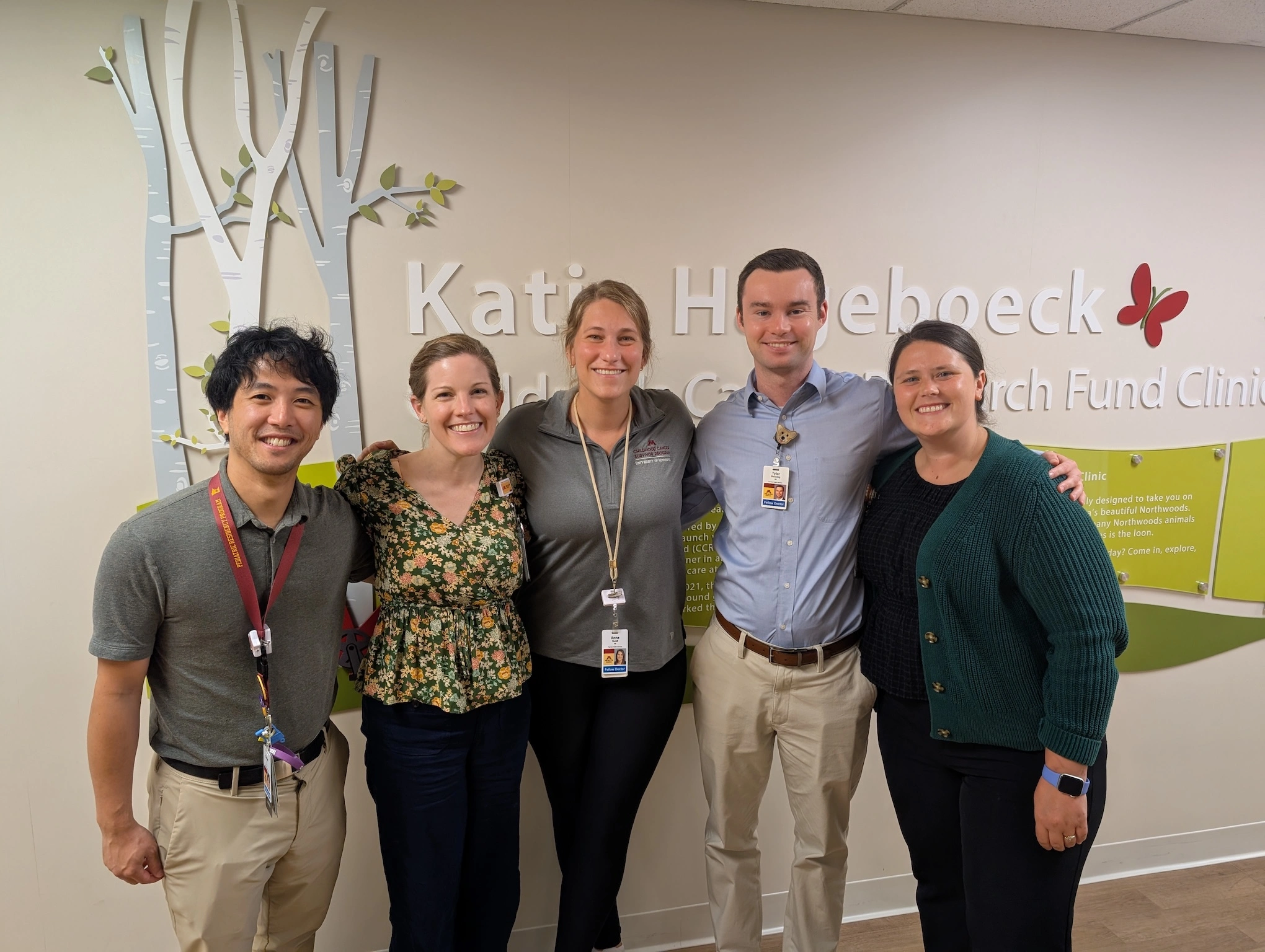
The Children’s Cancer Research Fund (CCRF) has announced a landmark 10-year funding commitment to the University of Minnesota’s Pediatric Hematology/Oncology Fellowship Program, a move designed to address a widening gap in the national healthcare workforce. This decade-long pledge ensures the continued training of elite clinician-researchers at a time when the demand for specialized pediatric cancer care is reaching unprecedented levels. As survival rates for childhood cancers continue to improve, the medical community faces a paradoxical crisis: a growing population of long-term survivors requiring specialized follow-up care, contrasted against a dwindling number of newly trained oncologists entering the field. For over four decades, CCRF has served as a cornerstone of support for the University of Minnesota, and this latest investment signifies a strategic effort to stabilize the pipeline of experts who will lead the next generation of therapeutic breakthroughs.
The Critical Shortage of Pediatric Oncology Specialists
The announcement comes against a backdrop of mounting concern regarding the sustainability of the pediatric subspecialty workforce. According to data from the American Board of Pediatrics and the Association of American Medical Colleges (AAMC), the United States is facing a significant shortfall in pediatric subspecialists, including hematologists and oncologists. Several factors contribute to this shortage, including the high cost of medical education, the rigorous nature of a three-year fellowship following a three-year residency, and the growing complexity of modern oncology treatments.
While the overall incidence of childhood cancer remains relatively stable, the intensity of care required has increased. Modern protocols often involve multi-modal therapies, including high-dose chemotherapy, radiation, and complex surgical interventions. Furthermore, as the field moves toward personalized medicine, the cognitive and administrative burden on physicians has grown. Without dedicated funding for fellowship programs, many academic medical centers struggle to maintain the capacity to train new doctors, leading to longer wait times for patients and potential burnout among existing staff. The CCRF’s 10-year commitment is specifically designed to mitigate these financial pressures, providing the University of Minnesota with the long-term stability needed to recruit and retain the brightest minds in the field.
A Four-Decade Legacy of Academic Medicine
The relationship between the Children’s Cancer Research Fund and the University of Minnesota dates back more than 40 years. Founded in 1981, CCRF was established with the primary goal of supporting the work of Dr. John Kersey, who performed the world’s first successful bone marrow transplant for a patient with lymphoma at the University of Minnesota. Since then, the partnership has evolved into a national model for how philanthropic organizations can catalyze academic medical research.
The fellowship program has historically served as a bridge between laboratory discovery and clinical application. By funding graduate research fellows, CCRF has enabled young physicians to dedicate time to "bench-to-bedside" research—a process where laboratory findings are directly translated into new patient treatments. Over the past 40 years, alumni of this program have gone on to lead major oncology departments, chair national clinical trials, and publish seminal research that has redefined the standard of care for leukemia, neuroblastoma, and various pediatric sarcomas.
The Structure of the Fellowship: Clinical Excellence and Scientific Innovation
The CCRF Pediatric Hematology/Oncology Fellowship Program is built upon a multi-year curriculum that balances rigorous clinical training with protected time for scientific inquiry. In the first year, fellows focus primarily on clinical rotations, gaining hands-on experience in the inpatient and outpatient settings at M Health Fairview Pediatrics. They manage a diverse patient load, learning the nuances of diagnosing and treating rare blood disorders and solid tumors.
In the subsequent years of the program, the focus shifts toward specialized research. The new 10-year funding commitment specifically bolsters this research phase, allowing fellows to work alongside world-renowned faculty mentors. These mentors provide the guidance necessary for fellows to navigate the complexities of clinical trial design, grant writing, and peer-reviewed publication.
Current fellows are currently engaged in high-stakes research involving some of the most promising frontiers in modern medicine:
- CAR T-Cell Therapy: This form of immunotherapy involves re-engineering a patient’s own T-cells to recognize and attack cancer cells. Fellows are exploring ways to make this therapy more effective for solid tumors, which have traditionally been more resistant to immunotherapy than blood cancers.
- Gene Therapy: Researchers are investigating methods to correct genetic mutations at the molecular level, offering potential cures for hereditary blood disorders like sickle cell anemia and thalassemia, which fall under the purview of pediatric hematologists.
- Bioethics and Communication: A unique aspect of the University of Minnesota program is its emphasis on the human element of medicine. Current fellows are conducting studies on how prognosis is communicated to families and the ethical implications of advanced genomic testing in minors.
- Health Equity: Recognizing that survival rates are not uniform across all demographics, the program has integrated research into health disparities. Fellows are examining how socioeconomic factors, geographic location, and race impact access to cutting-edge clinical trials.
The Impact of Philanthropy on Pediatric Research
Unlike adult oncology, which often receives significant funding from pharmaceutical companies due to the larger patient population, pediatric cancer research is heavily reliant on federal grants and private philanthropy. The National Cancer Institute (NCI) allocates only a small fraction of its budget to childhood cancers, making organizations like CCRF vital to the ecosystem of discovery.
The 10-year commitment provides a level of certainty that is rare in the world of medical research, where funding is often tied to short-term cycles. This longevity allows the University of Minnesota to plan multi-year research projects that require consistent oversight. It also ensures that fellows are not forced to abandon promising research due to sudden budget cuts. By covering the stipends, lab costs, and travel expenses for these emerging researchers, CCRF ensures that the cost of training does not become a barrier to entry for the next generation of doctors.
Addressing the Needs of Long-Term Survivors
One of the primary drivers behind the need for more specialists is the success of modern treatment. Today, more than 80% of children diagnosed with cancer will survive at least five years. However, the treatments that save their lives—chemotherapy, radiation, and surgery—can lead to significant long-term health issues, known as "late effects."
These late effects can include secondary cancers, cardiovascular disease, endocrine disorders, and cognitive impairments. As the population of childhood cancer survivors grows, there is a burgeoning need for "survivorship clinics" staffed by oncologists who understand the long-term trajectory of these patients. The CCRF-funded fellows are trained not just to achieve remission, but to manage the lifelong health of their patients, ensuring that survival is accompanied by a high quality of life.
Chronology of Progress: From Foundation to Future
To understand the significance of the new 10-year commitment, it is helpful to view the timeline of the University of Minnesota’s leadership in the field:
- 1975: University of Minnesota physicians perform the first successful bone marrow transplant for a patient with a lethal genetic disease.
- 1981: CCRF is founded to provide a stable source of funding for pediatric cancer research at the University.
- 1990s: The fellowship program expands its research curriculum, incorporating molecular biology and genetics.
- 2010s: The program becomes a leader in cellular therapy, participating in early trials for CAR T-cell treatments.
- 2024: CCRF announces the 10-year funding extension, the longest commitment in the program’s history, aimed at securing the future of the workforce through 2034.
Broader Implications for the National Healthcare Landscape
The implications of this funding extend far beyond the borders of Minnesota. The University of Minnesota is a major contributor to the Children’s Oncology Group (COG), a National Cancer Institute-supported clinical trials group. The research conducted by CCRF fellows often informs the protocols used by hospitals across the country and around the world.
Furthermore, the "alumni effect" of the fellowship program serves as a force multiplier. When a fellow completes their training at the University of Minnesota, they often take their expertise to other institutions, establishing new research programs and mentoring the next generation of doctors elsewhere. By investing in the training "hub" at the University of Minnesota, CCRF is effectively strengthening the national infrastructure for pediatric cancer care.
As the 2026 class of fellows begins their work, the focus remains clear: improving outcomes for every child diagnosed with cancer. The integration of bioethics, health equity, and clinical innovation ensures that the next generation of oncologists will be equipped to handle not only the biological challenges of the disease but also the social and ethical complexities of 21st-century medicine. In a field where the stakes are as high as they can possibly be, the CCRF’s 10-year commitment provides a vital beacon of stability and hope.
