
 By admin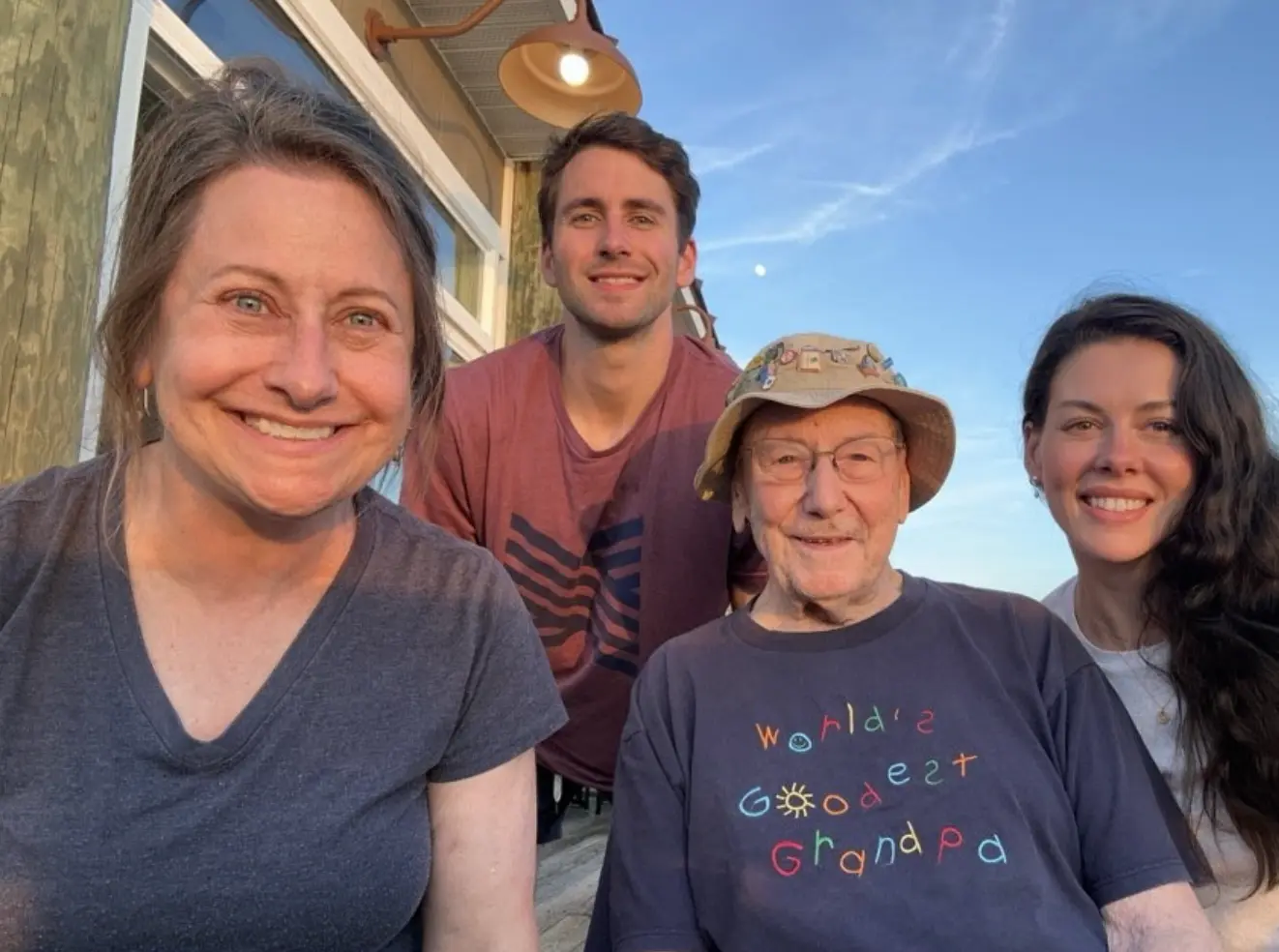
The intersection of high-growth technology entrepreneurship and medical philanthropy has found a new advocate in Alex Monahan, the founder of the sports data startup OddsJam. Following a successful exit from the technology sector, Monahan has pivoted his focus toward addressing one of the most pressing challenges in modern medicine: pediatric cancer. By aligning with the Children’s Cancer Research Fund (CCRF), Monahan is leveraging his background in data science and entrepreneurship to support research initiatives that aim to modernize treatment protocols and improve the long-term survival rates of children diagnosed with terminal illnesses. This partnership comes at a critical juncture for pediatric oncology, a field historically underfunded compared to adult cancer research, and highlights a growing trend of young tech leaders seeking to apply "venture philanthropy" models to medical science.
The Personal Catalyst for a Philanthropic Shift
Alex Monahan’s commitment to cancer research is not merely a corporate social responsibility initiative; it is rooted in a lifelong proximity to the disease. Growing up in Northern Virginia, Monahan experienced the devastating impact of cancer within his own family. During his high school years, he witnessed his grandmother’s battle with the disease, an experience that was compounded years later when his father faced his own diagnosis. These formative experiences instilled in Monahan a deep understanding of the emotional and logistical toll that a cancer diagnosis places on a family unit.
While Monahan was initially drawn to the field of medicine, his academic and professional trajectory led him toward the technical and entrepreneurial ecosystem of Stanford University. It was here that he honed the skills necessary to build OddsJam, a platform that revolutionized sports betting through real-time data analytics. However, despite his success in the private sector, the desire to contribute to the medical field remained a latent priority. Following the sale of his startup, Monahan began a systematic search for an organization where his resources could effect the most significant change. His research led him to the Children’s Cancer Research Fund, a national non-profit that has been instrumental in funding groundbreaking research since its inception in 1981.
The Disparity in Pediatric Cancer Funding and Research
The necessity of private philanthropy in pediatric oncology is underscored by a significant funding gap in federal research allocations. According to data from the National Cancer Institute (NCI), while cancer remains the leading cause of death by disease for children in the United States, only approximately 4% of the federal budget for cancer research is dedicated specifically to childhood cancers. This disparity means that many pediatric treatments are adapted from adult protocols, which can be overly aggressive for developing bodies and lead to severe long-term side effects.
Monahan’s entry into this space is particularly timely. Each year, approximately 15,000 children and adolescents in the U.S. are diagnosed with cancer. While overall survival rates have improved significantly over the last several decades—climbing from roughly 10% in the 1950s to over 80% today—those statistics mask the reality of certain high-risk diagnoses. For instance, certain types of pediatric brain tumors and metastatic sarcomas continue to have survival rates that have seen little improvement in thirty years.
"We are the people 20 years ago," Monahan noted when discussing the importance of current investment. "What we invest in today will define what cancer care looks like for the next generation." This perspective aligns with the CCRF’s mission to fund "high-risk, high-reward" research that federal grants often overlook.
Leveraging Technology and AI in Oncology Research
One of the primary drivers of Monahan’s support for CCRF is the organization’s focus on integrating modern technology into clinical research. As an entrepreneur who built a career on data processing, Monahan views Artificial Intelligence (AI) and machine learning as essential tools for the next frontier of oncology.
In the context of pediatric cancer, AI is being utilized to:
- Accelerate Genomic Sequencing: Identifying the specific genetic mutations that drive a child’s tumor allows for "precision medicine," where treatments are tailored to the individual patient rather than a one-size-fits-all approach.
- Drug Repurposing: AI algorithms can scan thousands of existing medications to identify which might be effective against rare pediatric cancers, significantly shortening the timeline for drug discovery.
- Reducing Toxicity: Advanced modeling helps researchers predict how a child’s organs will respond to various dosages, aiming to minimize the "late effects" of treatment, such as heart disease, infertility, or secondary cancers that often plague survivors in adulthood.
Monahan’s philanthropic strategy emphasizes these technological leaps. He has expressed a particular interest in CCRF’s support for brain tumor clinical trials, such as those conducted at Children’s Minnesota. Brain tumors are currently the deadliest form of childhood cancer, and the research Monahan supports aims to find less invasive ways to cross the blood-brain barrier to deliver life-saving therapies.
Chronology of Engagement: From Search to Action
The timeline of Monahan’s involvement with the Children’s Cancer Research Fund reflects a deliberate and analytical approach to giving:
- Post-Exit Reflection: Following the acquisition of OddsJam, Monahan began evaluating his legacy and the potential for social impact, focusing on the "why" and "how" of charitable investment.
- Initial Research and Discovery: Utilizing his data-driven mindset, Monahan conducted an independent search for high-impact oncology organizations, eventually identifying CCRF for its transparency and focus on pediatric-specific research.
- First Major Contribution: Monahan transitioned from a donor to a strategic partner, making a significant initial donation that the CCRF team helped direct toward high-priority research areas, including survivorship programs and clinical trials.
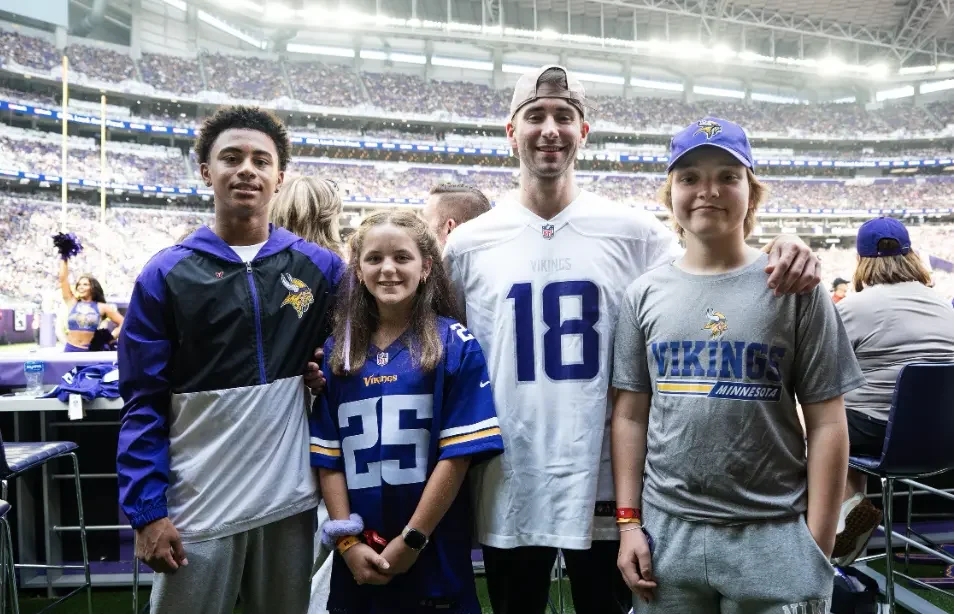
- Community Integration: In late 2023, Monahan attended a pre-season Minnesota Vikings game, spending time with cancer-affected families in the CCRF suite. This event served as a "reality check," moving the mission from the abstract realm of data and science to the human reality of resilience and patient experience.
- Ongoing Advocacy: Monahan has now become a vocal advocate for "early-stage" philanthropy, encouraging other young professionals to treat their charitable giving with the same rigor and urgency as their business ventures.
The Importance of Survivorship and Quality of Life
While finding a cure remains the ultimate goal, Monahan’s support also extends to the concept of "survivorship." Modern medicine has created a growing population of childhood cancer survivors, but many face a lifetime of health challenges. Data suggests that by the age of 50, more than 99% of childhood cancer survivors will have a chronic health problem, and 80% will have a severe or life-threatening condition resulting from their initial treatment.
CCRF’s initiatives in this area focus on "Moments that Matter," ensuring that children undergoing treatment can still experience the joys of childhood. Monahan’s participation in the Vikings game event highlighted the psychological importance of these moments. "Sports were my escape during hard times," Monahan reflected. For a child undergoing chemotherapy, a day at a stadium represents more than just a game; it is a vital reclamation of normalcy and a boost to the emotional resilience required to continue treatment.
Analysis: The Rise of the Entrepreneurial Donor
Monahan’s approach represents a shift in the philanthropic landscape. Traditional philanthropy often involves "end-of-career" giving, where wealth is distributed later in life. In contrast, Monahan belongs to a new generation of "active donors" who engage with organizations during their peak earning years.
This model of giving is characterized by:
- Due Diligence: Treating a donation like a venture capital investment, requiring clear KPIs (Key Performance Indicators) and progress reports.
- Scientific Literacy: A willingness to understand the underlying mechanics of the research being funded. Monahan has encouraged other donors not to be intimidated by the science, stating, "I’m not a scientist, but I can understand the why and the how."
- Urgency: A focus on immediate funding to prevent "research stalls" where promising studies are paused due to a lack of bridge funding.
By providing the "seed capital" for clinical trials, donors like Monahan allow researchers to gather enough preliminary data to eventually qualify for larger federal grants from the NCI or the National Institutes of Health (NIH).
Broader Implications for Pediatric Healthcare
The partnership between Alex Monahan and the Children’s Cancer Research Fund serves as a blueprint for how the private sector can bolster public health outcomes. As the cost of clinical trials continues to rise—often exceeding tens of millions of dollars for a single Phase III trial—the role of private individuals becomes even more vital.
Furthermore, Monahan’s focus on technology-driven solutions may influence how other donors view medical philanthropy. If AI can indeed "speed discovery" as Monahan suggests, the return on investment for these donations is measured not in dollars, but in years of life saved.
For the Children’s Cancer Research Fund, having a supporter who understands the nuances of technology and the pressures of scaling an organization provides a unique advantage. It allows for a more sophisticated dialogue regarding how to modernize the non-profit’s own operations and outreach efforts in a digital-first world.
Conclusion: A Vision for a Brighter Future
As Alex Monahan continues his philanthropic journey, his message to the tech and business communities remains clear: philanthropy is a tool that requires active management and a long-term vision. Through his support of CCRF, he is helping to move the needle on pediatric cancer research, ensuring that the next generation of children has access to treatments that are not only more effective but also more humane.
The collaboration highlights a fundamental truth in modern medicine: while scientists provide the expertise and families provide the courage, it is the strategic deployment of resources that provides the momentum. Through his commitment to understanding the science, embracing the technology, and connecting with the families on the front lines, Monahan is proving that one does not need a medical degree to save lives—one only needs the resolve to act and the wisdom to invest in the future.
