
 By admin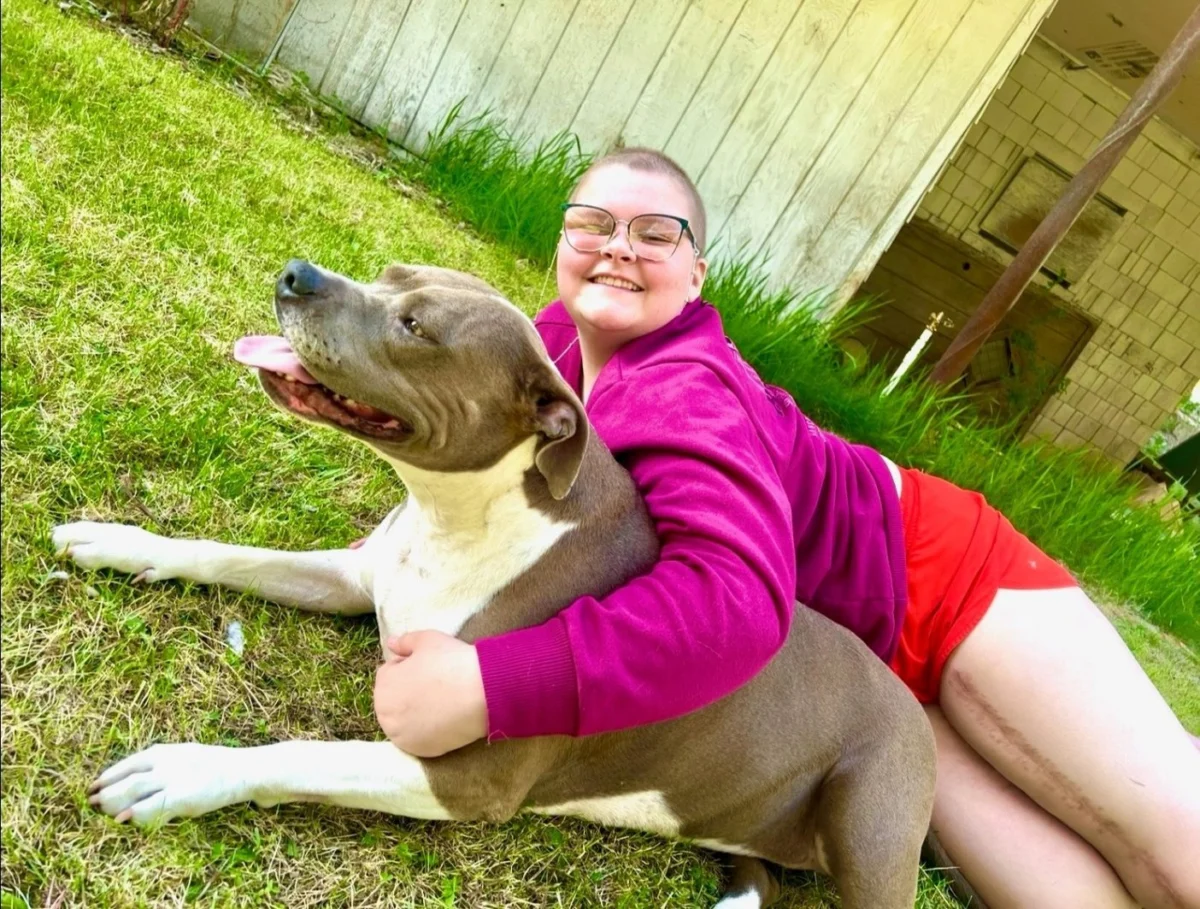
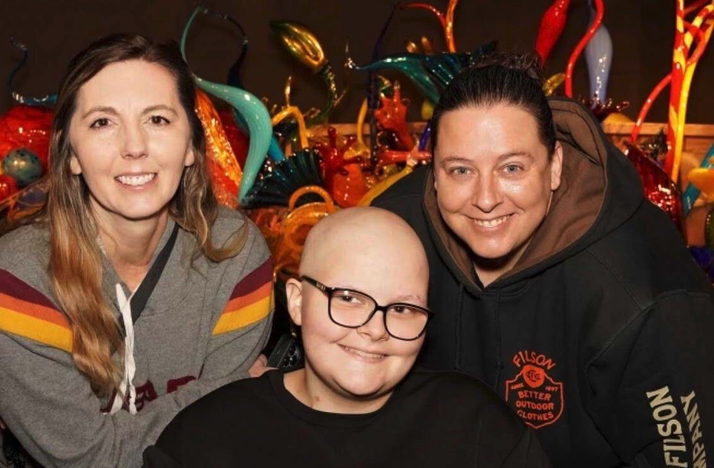
Fourteen-year-old Madelyn watched with unwavering focus as the final translucent drop of chemotherapy transitioned from the intravenous line into her bloodstream, marking the conclusion of a grueling medical odyssey. The moment the bag emptied, she transitioned from a patient confined by clinical apparatus to a teenager reclaimed by life, embracing her mother, Toni, and a family friend in a celebratory display of relief. For Toni, the scene was etched in memory as a definitive milestone, a rare moment of unadulterated joy in a journey defined by physical and emotional attrition. Madelyn’s exuberant declaration that she had finally finished the treatment appeared to signal the end of a long, dark chapter; however, as many families navigating the landscape of pediatric oncology soon discover, the conclusion of active treatment often marks the beginning of a complex and protracted period of recovery and reintegration.
The Onset of Osteosarcoma: A Sudden Shift in Trajectory
The narrative of Madelyn’s illness began in the summer of 2024, a period characterized by the typical activities of an active teenager. While practicing sliding drills with her softball teammates, Madelyn began experiencing persistent leg pain. In the initial stages, the discomfort was dismissed as a routine sports injury—a pulled muscle or a minor strain. However, when the pain escalated to a debilitating level nearly a month later, leading to a physical and emotional breakdown, the necessity of medical intervention became undeniable.
An X-ray performed shortly thereafter revealed a significant tumor that had breached the cortex of her femur, the human body’s longest and strongest bone. The diagnosis was osteosarcoma, a primary bone cancer that predominantly affects children and young adults. Osteosarcoma is characterized by the production of immature bone by malignant cells and is most frequently found in the metaphyses of long bones, such as the distal femur or proximal tibia. According to data from the American Cancer Society, approximately 800 to 900 new cases of osteosarcoma are diagnosed in the United States annually, with about half of these occurring in children and adolescents. The aggressive nature of the disease necessitates a multi-modal treatment approach, typically involving intensive chemotherapy and limb-salvage surgery.
Clinical Intervention and the Complexity of Limb-Salvage Surgery
Madelyn’s treatment regimen was exhaustive, encompassing 30 rounds of chemotherapy. The physiological toll of these systemic treatments was profound, resulting in chronic nausea, significant weight loss, and the traumatic loss of her hair. Chemotherapy for osteosarcoma often involves high-dose methotrexate, doxorubicin, and cisplatin, a combination designed to shrink the primary tumor and eradicate any micrometastatic disease that may have spread to the lungs or other bones.
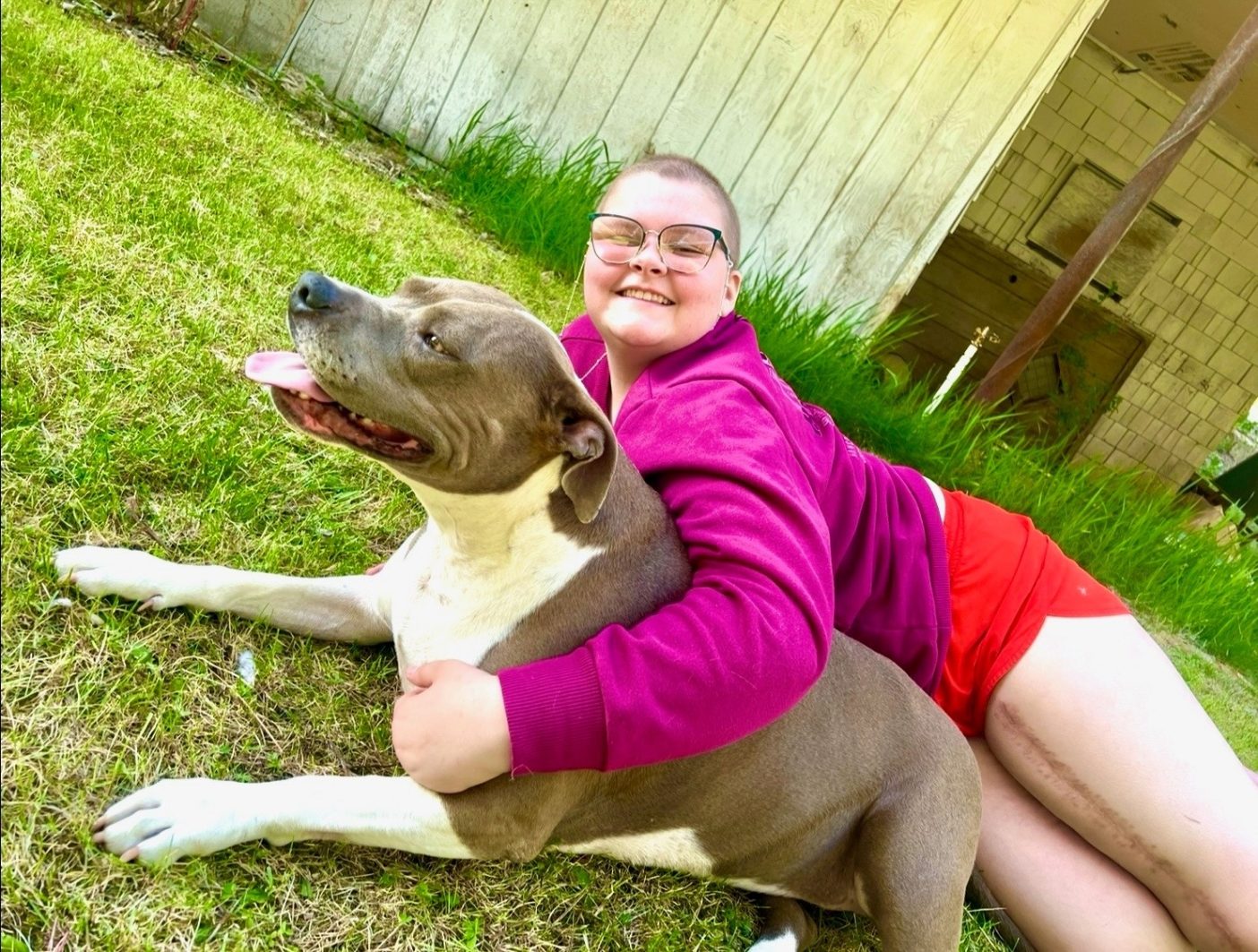
Beyond the systemic challenges of chemotherapy, Madelyn faced a series of complex surgical procedures. The standard of care for her condition involved the resection of the affected bone and the implantation of an internal prosthetic. This process, however, was fraught with technical complications. The custom-made titanium prosthetics required for her femur and knee replacement failed multiple times during the production and testing phases. According to Toni, the family faced agonizing delays as multiple prototypes were pressure-tested and ultimately failed to meet the rigorous safety standards required for implantation.
These setbacks left Madelyn unable to walk for ten months, a period during which she remained largely immobilized. It took four separate surgeries and the eventual successful integration of titanium components for her femur, knee, and hip before she could begin the arduous process of physical rehabilitation. The engineering of such prosthetics is a specialized field; these "growing" or static internal devices must be biocompatible and capable of withstanding the mechanical stresses of a young, active patient’s lifestyle.
The Long Road to Physical Rehabilitation
By March 2026, Madelyn reached the significant milestone of being one year cancer-free. Despite this clinical success, the physical limitations imposed by her surgeries remained a central focus of her daily life. The transition from a hospital bed to the community required a reconfiguration of her identity and her physical capabilities.
Madelyn’s return to her school’s marching band served as a poignant example of this adaptation. Formerly a physically active participant, she assumed the role of drum major, leading her ensemble from a wheelchair. This role required her to maintain the tempo and provide leadership for her peers while navigating the logistical challenges of her mobility aids. As her strength improved through months of intensive physical therapy, she transitioned to participating in school theater productions, utilizing a crutch to navigate the stage. This period of "re-entry" highlights a critical aspect of pediatric cancer survivorship: the necessity of modifying previous passions to fit a new physical reality.
The Psychological Burden of the Post-Treatment Phase
While the physical scars of Madelyn’s battle are visible, the psychological impact has proven to be equally, if not more, challenging. Medical professionals and researchers increasingly recognize that the end of cancer treatment does not equate to the end of the trauma. Madelyn has articulated a profound sense of isolation, describing her experience as having spent two years on another planet. Upon her return to her "old life," she felt like an "alien," unable to bridge the experiential gap between herself and her peers.
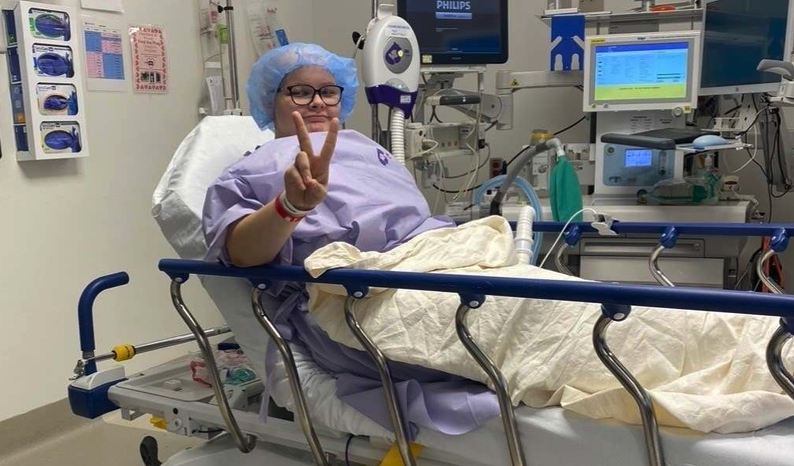
The developmental discrepancy between a childhood cancer survivor and their age-matched peers is a well-documented phenomenon. Survivors often exhibit a level of maturity and a perspective on mortality that their classmates cannot comprehend. This "forced maturity" can lead to social alienation and a sense of being misunderstood. For Madelyn, this has manifested as heightened anxiety and a tendency toward "homebody" behavior. The home has become a sanctuary of perceived safety, a stark contrast to the unpredictable and often painful environment of the oncology ward.
Toni has observed a specific form of separation anxiety in Madelyn, who frequently requests that her mother remain home from work. This behavior stems from a catastrophic thinking pattern: if something were to happen to her primary caregiver, Madelyn fears she would be defenseless should her own health decline again. This hyper-vigilance is a hallmark of post-traumatic stress symptoms in cancer survivors and their families.
The "Fight Mode" Fallacy: Parental and Social Perspectives
The societal expectation that life returns to "normal" immediately following the conclusion of treatment is one of the most significant hurdles for families. Toni notes that while colleagues and acquaintances often assume that being "cancer-free" means being "all better," the reality is a state of emotional exhaustion. During the active treatment phase, parents often exist in a "fight mode," a state of physiological and psychological arousal focused entirely on survival. When the immediate threat subsides, the adrenaline dissipates, often leaving behind a vacuum of grief and confusion.
"You’re finally able to get out of fight mode, and you’re just looking around like, what just happened?" Toni explained. The transition back to full-time employment and social obligations can be overwhelming. The emotional weight of the previous years often resurfaces in unexpected ways, making it difficult to meet the demands of a world that has moved on while the family was in crisis. This experience underscores the need for continued support systems for caregivers, who often face their own risks of depression, anxiety, and identity loss after years of being a "cancer parent."
Research and Advocacy: Improving Long-Term Outcomes
The challenges faced by Madelyn and Toni are representative of a larger cohort of survivors. Organizations such as the Children’s Cancer Research Fund (CCRF) have pivoted significant resources toward survivorship research. While historical focus was primarily on increasing survival rates—which have improved from less than 50% in the 1970s to over 80% today for most pediatric cancers—the focus is now shifting toward the quality of that survival.
Survivorship research aims to mitigate "late effects," which can include secondary cancers, cardiovascular issues, and chronic psychological distress. For teenage survivors like Madelyn, interventions are being developed to cultivate resilience and provide peer support networks that reduce the sense of isolation. Clinical trials are also investigating ways to reduce the toxicity of chemotherapy to prevent long-term organ damage, ensuring that "curing" the cancer does not come at the cost of a functional future.
Looking Ahead: The Five-Year Milestone and Beyond
Now 15 years old, Madelyn is navigating the typical milestones of adolescence through the lens of a survivor. She has embraced personal expression through changing hair colors and the creation of a food vlog, seeking to reclaim her autonomy and explore her interests. Her leadership in the school band continues to be a source of pride, and her "ringing of the bell"—a traditional ceremony marking the end of treatment—was attended virtually by her entire marching band, illustrating the strength of her community support.
However, the medical journey remains ongoing. Madelyn must undergo regular surveillance scans to monitor for recurrence. In the field of oncology, a patient is generally not considered "cured" until they have remained cancer-free for five years. This period is a time of "watchful waiting," characterized by "scanxiety"—the acute stress experienced in the days and weeks leading up to follow-up appointments.
Madelyn’s story is a testament to the resilience of the human spirit, but it also serves as a critical reminder that the conclusion of chemotherapy is not the finish line. It is a transition into a new, often more complex, phase of life. For Madelyn, Toni, and thousands of families like them, the goal is no longer just to survive, but to build a meaningful, integrated life in the wake of a diagnosis that changed everything. The focus of pediatric oncology must continue to expand, ensuring that the medical victories of today are matched by the psychological and social support systems of tomorrow.
