
 By admin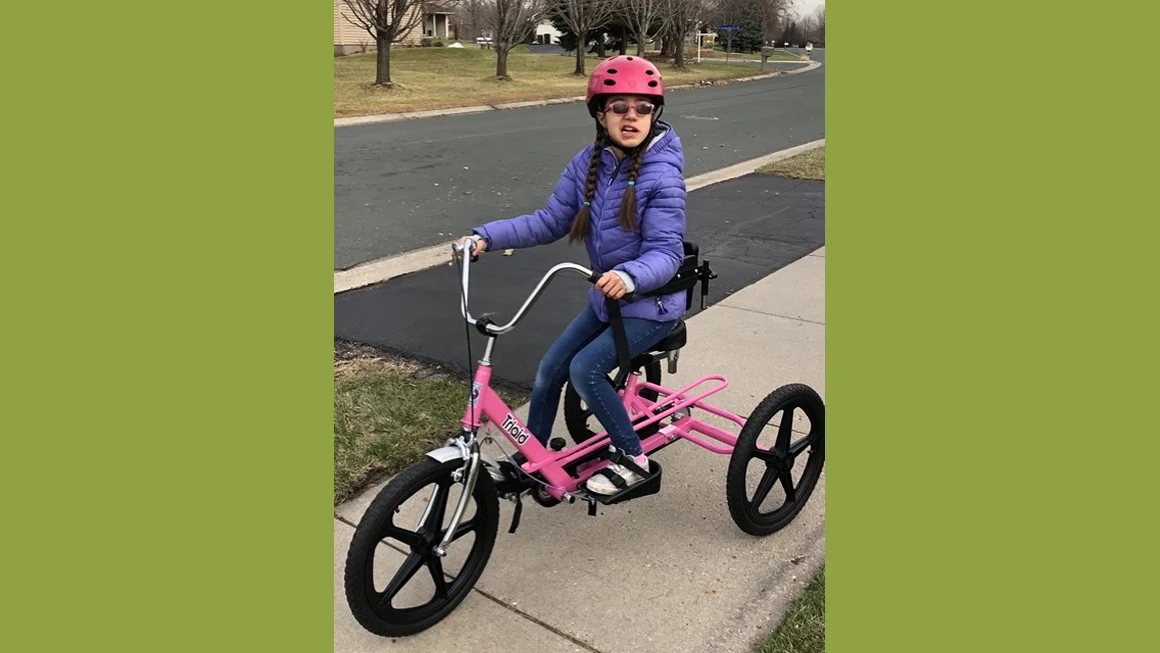
The transition from a healthy toddler to a critically ill patient can occur with a subtlety that belies the gravity of the underlying condition. For Anikah Schmidt, the first indicators of a life-altering medical crisis appeared when she was just 19 months old. Her parents, Vanessa and Ben Schmidt, initially observed a slight degradation in her motor skills, specifically an increase in the frequency of her falls. While common in the developmental stage of a toddler, these incidents were soon followed by a more specific and alarming symptom: projectile vomiting occurring exclusively upon waking. This clinical presentation—morning emesis—is often a hallmark of increased intracranial pressure, yet for the Schmidts, the initial weeks were filled with the domestic guesswork of potential food sensitivities or detergent allergies.
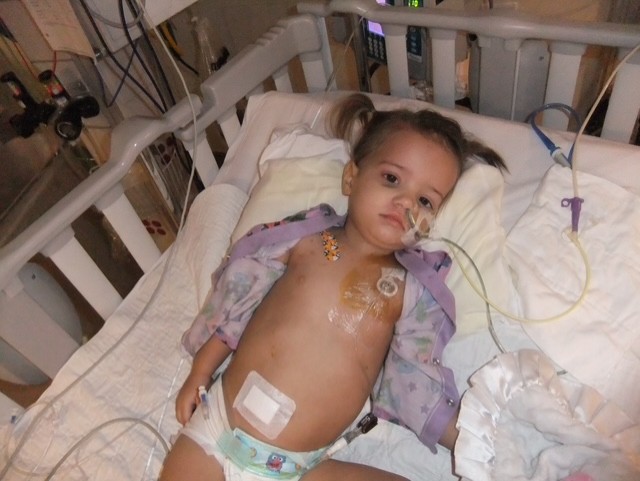
The diagnostic journey reached a definitive and harrowing conclusion following a computed tomography (CT) scan. The results revealed a golf-ball-sized mass identified as an ependymoma, a type of tumor that arises from the ependymal cells lining the ventricles of the brain or the central canal of the spinal cord. In Anikah’s case, the tumor necessitated immediate intervention to alleviate the life-threatening pressure on her brain. Within hours of the scan, the 19-month-old was transitioned to an operating room for emergency neurosurgery, marking the beginning of a sixteen-year odyssey through the American healthcare system.
The Clinical Challenge of Pediatric Ependymoma
Ependymomas represent the third most common brain tumor in children, accounting for approximately 6% to 10% of pediatric central nervous system (CNS) tumors. The primary challenge in treating these malignancies lies in their location, often occurring in the posterior fossa, a small space in the skull found near the brainstem and cerebellum. This area controls vital functions, including breathing, heart rate, and motor coordination.
Anikah’s initial surgery in Minnesota was successful in achieving a gross total resection—the surgical removal of the entire visible mass. However, the standard of care for pediatric ependymoma frequently requires adjuvant therapy to eliminate microscopic disease and reduce the risk of recurrence. Her oncology team recommended proton beam radiation therapy, a highly precise form of treatment that uses protons rather than X-rays to destroy cancer cells.
At the time of Anikah’s diagnosis, proton beam therapy was an emerging technology with limited geographical availability. This necessitated a significant logistical and financial undertaking for the Schmidt family, who relocated from Minnesota to Houston, Texas, for eight weeks to receive treatment at the MD Anderson Cancer Center. Proton therapy is often favored in pediatric cases because it allows for a "Bragg peak"—a point where the maximum energy is deposited into the tumor with minimal "exit dose" to the surrounding healthy tissues. Despite these precautions, the proximity of Anikah’s tumor to the brain stem meant that even the most precise radiation carried inherent risks.
The Paradox of Treatment Radiation-Induced Complications
The success of cancer treatment is traditionally measured by the eradication of the malignancy. However, for many pediatric survivors, the very treatments that save their lives induce secondary, chronic health conditions known as "late effects." Months after returning to Minnesota, Anikah began to exhibit a recurrence of balance issues, followed by a rapid decline in her ability to swallow and, eventually, a total respiratory collapse.
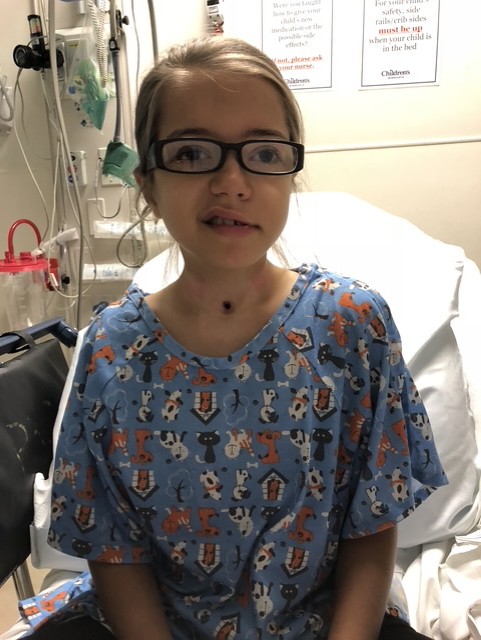
Medical imaging revealed that the radiation intended to cure her had caused severe swelling and necrosis on her brain stem. The resulting physiological damage was catastrophic. To survive, Anikah required a ventilator to breathe, a tracheostomy to maintain her airway, and a gastrostomy tube (G-tube) for nutrition. The family’s focus shifted from oncological remission to acute neurological survival.
To combat the swelling, Anikah underwent hyperbaric oxygen therapy (HBOT). HBOT involves breathing pure oxygen in a pressurized environment, which increases the amount of oxygen the blood can carry to damaged tissues to promote healing and reduce inflammation. While the therapy successfully halted the progression of the swelling, the neurological damage already sustained by the brain stem was permanent. This period highlighted a painful irony often faced by the families of survivors: the curative intervention had become a secondary source of life-threatening trauma.
Statistical Context: The Growing Population of Survivors
Anikah Schmidt is part of a growing demographic. According to the National Cancer Institute, there are approximately 500,000 survivors of childhood cancer in the United States today. Due to advancements in surgical techniques, chemotherapy protocols, and radiation precision, the five-year survival rate for pediatric cancers now exceeds 85%.
However, survivorship does not equate to a return to the pre-diagnostic baseline. Data from the Childhood Cancer Survivor Study (CCSS) indicates that by age 50, more than 60% of childhood cancer survivors will experience at least one severe or life-threatening chronic health condition related to their previous treatment. These conditions include:
- Neurological Impairments: Chronic balance issues, seizure disorders, and cognitive delays.
- Endocrine Disorders: Growth hormone deficiencies and thyroid dysfunction.
- Cardiovascular Disease: Increased risk of heart failure and stroke due to chest radiation or specific chemotherapies.
- Secondary Malignancies: A heightened risk of developing a different type of cancer later in life.
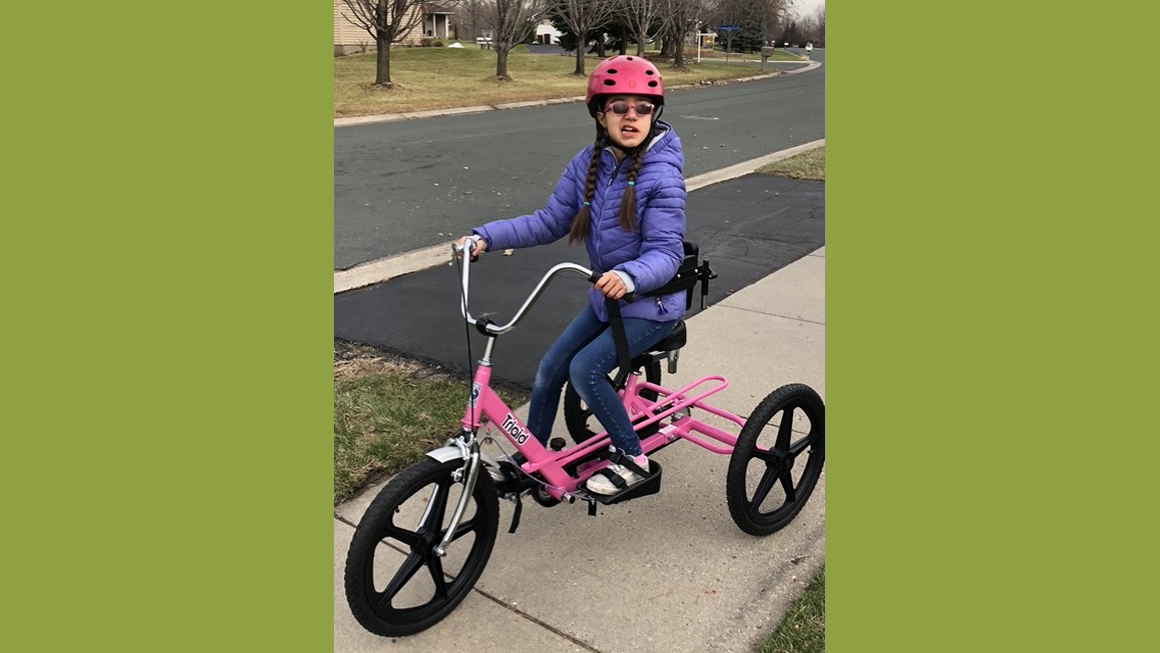
For Anikah, now 16, the "late effects" are a daily reality. While she successfully transitioned away from a tracheostomy in the fourth grade, she remains dependent on a feeding tube for nutrition and requires supplemental oxygen during sleep. Her motor skills, though significantly improved through years of intensive physical therapy, require the use of a walker in school environments to ensure her safety and stability.
The Sociomedical Impact on Adolescence and Identity
The psychological and social implications of long-term survivorship are particularly acute during adolescence. For Anikah, the desire for a "normal" teenage experience—such as attending sleepovers or participating in school extracurriculars—is often complicated by her medical requirements. Vanessa Schmidt notes that the transition from "cancer patient" to "survivor with special needs" is a nuanced journey that the general public often fails to grasp.
"We fixed the cancer—why can’t we fix everything else?" Vanessa’s question reflects a common frustration among parents of survivors. There is often a societal expectation that once the "all-clear" is given by an oncologist, the battle is over. In reality, the medical management of late effects requires a lifelong commitment to multidisciplinary care, involving neurologists, pulmonologists, and rehabilitative specialists.
Despite these hurdles, Anikah has actively sought integration into typical adolescent activities, participating in theater, cheerleading, and adapted dance. However, the physical exertion and the visibility of her medical equipment can lead to social exhaustion. This highlighted a critical need for specialized support systems that cater specifically to the pediatric cancer community.
Camp Norden and the Role of Specialized Support Systems
In search of a community where her daughter’s medical history would not be a barrier to inclusion, the Schmidt family turned to Camp Norden. Funded by the Children’s Cancer Research Fund (CCRF), Camp Norden is designed specifically for children impacted by cancer, providing a space where medical needs are normalized rather than stigmatized.
The impact of such programs is supported by psychological research suggesting that "medically supervised camping" can significantly improve the self-esteem and social anxiety levels of pediatric patients. At Camp Norden, Anikah engaged in activities that challenged her physical limits within a supportive framework. One notable instance involved a group push-up challenge; despite the time required for Anikah to position her body due to her neurological limitations, she was met with encouragement rather than impatience.
These environments serve a vital role in the "total care" model of pediatric oncology, which posits that the psychological and social health of a patient is as critical as their physical remission. For Anikah, the camp provided a rare opportunity to exist in a space where her identity was not defined by her diagnosis, but where her diagnosis was fully understood.
Broader Implications and the Future of Pediatric Oncology
The story of Anikah Schmidt underscores a critical shift in the field of pediatric oncology: the movement toward "de-escalation" of treatment and the prioritization of long-term quality of life. As survival rates plateau at high levels, researchers are increasingly focused on identifying the minimum effective dose of radiation and chemotherapy to reduce the incidence of late effects.
Furthermore, there is an urgent need for increased funding for survivorship research. Currently, a disproportionately small amount of federal cancer research funding is dedicated to pediatric-specific studies, and even less is directed toward the management of long-term side effects in survivors. Organizations like the Children’s Cancer Research Fund are essential in filling this gap, funding trials for less toxic therapies and support programs that assist families through the decades-long tail of a cancer diagnosis.
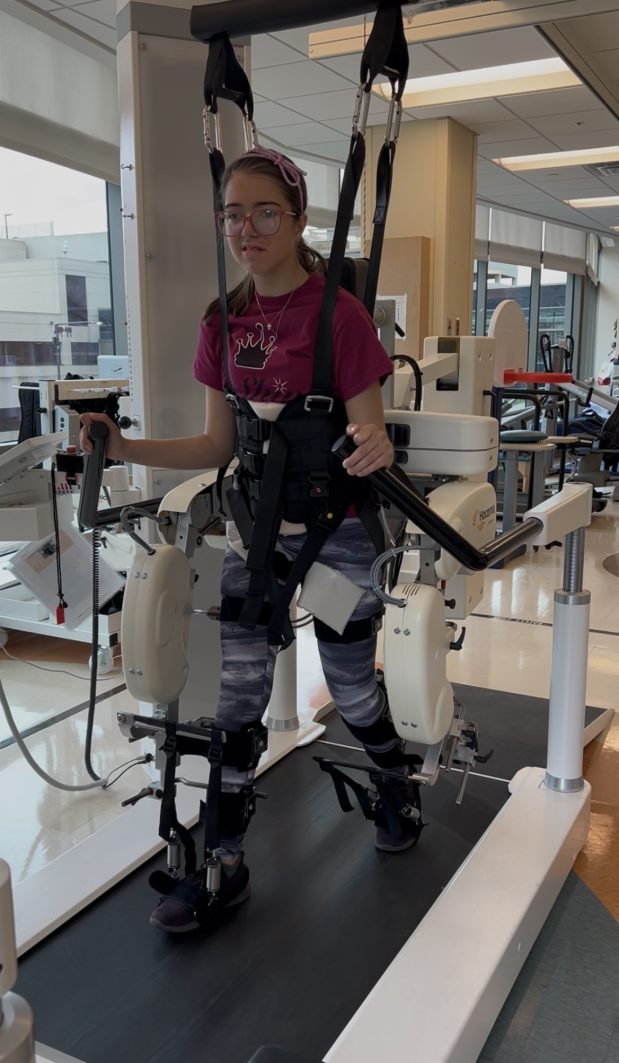
The Schmidt family’s experience serves as a testament to the resilience of pediatric patients, but it also serves as a call to action for the medical community and the public. Survivorship is a dynamic state, not a static achievement. As Anikah approaches adulthood, her medical journey will continue to evolve, requiring a healthcare system that is equipped to handle the unique complexities of those who have survived the "cure."
In the final analysis, Anikah’s journey from a 19-month-old in emergency surgery to a 16-year-old theater enthusiast illustrates the profound success of modern medicine in preserving life, while simultaneously highlighting the significant work remaining to ensure that the life preserved is one of optimal health and unencumbered opportunity. For kids like Anikah, the end of chemotherapy or radiation is not the end of the story—it is the beginning of a new, complex chapter of survival.
