
 By Suherman Candra Maholtra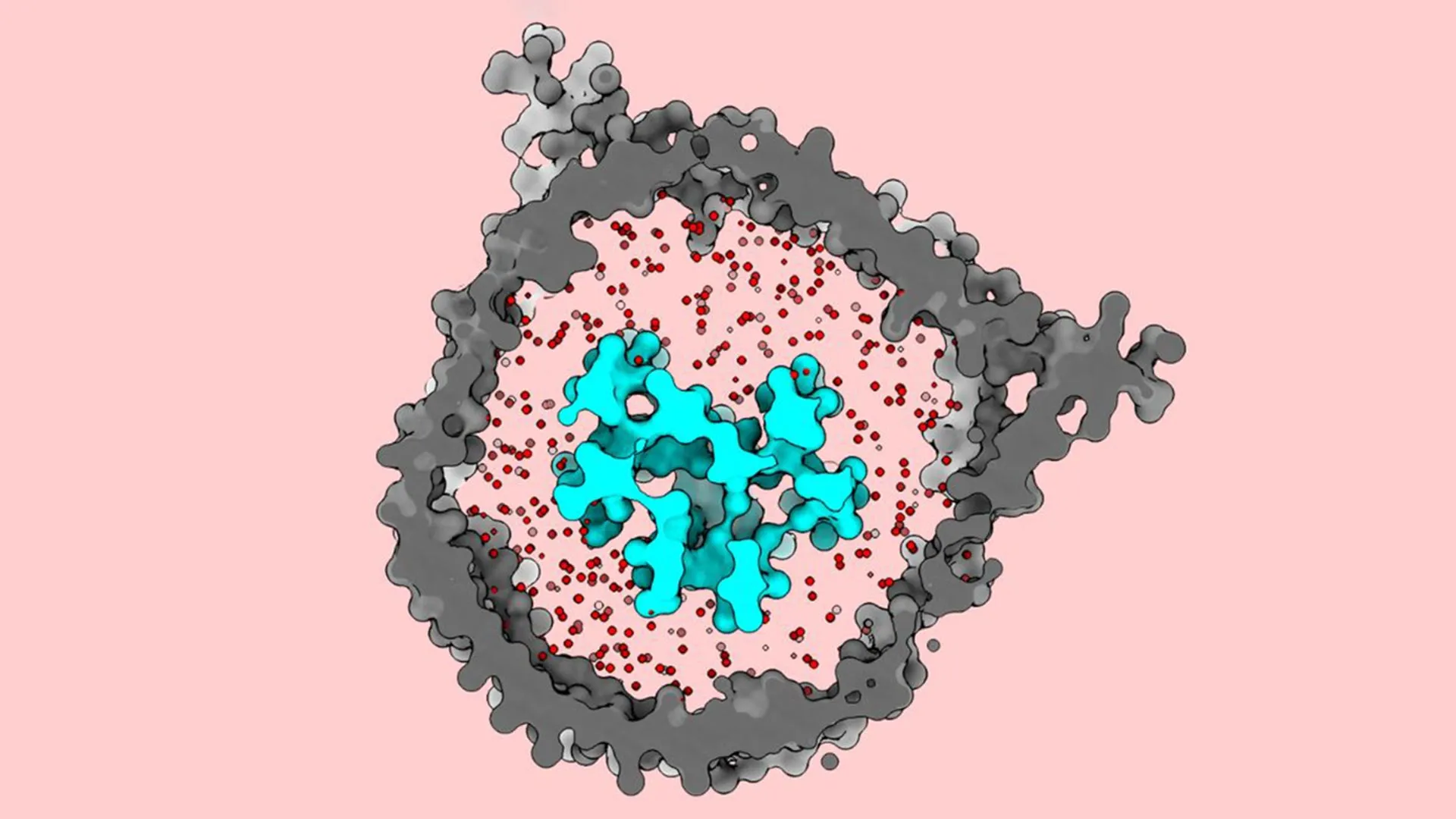
The field of oncology has been fundamentally transformed over the last decade by the rise of T cell immunotherapy, a class of treatment that harnesses the body’s internal surveillance system to identify and eliminate malignant growths. While these therapies have achieved remarkable results in treating certain blood cancers, such as leukemia and lymphoma, their efficacy has remained frustratingly limited in the context of solid tumors. For years, a significant barrier to improving these treatments was a lack of fundamental understanding regarding the molecular mechanics of the T cell receptor (TCR), the primary sensory apparatus of the immune system’s most potent soldiers. However, a landmark study conducted by researchers at The Rockefeller University and published in Nature Communications has finally decoded the structural dynamics of this complex protein, revealing a "jack-in-the-box" mechanism that could revolutionize the design of future immunotherapies.
The research, led by Thomas Walz, a professor and head of the Laboratory of Molecular Electron Microscopy, and Ryan Notti, a clinical investigator and oncology fellow at Memorial Sloan Kettering Cancer Center, provides the first high-resolution look at the TCR in its native-like membrane environment. Their findings suggest that the TCR remains in a tightly compressed, dormant state until it encounters a specific threat, at which point it undergoes a dramatic conformational change. This discovery corrects decades of misconceptions based on earlier structural studies and offers a new roadmap for engineering T cells that can more effectively target a wider array of cancers, including the notoriously difficult-to-treat sarcomas.
The Evolution of T Cell Immunotherapy and the Knowledge Gap
To appreciate the significance of this discovery, it is necessary to understand the current landscape of cancer treatment. T cell immunotherapies, including Chimeric Antigen Receptor (CAR) T-cell therapy and TCR-engineered therapies, rely on the ability of T cells to scan the surfaces of other cells for signs of disease. This scanning is performed by the T cell receptor, a sophisticated multi-protein complex embedded in the T cell’s outer membrane. When the TCR recognizes a foreign antigen—a protein fragment from a virus or a mutated cancer cell—it sends a signal into the T cell, triggering an aggressive immune response.
Despite the clinical success of these therapies, the "signal transduction" process—how the TCR converts an external binding event into an internal cellular command—has been a "black box" for structural biologists. Early attempts to visualize the TCR using X-ray crystallography and electron microscopy provided a static view of the receptor, but these images often depicted the complex in an "open" or extended state, even in the absence of an antigen. This led many scientists to believe that the TCR did not undergo a significant shape change upon activation. This lack of structural clarity made it difficult for bioengineers to fine-tune the sensitivity of T cell therapies, leading to treatments that were either too weak to kill solid tumors or so aggressive that they caused dangerous systemic inflammation, known as cytokine release syndrome.
Reconstructing the Native Environment: The Role of Cryo-EM and Nanodiscs
The breakthrough at Rockefeller University was made possible by a shift in methodology. Traditionally, structural biologists have used detergents to extract proteins from cell membranes so they can be imaged. However, detergents are harsh chemicals that strip away the lipids (fats) that surround the protein in a living cell. Because the TCR is a membrane-bound protein, removing its lipid environment essentially removed the structural constraints that keep it in its natural shape.
Professor Walz and his team utilized a sophisticated technique known as cryogenic electron microscopy (cryo-EM), which allows researchers to freeze biological samples in a thin layer of vitreous ice, preserving their natural structure at near-atomic resolution. To ensure the TCR behaved as it would inside a human body, the team avoided detergents. Instead, they used "nanodiscs"—tiny, synthetic patches of cell membrane composed of specific lipid mixtures that mimic the environment of a real T cell.
"We can change the biochemical composition, the thickness of the membrane, the tension and curvature, the size—all kinds of parameters that we know have an influence on the embedded protein," Walz explained. By meticulously assembling all eight proteins that comprise the TCR complex into these nanodiscs, the researchers were able to observe the receptor in a state that closely resembles its "resting" or dormant condition within the body.
The Jack-in-the-Box Discovery: A Paradigm Shift in Immunology
When the researchers visualized the TCR within the nanodisc environment, they observed something that contradicted years of established literature. In its dormant state, the TCR was not extended or "open." Instead, it was tightly folded and compact, held in place by the physical pressure and chemical interactions of the surrounding lipid membrane.
The study revealed that the TCR functions essentially like a molecular jack-in-the-box. When the receptor encounters an antigen—specifically one presented by a Human Leukocyte Antigen (HLA) molecule on a target cell—the binding energy overcomes the inhibitory force of the membrane. The TCR then "springs" open, extending outward. This conformational change is the physical trigger that allows the signaling components on the inside of the cell to begin the cascade of immune activation.
"The data that were available when we began this research depicted this complex as being open and extended in its dormant state," said Ryan Notti. "We found that it does, springing open like a sort of jack-in-the-box. This new fundamental understanding of how the signaling system works may help re-engineer that next generation of treatments."
The researchers identified that the specific lipid mixture used in the nanodiscs was critical. T cell membranes are rich in certain lipids that provide the necessary tension to keep the TCR closed. If the researchers had used a generic or simplified lipid model, the TCR would have likely defaulted to its open state, masking the very mechanism they were trying to find.
From the Lab to the Clinic: Addressing the Sarcoma Challenge
For Ryan Notti, this research is more than a structural biology puzzle; it is a clinical necessity. As a physician at Memorial Sloan Kettering, Notti treats patients with sarcomas—cancers that develop in the bones or soft tissues. Sarcomas are notoriously resistant to current immunotherapies, partly because they are "cold" tumors that do not naturally attract T cells, and partly because the T cells that do reach the tumor are often unable to be properly activated by the tumor’s antigens.
"Re-engineering the next generation of immunotherapies tops the charts in terms of unmet clinical needs," Notti stated. "For example, adoptive T cell therapies are being used successfully to treat certain very rare sarcomas, so one could imagine using our insights to re-engineer the sensitivity of those receptors by tuning their activation threshold."
By understanding the "activation threshold"—the exact amount of force or binding energy required to make the TCR spring open—scientists can now look toward designing synthetic receptors that are "primed" to open more easily when they encounter weak cancer antigens. Conversely, for autoimmune diseases where T cells are overactive, researchers could look for ways to "lock" the jack-in-the-box in its closed position, preventing the immune system from attacking healthy tissue.
Timeline of Structural Discovery and Future Implications
The journey to this discovery represents a multi-year effort involving interdisciplinary collaboration between structural biologists and clinical oncologists.
- Early 2000s – 2015: X-ray crystallography provides the first high-resolution images of individual TCR components, but the full eight-protein complex remains elusive in its membrane-bound form.
- 2017: Cryo-EM technology matures, winning the Nobel Prize in Chemistry and allowing for the study of large, flexible protein complexes.
- 2019 – 2021: The Walz lab begins developing specialized nanodiscs to study membrane proteins in their native-like states. Ryan Notti joins the project, bringing a clinical focus on sarcoma and T cell signaling.
- 2022 – 2023: The team successfully assembles the full TCR complex into lipid nanodiscs, overcoming significant biochemical hurdles regarding protein stability.
- 2024: Publication of the findings in Nature Communications, revealing the "jack-in-the-box" mechanism.
The implications of this study extend beyond cancer. Professor Walz notes that the structural details of the TCR-HLA interaction could be pivotal for vaccine design. By understanding how different antigens cause the TCR to "spring" with varying degrees of efficiency, vaccine researchers can design antigens that elicit a more robust and durable immune memory. This is particularly relevant for developing vaccines against rapidly mutating viruses or for "therapeutic vaccines" designed to treat existing infections or cancers.
Furthermore, the study highlights the importance of "basic science" in a medical landscape often focused on immediate clinical results. As Walz noted, "The T cell receptor is really the basis of virtually all oncological immunotherapies, so it’s remarkable that we use the system but really have had no idea how it actually works."
A New Era of Precision Immunotherapy
As the scientific community digests these findings, the focus will likely shift toward "tuning" the T cell receptor. If the TCR is a jack-in-the-box, the next generation of cancer researchers will be the ones adjusting the spring tension.
The ability to visualize the TCR in its closed, dormant state provides a baseline that was previously missing. Researchers can now use computational modeling to predict how specific mutations or synthetic modifications will affect the receptor’s stability. This could lead to the development of "high-affinity" TCRs that can detect even the slightest trace of a tumor-specific protein, or "logic-gated" T cells that require two different signals to "spring" open, thereby reducing the risk of off-target damage to healthy organs.
In conclusion, the work of the Rockefeller University team has provided a missing piece of the immunological puzzle. By proving that the T cell receptor is a dynamic, shape-shifting machine rather than a static anchor, they have opened the door to a more sophisticated and effective era of cancer treatment. For patients with sarcomas and other solid tumors that have thus far remained out of reach for immunotherapy, this "jack-in-the-box" discovery offers a new and profound sense of hope.
