
 By admin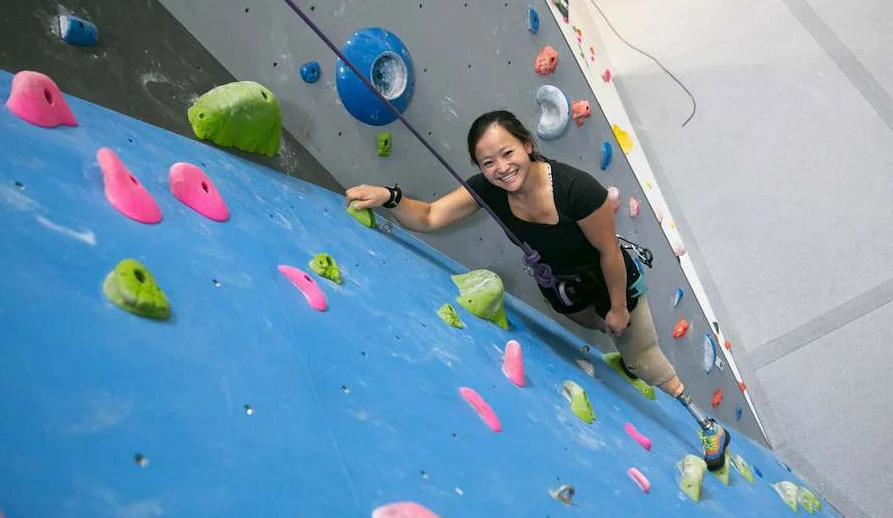
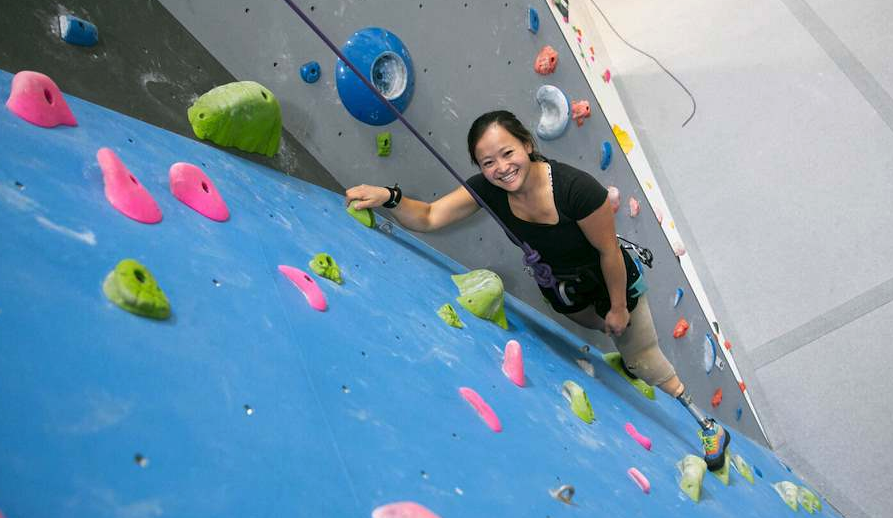
The conclusion of active treatment for a pediatric cancer patient is often celebrated as a definitive victory, yet for the growing population of childhood cancer survivors, it marks the inception of a complex, lifelong management phase that remains significantly under-researched. While medical advancements have pushed the five-year survival rate for pediatric cancers to approximately 85% in the United States, the transition from acute care to long-term wellness remains a precarious period. Dr. Karim Sadak, Director of the Childhood Cancer Survivor Program at the University of Minnesota, is spearheading a specialized research initiative aimed at addressing the critical disconnect between clinical knowledge and the daily health behaviors of survivors. Supported by the Children’s Cancer Research Fund and its corporate partner Ascentek, this research seeks to dismantle the barriers that prevent young survivors from maintaining the physical activity levels necessary to mitigate the long-term "late effects" of intensive cancer therapies.
The Evolution of Survivorship as a Clinical Discipline
To understand the necessity of Dr. Sadak’s work, one must examine the historical context of pediatric oncology. For much of the 20th century, the primary focus of medical research was the immediate eradication of the disease. As treatment protocols involving high-dose chemotherapy, radiation, and surgery became more effective, a new cohort of patients emerged: the long-term survivor. By the late 1990s and early 2000s, longitudinal studies began to reveal that these survivors were at a significantly higher risk for chronic health conditions later in life compared to the general population.
Data from the Childhood Cancer Survivor Study (CCSS) indicates that by the age of 50, more than half of all childhood cancer survivors will have experienced a severe or life-threatening health condition. These "late effects" include cardiovascular disease, pulmonary fibrosis, endocrine disorders, and the development of secondary malignancies. Physical activity has been identified as a primary modifiable behavior that can reduce the risk of many of these complications. However, studies consistently show that survivors are less likely to meet national physical activity guidelines than their peers who did not have cancer. The challenge facing modern medicine is not simply informing survivors that they need to exercise, but understanding the psychological and environmental factors that dictate whether they actually do so.
Methodology of the Real-Time Behavioral Study
The research led by Dr. Sadak, in collaboration with Alicia Kunin-Batson, PhD, LP, from the Department of Pediatrics, and Kelvin O. Lim, MD, from the Department of Psychiatry and Behavioral Sciences, focuses on a pivotal demographic: adolescents and young adults (AYAs) aged 15 to 25. This age range is often described as the "transition period," where patients move from parent-managed pediatric care to self-managed adult care. It is also a period where health habits are solidified for adulthood.
The study utilized a cohort of nearly 40 participants who were monitored over a continuous 21-day period. Unlike traditional studies that rely on retrospective self-reporting—which is often subject to memory bias—this study employed a high-frequency, real-time data collection model. Participants were equipped with fitness trackers to provide objective data on physical activity and sedentary time. Simultaneously, they participated in what is known in behavioral science as Ecological Momentary Assessment (EMA). Through short, online surveys delivered to their mobile devices multiple times a day, survivors reported on their current mood, levels of fatigue, motivation, and social context.
By pairing the objective data from the fitness trackers with the subjective data from the surveys, the research team is able to map the internal and external triggers of behavior. For instance, the data allows researchers to see if a survivor’s sedentary behavior increases following a specific dip in mood or if social connection serves as a primary motivator for physical exertion. This level of granularity is rare in survivorship research and provides a blueprint for personalized intervention strategies.
Addressing the Barriers to Follow-Up Care
One of the most pressing issues in the survivorship community is the "cliff" of care. While pediatric oncology programs provide intensive support, many survivors lose touch with specialized care as they enter adulthood. Statistics suggest that only a fraction of adult survivors of childhood cancer receive the recommended risk-based follow-up care. This lack of engagement is often due to a combination of factors, including a desire to distance oneself from the trauma of the cancer experience, a lack of specialized adult clinics, and a general misunderstanding of long-term risks.
Dr. Sadak’s research team recognized that traditional clinic-based models are insufficient for the AYA population. By utilizing a remote, technology-driven approach, the study meets survivors in their natural environments. This remote methodology is particularly vital for those who may only visit a specialized survivorship clinic once a year or who live far from major academic medical centers. It shifts the paradigm of care from a once-a-year checkup to a continuous understanding of the patient’s lifestyle and health challenges.
Supporting Data and the Economic Impact of Late Effects
The economic and public health implications of improving survivorship care are substantial. Chronic conditions resulting from cancer treatment not only diminish the quality of life for the individual but also place a heavy burden on the healthcare system. According to various health economics analyses, the lifetime cost of managing late effects in a single childhood cancer survivor can reach hundreds of thousands of dollars.
Research indicates that physical activity interventions can reduce the incidence of metabolic syndrome and cardiovascular issues in this population by as much as 20% to 30%. By investing in behavioral research now, healthcare providers can potentially prevent the onset of expensive, debilitating conditions later. The support from the Children’s Cancer Research Fund and Ascentek highlights a growing trend in "venture philanthropy," where donors fund early-stage, innovative research that has the potential to prove a concept before it seeks larger federal grants from the National Institutes of Health (NIH).
Chronology of Research and Future Objectives
The study has recently moved from the data collection phase into the analytical phase. The chronology of the project reflects a meticulous approach to behavioral science:

- Phase I: Conceptualization and Funding (Completed): Dr. Sadak and his multidisciplinary team secured funding and designed the protocol to integrate psychiatry, pediatrics, and behavioral health.
- Phase II: Recruitment and Implementation (Completed): Participants were enrolled and the 21-day monitoring periods were executed, capturing thousands of data points regarding movement and motivation.
- Phase III: Data Analysis (Ongoing): The team is currently analyzing the correlations between the real-time surveys and the physical activity logs.
- Phase IV: Pilot Expansion (Upcoming): The next objective is to use these insights to design a larger, multi-center trial. This trial will test specific interventions—such as mobile app prompts or peer-support networks—based on the behavioral triggers identified in the initial study.
The ultimate goal is to create a standardized toolkit that survivorship clinics nationwide can use to help their patients stay active and engaged with their health. This would represent a shift from "one-size-fits-all" exercise recommendations to a nuanced, data-driven approach that accounts for the unique psychological profile of the cancer survivor.
Broader Implications for Oncology and Public Health
The implications of Dr. Sadak’s work extend beyond the specific cohort of childhood cancer survivors. This study serves as a model for how the medical community can address "survivorship" in other chronic illnesses. As more diseases become manageable through advanced therapies, the number of people living with the long-term consequences of those treatments will grow.
Furthermore, the study highlights the importance of multidisciplinary collaboration. By involving the Department of Psychiatry and Behavioral Sciences, the University of Minnesota team acknowledges that the body and mind are inextricably linked in the recovery process. A survivor may be physically "cured" of cancer, but the psychological remnants of the disease—including anxiety about recurrence or body image issues—can act as significant barriers to physical wellness.
Official responses from advocacy groups emphasize that research of this nature is what survivors have been requesting for years. Organizations like the National Coalition for Cancer Survivorship (NCCS) have long argued that the definition of "success" in oncology must be expanded to include the long-term functional status and well-being of the patient. Dr. Sadak’s study provides the empirical data needed to back these advocacy efforts.
Conclusion: A Future Focused on Thriving
As the data from this study is processed and prepared for publication in peer-reviewed journals, the focus remains on the individual lives of the survivors. For young people like Larissa and Max, whose experiences were captured during the study, the research represents a path toward a future where their identity is not defined solely by their past diagnosis, but by their current health and vitality.
The investment in behavioral research is an investment in the "cure after the cure." It recognizes that medical science has done the hard work of keeping these children alive; now, society must do the equally hard work of ensuring they have the tools to live well. Through the continued support of donors and the innovative use of technology, the gap between clinical knowledge and daily life is finally beginning to close, offering a more confident and active future for childhood cancer survivors across the globe.
