
 By Suherman Candra Maholtra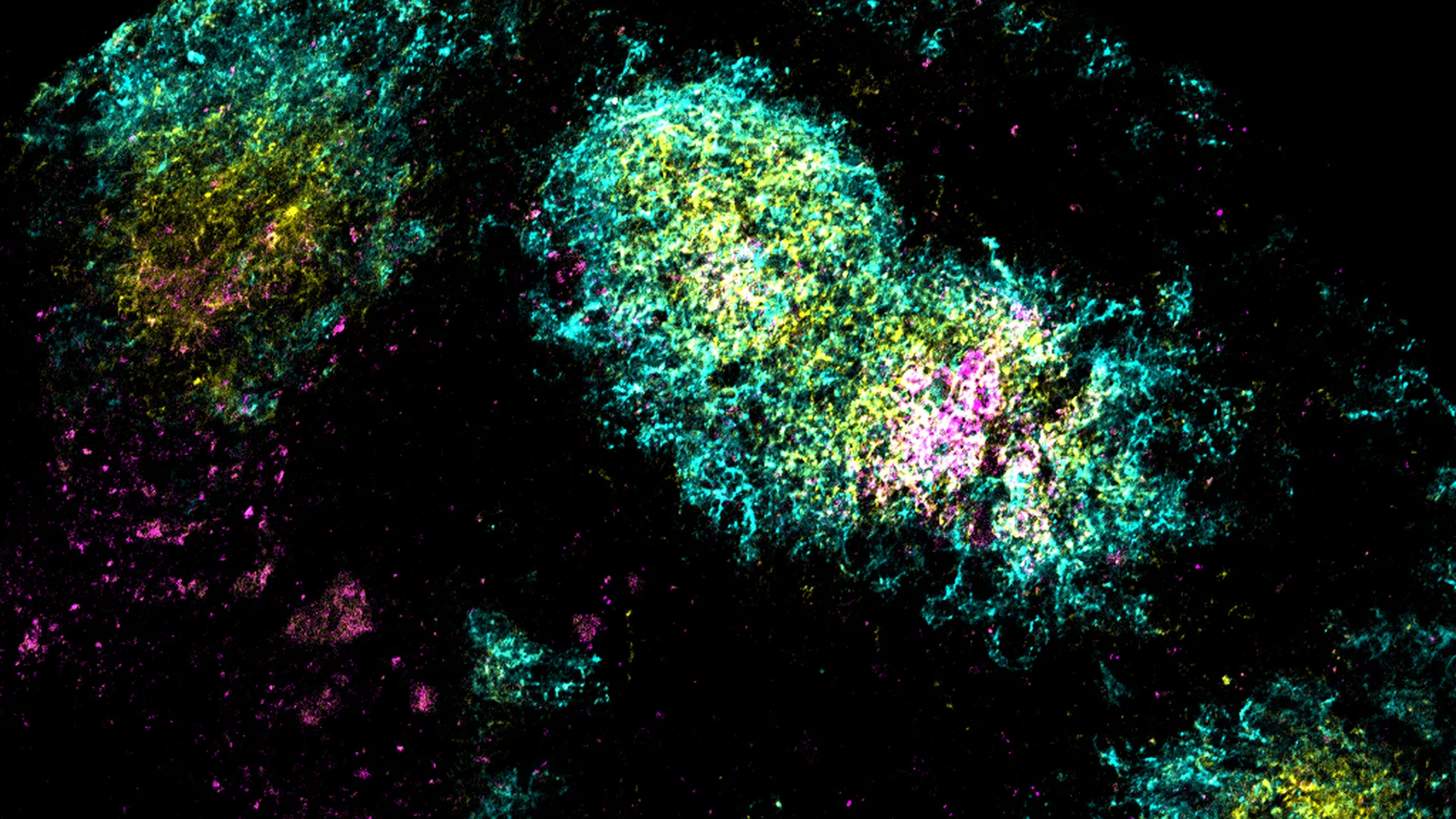
In a significant leap forward for vaccinology, researchers at the Massachusetts Institute of Technology (MIT) and the Scripps Research Institute have unveiled a novel immunization strategy that could fundamentally change the global approach to treating and preventing HIV. By leveraging a synergistic combination of two powerful adjuvants—substances designed to enhance the body’s immune response—the team demonstrated that a single vaccine dose can elicit a robust, diverse, and long-lasting immune response in animal models. This breakthrough, recently published in the journal Science Translational Medicine, offers a potential solution to one of the most persistent hurdles in infectious disease prevention: the requirement for multiple "booster" doses to achieve protective immunity.
The study, led by senior authors J. Christopher Love of MIT and Darrell Irvine of the Scripps Research Institute, focuses on the B cell response, the arm of the immune system responsible for producing antibodies. In trials involving mice, the dual-adjuvant approach not only increased the sheer quantity of antibodies but also significantly broadened their diversity. This diversity is considered the "holy grail" of HIV research, as it increases the likelihood of developing broadly neutralizing antibodies (bNAbs) capable of combating the virus’s notorious ability to mutate and evade detection.
The Persistent Challenge of HIV Immunization
For over four decades, the scientific community has struggled to develop an effective HIV vaccine. Unlike many other viruses, HIV integrates into the host’s genome and mutates at an extraordinary rate, creating a "moving target" for the immune system. Previous vaccine candidates have often failed because they triggered a narrow immune response that the virus could easily bypass. Furthermore, most experimental HIV vaccines require a complex "prime-boost" regimen, involving several injections over months or even years.
In many parts of the world where HIV is most prevalent, such as sub-Saharan Africa, maintaining a multi-dose schedule presents immense logistical challenges. Issues ranging from vaccine storage requirements (the "cold chain") to patient follow-up and transportation often lead to incomplete immunization series, rendering the vaccines less effective. A single-dose vaccine that provides high-level protection would circumvent these barriers, potentially saving millions of lives and reducing the global economic burden of the epidemic.
The Science of Synergy: Alum and SMNP
The core of the researchers’ success lies in the combination of two distinct types of adjuvants. Adjuvants are essential components of protein-based vaccines, acting as an "alarm system" that alerts the innate immune system to the presence of the vaccine antigen.
The first adjuvant used is aluminum hydroxide, commonly known as alum. Alum has been a staple of vaccine formulation since the 1930s and is used in vaccines for hepatitis A, hepatitis B, and diphtheria-tetanus-pertussis (DTaP). It works by creating a small "depot" at the injection site, slowly releasing the antigen and stimulating an inflammatory response that helps the body form a memory of the pathogen.
The second component is a more modern innovation developed by Professor Darrell Irvine’s lab: the Saponin/MPLA Nanoparticle (SMNP). Saponins are natural compounds derived from the bark of the Quillaja saponaria tree (the Chilean soapbark tree). When combined with MPLA (monophosphoryl lipid A), a molecule that triggers inflammation through specific cellular receptors, the resulting nanoparticle becomes a potent immune stimulator. While SMNP is currently being tested in clinical trials for HIV, the researchers hypothesized that pairing it with the traditional alum could yield even better results.
Chronology of the Discovery and Experimental Design
The path to this discovery began several years ago when the Irvine and Love labs started investigating how different delivery mechanisms impact the "germinal center" response. Germinal centers are specialized microstructures within the lymph nodes where B cells undergo a process called "affinity maturation." During this process, B cells mutate rapidly, and those that produce antibodies with the highest affinity for the virus are selected to survive and proliferate.
To test the dual-adjuvant theory, the researchers utilized an engineered HIV protein called MD39. This protein is a "trimer" designed to mimic the shape of the envelope protein found on the surface of the HIV virus. In their experimental setup, the team anchored dozens of these MD39 proteins to alum particles and mixed them with the SMNP adjuvant.
The study followed a rigorous comparative structure:
- Control Group: Mice received the MD39 antigen alone.
- Single Adjuvant Group A: Mice received MD39 with only alum.
- Single Adjuvant Group B: Mice received MD39 with only SMNP.
- Dual Adjuvant Group: Mice received MD39 with both alum and SMNP.
The researchers then monitored the mice over several weeks, using advanced imaging and single-cell RNA sequencing to track the movement of the vaccine and the evolution of the B cell response.
Data Analysis: Prolonged Exposure and Increased Diversity
The results were stark. In mice receiving the dual-adjuvant formulation, the vaccine did not simply dissipate after injection. Instead, it migrated to the lymph nodes and remained there in an intact, functional state for up to 28 days. In contrast, vaccines with a single adjuvant or no adjuvant were cleared much faster.
This 28-day window is crucial because it mimics the timeline of a natural, persistent infection. By keeping the antigen present in the lymph nodes for nearly a month, the vaccine forced B cells to remain in the germinal centers longer. This extended "training period" allowed the B cells to refine their antibody production to a much higher degree.
The data from single-cell RNA sequencing revealed that the dual-adjuvant vaccine produced a two- to three-fold increase in the number of unique B cell lineages compared to the other groups. This surge in diversity is vital for HIV because it increases the probability that the immune system will eventually "stumble upon" the specific genetic sequence required to create broadly neutralizing antibodies.
"As a result, the B cells that are cycling in the lymph nodes are constantly being exposed to the antigen over that time period, and they get the chance to refine their solution to the antigen," explained J. Christopher Love. "The more chances we give the immune system to identify an effective solution, the better."
Broader Implications for Global Health and Future Outbreaks
While the study focused primarily on HIV, the implications of this "depot-effect" adjuvant strategy extend far beyond a single virus. The researchers also tested the formulation with SARS-CoV-2 proteins and found similarly enhanced immune responses. This suggests that the dual-adjuvant platform could be a "plug-and-play" solution for various protein-based vaccines.
For influenza, which requires annual updates due to viral drift, a more diverse and potent immune response could lead to a "universal" flu vaccine. For future pandemics, the ability to achieve high-level immunity with a single, low-dose injection would be a game-changer for rapid global deployment.
Furthermore, the components used in this study are already well-understood by regulatory bodies. Alum has a decades-long safety profile, and saponin-based adjuvants are already featured in FDA-approved vaccines like Shingrix (for shingles) and Novavax (for COVID-19). This familiarity could significantly shorten the timeline for clinical translation, as the hurdles for safety testing may be lower than for entirely new chemical entities.
Institutional Support and the Path Forward
The research was a collaborative effort involving some of the most prestigious biological research institutions in the United States. Funding was provided by the National Institutes of Health (NIH), the Koch Institute for Integrative Cancer Research at MIT, and the Ragon Institute of MGH, MIT, and Harvard. The involvement of the Ragon Institute is particularly noteworthy, as it was founded with the specific mission of harnessing the immune system to prevent and cure human diseases, with a primary focus on HIV.
The next steps for the research team involve moving from mouse models to non-human primates, which possess immune systems more closely resembling those of humans. If the results hold, human clinical trials could follow shortly thereafter.
The lead authors of the paper, Kristen Rodrigues and Yiming Zhang, emphasized that while the antigen (the HIV protein) is important, the "delivery and context"—provided by the adjuvants—are what truly unlock the immune system’s potential. By combining the old-school reliability of alum with the high-tech potency of SMNP nanoparticles, the team has provided a roadmap for a new generation of vaccines that are not only more effective but also more accessible to the global population.
As the scientific community continues to digest these findings, the hope is that the "one-and-done" vaccine model moves from a theoretical ideal to a clinical reality, finally turning the tide in the long-standing war against HIV and other elusive pathogens.
