
 By admin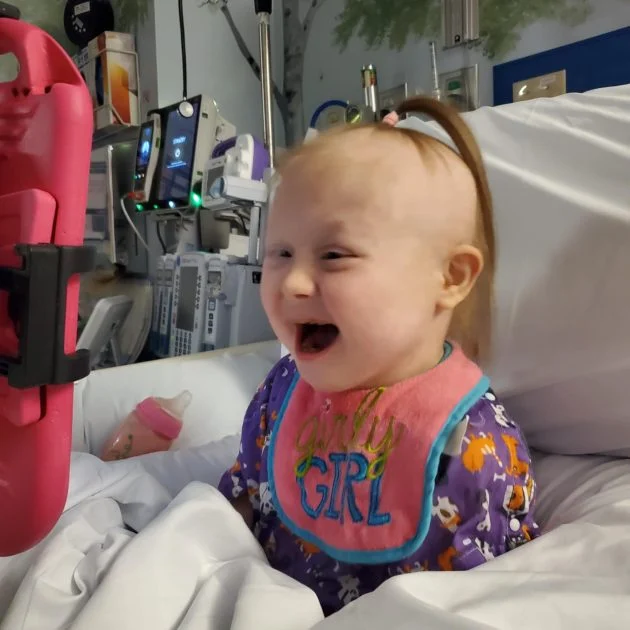
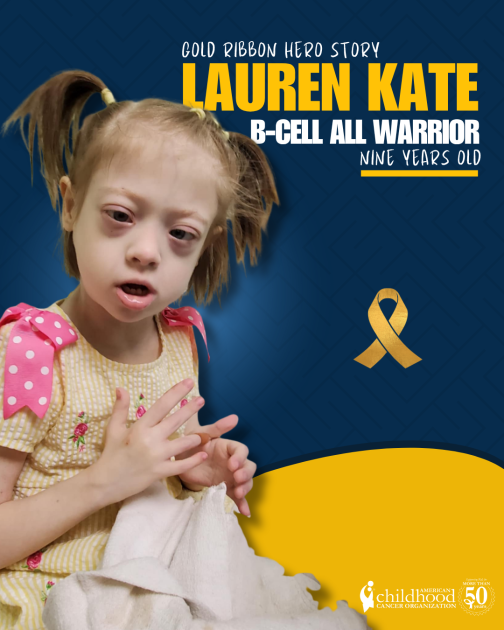
The medical community and local advocates in East Tennessee have rallied around nine-year-old Lauren Kate following her recent diagnosis of B-Cell Acute Lymphoblastic Leukemia (ALL), a development that presents a complex clinical path due to her pre-existing condition of Down syndrome. Lauren Kate, who has spent her life demonstrating significant resilience in the face of developmental challenges, was officially diagnosed on September 23, 2025, marking the beginning of an intensive oncological treatment plan at East Tennessee Children’s Hospital. The case highlights the intersection of genetic predispositions and pediatric oncology, as well as the critical importance of early symptom recognition by primary caregivers.
The events leading to the diagnosis began when Lauren Kate’s family observed a marked departure from her baseline health and behavioral patterns. According to reports from the family, the initial indicators included unusual lethargy and the emergence of prominent lymphadenopathy, specifically large swellings beneath the jawline and neck. These symptoms, while often associated with common childhood infections, prompted an immediate consultation with a primary care physician. Clinical evaluation during this urgent appointment revealed an abnormal white blood cell count, a primary indicator of hematologic distress. The severity of the blood work necessitated an immediate transfer to the specialized pediatric oncology department at East Tennessee Children’s Hospital, where a battery of diagnostic tests confirmed the presence of B-cell leukemia.
Clinical Overview of B-Cell Acute Lymphoblastic Leukemia
Acute Lymphoblastic Leukemia is a type of cancer that affects the blood and bone marrow. Specifically, B-cell ALL occurs when the bone marrow produces too many immature lymphocytes, a type of white blood cell. These "blasts" crowd out healthy white blood cells, red blood cells, and platelets, leading to the symptoms observed in Lauren Kate, such as fatigue and swollen lymph nodes. In the pediatric population, ALL is the most common form of cancer, representing approximately 25% of all cancer diagnoses in children under the age of 15.
The B-cell subtype is characterized by the malignant transformation of B-lymphocyte precursors. These cells are responsible for producing antibodies and are a vital component of the immune system. When these cells become leukemic, they fail to mature and function correctly, leaving the patient highly susceptible to infections and other systemic complications. For a child like Lauren Kate, the diagnosis requires a multi-phased treatment approach involving induction, consolidation, and maintenance therapy, often spanning several years.
The Correlation Between Down Syndrome and Pediatric Leukemia
Medical literature has long established a statistically significant link between Trisomy 21, commonly known as Down syndrome, and an increased risk of developing childhood leukemia. Research indicates that children with Down syndrome have a 10-to-20-fold increased risk of developing both Acute Lymphoblastic Leukemia and Acute Myeloid Leukemia (AML) compared to children in the general population.
The biological basis for this increased susceptibility is rooted in the genetic landscape of the 21st chromosome. The presence of a third copy of this chromosome can lead to hematopoietic instability and alterations in the way blood cells differentiate and proliferate. While the survival rates for ALL in children have seen dramatic improvements over the last four decades—now exceeding 90% in many cohorts—children with Down syndrome often require highly tailored treatment protocols. These patients frequently exhibit a higher sensitivity to certain chemotherapeutic agents, such as methotrexate, which can lead to increased toxicity if not managed with precision. Consequently, Lauren Kate’s medical team must balance aggressive cancer eradication with the careful management of side effects unique to her genetic profile.
Chronology of Treatment and Medical Interventions
Since the diagnosis on September 23, 2025, Lauren Kate’s medical journey has been defined by a series of rigorous clinical procedures. The initial phase of her treatment involved the surgical insertion of a chemo-port, a device placed under the skin to allow for the efficient administration of intravenous medications and the frequent drawing of blood samples without repeated needle sticks.
Her treatment regimen has included:
- Lumbar Punctures: Also known as spinal taps, these procedures are essential for checking the cerebrospinal fluid for the presence of leukemic cells. This is a preventative and diagnostic measure to ensure the cancer has not spread to the central nervous system.
- Bone Marrow Aspirations: These procedures involve extracting a small amount of bone marrow fluid and tissue to monitor the response of the leukemia to chemotherapy and to assess the percentage of remaining blast cells.
- Chemotherapy Cycles: Lauren Kate has undergone multiple rounds of chemotherapy designed to achieve and maintain remission. These drugs work by targeting and destroying rapidly dividing cells, though they also impact healthy cells, leading to the physical toll associated with cancer treatment.
The timeline of these interventions reflects the "front-loaded" nature of pediatric leukemia treatment, where the most intense therapies are administered shortly after diagnosis to maximize the chances of total remission.
Institutional Support and Regional Impact
East Tennessee Children’s Hospital serves as a regional hub for pediatric specialty care, providing the advanced infrastructure necessary to treat complex cases like Lauren Kate’s. As a Comprehensive Regional Pediatric Center (CRPC), the facility offers specialized oncology nursing, pediatric intensivists, and supportive services including child life specialists. These professionals play a vital role in helping young patients navigate the psychological and emotional burdens of long-term hospitalization.
The impact of such a diagnosis extends beyond the patient to the entire family unit. Lauren Kate’s mother and her sister, Emma, have remained central figures in her support system. Medical social workers often note that the "sibling experience" in pediatric cancer cases is one of significant upheaval, as normal family routines are replaced by hospital schedules and medical crises. Despite these pressures, the family has emphasized the importance of maintaining elements of Lauren Kate’s personality and interests—such as her affinity for the program Bubble Guppies—as a means of providing stability and "normalcy" during her treatment.
Broader Implications for Pediatric Oncology
Lauren Kate’s case is a reminder of the ongoing need for specialized research into pediatric cancers, particularly for populations with co-occurring genetic conditions. While the overall prognosis for B-cell ALL is favorable compared to many other pediatric malignancies, the long-term effects of treatment remain a concern for medical researchers. Survivors of childhood leukemia may face "late effects," including cardiovascular issues, secondary malignancies, or cognitive changes, which require lifelong monitoring.
National organizations, such as the American Childhood Cancer Organization (ACCO), emphasize that "kids can’t fight cancer alone." This mantra underscores the necessity of public funding and private donations to support research into less toxic and more effective treatments. Currently, pediatric cancer research receives a disproportionately small percentage of federal funding compared to adult cancers, a gap that advocates argue must be closed to improve outcomes for children like Lauren Kate.
Conclusion and Future Outlook
As Lauren Kate continues her courageous battle against B-Cell Acute Lymphoblastic Leukemia, her journey serves as a testament to the strength of pediatric patients and the critical role of vigilant caregiving. The transition from a healthy, vibrant child to an oncology patient occurred in a matter of days, highlighting the aggressive nature of ALL and the necessity of immediate medical intervention.
The coming months will be critical for Lauren Kate as she moves through the consolidation phase of her treatment. Her medical team will continue to monitor her blood counts and bone marrow response with the goal of reaching a state of minimal residual disease (MRD) negativity, a key predictor of long-term survival. While the path ahead involves numerous challenges—including the management of chemotherapy side effects and the inherent risks associated with immunosuppression—the collaborative efforts of her family, the staff at East Tennessee Children’s Hospital, and the broader community provide a robust foundation for her recovery.
The story of Lauren Kate is not merely a medical case study but a narrative of resilience that resonates throughout the East Tennessee region. It highlights the intersection of medical science, family devotion, and the persistent need for advancements in the field of pediatric oncology. Through continued support and medical excellence, the goal remains clear: to return Lauren Kate to her home, her sister Emma, and the joyful activities that define her childhood, free from the burden of leukemia.
