
 By Suherman Candra Maholtra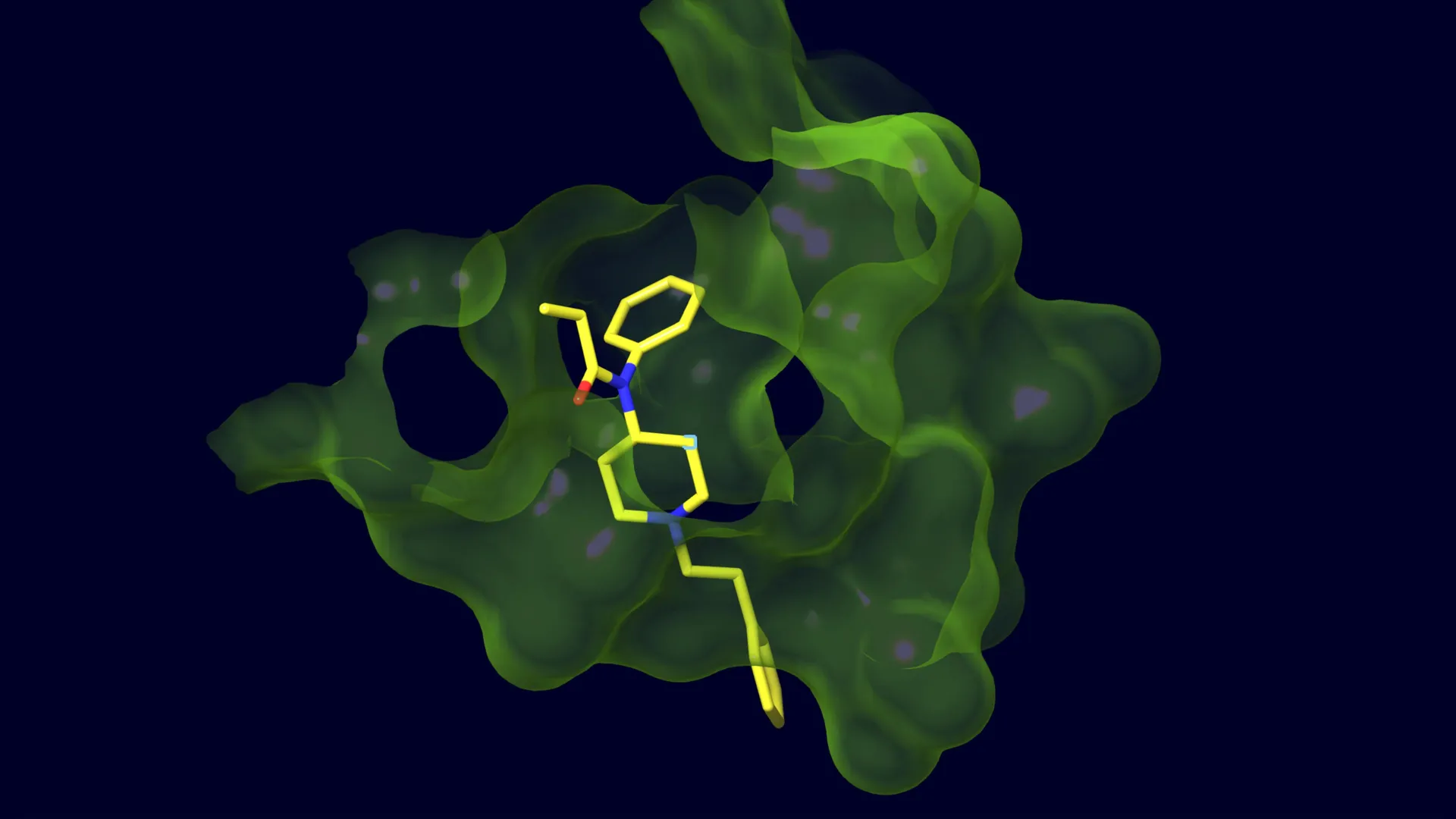
The United States continues to grapple with a public health emergency of unprecedented proportions as synthetic opioids, led by fentanyl, dominate the illicit drug market. Fentanyl has emerged as the primary driver of overdose fatalities, claiming more lives annually than motor vehicle accidents and firearm-related incidents combined. In response to this escalating crisis, researchers at Scripps Research have announced a significant breakthrough in addiction medicine: an experimental vaccine designed to prevent fentanyl and its numerous "designer" analogues from reaching the brain. This proactive approach marks a departure from traditional reactive treatments, offering a potential shield against the respiratory failure that characterizes fatal overdoses.
The study, recently published in the Journal of Medicinal Chemistry, details a vaccine that trains the immune system to recognize the molecular signature of the entire fentanyl class. By neutralizing these substances within the bloodstream, the vaccine effectively prevents the drugs from crossing the blood-brain barrier, thereby averting the suppression of the central nervous system. This development comes at a critical juncture, as illicit manufacturers increasingly produce structural variants of fentanyl to bypass legal regulations and detection protocols.
The Magnitude of the Synthetic Opioid Crisis
To understand the significance of the Scripps Research breakthrough, one must consider the sheer scale of the opioid epidemic in North America. According to data from the Centers for Disease Control and Prevention (CDC), synthetic opioids—primarily illicitly manufactured fentanyl—are involved in more than 70% of overdose deaths. Fentanyl is approximately 50 times more potent than heroin and 100 times more potent than morphine. A dose as small as two milligrams, equivalent to a few grains of salt, can be lethal to an average adult.
The crisis has evolved through distinct phases, often referred to by public health experts as "waves." The first wave began in the late 1990s with the over-prescription of opioid painkillers. The second wave, starting around 2010, saw a surge in heroin-related deaths. The third and current wave, which began in 2013, is defined by the proliferation of synthetic opioids. Unlike heroin, which is derived from poppy plants, fentanyl is entirely synthetic and can be manufactured in clandestine laboratories with high efficiency, making it highly profitable for traffickers but devastatingly unpredictable for users.
A Paradigm Shift in Vaccine Design
For decades, Kim Janda, PhD, the Ely R. Callaway, Jr. Professor of Chemistry at Scripps Research, has pioneered the development of vaccines against drugs of abuse. His laboratory has previously produced vaccine candidates for cocaine, methamphetamine, and heroin. However, the rapidly changing landscape of synthetic opioids presented a unique challenge.
Traditional vaccine design typically relies on using a "hapten"—a small molecule that mimics the target drug—attached to a larger carrier protein. This complex triggers the immune system to produce antibodies specific to that drug. The limitation of this approach is its specificity; a vaccine designed for fentanyl might not recognize a slightly modified version, such as acetylfentanyl or furanylfentanyl.
"The way the fentanyl landscape is evolving, the black-market drug makers are constantly coming up with new versions to skirt regulations and avoid detection in standard screenings," Janda noted. "We need countermeasures that are going to work against all these future variants at once, not just one at a time."
To overcome this, Janda’s team, including first author and research associate Arran Stewart, utilized a "radically reconfigured" molecular architecture. Instead of using a direct fentanyl derivative, they employed a molecule with a fundamentally different core structure that nonetheless shares a common "epitope" or recognizable pattern with the fentanyl class. This unconventional strategy was designed to produce a broader immune response, effectively creating a "pan-fentanyl" vaccine.
Experimental Results and Efficacy
The efficacy of the vaccine was tested in murine models over an eight-week period involving four doses. The results exceeded the researchers’ expectations. The vaccinated mice produced high titers of antibodies that demonstrated a high affinity for not only fentanyl but also several of its most dangerous variants, including:
- Carfentanil: An analogue roughly 10,000 times more potent than morphine, often used as a tranquilizer for large animals.
- China White (Alpha-methylfentanyl): A potent and well-known illicit variant.
- Acetylfentanyl and Furanylfentanyl: Common designer drugs found in the illicit supply.
Crucially, the antibodies were highly selective. They did not bind to other opioids used in clinical settings, such as morphine, oxycodone, or methadone. This selectivity is vital, as it ensures that if a vaccinated individual requires emergency pain management or opioid-assisted treatment (OAT), those medical interventions remain effective.
In physiological tests, vaccinated mice were protected from the lethal effects of fentanyl. While unvaccinated mice suffered from severe respiratory depression—the primary cause of overdose death—the vaccinated group maintained nearly normal breathing patterns. Furthermore, biochemical analysis revealed that fentanyl levels in the brains of vaccinated mice were reduced by approximately 70% compared to the control group. This reduction suggests that the antibodies act as a "molecular sponge," sequestering the drug in the blood and preventing it from interacting with opioid receptors in the brain.
Addressing the "Whack-a-Mole" Problem of Illicit Chemistry
One of the most persistent hurdles for law enforcement and public health officials is the "Whack-a-Mole" nature of synthetic drug production. When the Drug Enforcement Administration (DEA) or international bodies move to ban a specific chemical structure, clandestine chemists simply alter a single molecule to create a "new" substance that is technically legal until specifically scheduled.
The Scripps Research vaccine addresses this by targeting the "scaffold" of the fentanyl molecule. By training the immune system to recognize the general shape and chemical signature of the fentanyl family, the vaccine renders these minor structural adjustments ineffective. This broad-spectrum protection is a major leap forward in "future-proofing" medical countermeasures against the next generation of designer opioids.
Chronology of Development and Support
The development of this vaccine is the culmination of years of iterative research supported by the Shadek Family Foundation. The Janda lab’s timeline of innovation includes:
- Early 2010s: Successful development and testing of a heroin vaccine that sequestered 6-monoacetylmorphine (6-MAM).
- 2017-2018: Initial development of a fentanyl-specific vaccine candidate.
- 2020-2022: Identification of the limitations regarding designer drug variants and the decision to pursue a broad-spectrum architecture.
- 2023-2024: Final testing and publication of the "radically reconfigured" vaccine findings in the Journal of Medicinal Chemistry.
The team involved in this latest breakthrough includes Janda, Stewart, Lisa Eubanks, Bin Zhou, and Rachel Steinhardt. Their work represents a multidisciplinary effort combining synthetic chemistry, immunology, and behavioral pharmacology.
Clinical Implications and Future Applications
While the results in animal models are promising, the vaccine must now transition to human clinical trials. This process involves rigorous Phase I trials to ensure safety and Phase II/III trials to prove efficacy in humans. If approved, the vaccine could serve several high-risk populations:
- Individuals in Recovery: For those seeking to overcome opioid use disorder (OUD), the vaccine could provide a "safety net." If a person in recovery suffers a relapse, the vaccine could prevent the drug from causing a fatal overdose, giving them a second chance at treatment.
- First Responders and Law Enforcement: Police officers, EMTs, and K9 units are frequently exposed to high-potency synthetics like carfentanil during busts or emergency calls. A vaccine could offer occupational protection against accidental exposure.
- High-Risk Communities: In areas where the illicit drug supply is heavily contaminated with fentanyl, the vaccine could be a tool for harm reduction.
However, researchers emphasize that the vaccine is not a "silver bullet" for addiction. It does not treat the underlying psychological or social drivers of substance use, nor does it alleviate withdrawal symptoms. Instead, it is envisioned as a component of a comprehensive treatment strategy that includes counseling, social support, and existing medications like buprenorphine or naltrexone.
Economic and Social Impact Analysis
The economic burden of the opioid crisis in the United States is estimated at nearly $1.5 trillion annually, accounting for healthcare costs, lost productivity, and the expenses of the criminal justice system. A successful vaccine could significantly reduce these costs by preventing thousands of deaths and emergency room visits each year.
From a social perspective, the Scripps Research vaccine offers a shift in how society views addiction. By treating the risk of overdose as a preventable medical condition through immunization, the research helps destigmatize the struggle of those with OUD. It moves the focus from purely punitive measures toward biological protection.
Conclusion and The Path Ahead
The discovery by the Janda lab at Scripps Research represents a significant milestone in the fight against synthetic opioids. By "redefining drug immune recognition," the team has demonstrated that it is possible to stay ahead of illicit drug traffickers through innovative science. The ability to design a vaccine that recognizes an entire class of drugs, rather than a single molecule, opens new doors for the field of medicinal chemistry.
As the research moves toward clinical application, the focus will remain on the potential to save lives in an era where synthetic opioids have made the drug supply more dangerous than ever before. "The public health potential here is significant," Janda concluded. "But so is the lesson that we can design vaccines that recognize an entire drug class, not just a singular drug." The scientific community now looks toward the next phase of testing, hopeful that this molecular shield can eventually be deployed to turn the tide of the opioid epidemic.
