
 By admin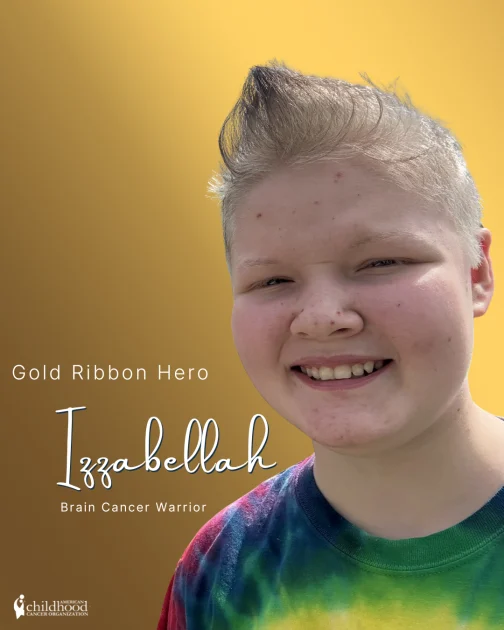
The narrative of pediatric oncology is often defined by a grueling intersection of medical complexity and personal fortitude, a reality exemplified by the case of Izzabellah “Bellah,” a young brain cancer survivor whose multi-year medical journey highlights the systemic challenges and individual triumphs inherent in childhood cancer care. Bellah’s experience, beginning with common symptoms and escalating into a protracted battle involving multiple surgeries and intensive therapies, serves as a focal point for understanding the broader landscape of pediatric brain tumors—the leading cause of cancer-related death among children and adolescents in the United States.
The Diagnostic Challenge and Clinical Presentation
The onset of Bellah’s medical crisis was marked by a four-month period of escalating headaches, a symptom that frequently poses a diagnostic dilemma for primary care physicians. In pediatric cases, chronic headaches can often be attributed to tension, vision issues, or migraines, leading to potential delays in neuro-oncological screening. For Bellah, the persistence and worsening nature of these symptoms eventually necessitated magnetic resonance imaging (MRI), a critical diagnostic tool in identifying intracranial anomalies.
Upon reviewing the MRI results, medical professionals identified a mass that required immediate intervention. Natalie, Bellah’s mother, described the transition from diagnostic uncertainty to acute crisis as instantaneous. Following the initial discovery, Bellah was stabilized at a regional medical facility before being transferred to Riley Children’s Hospital in Indianapolis, Indiana. Riley Children’s Health is nationally recognized for its pediatric oncology and neurosurgery departments, providing the specialized infrastructure required for complex brain tumor management. This rapid escalation from a local clinic to a specialized tertiary care center is a standard but harrowing protocol for pediatric patients facing neurological malignancies.
Clinical Intervention: A Multi-Modal Treatment Strategy
The management of pediatric brain tumors rarely relies on a single form of therapy. Bellah’s clinical course involved a combination of surgical resection, systemic chemotherapy, and localized radiation, illustrating the aggressive nature of the disease and the high-intensity protocols required to achieve remission.
Surgical Resection and Recurrence
The primary objective in Bellah’s initial treatment was the surgical removal of the tumor. While the first surgery was successful in removing the primary mass, subsequent evaluations revealed the presence of additional neoplastic growth. The discovery of secondary or residual tumor sites often necessitates a shift in the treatment paradigm, moving from localized control to a more comprehensive systemic approach. Bellah eventually underwent a second major brain surgery, a procedure fraught with risks including neurological deficit, cognitive impairment, and physical disability.
Chemotherapy and Radiation Protocols
Following the identification of further tumor activity, Bellah commenced a 13-month regimen of oral chemotherapy. Unlike intravenous chemotherapy, which is administered in a clinical setting, oral chemotherapy allows for some level of domestic normalcy but requires strict adherence and carries its own suite of systemic toxicities. The duration of this treatment—over a year—highlights the chronic nature of cancer management, where the goal is not only the eradication of malignant cells but also the prevention of further proliferation.
When surgical and chemical interventions required further reinforcement, Bellah underwent eight weeks of targeted radiation therapy. Radiation in pediatric patients is a delicate balance; while effective at destroying tumor cells, it carries the risk of long-term developmental side effects, particularly in the developing brain. Following the completion of the radiation cycle, Bellah returned to a chemotherapy regimen to ensure the suppression of any remaining microscopic disease.
The Psychosocial and Developmental Impact of Chronic Illness
Beyond the physiological toll, the impact of a brain cancer diagnosis on a child’s social and psychological development is profound. Pediatric patients often face significant disruptions in their education and social circles, leading to a phenomenon known as "social toxicity."
Isolation and Social Disconnection
During her treatment, Bellah reported the loss of friendships and a sense of isolation from her peer group. This is a documented challenge in pediatric oncology; the inability to attend school regularly, combined with the physical changes associated with treatment—such as hair loss, weight fluctuations, and fatigue—can alienate patients from their social environments. The psychological burden of missing out on developmental milestones, such as school dances, sports, and daily peer interactions, can lead to long-term emotional distress.
Digital Advocacy as a Coping Mechanism
In response to these challenges, Bellah utilized digital platforms to regain a sense of agency. By creating short videos and maintaining a blog, she documented her journey, effectively transforming her personal struggle into a form of advocacy. This method of "digital storytelling" has become an increasingly common tool for pediatric patients to process trauma and connect with a broader community of "warriors" and survivors. Through her content, Bellah provided visibility to the realities of childhood cancer, offering encouragement to others while maintaining a connection to the outside world during her periods of medical isolation.
Statistical Context: The Landscape of Pediatric Brain Cancer
Bellah’s story reflects a wider public health issue. According to data from the National Cancer Institute (NCI) and the American Childhood Cancer Organization (ACCO), brain and other central nervous system (CNS) tumors are the most common solid tumors in children, accounting for approximately 20% of all pediatric cancers.
- Incidence Rates: Each year, an estimated 4,000 children and adolescents in the United States are diagnosed with a primary brain or CNS tumor.
- Survival and Morbidity: While advancements in neurosurgery and targeted therapy have improved the five-year survival rate to approximately 75%, the "cure" often comes with a high price. Survivors frequently experience lifelong late effects, including endocrine disorders, cognitive delays, and increased risk of secondary cancers.
- Funding Disparities: A persistent point of contention within the medical community is the disparity in research funding. Only a small fraction of the federal budget for cancer research is specifically allocated to pediatric-specific cancers, with the majority of funding directed toward adult malignancies such as breast, lung, and prostate cancer.
Transition to Survivorship and Community Contribution
Despite the intensity of her medical history, Bellah has transitioned into a phase of active survivorship. Currently, she continues her education while simultaneously contributing to the local workforce. Her role as an activity aide at a nursing facility represents a significant milestone, moving from the role of a patient receiving care to a caregiver providing support to others.
This transition is indicative of the resilience often observed in pediatric cancer survivors. The skills developed during treatment—patience, empathy, and the ability to navigate complex environments—often translate into a strong sense of civic duty and professional dedication in later life. Bellah’s ability to balance academic requirements with professional responsibilities at a healthcare facility underscores her recovery and her commitment to community service.
Implications for Pediatric Healthcare Policy
The case of Izzabellah Bellah underscores several critical areas for improvement in the pediatric healthcare system. First, there is a clear need for enhanced diagnostic awareness regarding chronic headaches in children to reduce the time between symptom onset and specialized imaging. Second, the social isolation experienced by Bellah highlights the necessity for robust psychosocial support systems within children’s hospitals, including programs that help maintain peer connections during long-term treatment.
Furthermore, the role of organizations like the American Childhood Cancer Organization (ACCO) remains vital. These organizations provide the necessary resources, advocacy, and community support that fill the gaps left by traditional medical care. The ACCO’s mantra, "Kids can’t fight cancer alone," reflects the collective responsibility of the medical community, government bodies, and the public to ensure that pediatric patients have access to the best possible treatments and a supportive path toward survivorship.
Conclusion
The journey of Izzabellah “Bellah” is more than a personal medical history; it is a testament to the complexities of modern pediatric oncology. From the initial alarm of persistent headaches to the multifaceted rigors of chemotherapy and radiation, Bellah’s story illustrates the endurance required to survive a brain cancer diagnosis. As she continues her work and education, she remains a symbol of hope for the thousands of families currently navigating the pediatric cancer landscape. Her experience serves as a call to action for continued investment in research, more comprehensive support for survivors, and a deeper societal understanding of the unique challenges faced by the youngest members of the cancer community.
