
 By Lina carolina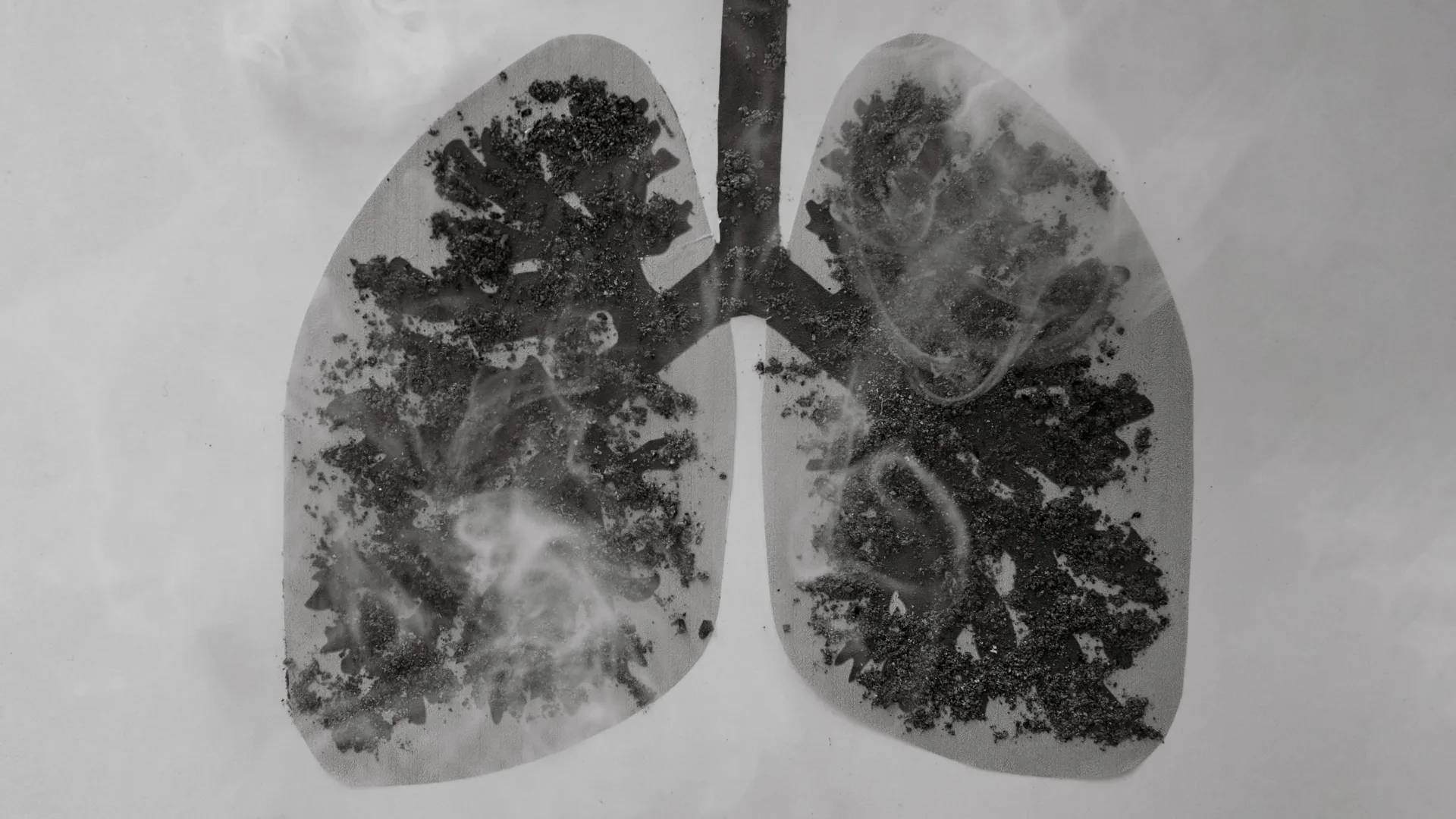
Cells extracted from the lungs of individuals diagnosed with Chronic Obstructive Pulmonary Disease (COPD) exhibit a substantially greater accumulation of soot-like carbon deposits when compared to cells from individuals who smoke but do not have COPD. This pivotal finding, published on June 10 in the esteemed journal ERJ Open Research, sheds new light on the pathological processes underlying this debilitating respiratory condition. The carbon in question can infiltrate the delicate lung tissue through various environmental pathways, including cigarette smoke, diesel exhaust fumes, and broader air pollution.
Unveiling the Role of Alveolar Macrophages
At the heart of this discovery are alveolar macrophages, a crucial type of immune cell residing within the lungs. Their primary function is to act as vigilant guardians, engulfing foreign particles, pathogens, and cellular debris that reach the lung alveoli, thereby protecting the respiratory system from harm. However, the new study reveals a concerning transformation: when these vital cells are exposed to carbon particles, they undergo significant enlargement and, more alarmingly, actively promote inflammation within the lung environment.
The research was spearheaded by a collaborative effort between Dr. James Baker and Dr. Simon Lea from the University of Manchester, United Kingdom. Dr. Baker articulated the complexity of COPD, noting that it is a multifactorial disease influenced by a confluence of environmental exposures and genetic predispositions. "One significant factor is exposure to carbon from smoking or breathing polluted air," Dr. Baker stated. "We were keen to investigate what transpires within the lungs of COPD patients as this carbon accumulates within alveolar macrophage cells, as this process may directly impact the cells’ innate capacity to safeguard the lungs."
Methodology: A Microscopic Investigation
To conduct their investigation, the researchers procured samples of lung tissue from patients undergoing surgery for suspected lung cancer. Crucially, they meticulously selected samples that were confirmed to be free of cancerous cells. The study cohort comprised 28 individuals diagnosed with COPD and a control group of 15 individuals who were active smokers but did not exhibit symptoms or a diagnosis of COPD.
Under high-powered microscopy, the researchers focused their analysis on the alveolar macrophage cells. They meticulously measured two key parameters: the physical size of these cells and the quantity of carbon deposits contained within them. This granular approach allowed for a precise quantitative comparison between the two patient groups.
Quantifying the Carbon Burden
The findings were striking. The study revealed that the average amount of accumulated carbon in the alveolar macrophage cells of COPD patients was more than three times greater than that observed in the cells of smokers without COPD. Furthermore, the researchers noted a consistent correlation: cells that contained visible carbon deposits were invariably larger than those with no discernible carbon. This suggests a direct relationship between carbon load and cellular morphology.
Linking Carbon Accumulation to Lung Function
The implications of this increased carbon burden extend beyond cellular size. The study established a significant link between the extent of carbon accumulation and a patient’s lung function. Specifically, individuals with larger carbon deposits in their alveolar macrophages demonstrated poorer lung function, as measured by FEV1% (Forced Expiratory Volume in one second percentage). FEV1% is a critical metric that quantifies the volume of air a person can forcefully exhale in one second, serving as a key indicator of airway obstruction and the overall health of the lungs. A lower FEV1% percentage signifies a more compromised ability to breathe out effectively, a hallmark of obstructive lung diseases like COPD.
Laboratory Replication: Inducing Inflammation
To further elucidate the functional consequences of carbon exposure, the researchers replicated the conditions in a laboratory setting. They exposed isolated macrophages to carbon particles and observed a marked increase in cell size, mirroring the findings from the patient samples. More critically, these carbon-exposed macrophages exhibited significantly elevated production of pro-inflammatory proteins. These proteins are known to trigger and perpetuate inflammatory responses within the lungs, a process that is central to the development and progression of COPD.
Distinguishing Carbon Accumulation: Beyond Smoking
Dr. Lea emphasized a critical distinction derived from their comparative analysis. "As we compared cells from COPD patients with cells from smokers, we can clearly see that this build-up of carbon is not a direct consequence of cigarette smoking alone," he explained. "Instead, our research demonstrates that alveolar macrophages in COPD patients not only contain more carbon but are also inherently different in their form and function compared to those found in smokers."
This observation raises profound questions about the etiology of heightened carbon levels in COPD patients. Dr. Lea proposed two plausible hypotheses: "It could be that individuals with COPD possess a reduced capacity to effectively clear inhaled carbon particles from their lungs. Alternatively, it is possible that individuals with greater exposure to particulate matter are accumulating this carbon, and this accumulation itself is a contributing factor to the development of COPD."
Looking ahead, Dr. Lea highlighted the necessity for further investigation. "In the future, it would be highly valuable to study how this carbon accumulation progresses and how lung cells respond to it over extended periods," he concluded.
Expert Commentary: Broader Implications
Professor Fabio Ricciardolo, Chair of the European Respiratory Society’s group on monitoring airway disease and based at the University of Torino, Italy, who was not involved in the study, offered his expert perspective on the findings. "This series of experiments strongly suggests that individuals with COPD accumulate disproportionately large quantities of carbon within the cells of their lungs," Professor Ricciardolo stated. "This accumulation appears to be actively altering these cells, potentially leading to inflammation within the lungs and consequently exacerbating lung function decline."
Professor Ricciardolo further underscored the study’s contribution to understanding the broader impact of environmental factors on respiratory health. "Furthermore, this research offers compelling clues regarding how polluted air might contribute to the causation or worsening of COPD," he noted. "However, we are already well aware that both smoking and air pollution are significant risk factors for COPD and a spectrum of other lung conditions. Therefore, it remains imperative that we intensify efforts to reduce air pollution levels and provide comprehensive support to individuals seeking to quit smoking."
Contextualizing COPD and Environmental Factors
Chronic Obstructive Pulmonary Disease (COPD) is a progressive and debilitating lung disease characterized by persistent airflow limitation. It encompasses conditions such as emphysema and chronic bronchitis. While smoking is the most significant risk factor, accounting for approximately 80-90% of cases, other environmental exposures, including long-term exposure to air pollution, occupational dusts, and fumes, also play a crucial role, particularly in individuals with a genetic susceptibility. The World Health Organization estimates that COPD affects hundreds of millions of people globally and is a leading cause of death.
The cumulative nature of environmental insults to the lungs is a growing area of research. Over years and decades, inhaled pollutants can trigger chronic inflammation, oxidative stress, and structural damage to the airways and alveoli. This damage impairs the lungs’ ability to efficiently exchange oxygen and carbon dioxide, leading to symptoms like breathlessness, chronic cough, and increased susceptibility to infections.
The current study adds a critical layer to this understanding by pinpointing a specific cellular mechanism through which particulate matter, like the carbon deposits observed, may contribute to the pathogenesis of COPD. The fact that these deposits are more pronounced in COPD patients than in smokers without the disease suggests that the lungs of individuals with COPD may have an altered response to inhaled pollutants, either through increased uptake, reduced clearance, or a heightened inflammatory reaction to the carbon itself.
Potential Future Directions and Public Health Imperatives
The findings from Dr. Baker and Dr. Lea’s team open up several avenues for future research. Understanding the precise mechanisms by which alveolar macrophages in COPD patients accumulate more carbon could lead to the development of novel therapeutic strategies. For instance, if reduced clearance is a factor, therapies aimed at enhancing macrophage phagocytic or clearance functions might be beneficial. Conversely, if the increased inflammation driven by carbon is the primary issue, anti-inflammatory interventions targeting these pathways could be explored.
The study also reinforces the urgent need for public health initiatives aimed at reducing exposure to air pollution. As urbanization continues and industrial emissions persist, the burden of air pollution-related respiratory diseases is likely to increase. Policy interventions, such as stricter emission standards for vehicles and industries, the promotion of cleaner energy sources, and urban planning that prioritizes green spaces and reduces traffic congestion, are essential.
Equally important is the continued emphasis on smoking cessation programs. While the study differentiates the role of carbon accumulation from smoking itself, smoking remains the primary driver of COPD. Comprehensive support systems, including accessible nicotine replacement therapies, counseling, and public awareness campaigns, are vital to helping individuals overcome nicotine addiction.
The European Respiratory Society’s stance, as articulated by Professor Ricciardolo, highlights the dual imperative: tackling both the sources of pollution and the prevalence of smoking. The integration of this scientific evidence into public health policy and clinical practice will be crucial in mitigating the devastating impact of COPD and improving the respiratory health of populations worldwide. The ongoing research into the intricate interplay between environmental exposures and lung disease promises to yield further insights, guiding efforts towards a healthier future.
