
 By Hendra Lukman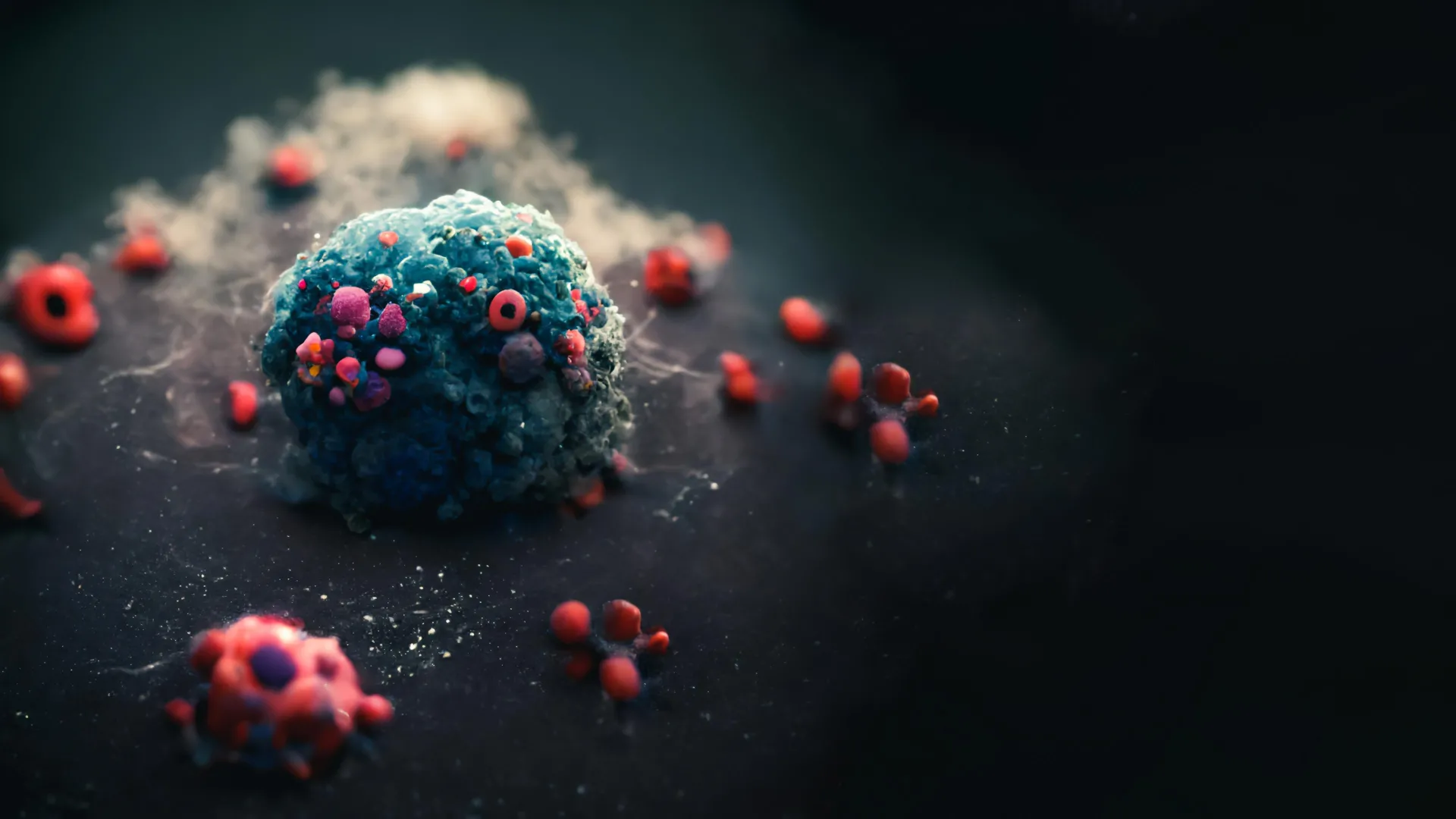
Northwestern University researchers have achieved a significant breakthrough in cancer treatment by fundamentally redesigning a widely utilized chemotherapy drug. This innovative redesign, leveraging the power of spherical nucleic acids (SNAs), has dramatically enhanced the drug’s solubility, amplified its potency, and substantially reduced its toxicity to the human body. The development marks a pivotal advancement in the field of nanomedicine and holds immense promise for a new generation of targeted cancer therapies and potentially treatments for a spectrum of other debilitating diseases.
The core of this groundbreaking research lies in the creation of a novel drug architecture. Scientists at Northwestern have successfully embedded a chemotherapy agent directly within the DNA strands that coat minuscule spheres, forming these unique nanostructures known as spherical nucleic acids. This sophisticated re-engineering process has transformed a drug previously hampered by poor solubility and limited effectiveness into a highly precise cancer-fighting agent, capable of targeting malignant cells while largely sparing healthy tissue. This precision represents a paradigm shift from conventional chemotherapy, which often inflicts significant collateral damage on the patient.
A Potent Weapon Against Acute Myeloid Leukemia
The efficacy of this new SNA-based therapy was rigorously tested in preclinical animal models exhibiting acute myeloid leukemia (AML), a notoriously aggressive and challenging form of blood cancer. The results of these studies have been nothing short of remarkable. In comparison to the standard chemotherapy formulation of the same drug, the SNA-modified version demonstrated an astonishing 12.5-fold increase in its ability to penetrate leukemia cells. Furthermore, its cancer-destroying capacity was amplified by an unprecedented factor of up to 20,000. Perhaps most significantly, the SNA-based treatment slowed cancer progression by an astounding 59-fold, all this achieved without any detectable adverse side effects in the animal subjects. This level of targeted efficacy and minimal toxicity is a long-sought goal in oncology.
This exceptional success story underscores the burgeoning potential of structural nanomedicine. This emerging field is dedicated to the meticulous control of the composition and architectural design of nanomedicines. By precisely engineering these nanoscale therapeutic agents, researchers aim to optimize their interactions with biological systems, leading to more effective and safer treatments. The implications of this research extend far beyond leukemia; with seven SNA-based treatments already progressing through various stages of clinical testing, scientists are optimistic that this approach could pave the way for revolutionary new vaccines and therapies for a wide range of conditions, including other forms of cancer, infectious diseases, neurodegenerative disorders, and autoimmune diseases. The findings were formally disseminated to the scientific community in the prestigious journal ACS Nano on October 29.
"Stopping Tumors in Their Tracks": A Vision for the Future
Professor Chad A. Mirkin, a distinguished figure in chemistry and nanomedicine at Northwestern University and the lead researcher on this transformative project, expressed profound optimism about the findings. "In animal models, we demonstrated that we can stop tumors in their tracks," Mirkin stated. "If this translates to human patients, it’s a really exciting advance. It would mean more effective chemotherapy, better response rates, and fewer side effects. That’s always the goal with any sort of cancer treatment."
Mirkin’s extensive expertise in the field is widely recognized. He holds a prestigious professorship at Northwestern, serving as the George B. Rathmann Professor across multiple departments including Chemistry, Chemical and Biological Engineering, Biomedical Engineering, Materials Science and Engineering, and Medicine. He also holds a pivotal leadership role as the director of the International Institute for Nanotechnology and is an integral member of the Robert H. Lurie Comprehensive Cancer Center, a testament to his significant contributions to the advancement of science and medicine.
Rethinking a Classic Chemotherapy Drug: The Case of 5-Fluorouracil
The focus of this particular study was on a venerable chemotherapy drug, 5-fluorouracil (5-Fu). While historically important, 5-Fu has been known for its limitations, primarily its suboptimal efficiency and the considerable toxicity it often imposes on patients. Because 5-Fu, like many traditional chemotherapeutics, exhibits a broad mechanism of action that affects both cancerous and healthy cells, its use is frequently accompanied by debilitating side effects such as severe nausea, profound fatigue, and, in rare instances, serious cardiac complications.
Professor Mirkin elaborated on the fundamental challenge with 5-Fu. He explained that the inherent problem is not with the drug’s cytotoxic properties themselves, but rather with its poor solubility in biological fluids. Typically, less than one percent of 5-Fu dissolves in many physiological environments, meaning that a substantial portion of the administered dose never reaches its intended cellular targets. When a drug fails to dissolve adequately, it tends to aggregate into clumps or remain in its solid form, severely hindering the body’s ability to absorb and distribute it effectively to fight the disease.
"We all know that chemotherapy is often horribly toxic," Mirkin remarked, highlighting a common perception. "But a lot of people don’t realize it’s also often poorly soluble, so we have to find ways to transform it into water soluble forms and deliver it effectively." This statement encapsulates the dual challenge faced by oncologists and researchers: not only making chemotherapy drugs kill cancer cells but also ensuring they can be effectively delivered to those cells in the first place.
The Transformative Power of Spherical Nucleic Acids in Drug Delivery
To surmount the significant hurdle of poor solubility, the Northwestern research team ingeniously employed SNAs. These structures are characterized by their spherical architecture, with dense shells composed of DNA or RNA surrounding a central core. Biological cells are remarkably adept at recognizing these nanostructures and readily internalize them. In this specific application, the researchers chemically integrated the active chemotherapy molecules of 5-Fu directly into the DNA strands that form the outer shell of the SNAs. This innovative integration resulted in a novel drug formulation that cancer cells are naturally inclined to absorb.
Mirkin further elucidated the mechanism of uptake. "Most cells have scavenger receptors on their surfaces," he explained. "But myeloid cells overexpress these receptors, so there are even more of them. If they recognize a molecule, then they will pull it into the cell. Instead of having to force their way into cells, SNAs are naturally taken up by these receptors." This inherent biological recognition pathway allows the SNA-drug complex to bypass the typical barriers to cellular entry, particularly for cells like myeloid leukemia cells that have an abundance of these specific receptors.
Once the SNA-drug complex has been internalized by the cancer cell, a critical process unfolds. Enzymes within the cell initiate the breakdown of the DNA shell, thereby releasing the concentrated chemotherapy payload directly into the interior of the malignant cell. This precise, intracellular release mechanism completely redefines the drug’s interaction with leukemia cells, leading to the dramatic enhancement in its therapeutic effectiveness observed in the study.
Precision Targeting Achieves Minimal Harm: A New Era of Cancer Therapy
The preclinical trials conducted in mouse models provided compelling evidence of the therapy’s targeted action. The SNA-based treatment was instrumental in nearly eradicating leukemia cells from the blood and spleen of the affected animals. Concurrently, it significantly extended their survival times, offering a profound glimpse into its potential to improve patient prognoses. Crucially, due to the selective targeting of AML cells by the SNAs, healthy tissues within the animal models remained remarkably unharmed, a stark contrast to the widespread damage often associated with conventional chemotherapy.
"Today’s chemotherapeutics kill everything they encounter," Mirkin emphasized, drawing a clear distinction. "So, they kill the cancer cells but also a lot of healthy cells. Our structural nanomedicine preferentially seeks out the myeloid cells. Instead of overwhelming the whole body with chemotherapy, it delivers a higher, more focused dose exactly where it’s needed." This statement articulates the fundamental advantage of this nanomedicine approach: shifting from a broad-spectrum assault to a highly concentrated, localized attack on the disease.
Charting the Course Towards Clinical Trials: The Road Ahead
The research team is now meticulously planning the subsequent phases of development. The immediate next step involves evaluating the efficacy and safety of this SNA-based therapy in a larger cohort of small animal models. Following successful validation in these preclinical settings, the research will progress to larger animal studies. The ultimate goal, contingent upon securing adequate funding, is to translate these promising findings into human clinical trials, bringing this innovative treatment closer to patients in need.
The pivotal study, formally titled "Chemotherapeutic spherical nucleic acids," received vital support from prestigious national institutions, including the National Cancer Institute and the National Institute of Diabetes and Digestive and Kidney Diseases. Additional support was generously provided by the Robert H. Lurie Comprehensive Cancer Center of Northwestern University, underscoring the collaborative and well-resourced nature of this groundbreaking research endeavor. The scientific community will undoubtedly be watching with keen interest as this revolutionary approach moves closer to clinical application, potentially heralding a new dawn in the fight against cancer and other serious diseases.
