
 By admin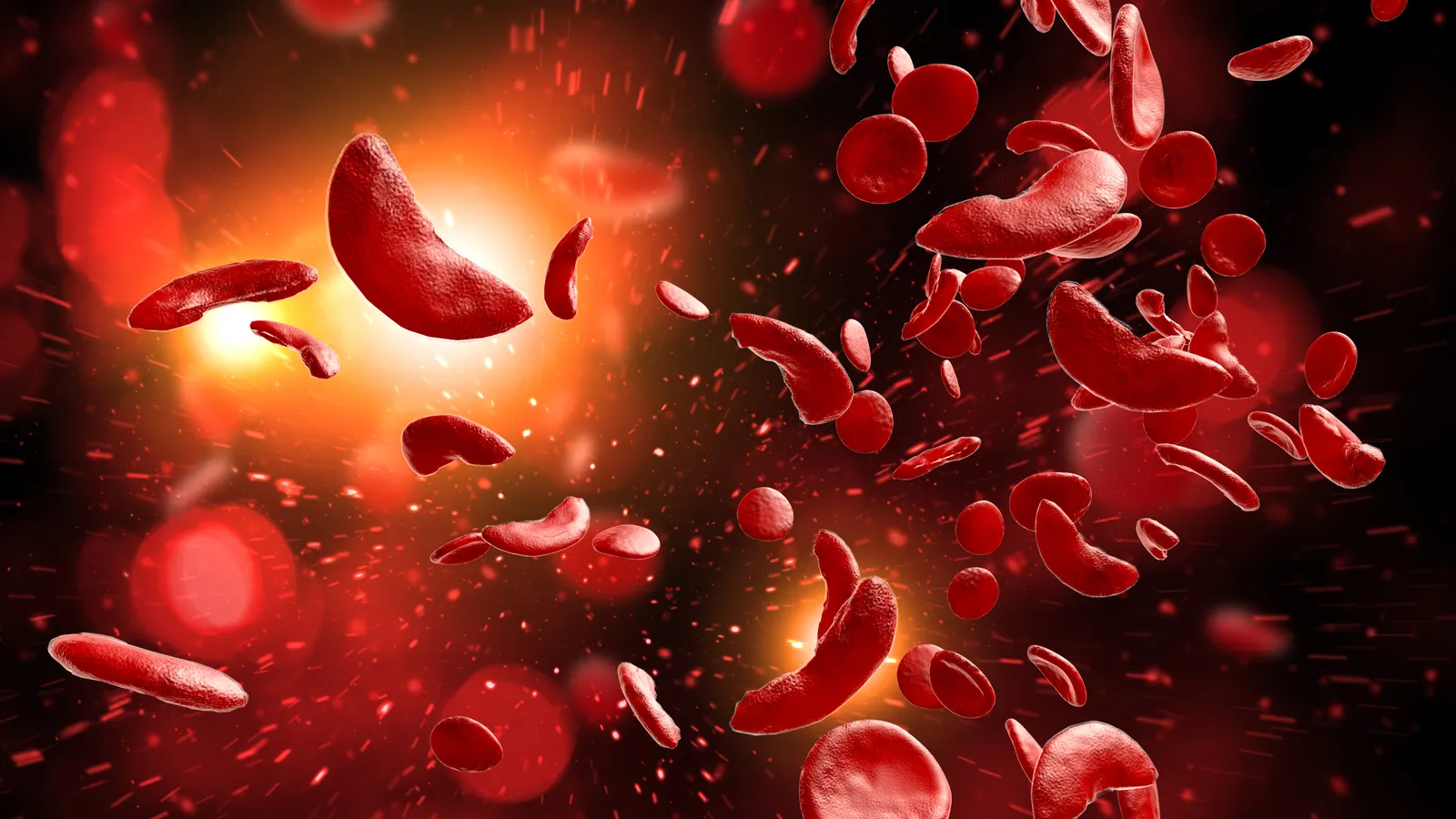
The clinical trial failure of Agios Pharmaceuticals’ investigational drug, tebapivat, marks a significant setback for the company, costing it a crucial opportunity to gain a competitive edge against industry giants like Novo Nordisk in the challenging landscape of sickle cell disease (SCD) therapeutics. This latest disappointment underscores a broader pattern of frustration and difficulty encountered by drugmakers striving to develop effective and safe treatments for this debilitating genetic blood disorder, as the biopharmaceutical industry continues to grapple with the complexities inherent in SCD research and development.
A Blow to Agios’s Pipeline Ambitions
Agios Pharmaceuticals, a Cambridge, Massachusetts-based biopharmaceutical firm, announced the discontinuation of its tebapivat program following unsatisfactory results from a pivotal clinical study. While specific details of the trial’s failure were not immediately released, the outcome suggests that the drug did not meet its primary endpoints or demonstrated an unfavorable risk-benefit profile, prompting the company to halt further development. Tebapivat was positioned as a potential competitor in a market segment that Agios had hoped to disrupt, particularly in relation to therapies being advanced by larger pharmaceutical entities such as Novo Nordisk. The failure represents a considerable loss of invested capital and development time for Agios, forcing a strategic reassessment of its pipeline and market positioning.
The investigational drug, a pyruvate kinase (PK) activator, was designed to address the underlying metabolic dysfunction in red blood cells characteristic of sickle cell disease. By enhancing PK activity, tebapivat aimed to increase ATP levels and reduce 2,3-BPG concentrations within red blood cells, thereby improving hemoglobin affinity for oxygen and reducing the polymerization of sickle hemoglobin, which is responsible for the characteristic sickling of red blood cells. This mechanism of action held promise for a disease where current treatments often focus on symptom management or only partially address the root cause. The discontinuation of tebapivat leaves a void in Agios’s mid-to-late stage pipeline and intensifies the pressure on its other assets.
The Intractable Nature of Sickle Cell Disease
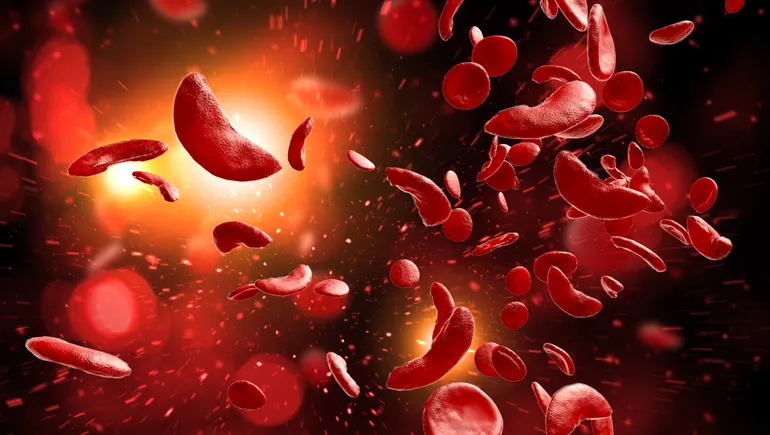
Sickle cell disease is a hereditary blood disorder affecting millions globally, predominantly individuals of African, Mediterranean, and South Asian descent. It is caused by a mutation in the beta-globin gene, leading to the production of abnormal hemoglobin S. Under conditions of low oxygen, hemoglobin S polymerizes, deforming red blood cells into a rigid, crescent — or sickle — shape. These sickled cells are inflexible and prone to hemolysis, leading to chronic anemia, and can obstruct blood vessels, causing recurrent, excruciating pain crises known as vaso-occlusive crises (VOCs). Over time, these blockages can lead to severe organ damage, strokes, acute chest syndrome, and a significantly reduced life expectancy.
The complexity of SCD’s pathophysiology, its chronic and multi-systemic nature, and the diverse clinical manifestations across patients make drug development particularly challenging. Effective treatments must not only alleviate symptoms but ideally target the fundamental mechanisms of sickling, improve red blood cell health, and prevent long-term complications. Regulatory bodies, such as the U.S. Food and Drug Administration (FDA) and European Medicines Agency (EMA), maintain stringent safety and efficacy standards, especially for chronic conditions requiring long-term treatment, adding another layer of difficulty for drug developers.
A Troubling Timeline of Industry Setbacks
The failure of tebapivat is not an isolated incident but rather the latest in a series of disappointments that have plagued the SCD drug development landscape in recent years. This pattern of clinical trial failures, regulatory hurdles, and market withdrawals paints a stark picture of the difficulties inherent in bringing novel therapies to patients.
Just a month prior to Agios’s announcement, in June 2026, Boston-area biotechnology firm Fulcrum Therapeutics made the "very difficult decision" to cease advancement of its potential sickle cell medicine, pociredir. This decision came after the FDA expressed "unshakable concerns" regarding the drug’s safety risks, despite it having successfully navigated early-stage human testing. With "no viable regulatory path forward" for its primary asset, Fulcrum was compelled to explore strategic alternatives, including a potential sale of the company, underscoring the severe impact of regulatory setbacks on smaller biotech firms.
The challenges extend to larger pharmaceutical companies as well. Less than a year before Fulcrum’s announcement, in late 2025, Pfizer unveiled underwhelming results for inclacumab, a sickle cell drug it had acquired through its substantial $5.4 billion acquisition of Global Blood Therapeutics (GBT) in 2022. Inclacumab, a P-selectin inhibitor, was intended to reduce the frequency of VOCs. Its modest efficacy data raised questions about the return on investment for the GBT deal. Adding to Pfizer’s woes, in 2024, the pharmaceutical giant proactively pulled another central asset from the GBT acquisition, Oxbryta (voxelotor), from the market due to emerging safety concerns. Oxbryta, an oral therapy that directly inhibits sickle hemoglobin polymerization, had been conditionally approved, but subsequent data and ongoing safety monitoring led to its withdrawal, highlighting the dynamic nature of post-market surveillance and the FDA’s commitment to patient safety.
Novartis, another pharmaceutical giant, also faced a significant setback with its sickle cell therapy, Adakveo (crizanlizumab). In 2025, the company voluntarily withdrew Adakveo from the European market after the European Commission formally revoked the drug’s conditional marketing authorization. Adakveo, a P-selectin inhibitor designed to prevent VOCs, initially received accelerated approval based on promising early data. However, subsequent confirmatory trials failed to demonstrate a significant clinical benefit, leading to the regulatory withdrawal and further dampening enthusiasm for this class of drugs.
The gene therapy space, often heralded as a frontier for transformative treatments, has also seen its share of disappointments in SCD. In 2023, both Sangamo Therapeutics and Graphite Bio discontinued the development of their respective experimental genetic medicines for sickle cell disease. These decisions were driven by various factors, including safety concerns, manufacturing challenges, and insufficient efficacy signals in early clinical stages. While newer gene therapies like exagamglogene autotemcel (Casgevy) and lovotibeglogene autotemcel (Lyfgenia) received groundbreaking FDA approvals in late 2023, offering functional cures for a subset of patients, the earlier failures underscore the steep technical and biological hurdles inherent in gene-editing and gene-therapy approaches.

Agios itself experienced another recent setback, disclosing in November 2025, mixed results from a late-stage trial evaluating mitapivat against sickle cell disease. While not a complete failure like tebapivat, the "mixed" nature of the results indicated that the drug’s efficacy or safety profile might not be as robust as initially hoped, potentially limiting its broad applicability or market penetration. Despite these challenges, Agios remains committed to mitapivat and expects an FDA approval decision by November 1, 2026, for its use in SCD. Mitapivat is already approved for pyruvate kinase deficiency, a different rare blood disorder.
Agios’s Path Forward: Doubling Down on Mitapivat
The termination of the tebapivat program inevitably places significantly greater importance on the successful commercial execution and regulatory review of mitapivat for sickle cell disease. Analysts, including Jacob Berens, noted in his client commentary that tebapivat’s end "places greater importance" on the commercial execution of mitapivat and a "smooth" FDA review of the drug’s expansion into sickle cell.
Mitapivat, like tebapivat, is a pyruvate kinase activator. Its mechanism aims to increase PK activity, leading to improvements in red blood cell health and energy metabolism, which could potentially alleviate some of the chronic anemia and reduce sickling events in SCD patients. The company’s ongoing commitment to mitapivat, despite its earlier mixed results, reflects a strategic pivot and a concentration of resources on its most promising remaining asset in the SCD space. A favorable FDA decision by November 1, 2026, is now critical for Agios to maintain its standing in the rare blood disorders market and to offer a new therapeutic option for SCD patients. The pressure is also mounting for Agios to succeed with its earlier-stage research projects and to actively pursue and capitalize on potential business development opportunities to replenish its pipeline.
Competitive Landscape and Market Dynamics
The competitive landscape for sickle cell disease treatments is dynamic and fiercely contested. While the original article hints at Novo Nordisk’s presence, the specific drug or program that Agios sought to "one-up" is not detailed. However, the broader market includes established therapies like hydroxyurea, which remains a cornerstone of treatment for many, as well as more recent approvals. Beyond the gene therapies (Casgevy, Lyfgenia), other innovative approaches are also in various stages of development or market presence.
The repeated failures and withdrawals create a volatile market environment. While discouraging, these events also underscore the high unmet medical need and the significant commercial opportunity that awaits truly effective and safe SCD treatments. Companies that can navigate the scientific and regulatory complexities successfully stand to capture a substantial share of this market. The challenges faced by multiple players, from small biotechs to large pharmaceutical companies, serve as a cautionary tale, emphasizing the need for robust clinical trial design, meticulous safety monitoring, and a deep understanding of SCD’s heterogeneous patient population.

Expert Analysis and Broader Implications
The setback for Agios is likely to reverberate through investor communities and the broader biopharmaceutical industry. While Agios has not publicly commented on the financial impact, such a program termination typically leads to significant write-downs and potential adjustments in market valuation. Investors often react negatively to clinical failures, especially for companies heavily invested in a particular therapeutic area.
Beyond the immediate financial consequences for Agios, the tebapivat failure and the broader trend of SCD drug development difficulties could influence future investment decisions. Venture capitalists and institutional investors may become more cautious about funding early-stage SCD programs, demanding stronger preclinical data and more de-risked clinical strategies. This could potentially slow down innovation in a field that desperately needs it.
However, the persistent unmet need in SCD ensures that research and development will continue. The human and economic burden of the disease is immense. Patients and advocacy groups continue to call for better, more accessible treatments. This sustained demand, coupled with scientific advancements in areas like gene editing and targeted molecular therapies, will likely keep companies engaged, albeit with a heightened sense of caution and strategic rigor.
The Unmet Need and Future Outlook
Despite the recent string of disappointments, the global community remains committed to finding transformative treatments for sickle cell disease. The development of gene therapies, while complex and expensive, offers a glimpse into a future where a functional cure might be widely accessible. Beyond gene therapy, research continues into novel small molecules, biologics, and cell-based therapies that target various aspects of SCD pathophysiology, including anti-sickling agents, anti-inflammatory compounds, and agents that improve red blood cell health.
Agios Pharmaceuticals, with its remaining mitapivat program and earlier-stage research, remains a player in this critical field. The lesson from tebapivat and the numerous other setbacks is clear: developing safe and effective treatments for sickle cell disease requires immense scientific rigor, financial resilience, and an unwavering commitment to patients. Each failure, while disheartening, contributes to a deeper understanding of the disease and refines the strategies for future therapeutic endeavors. The journey to conquer sickle cell disease is long and arduous, marked by both profound hope and significant challenges, but the pursuit of life-changing therapies continues unabated.
