
 By George Ongkojoyo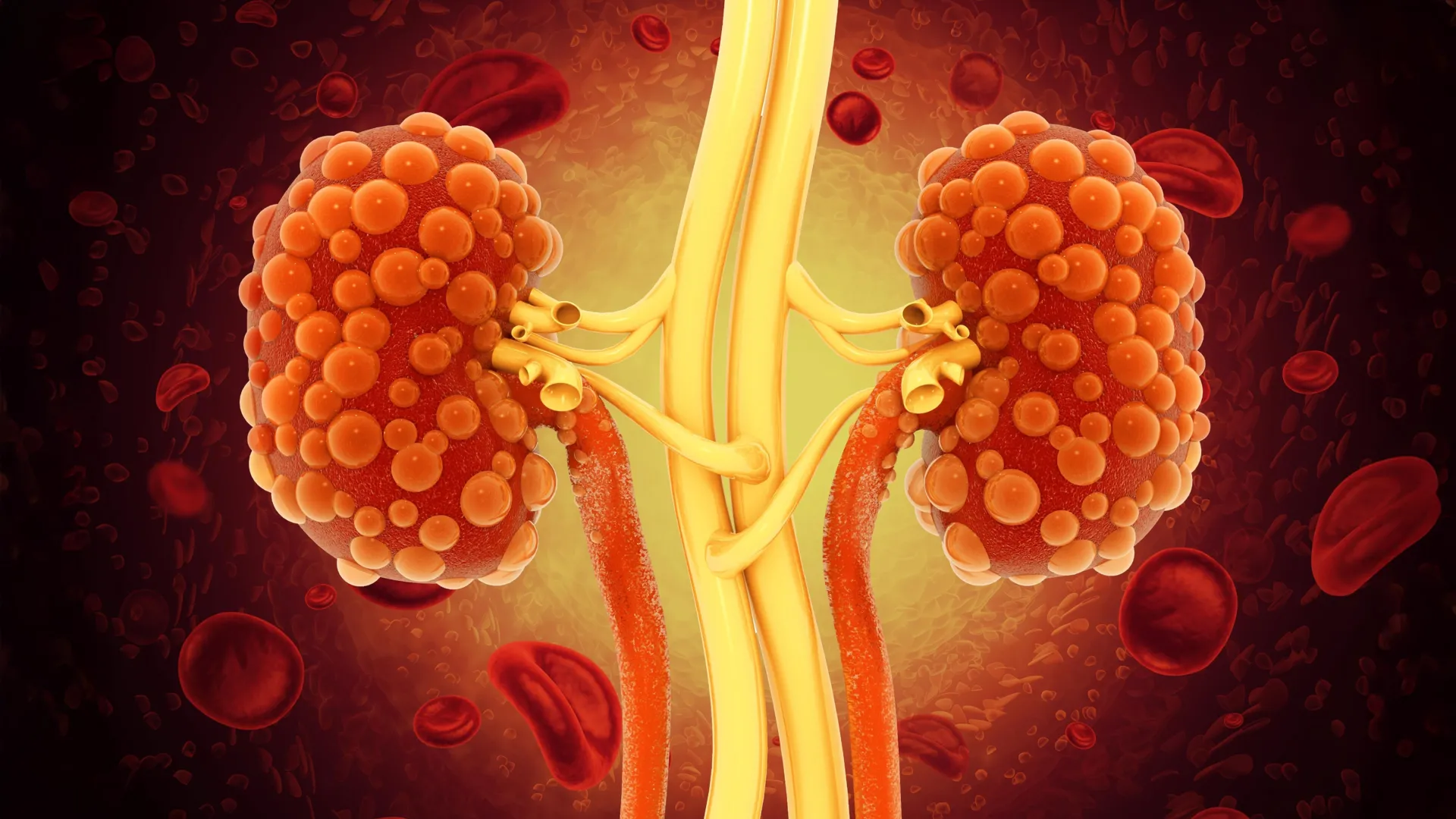
Researchers at the University of California, Santa Barbara (UCSB) have unveiled a pioneering therapeutic strategy for Polycystic Kidney Disease (PKD), an inherited condition that remains one of the leading causes of end-stage renal failure worldwide. By re-engineering monoclonal antibodies to penetrate the normally inaccessible interior of kidney cysts, the research team has demonstrated a method to halt the uncontrolled cellular expansion that defines the disorder. This study, published in the prestigious journal Cell Reports Medicine, marks a significant shift from traditional small-molecule drug development toward targeted immunotherapy, offering a potential lifeline for millions of patients who currently face the prospect of lifelong dialysis or kidney transplantation.
Polycystic Kidney Disease is characterized by the relentless development of fluid-filled clusters known as cysts within the kidneys. As these cysts multiply and expand, they exert pressure on the surrounding healthy tissue, leading to inflammation, fibrosis, and eventual organ failure. Despite the high prevalence of the condition—affecting approximately 1 in every 400 to 1,000 individuals globally—the medical community has long struggled to find a treatment that is both effective and safe for long-term use. The UCSB study, led by senior author and biologist Thomas Weimbs, suggests that the key to stopping the disease lies in disrupting the internal signaling loops that occur within the cysts themselves.
The Pathophysiology of Polycystic Kidney Disease
To understand the magnitude of this breakthrough, one must first consider the biological complexity of PKD. The disease is primarily caused by mutations in the PKD1 or PKD2 genes, which encode proteins essential for the normal function of primary cilia in renal epithelial cells. When these proteins are defective, the cells begin to proliferate abnormally and secrete fluid, forming "sealed chambers" or cysts.
The internal environment of these cysts is the primary driver of the disease. "The cysts just keep growing endlessly," explained Thomas Weimbs. "And we want to stop them. So we need to get a drug into these cysts that will make them stop." The challenge, however, is that these cysts are not easily accessible to standard medications. They are lined with a tight layer of epithelial cells that acts as a formidable barrier, preventing many therapeutic agents from reaching the fluid-filled interior where the most damaging activity occurs.
Within these sealed chambers, a "vicious cycle" of growth takes place. The cells lining the cysts secrete growth factors into the internal fluid. These factors then bind to receptors on the same or neighboring cells, triggering further growth and secretion. This autocrine and paracrine signaling loop ensures that the cysts continue to enlarge even if external triggers are removed.
Limitations of Current Pharmacological Interventions
For decades, the primary goal of PKD research has been to identify small-molecule drugs that can interfere with these growth signals. Currently, the only FDA-approved drug specifically for Autosomal Dominant Polycystic Kidney Disease (ADPKD) is Tolvaptan, a vasopressin V2-receptor antagonist. While Tolvaptan has been shown to slow the rate of cyst growth and the decline of kidney function, it is far from a perfect solution.
The clinical application of Tolvaptan is limited by significant side effects, including extreme thirst, polyuria (excessive urination), and, most critically, the risk of serious liver injury. Because the drug must be administered systemically, it affects tissues throughout the body, leading to off-target toxicity. This has created an urgent need for a more "surgical" approach—a therapy that can target the cysts directly without harming healthy renal or extra-renal tissue.
Immunotherapy, specifically the use of monoclonal antibodies, has revolutionized the treatment of cancer and autoimmune diseases due to its high specificity. However, the most common type of lab-made antibody, Immunoglobulin G (IgG), has historically failed in PKD treatment. "They’re very successful for cancer therapy," Weimbs noted. "But IgG antibodies never cross the cell layers and they can never make it inside the cysts."
A New Strategy: Leveraging Dimeric Immunoglobulin A
The UCSB research team looked to nature for a solution to this delivery problem. In the human immune system, different classes of antibodies serve different roles. While IgG circulates in the blood to fight systemic infections, Dimeric Immunoglobulin A (dIgA) is specialized for mucosal immunity. dIgA is produced in the linings of the respiratory and gastrointestinal tracts and is unique in its ability to undergo "transcytosis"—a process where it binds to a specific receptor (the polymeric immunoglobulin receptor, or pIgR) and is actively transported through epithelial cell layers into external secretions like tears, saliva, and mucus.
In a landmark 2015 paper, the Weimbs laboratory hypothesized that this natural transport mechanism could be hijacked for drug delivery in PKD. Because kidney cysts are lined with epithelial cells that express the pIgR receptor, the researchers proposed that a dIgA-based antibody could "hitch a ride" through the cyst wall, entering the interior chamber where it could then neutralize growth factors or block their receptors.
The current study represents the successful realization of that 2015 hypothesis. The researchers first took a standard IgG antibody and genetically modified its "backbone" to convert it into a dIgA format. This newly engineered antibody was designed to target the mesenchymal-epithelial transition (cMET) receptor, a well-known driver of cellular proliferation in PKD.
Experimental Results and Molecular Impact
The testing phase involved rigorous mouse models of polycystic kidney disease. The results were highly encouraging, demonstrating both the efficacy of the delivery method and the therapeutic impact of the antibody.
- Successful Penetration: Imaging and biochemical analysis confirmed that the dIgA antibodies successfully crossed the epithelial barrier and accumulated within the cyst fluid. This confirmed that the pIgR-mediated transport system remains functional in cystic tissue and can be used as a "Trojan Horse" for therapeutic delivery.
- Receptor Inhibition: Once inside the cysts, the dIgA antibody successfully bound to the cMET receptors. This led to a measurable decrease in cMET activity, effectively "turning off" the growth signals that had previously been driving the expansion of the cysts.
- Targeted Apoptosis: Perhaps the most striking finding was the treatment’s effect on cell viability. The study reported a "dramatic onset of apoptosis" (programmed cell death) specifically in the epithelial cells lining the cysts. Crucially, this effect was not observed in healthy renal tissue. This suggests that the antibody treatment can selectively prune away the diseased cells while leaving the functional parts of the kidney intact.
- Safety Profile: Throughout the testing, the researchers observed no noticeable harmful side effects or systemic toxicity. This stands in stark contrast to the profile of small-molecule inhibitors, which often struggle with off-target effects.
Chronology of Development and Support
The journey to this discovery has been a multi-year effort involving collaboration across several biological disciplines.
- 2015: Thomas Weimbs and his team first publish the theory of using pIgR-mediated transcytosis for PKD treatment.
- 2016-2022: The team works on protein engineering, refining the dIgA backbone to ensure it can be produced in laboratory settings while maintaining its binding affinity.
- 2023: Preclinical trials in mouse models are completed, providing the data necessary for the Cell Reports Medicine publication.
- 2024: The study is released to the public, signaling a new era for PKD immunotherapy.
This research was conducted by a dedicated team at UCSB, including lead author Margaret F. Schimmel, alongside Bryan C. Bourgeois, Alison K. Spindt, Sage A. Patel, Tiffany Chin, Gavin E. Cornick, and Yuqi Lu. The work was supported by funding from the National Institutes of Health (NIH) and the U.S. Department of Defense (DoD), reflecting the high level of priority placed on finding solutions for chronic kidney disease.
Broader Implications and Future Outlook
While the results in animal models are a cause for celebration, the transition from "bench to bedside" is a complex process. Weimbs emphasized that the work is still in the preclinical stage, and human clinical trials are several years away. However, the implications of this study extend far beyond the cMET receptor.
"In the literature there are dozens of growth factors that have been shown to be active in these cyst fluids," Weimbs said. The success of the dIgA delivery platform means that researchers can now develop a "library" of different antibodies to target various pathways. Future treatments might involve a cocktail of antibodies—similar to how modern cancer or HIV treatments work—to attack the disease from multiple angles simultaneously. This could prevent the cells from developing resistance to any single treatment and could potentially lead not just to a slowing of the disease, but to its reversal.
The medical community has reacted with cautious optimism. Independent nephrologists have noted that the ability to deliver biologics across epithelial barriers could have applications in other cystic diseases, such as Polycystic Liver Disease (PLD), or even in certain types of localized cancers.
The next steps for the UCSB team involve identifying commercial partners and biotechnology firms capable of scaling up the production of dIgA variants. The technical requirements for manufacturing IgA antibodies are more complex than those for standard IgG, requiring specialized cell lines and purification processes. Additionally, more research is needed to determine the optimal dosing schedules and to ensure that the long-term presence of these antibodies does not trigger an unwanted immune response in humans.
Conclusion
The research coming out of UC Santa Barbara provides a masterclass in how understanding fundamental biological transport mechanisms can lead to innovative medical solutions. By reimagining the antibody as a vehicle capable of navigating the "sealed chambers" of kidney cysts, Thomas Weimbs and his colleagues have opened a new frontier in the fight against Polycystic Kidney Disease. For the millions of families affected by this genetic condition, this study represents a move away from the management of symptoms and toward a future where the disease’s progression can be decisively halted.
