
 By admin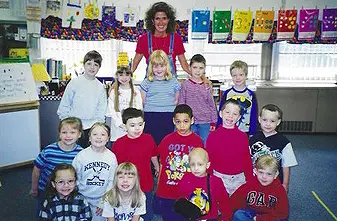
The landscape of pediatric oncology is often defined by statistics, clinical trials, and medical breakthroughs, yet the human element remains the primary driver behind the quest for a cure. In August, a significant endurance event on Minnesota’s Superior Hiking Trail will highlight the intersection of personal loss and philanthropic action. Alicia, a special education teacher, and Michele, a bereaved mother, will embark on a 25.5-mile trek known as the CureSearch Ultimate Hike. This journey is not merely a physical challenge; it is the culmination of a narrative that began in 1997, involving a young boy named David Benyo, whose battle with rhabdomyosarcoma has inspired a multi-generational commitment to ending childhood cancer.
The Medical Journey of David Benyo: 1997–2000
The story began in December 1997, when the parents of four-year-old David Benyo discovered a physical abnormality that led to a devastating diagnosis: rhabdomyosarcoma. Rhabdomyosarcoma (RMS) is a rare type of cancer that forms in soft tissue—specifically skeletal muscle tissue or sometimes hollow organs such as the bladder or uterus. According to the American Cancer Society, while RMS is the most common soft tissue sarcoma in children, it accounts for only about 3% of all childhood cancers, with approximately 350 new cases diagnosed each year in the United States.
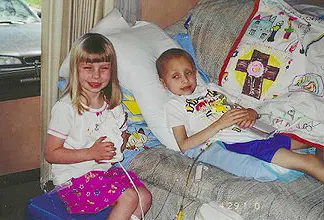
At the time of his diagnosis, David presented with a tumor the size of a grapefruit. The initial treatment regimen was intensive, involving a combination of chemotherapy, surgical intervention, and blood transfusions. For nearly a year, David showed remarkable resilience, a trait noted by his medical staff. His self-identification as a "cheetah" became a symbol of his fighting spirit within the pediatric ward. By the end of this initial period, the tumor had retreated, and David was granted a period of remission. This reprieve allowed his family to participate in a Make-A-Wish trip to Disney World, a standard psychosocial intervention designed to provide "wish fulfillment" for children facing life-threatening illnesses.
However, the nature of high-risk rhabdomyosarcoma often involves a high rate of recurrence. Shortly after returning from his trip, David’s cancer returned, having metastasized to his bone marrow. This escalation necessitated more aggressive measures. Medical professionals at Minneapolis Children’s Hospital employed high-dose chemotherapy and radiation, followed by one of the earliest pediatric stem cell transplants performed at the facility.
Stem cell transplants in the late 1990s were at the forefront of pediatric oncology, representing a high-risk, high-reward strategy to reset a patient’s immune system after it had been decimated by intensive chemotherapy. Despite a second brief period of remission, the cancer returned for a third time. Faced with the limits of medical technology at the turn of the millennium, David, not yet seven years old, expressed a desire to cease further interventions. He passed away in May 2000, leaving a profound void in his family and community.
The Psychological Impact on Peers and the Continuity of Grief
The death of a child has far-reaching implications beyond the immediate family unit. Among those affected was Alicia, David’s kindergarten classmate and fellow church member. Alicia’s mother had been David’s Sunday school teacher, creating a layered connection between the two families. In developmental psychology, the loss of a peer at such a young age can be a formative experience, often shaping an individual’s perspective on mortality and health for decades.
For Alicia, the grief manifested as an aversion to the subject of cancer—a common coping mechanism among children who experience early trauma. However, she maintained a steadfast connection with David’s mother, Michele. This relationship underscored a phenomenon often observed in bereavement studies: the "continuing bond" theory, where the survivor maintains an emotional connection to the deceased through shared rituals and ongoing relationships with other survivors.
This bond was publicly affirmed during Alicia’s high school graduation. In a gesture of remembrance, Alicia invited Michele to the ceremony and presented her with a locket containing David’s photograph. The inscription, "We remember," served as a testament to the fact that David’s life, though short, continued to influence the milestones of his peers. Today, Alicia serves as a special needs teacher at the same elementary school she and David attended, a career choice that reflects a commitment to supporting vulnerable children.
The Catalyst for Action: Compounding Loss and the Decision to Hike
The transition from private remembrance to public advocacy was precipitated by a second tragedy. Recently, Alicia’s mother—who had taught David in Sunday school and remained a central figure in both families’ lives—passed away from cancer. This compounding loss transformed Alicia’s long-standing grief into a catalyst for action.
The decision to join Michele in the CureSearch Ultimate Hike represents a strategic shift in how both women manage their history with the disease. The Ultimate Hike is a flagship fundraising program for CureSearch for Children’s Cancer, a national non-profit organization. Unlike many traditional charity walks, the Ultimate Hike is an endurance event that requires months of physical training and significant fundraising commitments. The 25.5-mile trek through the rugged terrain of Minnesota’s Superior Hiking Trail is designed to mirror the arduous journey faced by children undergoing cancer treatment.
Understanding the Landscape of Pediatric Cancer Research
The participation of individuals like Michele and Alicia is critical due to the systemic challenges in pediatric oncology funding. While cancer is the leading cause of death by disease in children in the United States, pediatric cancer research receives a disproportionately small fraction of federal funding.
Data on Funding and Survival Rates:
- Federal Funding Disparity: Historically, the National Cancer Institute (NCI) allocates approximately 4% of its annual budget to pediatric cancer research. The remaining 96% is directed toward adult cancers, which are biologically distinct from pediatric malignancies.
- The Role of Private Non-Profits: Because the pharmaceutical industry often finds pediatric drug development less profitable due to smaller patient populations, non-profits like CureSearch fill a vital gap. They fund early-stage "bench-to-bedside" research that might otherwise lack the capital to move toward clinical trials.
- Survival Statistics: While the overall five-year survival rate for childhood cancer has risen to over 80%, certain subtypes, including metastatic rhabdomyosarcoma, continue to have much lower survival rates. Furthermore, two-thirds of survivors suffer from long-term side effects—known as "late effects"—resulting from the toxicity of treatments designed for adults.
CureSearch focuses on funding targeted therapies and "smart" treatments that aim to be more effective and less toxic than the conventional chemotherapy David received in the 1990s. By participating in the Ultimate Hike, Alicia and Michele are directly contributing to the diversification of the pediatric oncology pipeline.
The Challenge of the Superior Hiking Trail
The venue for this year’s hike, the Superior Hiking Trail (SHT), is one of the most challenging footpaths in the Midwest. Stretching over 300 miles from the Wisconsin border to the Canadian border, the trail follows the rocky ridgeline above Lake Superior.
The 25.5-mile segment selected for the Ultimate Hike involves significant elevation changes, traversing through boreal forests, over jagged basalt outcroppings, and across fast-moving streams. For Alicia and Michele, the physical demands of the trail serve as a form of "somatic healing." The exertion required to complete nearly a marathon-length hike in a single day on rugged terrain provides a constructive outlet for the "grief too heavy for words" that has defined their relationship for over twenty years.
Broader Implications and Community Impact
The story of David, Alicia, and Michele serves as a microcosm of the broader movement to modernize pediatric cancer care. It highlights several critical themes in contemporary social and medical discourse:
- Legacy-Based Philanthropy: The transformation of a childhood friendship into a lifelong mission illustrates how legacy can drive sustained philanthropic engagement.
- The Evolution of Treatment: David’s participation in an early stem cell transplant highlights the historical progression of pediatric medicine. Today, researchers funded by CureSearch are exploring immunotherapy and genomic sequencing, which offer more personalized approaches than were available in 1997.
- The Importance of Community Resilience: The collaboration between a bereaved mother and her son’s classmate demonstrates the role of community in navigating long-term trauma.
As Alicia and Michele prepare for their August trek, their efforts emphasize that while medical science provides the tools to fight cancer, it is the endurance of the human spirit—and the refusal to forget those lost—that provides the necessary momentum. The funds raised through their 25.5-mile journey will support clinical trials and research projects aimed at ensuring that future stories of childhood cancer have different endings.
For those interested in supporting the mission or participating in future endurance events, CureSearch provides resources and registration information through their official platforms. The organization continues to advocate for a future where every child diagnosed with cancer not only survives but thrives without the burden of toxic side effects.
