
 By Lina carolina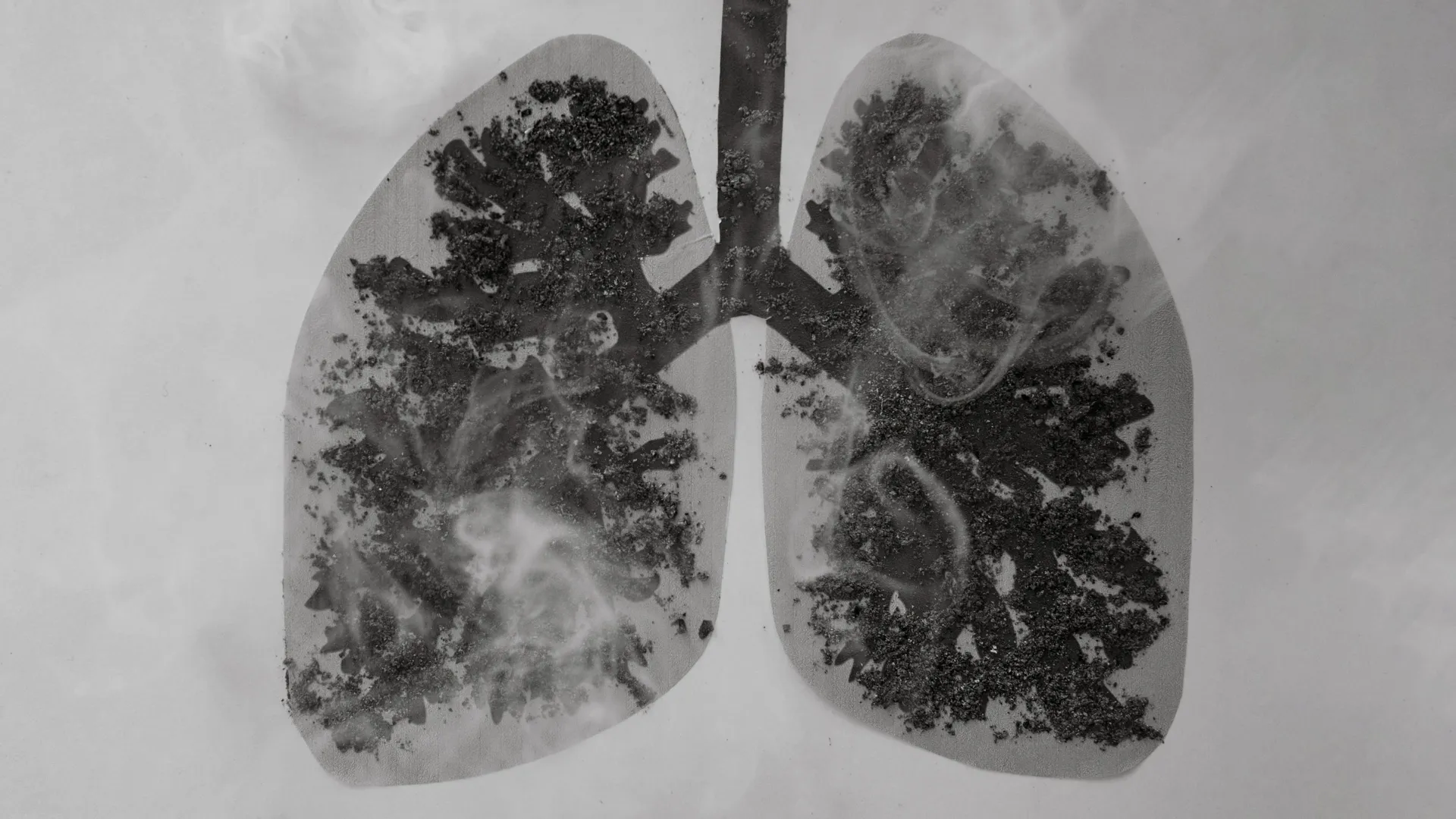
Cells meticulously collected from the lungs of individuals diagnosed with Chronic Obstructive Pulmonary Disease (COPD) exhibit a markedly greater accumulation of soot-like carbon deposits when contrasted with cells obtained from individuals who smoke but do not have the debilitating lung condition. This pivotal finding, published on June 10 in the esteemed journal ERJ Open Research, sheds new light on the intricate relationship between environmental pollutants, cellular function, and the progression of COPD. The carbon particles in question can find their way into the respiratory system through various avenues, including the pervasive inhalation of cigarette smoke, the emissions from diesel engines, and the general exposure to polluted ambient air.
The Role of Alveolar Macrophages Under Siege
At the heart of this discovery are alveolar macrophages, a crucial type of immune cell residing within the lungs. These cells are the body’s frontline defense, tasked with the vital responsibility of engulfing and neutralizing foreign particles and harmful bacteria that reach the delicate lung tissue. However, the research conducted by a team at the University of Manchester, UK, led by Dr. James Baker and Dr. Simon Lea, reveals a disturbing transformation. When these guardian cells are exposed to carbon particles, they not only enlarge but also actively promote inflammation, a key characteristic of many chronic inflammatory diseases, including COPD.
Dr. Baker elaborated on the complexity of COPD, stating, "COPD is a complex disease that has a number of environmental and genetic risk factors. One factor is exposure to carbon from smoking or breathing polluted air." He further explained the motivation behind their study: "We wanted to study what happens in the lungs of COPD patients when this carbon builds up in alveolar macrophage cells, as this may influence the cells’ ability to protect the lungs."
Unveiling the Carbon Burden: Methodology and Findings
To conduct their investigation, the researchers meticulously sourced samples of lung tissue obtained during surgical procedures for suspected lung cancer. Crucially, they specifically analyzed samples that were confirmed to be free of cancerous cells, thereby isolating the impact of environmental factors on healthy lung tissue. The study comprised 28 participants diagnosed with COPD and 15 participants who were regular smokers but had not developed COPD.
Under the precise observation of a microscope, the researchers focused their attention on the alveolar macrophage cells. Their objective was to quantify two key metrics: the physical size of these cells and the extent of carbon accumulation within them. The results were striking and statistically significant. The average amount of carbon found within the alveolar macrophage cells of COPD patients was more than three times greater than that observed in the cells of smokers without COPD. Furthermore, the study consistently demonstrated a correlation: cells containing visible carbon deposits were invariably larger than their counterparts devoid of such accumulation.
Quantifying Lung Function and Inflammation
The implications of this increased carbon burden extend directly to lung function. The study found a direct relationship between the quantity of carbon deposits in alveolar macrophages and a patient’s lung function, as measured by FEV1% (Forced Expiratory Volume in one second). This metric quantifies the volume of air a person can forcibly exhale in one second, serving as a crucial indicator of airway obstruction. Patients exhibiting larger carbon deposits in their alveolar macrophages consistently displayed poorer FEV1% values, signaling a more severe compromise in their ability to breathe effectively.
To further elucidate the mechanism, the researchers replicated the exposure to carbon particles in a laboratory setting. When alveolar macrophages were exposed to these particles, they exhibited a significant increase in size. More alarmingly, these carbon-laden cells were observed to produce higher levels of pro-inflammatory proteins. This finding provides a tangible link between carbon accumulation and the inflammatory cascade that characterizes and exacerbates COPD.
Beyond Smoking: A Deeper Understanding of Carbon’s Role
Dr. Lea emphasized the critical distinction revealed by their comparative analysis: "As we compared cells from COPD patients with cells from smokers, we can see that this build-up of carbon is not a direct result of cigarette smoking. Instead, we show alveolar macrophages in COPD patients contain more carbon and are inherently different in terms of their form and function compared to those in smokers."
This observation challenges a simplistic attribution of carbon overload solely to smoking habits. It suggests a more complex interplay where individuals with COPD may possess a reduced capacity to effectively clear inhaled carbon particles. Alternatively, it raises the possibility that individuals with a higher overall exposure to particulate matter, regardless of smoking status, may accumulate this carbon, leading to the development of COPD. "Our research raises an interesting question as to the cause of the increased levels of carbon in COPD patients’ macrophages," Dr. Lea posited. "It could be that people with COPD are less able to clear the carbon they breathe in. It could also be that people exposed to more particulate matter are accumulating this carbon and developing COPD as a result."
Looking ahead, Dr. Lea expressed a desire for further investigation: "In future, it would be interesting to study how this carbon builds up and how lung cells respond over a longer period of time." Such longitudinal studies are crucial for understanding the temporal dynamics of carbon accumulation and its long-term consequences on lung health.
Expert Commentary and Broader Implications
Professor Fabio Ricciardolo, Chair of the European Respiratory Society’s group on monitoring airway disease, who was not involved in the study, provided valuable external commentary. "This set of experiments suggest that people with COPD accumulate unusually large amounts of carbon in the cells of their lungs," Professor Ricciardolo stated. He further elaborated on the potential consequences: "This build-up seems to be altering those cells, potentially causing inflammation in the lungs and leading to worse lung function."
Professor Ricciardolo also highlighted the study’s contribution to understanding the broader impact of air pollution: "In addition, this research offers some clues about why polluted air might cause or worsen COPD. However, we know that smoking and air pollution are risk factors for COPD and other lung conditions, so we need to reduce levels of pollution in the air we breathe and we need to help people to quit smoking." His statement underscores the urgent need for public health interventions that address both individual behaviors and environmental factors contributing to the global burden of respiratory diseases.
The Global Context: COPD and Environmental Pollutants
COPD is a progressive and irreversible lung disease that affects millions worldwide. It is characterized by persistent airflow limitation, leading to breathlessness, chronic cough, and increased susceptibility to exacerbations. While cigarette smoking is the most significant risk factor, accounting for approximately 80-90% of cases, a substantial portion of COPD cases are also linked to occupational dust and fumes, as well as exposure to indoor and outdoor air pollution.
The World Health Organization (WHO) estimates that air pollution is responsible for millions of premature deaths annually, with a significant proportion attributed to respiratory illnesses like COPD. The fine particulate matter (PM2.5) found in polluted air, which includes carbon-based particles, is particularly insidious. These microscopic particles can penetrate deep into the lungs, reaching the alveoli, where gas exchange occurs.
A Timeline of Understanding
The understanding of COPD has evolved significantly over decades. Early research primarily focused on the link between smoking and the disease. However, as air quality deteriorated in many urban centers, and occupational exposures were better documented, the role of environmental pollutants gained prominence.
- Mid-20th Century: Smoking is firmly established as the primary cause of COPD.
- Late 20th Century: Growing recognition of occupational exposures (e.g., coal mining, agriculture) as contributing factors.
- Early 21st Century: Increased research into the impact of ambient air pollution, particularly fine particulate matter, on respiratory health.
- Present Day: Studies like the one published in ERJ Open Research delve into the cellular mechanisms by which pollutants, such as carbon deposits, contribute to COPD pathology, moving beyond simple correlation to causation.
Supporting Data and Future Directions
The data presented in the ERJ Open Research study adds a critical piece to the puzzle of COPD pathogenesis. The three-fold increase in carbon accumulation in alveolar macrophages of COPD patients, coupled with the observed correlation with reduced lung function (FEV1%), provides robust evidence for the detrimental impact of these particles. The laboratory experiments further solidify the link by demonstrating how carbon exposure directly triggers cellular enlargement and inflammation.
The implications for public health policy are substantial. This research reinforces the necessity of stringent air quality regulations and initiatives aimed at reducing exposure to particulate matter from sources such as traffic, industrial emissions, and biomass burning. Simultaneously, continued efforts to promote smoking cessation remain paramount.
Future research could explore:
- Biomarkers: Identifying specific biomarkers of carbon accumulation in alveolar macrophages could aid in early diagnosis and risk stratification for COPD.
- Therapeutic Targets: Understanding how alveolar macrophages become overwhelmed by carbon could lead to the development of novel therapeutic strategies aimed at enhancing particle clearance or mitigating the inflammatory response.
- Genetic Predisposition: Investigating potential genetic factors that might influence an individual’s susceptibility to carbon accumulation and subsequent COPD development.
- Long-term Exposure Studies: Conducting longitudinal studies to track carbon accumulation over time and correlate it with disease progression and exacerbation rates.
In conclusion, the University of Manchester study represents a significant advancement in our understanding of COPD. By pinpointing the excessive accumulation of soot-like carbon in the lung’s immune cells of COPD patients, researchers have provided compelling evidence for the role of environmental pollutants in this devastating disease, urging renewed focus on both public health interventions and scientific inquiry.
