
 By Suherman Candra Maholtra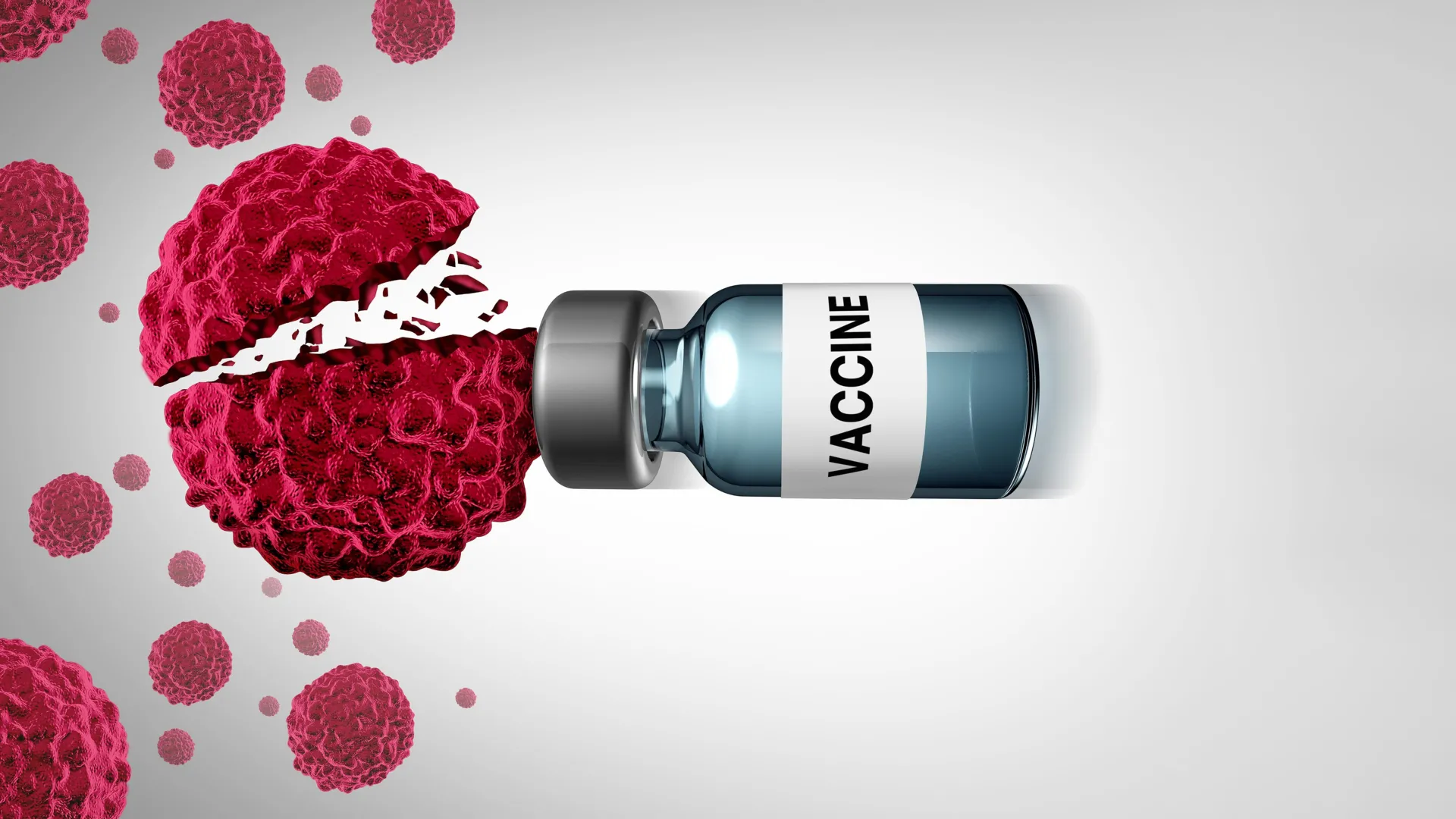
A collaborative research initiative led by the University of Florida and the University of Texas MD Anderson Cancer Center has uncovered a profound correlation between COVID-19 mRNA vaccinations and improved survival outcomes for patients battling advanced stages of lung and skin cancer. The study, published in the journal Nature, suggests that patients who received an mRNA-based COVID-19 vaccine within a 100-day window of beginning immunotherapy lived considerably longer than those who did not. This discovery, which builds upon a decade of research into messenger RNA technology, points toward a potential paradigm shift in oncology: the development of a "universal" vaccine designed to amplify the body’s natural immune response against various forms of malignancy.
The findings are based on an extensive analysis of over 1,000 patient records from MD Anderson, focusing on individuals with Stage 3 and 4 non-small cell lung cancer and metastatic melanoma. These specific cancers are often treated with immune checkpoint inhibitors—drugs designed to "release the brakes" on the immune system, allowing it to recognize and destroy cancer cells. However, many patients with advanced disease fail to respond to these treatments or eventually see their cancer progress. The research indicates that the mRNA vaccine may act as a potent biological catalyst, priming the immune system to work more effectively alongside these high-tech immunotherapy drugs.
Statistical Breakdown: Doubling Survival Expectations
The data derived from the MD Anderson patient registry revealed a stark contrast in survival rates based on vaccination status. In the cohort of 884 patients with advanced lung cancer, 180 received a COVID-19 mRNA vaccine within 100 days—either before or after—of initiating immunotherapy. The remaining 704 patients did not receive the vaccine within that timeframe. The results showed that vaccinated patients experienced a median survival of 37.3 months, compared to just 20.6 months for the unvaccinated group. This near-doubling of survival time represents a major breakthrough for a patient population that often faces a grim prognosis.
Similar results were observed among patients with metastatic melanoma. Of the 210 patients studied, 43 received the vaccine within the specified window, while 167 did not. The median survival for the unvaccinated group was 26.7 months. For those who received the mRNA vaccine, the median survival rose to a range of 30 to 40 months. Researchers noted that at the time of data collection, several patients in the vaccinated group were still alive, suggesting that the final survival benefit could be even higher once long-term data is fully matured.
Critically, the researchers also looked at patients who received non-mRNA vaccines, such as those for influenza or pneumonia. In these cases, no significant change in longevity was observed. This suggests that the survival benefit is unique to the mRNA platform itself, rather than a general effect of stimulating the immune system through any type of vaccination.
A Decade of Innovation: The Path to the Discovery
While the connection to COVID-19 vaccines is a recent development, the underlying science has been in development for over eight years in the laboratory of Elias Sayour, M.D., Ph.D., at the University of Florida. Sayour, a pediatric oncologist and the Stop Children’s Cancer/Bonnie R. Freeman Professor for Pediatric Oncology Research, has long focused on the intersection of lipid nanoparticles and mRNA technology.
The chronology of this discovery can be traced back to Sayour’s work on "nonspecific" immune activation. In July 2024, his team reported that it was not strictly necessary to target a specific protein found on a tumor to trigger an immune response. Instead, they found that simply "waking up" the immune system using mRNA—mimicking the way the body reacts to a viral infection—could generate a powerful antitumor effect.
This hypothesis was tested in laboratory experiments where researchers combined an experimental mRNA vaccine with immune checkpoint inhibitors in mice. The combination successfully halted tumor growth in models that were previously resistant to treatment. When the COVID-19 pandemic led to the mass administration of mRNA vaccines, Adam Grippin, M.D., Ph.D., a former member of Sayour’s lab now at MD Anderson, proposed a pivotal question: Could the commercially available COVID-19 mRNA vaccine produce the same "nonspecific" immune boost as the experimental vaccines developed in the lab? The subsequent analysis of clinical data confirmed his suspicion.
Biological Mechanism: The "Flare" Effect
The researchers believe the mRNA vaccine functions as a biological "flare." When the vaccine is administered, it triggers a systemic immune alert. This process involves the mobilization of immune cells, such as T-cells and dendritic cells, which are often "exhausted" or suppressed within the microenvironment of a tumor.
"One of the mechanisms for how this works is when you give an mRNA vaccine, that acts as a flare that starts moving all of these immune cells from bad areas like the tumor to good areas like the lymph nodes," Sayour explained. By relocating these cells to the lymph nodes, the immune system can "reset" and re-prime itself. Once these cells are reactivated, they can return to the tumor site with renewed vigor, enhanced by the immunotherapy drugs already in the patient’s system.
This mechanism is particularly effective in patients who were not expected to respond well to immunotherapy. The study found that the most dramatic improvements occurred in patients whose tumors possessed molecular characteristics that typically signal a poor response to standard treatment. The mRNA vaccine appeared to overcome these biological hurdles, essentially "converting" non-responders into responders.
Expert Reactions and the "Warp Speed" Legacy
The implications of the study have drawn praise from across the scientific community. Jeff Coller, Ph.D., an mRNA specialist and professor at Johns Hopkins University, pointed out that the findings represent an unexpected dividend of the global effort to combat COVID-19. He noted that Operation Warp Speed, the federal initiative that accelerated vaccine development in 2020, continues to provide benefits that extend far beyond infectious disease.
"The results from this study demonstrate how powerful mRNA medicines truly are and that they are revolutionizing our treatment of cancer," Coller stated. He emphasized that the rapid deployment and monitoring of mRNA vaccines provided a massive data set that would have otherwise taken decades to accumulate.
Duane Mitchell, M.D., Ph.D., director of the UF Clinical and Translational Science Institute and a mentor to Dr. Grippin, highlighted the rarity of seeing such significant survival gains in observational data. "Although not yet proven to be causal, this is the type of treatment benefit that we strive for and hope to see with therapeutic interventions—but rarely do," Mitchell said. He stressed the urgency of moving from retrospective analysis to prospective clinical trials to solidify these findings.
Future Outlook: The Universal Cancer Vaccine
The ultimate goal of this research is the creation of an "off-the-shelf" universal cancer vaccine. Unlike personalized cancer vaccines, which must be custom-made for each patient’s specific tumor mutations—a process that is both time-consuming and expensive—a nonspecific mRNA vaccine could be mass-produced and administered to any patient regardless of their cancer type.
The researchers envision a future where oncology care includes a standard "primer" vaccine given alongside immunotherapy. If even a 5% to 10% improvement in survival can be achieved across a broad range of cancers, the cumulative impact on public health would be massive. In the cases of lung and skin cancer, where the benefit appears to be much higher, the technology could redefine the standard of care.
The next phase of this research involves a large-scale randomized clinical trial. This will be conducted through the OneFlorida+ Clinical Research Network, a consortium that includes hospitals and clinics across Florida, Alabama, Georgia, Arkansas, California, and Minnesota. This network is designed to move academic discoveries into real-world clinical settings, ensuring that a diverse population of patients can participate in the validation of the therapy.
Betsy Shenkman, Ph.D., who leads the OneFlorida+ consortium, emphasized the importance of this transition. "One of our key motivations is to move discoveries from academic settings out into the real world and the places where patients get care," she said.
Funding and Disclosures
The study received financial support from the National Cancer Institute (NCI) and several private foundations dedicated to cancer research. In accordance with academic transparency protocols, the researchers disclosed that Sayour, Grippin, and Mitchell hold patents related to mRNA vaccine technologies developed at the University of Florida. These patents are licensed to iOncologi Inc., a biotechnology "spinout" company from the university. Dr. Mitchell maintains a financial interest in iOncologi Inc.
As the medical community awaits the results of the upcoming clinical trials, the current data offers a significant morale boost for oncologists and patients alike. For those facing advanced-stage malignancies, the prospect of doubling their remaining time through a simple, existing vaccination represents one of the most promising developments in recent oncological history.
