
 By Lina carolina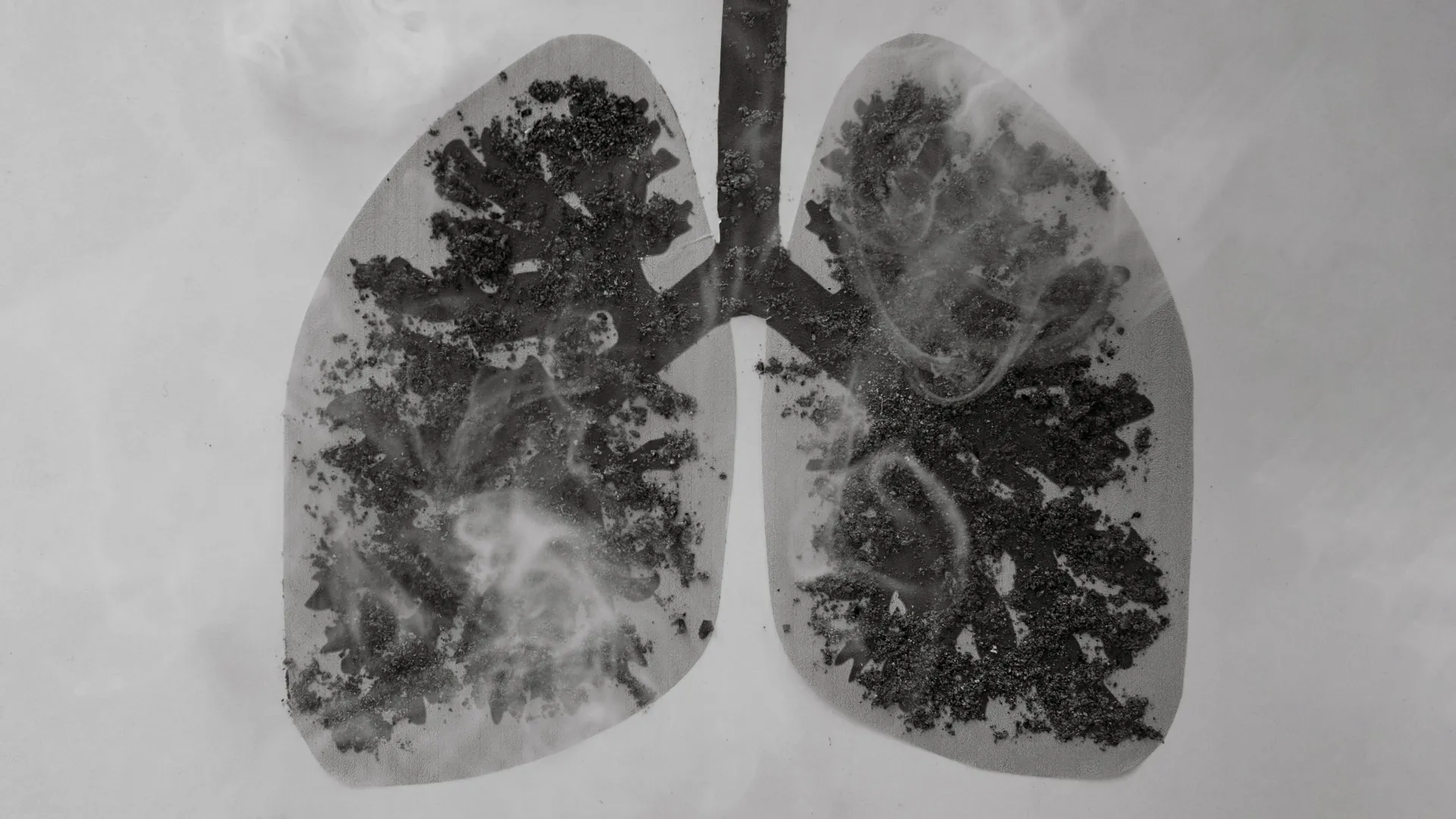
A groundbreaking study published today, June 10, in the esteemed journal ERJ Open Research reveals a striking difference in the accumulation of soot-like carbon deposits within lung cells of individuals diagnosed with Chronic Obstructive Pulmonary Disease (COPD) compared to those who smoke but do not have the condition. The research, spearheaded by a team from the University of Manchester, UK, points to a potential new understanding of how environmental pollutants, including those from cigarette smoke and air pollution, contribute to the progression of this debilitating respiratory disease.
Unveiling the Carbon Burden in COPD Lungs
The study focused on alveolar macrophages, a critical component of the lungs’ immune defense system. These cells are tasked with engulfing foreign particles and pathogens that enter the respiratory tract, thereby protecting the body. However, the Manchester team discovered that when these macrophages are exposed to carbon particles, they not only grow larger but also exhibit an increased propensity to promote inflammation – a key characteristic of many chronic lung diseases, including COPD.
Dr. James Baker, the lead researcher, emphasized the complexity of COPD, stating, "COPD is a complex disease that has a number of environmental and genetic risk factors. One factor is exposure to carbon from smoking or breathing polluted air." He further elaborated on the motivation behind their research: "We wanted to study what happens in the lungs of COPD patients when this carbon builds up in alveolar macrophage cells, as this may influence the cells’ ability to protect the lungs."
Methodology and Key Findings
To conduct their investigation, researchers obtained lung tissue samples from 28 individuals diagnosed with COPD and 15 individuals who were current smokers but did not have COPD. These samples were acquired during surgeries for suspected lung cancer, with the analysis specifically excluding any cancerous cells. The team meticulously examined alveolar macrophage cells under a microscope, quantifying both the size of the cells and the amount of carbon they contained.
The results were compelling. Alveolar macrophage cells from COPD patients exhibited an average carbon accumulation that was more than three times greater than that observed in cells from smokers without COPD. Furthermore, the study found a consistent correlation: cells that contained visible carbon deposits were invariably larger than those without.
Carbon Accumulation and Lung Function Decline
Perhaps one of the most significant findings of the study is the direct link between the extent of carbon accumulation and a patient’s lung function. Researchers measured lung function using the Forced Expiratory Volume in one second (FEV1%), a standard metric that quantifies how much air a person can exhale forcefully in a single second. The data indicated that patients with larger deposits of carbon within their alveolar macrophages displayed poorer FEV1% values, suggesting a direct impact on their ability to breathe effectively.
In a controlled laboratory setting, the researchers exposed macrophages to carbon particles. This experiment corroborated their in-vivo findings, demonstrating that these cells significantly increased in size and produced higher levels of pro-inflammatory proteins when exposed to carbon. This suggests a direct causal relationship between carbon exposure and an inflammatory response within the lung’s cellular environment.
Differentiating Smoking Effects from COPD-Specific Accumulation
Dr. Simon Lea, a co-lead researcher, highlighted the critical distinction between the carbon burden in COPD patients and that in smokers without the disease. "As we compared cells from COPD patients with cells from smokers, we can see that this build-up of carbon is not a direct result of cigarette smoking," Dr. Lea stated. "Instead, we show alveolar macrophages in COPD patients contain more carbon and are inherently different in terms of their form and function compared to those in smokers."
This observation is crucial as it suggests that while smoking is a known contributor to lung damage, the increased carbon accumulation in COPD patients may be driven by additional factors or a compromised ability of their lung cells to clear inhaled particles.
Exploring the Underlying Causes and Future Directions
The study raises pertinent questions regarding the precise mechanisms behind the elevated carbon levels in the macrophages of COPD patients. Dr. Lea proposed two potential explanations: "It could be that people with COPD are less able to clear the carbon they breathe in. It could also be that people exposed to more particulate matter are accumulating this carbon and developing COPD as a result."
These hypotheses open avenues for future research. Understanding the cellular processes involved in carbon clearance and the long-term effects of particulate matter exposure on lung health could provide vital insights into COPD pathogenesis. "In future, it would be interesting to study how this carbon builds up and how lung cells respond over a longer period of time," Dr. Lea added.
Expert Commentary and Broader Implications
Professor Fabio Ricciardolo, Chair of the European Respiratory Society’s group on monitoring airway disease, who was not involved in the study, provided valuable external commentary. He underscored the significance of the findings, stating, "This set of experiments suggest that people with COPD accumulate unusually large amounts of carbon in the cells of their lungs. This build-up seems to be altering those cells, potentially causing inflammation in the lungs and leading to worse lung function."
Professor Ricciardolo also emphasized the study’s implications for public health initiatives. "In addition, this research offers some clues about why polluted air might cause or worsen COPD. However, we know that smoking and air pollution are risk factors for COPD and other lung conditions, so we need to reduce levels of pollution in the air we breathe and we need to help people to quit smoking."
The Pervasive Threat of Particulate Matter
Carbon particles, often referred to as black carbon or soot, are ubiquitous environmental pollutants. Their primary sources include incomplete combustion processes. Cigarette smoke is a significant indoor source, releasing a complex mixture of chemicals and particulate matter into the lungs. Outdoor air pollution, particularly from vehicle emissions (like diesel exhaust) and industrial activities, contributes substantially to ambient levels of these particles.
The World Health Organization (WHO) estimates that ambient air pollution causes millions of premature deaths globally each year, with respiratory diseases, including COPD, being major contributors. The accumulation of these fine particles in the lungs can trigger inflammatory responses, oxidative stress, and damage to lung tissue, progressively impairing lung function.
Understanding COPD: A Growing Global Health Challenge
COPD is a progressive and irreversible lung disease characterized by airflow limitation and respiratory symptoms such as chronic cough, sputum production, and breathlessness. It is a leading cause of morbidity and mortality worldwide, placing a significant burden on healthcare systems and individuals. The primary risk factors for COPD are long-term exposure to irritants, most notably cigarette smoke. However, exposure to air pollution, occupational dusts, and genetic factors also play a role.
The disease typically develops over many years, with symptoms often not becoming noticeable until significant lung damage has occurred. This makes early detection and intervention challenging. Current treatments focus on managing symptoms, reducing exacerbations, and improving quality of life, but there is no cure for COPD.
The Timeline of the Research
While the exact timeline of the University of Manchester study is not detailed in the initial report, the process would have involved several stages:
- Study Design and Ethical Approval: Months to over a year, involving meticulous planning, defining research questions, and obtaining necessary ethical clearances for human tissue research.
- Sample Collection: This likely occurred over a period, as lung tissue samples are obtained during surgical procedures. The timeframe would depend on the availability of suitable samples from the participating hospitals.
- Laboratory Analysis: This phase would involve microscopic examination, image analysis, and biochemical assays to quantify carbon content and inflammation markers. This process can take several months, depending on the scale and complexity of the experiments.
- Data Analysis and Interpretation: Once laboratory work is complete, statistical analysis of the collected data is performed. This is a critical step to identify significant findings and draw meaningful conclusions.
- Manuscript Preparation and Peer Review: The researchers would then compile their findings into a scientific manuscript. This manuscript undergoes rigorous peer review by other experts in the field before being accepted for publication in a journal like ERJ Open Research. This publication process can take several months.
Given the publication date of June 10, the core research and analysis would have been completed sometime in late 2023 or early 2024, with the manuscript submission and review process occurring in the preceding months.
Broader Societal and Public Health Implications
The findings of this study have significant implications for public health policies and individual health choices.
- Air Quality Standards: The research reinforces the need for stricter regulations on air pollution levels, particularly in urban and industrial areas. Reducing exposure to particulate matter from traffic and industrial sources could have a direct impact on the incidence and severity of COPD.
- Smoking Cessation Programs: While the study differentiates carbon accumulation in COPD patients from that in general smokers, it does not diminish the role of smoking as a primary risk factor. The continued importance of robust smoking cessation programs and public health campaigns against smoking remains paramount.
- Occupational Health: For individuals working in environments with high levels of particulate matter, such as construction or certain manufacturing industries, this research underscores the importance of effective respiratory protective equipment and workplace safety measures.
- Diagnostic and Prognostic Tools: In the future, the extent of carbon accumulation in alveolar macrophages could potentially serve as a biomarker for assessing COPD risk, disease severity, or predicting prognosis. Further research would be needed to validate such applications.
- Personalized Medicine: Understanding the differential impact of environmental factors on individuals could pave the way for more personalized approaches to COPD prevention and management.
The European Respiratory Society, through its advisory roles and publications, consistently advocates for cleaner air and better tobacco control policies. This study provides further scientific backing for these crucial public health objectives. As the world grapples with the dual challenges of increasing urbanization and the persistent threat of air pollution, research like this serves as a vital reminder of the intricate relationship between our environment and our respiratory health. The accumulation of carbon in lung cells, as revealed by this study, is not merely an observation of pollution’s presence but a potential key to unlocking more effective strategies for preventing and treating COPD.
