
 By Gabriel Paijo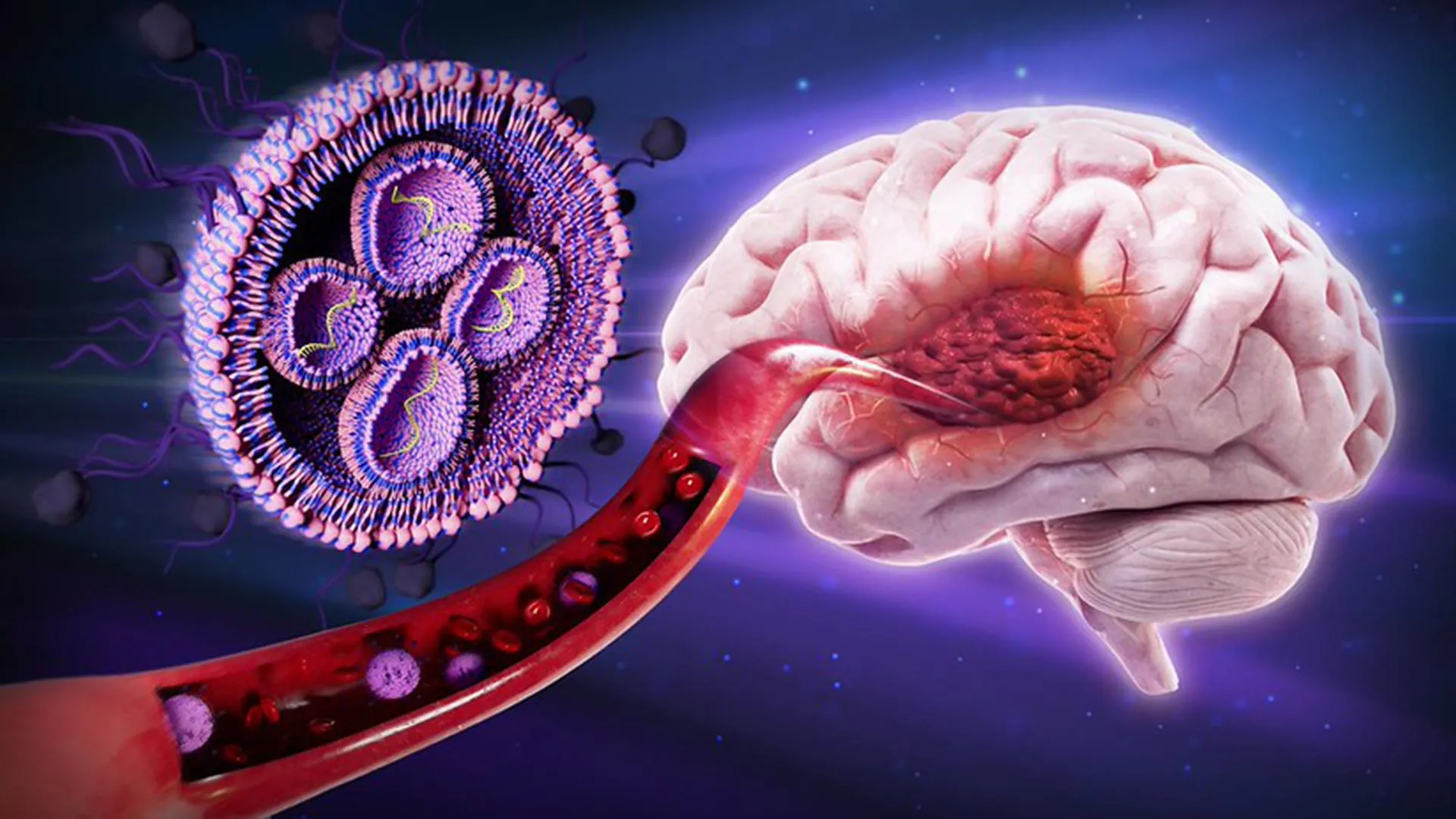
In a significant advancement for neuro-oncology, researchers at the Oregon State University (OSU) College of Pharmacy have unveiled a novel experimental strategy designed to bypass the formidable defenses of the human brain to treat glioblastoma. This aggressive form of brain cancer remains one of the most difficult challenges in modern medicine, characterized by a rapid progression and a bleak prognosis. With fewer than 30% of patients surviving two years post-diagnosis and a five-year survival rate of less than 5%, the need for innovative therapeutic interventions has never been more urgent. The OSU study, published in the Journal of Controlled Release, introduces a "Trojan Horse" method that utilizes sugar-coated nanoparticles to deliver life-saving genetic instructions directly to tumor cells.
The research was spearheaded by a multidisciplinary team including Oleh Taratula, Olena Taratula, and Yoon Tae Goo. Their work addresses the two most persistent obstacles in brain cancer therapy: the blood-brain barrier (BBB) and the requirement for cellular specificity. The blood-brain barrier is a highly selective semipermeable border of endothelial cells that prevents solutes in the circulating blood from non-selectively crossing into the extracellular fluid of the central nervous system. While this barrier protects the brain from toxins and pathogens, it also effectively blocks more than 98% of small-molecule drugs and nearly 100% of large-molecule therapies, including many chemotherapy agents.
The Mechanism of the "Sugar-Coated" Delivery System
The innovation at the heart of the OSU study lies in the strategic use of mannose, a sugar closely related to glucose. The human brain is a metabolically demanding organ, consuming approximately 20% of the body’s total glucose despite accounting for only 2% of its weight. To meet this demand, the blood-brain barrier is rich in a protein called glucose transporter 1 (GLUT1), which facilitates the movement of glucose from the bloodstream into the brain tissue.
The OSU team recognized that GLUT1 also possesses an affinity for mannose. By coating lipid nanoparticles—microscopic fatty spheres—with mannose, the researchers were able to "trick" the GLUT1 transporters into ushering the nanoparticles across the blood-brain barrier. However, simply coating the particles was not enough; they required a high density of the sugar to compete with the naturally occurring glucose in the blood.
Oleh Taratula, a lead author of the study, explained the technical breakthrough regarding the surface chemistry of the particles. He noted that the central innovation was the chemical connection of mannose to cholesterol, a primary structural component of the lipid nanoparticles. This chemical engineering improved the surface coverage of the sugar sixfold compared to previous attempts. This high-density coating ensures that the nanoparticles successfully capture the attention of the GLUT1 transporters even in the presence of high blood-glucose concentrations.
Targeting the Metabolic Vulnerabilities of Glioblastoma
Once the nanoparticles successfully breach the blood-brain barrier, they face the second challenge: finding and entering the tumor cells without harming healthy brain tissue. The OSU strategy exploits a phenomenon known as metabolic reprogramming. Glioblastoma cells are notoriously "hungry" and grow at an accelerated rate, requiring significant energy. To sustain this growth, these cancer cells express GLUT1 at levels approximately three times higher than those found in normal, healthy brain tissue.
Because the nanoparticles are designed to be recognized by GLUT1, they naturally accumulate in the areas of highest GLUT1 concentration—the tumors. This creates a built-in targeting mechanism that minimizes "off-target" effects. During the mouse model trials, the researchers observed that the nanoparticles concentrated heavily within the glioblastoma tumors. This localized accumulation is critical for reducing systemic toxicity, a common side effect of traditional chemotherapy that often limits the dosage a patient can safely receive.
Restoring the "Brakes" on Tumor Growth via mRNA Delivery
The "cargo" carried by these sugar-coated nanoparticles is perhaps as innovative as the delivery vehicle itself. The particles are loaded with messenger RNA (mRNA) designed to trigger the production of PTEN (phosphatase and tensin homolog). PTEN is a potent tumor-suppressor protein that acts as a regulatory "brake" on cell division. In healthy cells, PTEN prevents cells from growing and dividing too rapidly or in an uncontrolled way.
In glioblastoma, the gene responsible for producing PTEN is frequently mutated, deleted, or silenced. Without PTEN, the signaling pathways that drive cell growth remain permanently "on," leading to the rapid expansion of the tumor. By delivering mRNA that encodes for the PTEN protein, the OSU researchers are essentially providing the cancer cells with a set of instructions to rebuild their own internal regulatory systems.
To ensure the fragile mRNA reached its destination without being degraded by enzymes in the body, the team added a positively charged cholesterol derivative to the nanoparticle formulation. This created a secure internal environment for the genetic material, keeping it stable until it was released inside the tumor cells. Once the PTEN expression was restored in the mouse models, the researchers observed a marked reinstatement of growth control, leading to significant tumor shrinkage.
Statistical Outcomes and Survival Data
The efficacy of the treatment was measured through a series of controlled trials involving mice with induced glioblastoma. The results were statistically significant, showing that the nanoparticle therapy increased the median survival time by 50%. In the context of glioblastoma research, a 50% increase is considered a substantial leap, as most current experimental treatments offer only marginal improvements over the standard of care.
Furthermore, the study highlighted the safety profile of the treatment. Repeated dosing of the nanoparticles did not result in any measurable organ toxicity. This is a vital finding, as many potential brain cancer treatments are discarded during the development phase because they cause damage to the liver, kidneys, or the healthy portions of the brain. The ability to achieve tumor shrinkage without collateral damage suggests that this platform could eventually be scaled for human use.
Contextual Background: The Current State of Glioblastoma Treatment
To understand the impact of the OSU discovery, it is necessary to look at the current standard of care for glioblastoma, often referred to as the Stupp Protocol. This protocol typically involves maximal surgical resection (removing as much of the tumor as possible), followed by a combination of radiation therapy and the chemotherapy drug temozolomide.
Despite these aggressive measures, glioblastoma almost always recurs. The tumors are highly infiltrative, meaning they send out microscopic "tentacles" into the surrounding brain tissue that cannot be seen or safely removed by a surgeon. Additionally, the blood-brain barrier limits the effectiveness of temozolomide and other drugs, often allowing sub-therapeutic levels of medicine to reach the tumor site.
The OSU research represents a shift toward "precision genetic medicine." Rather than using a blunt instrument like radiation or systemic toxins, the nanoparticle approach seeks to correct the underlying genetic deficiency of the cancer cell itself while utilizing the body’s own transport mechanisms to ensure delivery.
Chronology and Future Directions
The development of this strategy follows years of foundational research into lipid nanotechnology and mRNA delivery systems, which gained global prominence during the development of COVID-19 vaccines. The OSU team adapted these concepts for oncology, refining the mannose-cholesterol synthesis over several iterations to achieve the necessary density for BBB penetration.
Following the successful mouse trials and the publication of their findings in the Journal of Controlled Release, the next steps for the research team involve further refining the nanoparticle formulation for larger animal models. Moving from mice to humans involves navigating significant physiological differences, including the thickness of the blood-brain barrier and the total volume of the brain.
If subsequent phases of testing are successful, the team hopes to move toward clinical trials. The implications of this technology extend beyond glioblastoma; the mannose-coated nanoparticle platform could theoretically be used to deliver other types of genetic material or traditional drugs to treat a variety of neurological conditions, such as Alzheimer’s disease, Parkinson’s disease, or various pediatric brain cancers.
Broader Implications and Official Support
The research has drawn attention from the broader scientific community for its elegant solution to the BBB problem. By using a "nutrient-mimicry" approach, the OSU researchers have found a way to utilize the brain’s own energy-acquisition infrastructure against the tumors that threaten it.
The study was a collaborative effort within the OSU College of Pharmacy, with contributions from Vincent Cataldi, Vladislav Grigoriev, Neera Yadav, Tetiana Korzun, Chao Wang, and Adam Alani. The project received significant federal and international backing, reflecting the high priority placed on finding a cure for glioblastoma. Funding was provided by the National Cancer Institute (NCI) of the National Institutes of Health, the Eunice Kennedy Shriver National Institute of Child Health and Human Development, and the National Research Foundation of Korea.
As the medical community continues to seek ways to turn glioblastoma from a terminal diagnosis into a manageable or curable condition, the work coming out of Oregon State University offers a promising new path. By combining the precision of mRNA therapy with the ingenuity of sugar-coated nanotechnology, researchers are closer than ever to breaching the final frontier of cancer treatment.
