
 By George Ongkojoyo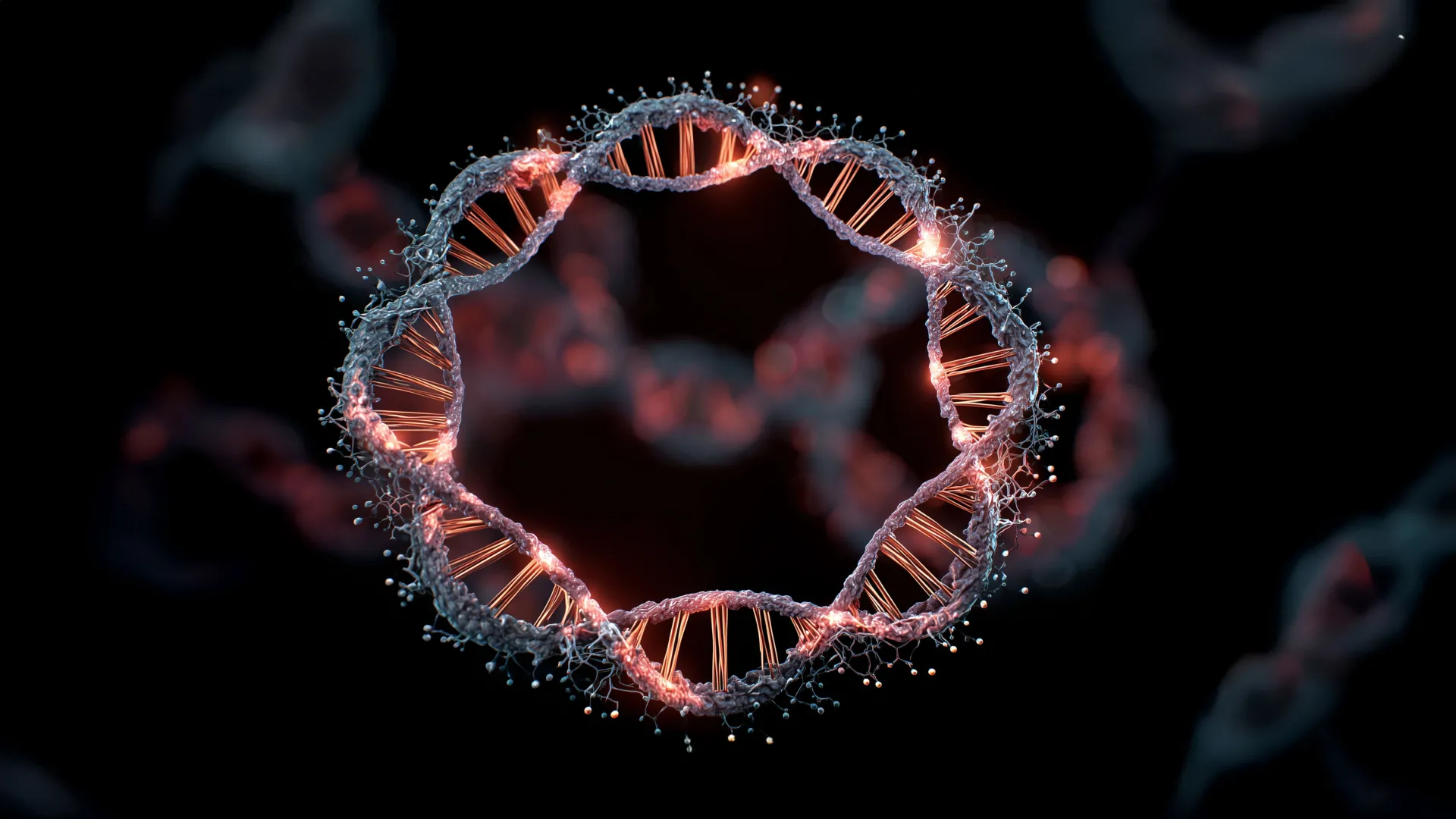
An international consortium of researchers has identified a critical mechanism involving extrachromosomal DNA (ecDNA) that facilitates the development and rapid expansion of glioblastoma, the most prevalent and lethal form of primary brain cancer in adults. The study, published in the journal Cancer Discovery on September 8, reveals that these rogue, circular DNA fragments—which exist independently of the cell’s chromosomes—often emerge during the earliest stages of oncogenesis. In some instances, these genetic anomalies appear even before a tumor is clinically detectable, suggesting that ecDNA is a foundational driver of malignancy rather than a late-stage consequence. This discovery provides a new framework for understanding why glioblastomas are exceptionally resistant to current therapies and offers a potential window for early intervention through advanced diagnostic techniques.
The Challenge of Glioblastoma Multiforme
Glioblastoma multiforme (GBM) remains one of the most formidable challenges in modern oncology. Characterized by its rapid growth and invasive nature, it accounts for approximately 48% of all primary malignant brain tumors. Despite decades of intensive research and the implementation of aggressive treatment protocols involving surgical resection, radiotherapy, and chemotherapy with temozolomide, the prognosis for patients remains poor. The median survival rate has stagnated at approximately 14 to 16 months, with a five-year survival rate of less than 7%.
The primary difficulty in treating glioblastoma lies in its profound intratumoral heterogeneity—the fact that different parts of the same tumor can possess vastly different genetic profiles. This diversity allows the cancer to evolve rapidly, developing resistance to treatments that might initially seem effective. The findings regarding ecDNA help explain the biological machinery behind this adaptability, highlighting a major blind spot in previous genomic research that focused primarily on linear chromosomes.
Understanding Extrachromosomal DNA (ecDNA)
In healthy human cells, DNA is organized into 23 pairs of linear chromosomes. However, in many types of cancer, genetic material can break away and form circular loops known as extrachromosomal DNA. Unlike linear DNA, these rings do not follow the standard laws of Mendelian inheritance. When a cancer cell divides, the ecDNA rings are distributed randomly among daughter cells. This process can lead to a rapid amplification of oncogenes—genes that have the potential to cause cancer—within a tumor population.
The role of ecDNA has long been a subject of scientific curiosity, but its complexity made it difficult to study until recently. The Cancer Grand Challenges initiative, a global funding platform established by Cancer Research UK and the National Cancer Institute in the United States, identified the deciphering of ecDNA as a "Grand Challenge." In 2022, they awarded $25 million to the eDyNAmiC team, an international group of experts tasked with investigating how these DNA rings function. The current study represents a landmark achievement for this consortium, which includes specialists from Queen Mary University of London, Stanford University, and The Francis Crick Institute.
An Archaeological Approach to Tumor Evolution
To understand the origins of glioblastoma, the research team adopted a methodology akin to archaeology. Led by Dr. Benjamin Werner of Queen Mary University of London and Professor Paul Mischel of Stanford University, the scientists did not rely on a single biopsy from a patient’s tumor. Instead, they excavated genomic data from multiple sites within individual tumors, providing a spatial and temporal map of the cancer’s development.
By integrating this multi-region genomic and imaging data with sophisticated computational models, the team simulated millions of evolutionary scenarios. This allowed them to "rewind" the tumor’s history and determine when the first ecDNA rings appeared. The analysis demonstrated that ecDNA is not a late-comer to the disease process. Rather, it is a primary event that sets the stage for the tumor’s aggressive behavior.
"We studied the tumors much like an archaeologist would," explained Dr. Werner, a senior author and group leader at the Barts Cancer Institute. "Rather than taking a single sample, we excavated multiple sites around the tumor, allowing us to build computational models describing how they evolved. We simulated millions of different scenarios to reconstruct how the earliest ecDNAs emerged, spread, and drove tumor aggressiveness, giving us a clearer picture of the tumor’s origins and progression."
The Central Role of the EGFR Gene
A pivotal finding of the study was the prevalence of the Epidermal Growth Factor Receptor (EGFR) gene within these ecDNA rings. EGFR is a protein involved in cell growth and signaling; when the gene is amplified or mutated, it can cause cells to divide uncontrollably. The research team found that EGFR-containing ecDNA appeared very early in the evolutionary timeline of the cancer.
In several cases, the ecDNA rings were present even before the tumor had fully formed into a mass. As the cancer progressed, these rings frequently acquired further mutations, such as the EGFRvIII variant. This specific variant is known to make glioblastomas significantly more aggressive and highly resistant to standard therapies. The study confirmed that ecDNA can carry multiple cancer-driving genes simultaneously, creating a "package" of malignancy that can be inherited by new cells in high numbers, effectively overwhelming the body’s natural regulatory systems.
Clinical Implications and Early Detection
The realization that ecDNA appears early in the disease cycle opens a significant "window of opportunity" for clinicians. Currently, glioblastomas are often diagnosed only after neurological symptoms manifest, by which time the tumor is usually advanced and genetically diverse.
Dr. Magnus Haughey, a postdoctoral researcher at Queen Mary University and a lead author of the study, noted that if a reliable test could be developed to detect early EGFR ecDNA, it might be possible to intervene before the cancer reaches its most aggressive state. One potential avenue is the use of "liquid biopsies"—blood or cerebrospinal fluid tests that can detect circulating tumor DNA. Detecting the unique signatures of circular ecDNA in the bloodstream could serve as a sentinel for early-stage brain cancer.
Furthermore, understanding a patient’s specific ecDNA profile could allow for more personalized treatment strategies. By identifying which oncogenes are being amplified via ecDNA, doctors might be able to select targeted therapies that are more likely to be effective against that specific tumor’s genetic architecture.
Expert Reactions and Global Collaboration
The findings have been met with enthusiasm across the international oncology community. Professor Charlie Swanton, Deputy Clinical Director at The Francis Crick Institute and chief clinician at Cancer Research UK, emphasized the transformative nature of the research.
"These findings suggest that ecDNA is not just a passenger in glioblastoma, but an early and powerful driver of the disease," Swanton said. "By tracing when and how ecDNA arises, we open up the possibility of detecting glioblastoma much earlier and intervening before it becomes so aggressive and resistant to therapy. I hope this might help to drive a new era in how we diagnose, track and treat this devastating cancer."
Professor Paul Mischel of Stanford Medicine added that while previous work had shown ecDNA could arise at various stages of tumor development, this study proves its early dominance in glioblastoma. "The findings here show that in glioblastoma, there is an early event driven by ecDNA that could potentially be more actionable," Mischel stated.
Dr. David Scott, Director of Cancer Grand Challenges, highlighted the importance of cross-disciplinary collaboration in achieving these results. "By unravelling the evolutionary history of ecDNA in glioblastoma, team eDyNAmiC is not only deepening our understanding of one of the most devastating cancers but also illuminating new paths for earlier detection and treatment," Scott said.
Future Research and Broader Impacts
The success of the eDyNAmiC team in glioblastoma research is expected to influence studies on other forms of cancer. ecDNA has been observed in a variety of other difficult-to-treat malignancies, including certain types of lung, breast, and esophageal cancers, as well as pediatric neuroblastoma. The mechanisms identified in this study—specifically the early arrival and rapid evolution of ecDNA—may be a universal feature of many aggressive cancers.
Moving forward, the researchers plan to investigate how different treatments, such as radiation and chemotherapy, affect the population of ecDNA within a tumor. There is evidence to suggest that some treatments may inadvertently select for cells with high ecDNA counts, thereby driving treatment resistance. By understanding these dynamics, scientists hope to design "smarter" treatment protocols that can suppress the evolution of ecDNA rather than encouraging it.
The study marks a shift in the field of cancer genomics from a static view of the genome to a dynamic, evolutionary one. As computational modeling and genetic sequencing technologies continue to advance, the ability to track the "archaeology" of a tumor in real-time may become a standard part of oncological care, offering hope to patients facing the world’s most challenging diagnoses.
Conclusion
The discovery that extrachromosomal DNA acts as an early-stage driver of glioblastoma provides a critical missing piece in the puzzle of brain cancer biology. By identifying the EGFR gene’s presence on these rogue rings before tumors even fully manifest, the eDyNAmiC team has paved the way for a new generation of diagnostics and therapies. While glioblastoma remains a devastating disease, this research offers a concrete path toward earlier detection and more effective, tailored treatments, potentially altering the survival trajectory for thousands of patients worldwide.
