
 By Budi Oetomo Narendra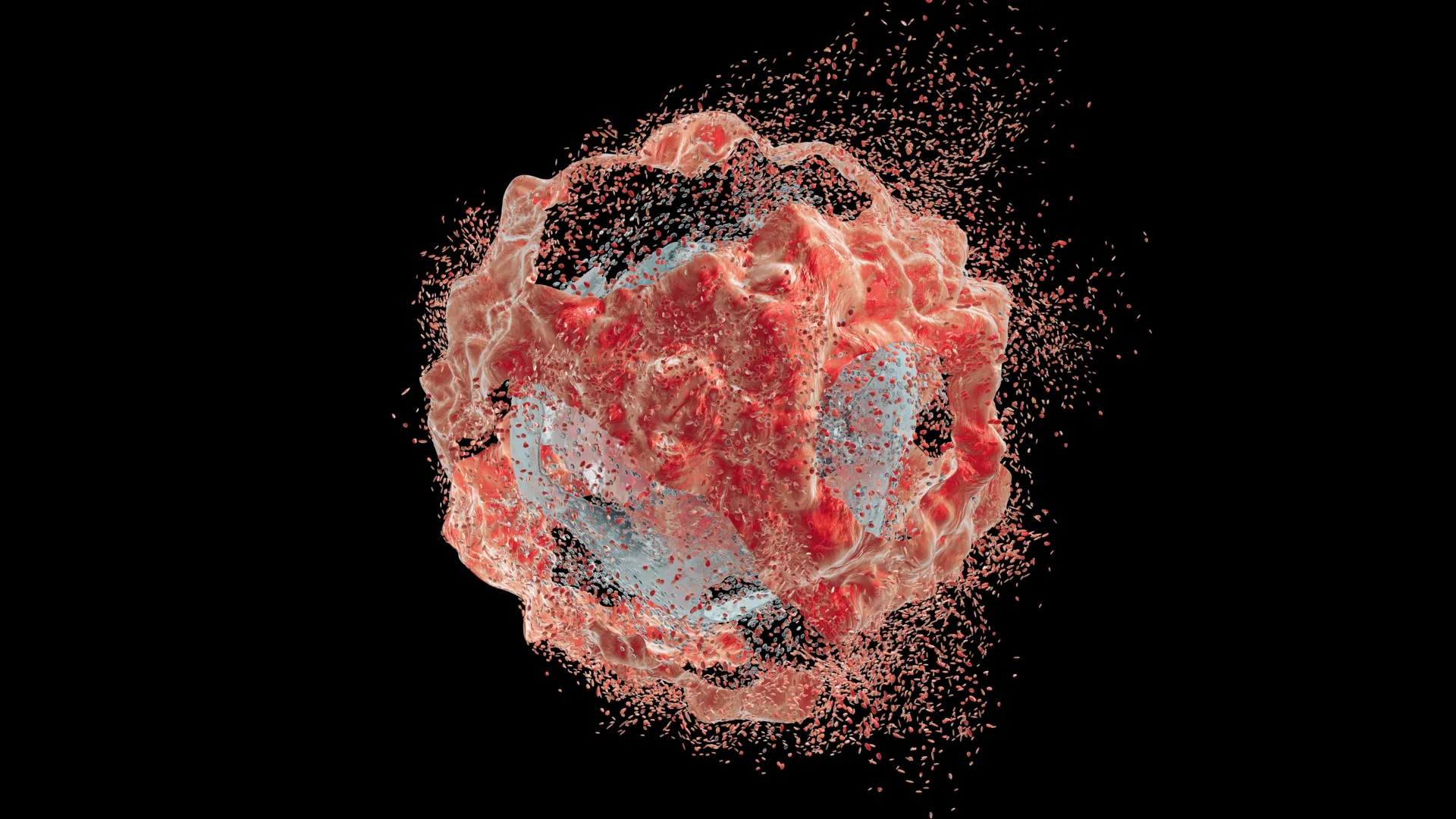
Florida A&M University researchers have unveiled a novel approach to combating pancreatic cancer, a notoriously aggressive and lethal malignancy. A study published in the peer-reviewed journal Oncotarget highlights experimental compounds, polyisoprenylated cysteinyl amide inhibitors (PCAIs), that demonstrate powerful anticancer effects by paradoxically overactivating critical signaling pathways within cancer cells, ultimately leading to their demise. This strategy offers a promising avenue, particularly given its potential to target a wide array of KRAS mutations, a common genetic driver of this devastating disease, which currently presents significant therapeutic challenges. The groundbreaking work, led by first author Kweku Ofosu-Asante and corresponding author Nazarius S. Lamango of the Florida A&M University College of Pharmacy and Pharmaceutical Sciences, Institute of Public Health in Tallahassee, Florida, represents a significant step forward in the quest for more effective treatments for pancreatic cancer and other KRAS-driven malignancies.
The Unmet Need: Pancreatic Cancer’s Lethality and the KRAS Challenge
Pancreatic ductal adenocarcinoma (PDAC) stands as one of the most lethal cancers globally, often referred to as a "silent killer" due to its insidious nature. With a five-year survival rate hovering around a dismal 12% in the United States, it is projected to become the second leading cause of cancer-related death by 2030. Each year, over 64,000 Americans are diagnosed with pancreatic cancer, and more than 50,000 succumb to the disease. The grim statistics stem from a confluence of factors: late diagnosis due to vague symptoms, aggressive metastatic potential, and inherent resistance to conventional chemotherapies and radiation.
A major biological underpinning of this lethality is the exceptionally high prevalence of mutations in the KRAS gene, found in approximately 90-95% of PDAC cases. KRAS is an oncogene, meaning that when mutated, it promotes uncontrolled cell growth, division, and survival. For decades, KRAS was considered "undruggable" by the scientific community due to its smooth, featureless protein structure, which made it notoriously difficult for small molecule drugs to bind and inhibit effectively. This "undruggable" reputation left millions of patients with KRAS-driven cancers with limited treatment options.
Recent breakthroughs, such as the development of sotorasib (Lumakras) and adagrasib (Krazati), which specifically target the KRAS G12C mutation, have offered a glimmer of hope. However, these therapies are effective for only a small subset of KRAS mutations (G12C accounts for about 1-2% of pancreatic cancers) and patients often develop resistance over time. The vast majority of pancreatic cancer patients, whose tumors carry other KRAS mutations (such as G12D, G12V, or G12R), still lack targeted treatment options. This critical unmet need underscores the urgency for developing novel therapeutic strategies that can work across a broader spectrum of KRAS-driven cancers. The Florida A&M study directly addresses this challenge by exploring compounds designed to broadly interfere with the downstream effects of abnormal KRAS signaling, rather than targeting a single mutant form.
A New Weapon: Introducing Polyisoprenylated Cysteinyl Amide Inhibitors (PCAIs)
Against this backdrop of therapeutic frustration, the research team at Florida A&M University turned its attention to a class of experimental compounds known as polyisoprenylated cysteinyl amide inhibitors (PCAIs). These compounds were rationally designed to interfere with the abnormal KRAS signaling pathways that fuel tumor growth. The fundamental premise behind PCAIs lies in their ability to disrupt the post-translational modification process called prenylation, specifically isoprenylation, which is crucial for the proper localization and function of many G-proteins, including KRAS, at the cell membrane. Without proper membrane anchoring, these proteins cannot effectively transmit their growth-promoting signals.
The study systematically investigated how PCAIs influence various aspects of pancreatic cancer progression. Using human pancreatic cancer cell lines known to harbor diverse KRAS mutations, the team meticulously examined the compounds’ impact on cancer cell survival, movement, invasive capabilities, and the complex signaling pathways involved in tumor development. Among the PCAIs tested, two compounds showed particularly strong anticancer effects, leading the researchers to focus intensely on a leading candidate designated NSL-YHJ-2-27 for more in-depth analysis.
Disrupting Cancer’s Foundation: Experimental Findings
The detailed investigation into NSL-YHJ-2-27 yielded compelling results, demonstrating its significant potential as an anticancer agent. The compound proved highly effective in reducing the viability of pancreatic cancer cells, indicating its ability to directly impair their survival.
Potent Inhibition of Cell Viability and Migration
One of the most striking findings was NSL-YHJ-2-27’s profound ability to limit cancer cell migration. At a remarkably low concentration of just 1 micromolar (µM), the compound blocked more than 90% of cancer cell migration. This is a critical observation, as uncontrolled cell migration is a prerequisite for metastasis – the spread of cancer cells from the primary tumor to distant sites in the body. Pancreatic cancer is notoriously aggressive in its metastatic capacity, often spreading before diagnosis, making therapies that can curtail this process immensely valuable. The ability of NSL-YHJ-2-27 to significantly impede migration suggests it could potentially reduce the spread of cancer, thereby improving patient outcomes.
Cellular Remodeling and Pathway Interference
Beyond simply reducing viability and migration, the researchers delved into the underlying cellular mechanisms. They discovered that PCAIs interfered with several fundamental biological processes that cancer cells rely upon for their aggressive proliferation and invasiveness. Treatment with PCAIs led to a significant reduction in the levels of important monomeric G-proteins. These proteins act as molecular switches, regulating a multitude of cellular activities, including cell movement, growth, and invasion. By disrupting their function, PCAIs effectively "short-circuited" critical cellular machinery.
Furthermore, the compounds profoundly altered the activity of genes linked to tumor progression, indicating a reprogramming of the cancer cell’s genetic landscape towards a less aggressive phenotype. Perhaps most visually striking were the major disruptions observed in the actin cytoskeleton, the dynamic network of protein filaments that provides structural support to cells and is essential for their movement and shape. As a direct consequence of this cytoskeletal disruption, treated cancer cells became distinctly rounded and lost much of their characteristic mobility and invasive capacity. These morphological changes directly correlate with the observed inhibition of migration and invasion, painting a clear picture of how PCAIs dismantle the physical infrastructure of cancer cells.
The Paradoxical Mechanism: Hyperactivating for Annihilation
One of the most surprising and innovative findings of the study revolved around two major signaling pathways intimately associated with cancer growth and survival: the Mitogen-Activated Protein Kinase (MAPK) pathway and the Phosphoinositide 3-Kinase/AKT (PI3K/AKT) pathway. These pathways are hyperactive in many cancers, including PDAC, driving proliferation and resistance to cell death. Conventionally, cancer therapies aim to inhibit these pathways.
MAPK and PI3K/AKT: A Double-Edged Sword
However, the PCAIs demonstrated a counterintuitive and novel mechanism: instead of shutting down the MAPK and PI3K/AKT pathways, they caused them to become highly overactivated. While these pathways are normally crucial for supporting tumor growth when mildly or moderately active, the researchers hypothesized that excessive, uncontrolled activation can push cellular functions beyond a critical threshold. This hyperactivation can destabilize the delicate balance of normal cellular processes, leading to overwhelming cellular stress and, ultimately, to catastrophic cell death. It’s akin to over-revving an engine until it breaks down, rather than simply turning it off. This "death by hyperactivation" strategy represents a fresh perspective in targeted cancer therapy.
Evidence of Programmed Cell Death
The study provided robust evidence supporting this explanation. Cells treated with PCAIs exhibited several hallmarks of programmed cell death, or apoptosis. They produced significantly higher levels of reactive oxygen species (ROS), which are unstable molecules that can damage cellular components, leading to oxidative stress. Elevated ROS levels are a known trigger for apoptosis. Furthermore, the compounds activated caspase enzymes, which are the "executioner" proteins responsible for dismantling cells during apoptosis. Increased levels of the pro-apoptotic protein BAX were also observed, indicating a shift in the cellular balance towards cell death rather than survival. The cumulative effect of these changes was widespread apoptosis, effectively eradicating the cancer cells. This intricate dance of cellular destruction highlights the sophisticated mechanism by which PCAIs exert their potent anticancer effects.
Robust Preclinical Validation: Beyond 2D Cultures
To further validate their findings and gain a comprehensive understanding of PCAI’s impact, the research team employed advanced analytical techniques and more physiologically relevant tumor models.
Transcriptomic Insights: Rewriting Cancer’s Genetic Code
The researchers conducted transcriptomic analyses, using techniques like RNA sequencing, to examine global changes in gene activity after PCAI treatment. This allowed them to map out which genes were upregulated (became more active) and which were downregulated (became less active). They found extensive and significant shifts in gene expression. Critically, several genes known for their tumor-suppressing functions became more active, suggesting a cellular attempt to counteract cancer progression. Conversely, genes strongly linked to cancer progression, metastasis, and cell survival became significantly less active. This genetic reprogramming reinforces the idea that PCAIs fundamentally alter the cancer cell’s identity, pushing it away from an oncogenic state.
Three-Dimensional Tumor Models: Mimicking Reality
Recognizing the limitations of standard two-dimensional (2D) cell cultures, which often fail to accurately replicate the complex tumor microenvironment, the researchers performed additional testing using three-dimensional (3D) tumor spheroid models. These spheroid models more closely resemble real tumors, featuring cell-to-cell interactions, nutrient and oxygen gradients, and extracellular matrix components that are absent in 2D cultures. This makes them a much more robust platform for preclinical drug testing.
In these advanced models, PCAI treatment caused dramatic effects. The tumor spheroids, which are compact, multicellular aggregates, began to break apart and disintegrate. Their ability to invade surrounding tissue-like matrices was significantly reduced, further reinforcing the anti-metastatic potential observed in 2D cultures. Crucially, the number of apoptotic cells within these spheroids markedly increased. These results are profoundly significant because they suggest that PCAIs remain highly effective even in more realistic and challenging tumor environments, a critical step towards eventual clinical translation.
The Chronology of KRAS: From "Undruggable" to Targeted Therapies
The journey to effectively target KRAS has been long and arduous, spanning several decades. The discovery of oncogenic KRAS mutations in human cancers dates back to the early 1980s, immediately highlighting its potential as a therapeutic target. However, the subsequent decades were marked by frustration, as the scientific community grappled with the "undruggable" nature of the KRAS protein. Drug development efforts repeatedly failed to yield viable inhibitors, leading to a consensus that KRAS was an intractable target.
This paradigm began to shift in the early 2010s with renewed efforts and advancements in structural biology and medicinal chemistry. The first major breakthrough came with the development of compounds specifically targeting the KRAS G12C mutation, which locks the protein in an inactive state. This culminated in the FDA approval of sotorasib in 2021 and adagrasib in 2022, marking a historic moment in cancer therapy. While these drugs represent a monumental achievement, their specificity for only one KRAS mutation (G12C) underscored the continued need for broader approaches.
The development of PCAIs, as described in this Oncotarget study, places them squarely in this evolving timeline of KRAS research. Unlike the G12C-specific inhibitors, PCAIs represent a different philosophical approach: they aim to disrupt the downstream signaling and cellular functions affected by diverse KRAS mutations, rather than directly binding to a specific mutant form of the KRAS protein itself. This positions PCAIs as a potential next-generation therapy that could overcome the limitations of current mutation-specific drugs, offering hope to a wider patient population. The current study, published in Oncotarget, is a critical preclinical milestone in this ongoing saga, demonstrating a novel mechanism of action for a class of compounds explicitly designed to circumvent the historical challenges of KRAS targeting.
Expert Perspectives and Broader Implications
The findings from the Florida A&M University study have generated considerable excitement within the cancer research community, not only for their direct implications for pancreatic cancer but also for their broader potential to reshape strategies for targeting KRAS.
A Broader Spectrum Against KRAS
Dr. Nazarius S. Lamango, the corresponding author of the study, emphasized the significance of the PCAIs’ broad activity. "One class of such promising agents is the PCAIs that were designed to target oncogenic G-proteins in a manner that is different from the KRASG12C-targeting drugs," he stated. "What makes these findings particularly compelling," Dr. Lamango might elaborate, "is that PCAIs appear capable of targeting cancer cells driven by several different KRAS mutations, rather than being confined to a single mutant form. This broader activity could significantly help address some of the current limitations of existing KRAS-targeted treatments, which leave many patients without effective options."
Kweku Ofosu-Asante, the first author, likely highlighted the meticulous nature of the experimental work. "Our detailed analysis, from cell viability to transcriptomic profiling and 3D spheroid models, consistently demonstrated the potent anticancer effects of these compounds," Ofosu-Asante might explain. "The paradoxical hyperactivation mechanism was a surprising but ultimately elucidating discovery, providing a novel avenue for therapeutic intervention where traditional inhibition has proven difficult."
The Clinical Horizon: Hopes and Hurdles
Independent experts in oncology and drug development are cautiously optimistic. Dr. Elena Petrova, a leading oncologist not involved in the study, commented on the significance of the work. "Pancreatic cancer remains a formidable foe, and any truly novel approach is incredibly welcome. The concept of hyperactivating survival pathways to induce cell death is fascinating and could offer a way around the adaptive resistance mechanisms that cancer cells often develop against traditional inhibitors," she said. "However, the journey from preclinical discovery to approved therapy is long and fraught with challenges. The next critical steps will involve rigorous in vivo studies in animal models to assess efficacy, pharmacokinetics, and crucially, potential off-target toxicities in a living system."
The potential for PCAIs extends beyond pancreatic cancer. Given the high prevalence of KRAS mutations in other difficult-to-treat cancers, such as colorectal and non-small cell lung cancer, these compounds could eventually find broader application. "If PCAIs prove safe and effective in clinical trials, they could represent a paradigm shift, not just for pancreatic cancer, but for a whole host of KRAS-driven malignancies," Dr. Petrova added. "Combination therapies, where PCAIs are used alongside existing chemotherapies or other targeted agents, also represent a promising avenue for future research to enhance their efficacy and overcome resistance."
From a patient advocacy perspective, the findings offer renewed hope. A spokesperson for the Pancreatic Cancer Action Network might state, "Every new discovery, especially one with such a unique mechanism and broad potential, brings us closer to a future where pancreatic cancer is treatable. Patients and their families are desperate for more effective therapies, and research like this from Florida A&M provides crucial momentum in that fight."
Conclusion: A New Dawn in Pancreatic Cancer Research
The study published in Oncotarget by the Florida A&M University team marks a significant milestone in pancreatic cancer research. By identifying polyisoprenylated cysteinyl amide inhibitors (PCAIs) as potent anticancer agents, and by elucidating their unique mechanism of inducing cell death through the hyperactivation of critical survival pathways, the researchers have opened a novel therapeutic window. The compounds’ ability to reduce cell viability and migration, disrupt cellular architecture, reprogram gene expression, and effectively dismantle tumor spheroids in 3D models provides a robust foundation for future development.
Crucially, the potential for PCAIs to target a wider range of KRAS mutations, addressing a major limitation of current targeted therapies, underscores their transformative promise. While the path to clinical application is long and demanding, these findings support the continued rigorous investigation of PCAIs as a potential, groundbreaking treatment for pancreatic cancer and other cancers driven by notoriously difficult-to-target KRAS mutations. This research not only offers a beacon of hope for patients but also expands our understanding of cancer biology, challenging conventional therapeutic paradigms and paving the way for innovative drug discovery.
